
“Aging is not simply a process of descent — it is also a process of deflation. The cheeks lose their youthful fullness, the temples hollow, and the tear troughs deepen. A facelift alone repositions tissues but cannot restore lost volume. Fat grafting addresses what repositioning cannot — and when performed together, the result is a face that looks simultaneously lifted and naturally voluminous. Not filled. Restored.”
What facial fat transfer can do for you
By your forties and fifties, the part of your face that reads as “tired” isn’t loose skin — it’s the volume that has quietly drained away from your temples, cheeks, and under-eyes. Dr. Truesdale’s fat transfer puts that volume back using your own tissue — no filler schedule, no unnatural puff, no synthetic material in your face. Once your body accepts the transferred fat (within the first few months), it’s there for life.
- Look rested and restored — hollow temples and flat cheeks are the single biggest reason a rested person still reads as exhausted in every photograph. Restoring them changes how your face is read.
- Under-eye hollows quietly disappear — the shadow that concealer has been chasing for a decade fades, because the architecture underneath has been restored.
- Your own tissue, permanent by design — the fat that survives the first few months integrates as living tissue and is long-lasting. Part of the fat may be absorbed, so more than one session may be needed. No synthetic material in your face.
- Skin quality improves where fat is placed — transferred fat carries stem cells that quietly refresh the overlying skin: finer texture, a softer look, a healthier glow that filler cannot produce.
- No pillow-face, not overdone — Dr. Truesdale refuses to overfill. Fat is placed conservatively, layer by layer, to restore what was there — never to build what wasn’t.
- Pairs beautifully with the facelift — fat transfer restores the softness that lifting alone can’t. It’s part of nearly every Masterpiece plan for exactly that reason.

Ready to discuss your fat transfer goals?
Understanding facial fat transfer
What facial fat transfer is
Facial fat transfer uses your own biological tissue to restore volume permanently. The transferred cells integrate as living tissue, age naturally with the surrounding face, and never require the scheduled replacements that synthetic fillers do.
Because the material is your own tissue, the results are natural, lasting, and uniquely tailored to the way your face ages.
As we age, the face loses fat in predictable patterns — cheeks deflate, temples hollow, tear troughs deepen. Fat transfer puts that volume back exactly where time has taken it.
Strategic fat placement can sharpen the jawline, refine the chin, lift the brow, or accentuate the cheekbones — transforming the architecture of the face without implants.
The under-eye hollow is one of the most aging features of the face. Fat transfer in experienced hands restores that area gracefully — reducing the appearance of constant fatigue.
The stem cells naturally present in transferred fat improve overall skin quality — a secondary biological benefit that no synthetic filler can replicate.
A facelift repositions descended tissue but cannot restore lost volume. Fat transfer combined with a facelift addresses both descent and deflation — producing the most complete rejuvenation possible.
Fat that establishes a blood supply is long-lasting; part, or most, of the transferred fat may be absorbed, so more than one session may be needed. No annual filler appointments.
Who facial fat transfer is for
If any of the following describes you, facial fat transfer may be worth exploring:
What makes Dr. Truesdale’s approach different
Dr. Truesdale’s approach to every procedure reflects a consistent set of principles — the same standards that inform every consultation, every surgical plan, and every post-operative follow-up.
Restraint, Not Over-Correction
The most over-done procedures in facial aesthetics are over-done because someone kept going past the right stopping point. Dr. Truesdale's rule: when the result is right, stop — even if more could technically be done. In fat transfer this matters more than any other procedure: an over-grafted face cannot be undone the way filler can.
The Artist's Eye
Before becoming a surgeon, Dr. Truesdale was a trained portrait artist. That lens shapes every decision — proportion, light, shadow, the relationship between every feature — in a way purely clinical training alone does not. For fat transfer, every graft is a microscopic addition placed in the right plane — proportion is the entire game.
Personal, Start to Finish
Every consultation, every surgical plan, every procedure — performed personally by Dr. Truesdale. No delegation to coordinators, PAs, or residents. Dr. Truesdale is personally involved every step of the way. Every harvest, every purification, every injection — performed personally by Dr. Truesdale.
Natural Is Non-Negotiable
The only acceptable outcome is one that no one can identify as a procedure — a result that reads as a better version of you. No pulled look, no frozen expression, no obvious work. The fat-transfer goal: restored volume that reads as healthy biology, never as “pillow face.”
“Your own tissue, returned to where it belongs. Nothing looks more natural than that.”
— Dr. Carl Truesdale, MD
Fat transfer before & afters
Real facial fat transfer patients of Dr. Truesdale. Volume is restored conservatively, layer by layer, using each patient’s own tissue.


Your transformation starts with a conversation.
From first consultation to final reveal
We always tell our patients to ‘trust the process.’ You are in good hands on every step of the journey to your unique masterpiece.
Consultation
Personal session with Dr. Truesdale — facial analysis, honest assessment of candidacy, and a clear plan for what the procedure can and cannot achieve.
Planning
Medical clearance, pre-operative instructions, and a personalized plan Dr. Truesdale reviews with you before the day of the procedure.
Procedure Day
Fat harvested from inner/outer thighs or stomach via gentle liposuction, processed, and grafted into the face. Often performed alongside other facial procedures.
Initial Healing
Mild bruising at harvest sites and recipient areas. Walk every 2 hours on the first day to prevent clots. Ice the recipient area 20 minutes on, 20 minutes off, for 5 days to a week. Avoid pressure or massage on grafted areas. Driving may resume at Day 7 once you are off narcotics. No bathtub, pool, hot tub, pond, or lake for 4 weeks. Donor-site dissolvable sutures fall off on their own around 2 weeks.
Volume Settles
Initial overcorrection is normal and resolves as the body absorbs fluid. Part of the grafted fat may be absorbed while the rest establishes a blood supply. Avoid heavy cardiovascular activity for 3 weeks.
Look and Feel Like a Masterpiece
Final graft survival is settled by Month 3. Best results read at 1–2 years as the transferred fat fully integrates and ages with your face.
Individual timelines vary. Dr. Truesdale sets realistic, patient-specific expectations during your consultation — not exaggerated claims.
See if a Fat Transfer is right for you.
Meet Your Surgeon
Dr. Truesdale on technique, philosophy, and patient stories — from his self-produced Beyond the Surface docuseries and his educational content library.

Why fat transfer outperforms filler
- —Temporary: 6–18 months typical
- —Repeat treatments required
- —Cumulative cost over time
- —Foreign material
- ✓Permanent once established
- ✓Single procedure
- ✓Long-term cost advantage
- ✓Your own biological tissue
Fat transfer involves harvesting fat from a donor site (typically abdomen or inner thigh) via small-cannula liposuction, processing it to remove oil and fluid, and injecting the purified fat into precise facial locations using microcannulas. The fat that establishes a blood supply is long-lasting; part, or most, of the transferred fat may be absorbed, so more than one session may be needed.
Facial fat transfer in Beverly Hills: the essentials
- Your surgeon
- Dr. Truesdale personally, or his associate Dr. Sajjadi. You choose your surgeon on the free Discovery Call.
- Where
- True Surgical Center, the AAAHC-accredited surgical center at 150 S. Rodeo Drive, Suite 220, Beverly Hills.
- Anesthesia
- MAC (monitored anesthesia care) with IV sedation, given and watched throughout by a board-certified anesthesiologist.
- Time in surgery
- About 1 to 2 hours on its own. Longer when it is part of a facelift or other procedures in the same session.
- Going home
- Back to your hotel or home the same day with an adult who stays with you.
- Follow-up visits
- The small donor-site sutures dissolve, so there is nothing to remove. Visits at 1 week (it can be virtual when fat transfer is your only procedure), 1 month and 3 months.
- If you travel
- Arrive at least a day before surgery. With fat transfer alone, plan to fly a couple of days after surgery. Combined with another procedure, that procedure’s stay applies.
- Back in public
- Most patients plan on 7 to 10 days. The face looks fuller than the final result at first, by design.
- Exercise
- Light cardio at 2 weeks; heavier exercise at about 3 weeks, once Dr. Truesdale clears you.
- Final result
- Full healing takes about 6 months, and the result looks its best at 1 to 2 years.
The facts patients ask about first. Every plan is personal, so Dr. Truesdale confirms each of these for you at your consultation. Recovery, week by week
What happens on surgery day
Fat transfer moves a small amount of your own fat from where you have extra to where your face has lost volume. Here is what the day looks like for you.
-
01Before you go in
You arrive at True Surgical Center having had nothing to eat or drink after midnight. You meet your anesthesiologist, and your surgeon goes over the plan with you, including where fat will be taken and where it will be placed.
-
02Taking the fat
Fat is taken from the inner or outer thighs, or from the stomach, through small incisions, using a gentle liposuction technique.
-
03Purifying it
The fat is processed to remove oil and fluid, so only purified fat is placed in your face. All of it is used that day: fat can’t be frozen or stored for later.
-
04Placing it
The purified fat is placed through fine microcannulas, in small amounts and layer by layer, where volume has been lost: most often the cheeks, temples and under-eyes, and the lips, jawline or forehead when your plan calls for it. It is placed conservatively, to restore what was there, never to overfill.
-
05Closing and going home
The small donor incisions are closed with dissolvable sutures, so there is nothing to remove later. You go back to your hotel or home the same day with an adult who stays with you.
Fat transfer with a deep plane face and neck lift · Fat transfer in The Masterpiece Surgery™ · Facial fat transfer: the permanent alternative to fillers
Fat transfer recovery, week by week
This is the same protocol our patients receive in writing before surgery. The detailed instructions below come straight from it, so they change only when Dr. Truesdale changes them.
Bruising and swelling where the fat was taken and where it was placed. The small donor incisions may drain a little blood-tinged fluid for 24 to 48 hours. Get up and walk every 2 hours during the day, ice the face 20 minutes on and 20 off for 5 days to a week, and keep pressure and massage off the grafted areas. Driving after 1 week, once you are off narcotic pain medicine. Your 1-week visit.
Light cardio from Day 14, and light lymphatic massage from 2 weeks. Heavier exercise at about 3 weeks, once Dr. Truesdale clears you. No bath, hot tub, swimming pool, pond or lake for 4 weeks. SPF 50 and limited sun for 6 weeks.
The early fullness goes down as swelling settles and some of the transferred fat is absorbed. The face can look its flattest at 2 to 3 months: this is expected. Follow-ups at 1 month and 3 months.
The fat that survives settles in and the result fills back out over the following months. Full healing takes about 6 months, and the result looks its best at 1 to 2 years. A touch-up, if you want more volume, can be considered after a year.
Your detailed instructions
Fat for transfer is harvested from the inner or outer thighs, or from the stomach, using a gentle liposuction technique. Small harvest sites heal quickly and leave minimal residual marks.
Do not massage the treated areas for the first two weeks. Massage of fat-grafted tissue too early can disrupt the newly placed fat cells before they have established a blood supply. From two weeks, light lymphatic massage is fine (Dr. Truesdale, 10/9).
Fat cannot be frozen or stored for future use. Any fat that is transferred is used at the time of your procedure.
Fat that establishes a blood supply is long-lasting, but part, or most, of the transferred fat may be absorbed, so the result may fade and more than one session may be needed. A further session can be considered after 1 year, once healing and settling are complete.
Full post-operative care guide · Preparing for surgery · Traveling for surgery
Fat transfer risks, and how we keep you safe
Every operation carries risk. Your surgeon goes through the risks that apply to your plan at your consultation, and each one is written in the consent you read and sign. For fat transfer to the face, the consent lists:
- Resorption. Part, or most, of the transferred fat may be absorbed, so the result may fade and more grafting may be needed.
- Lumps and Fat Necrosis. Lumps, firmness, oil cysts or areas of fat that do not survive (fat necrosis) are possible and may need treatment; lumps can show under thin eyelid skin.
- Over- or Under-Correction. Too much or too little fullness, or asymmetry of the grafted areas, is possible.
- Donor Site. Contour irregularity, numbness, bruising or swelling where the fat was taken is possible.
- Fat Entering a Blood Vessel. Fat entering a blood vessel is possible and can block blood flow, causing loss of skin (skin necrosis), blindness or loss of vision, or a stroke.
- Hemosiderin Staining. Hemosiderin staining is possible: iron left in the skin after bruising can leave a brown or yellow-brown discoloration that may last months or be permanent, and may need a lightening cream or laser treatment.
- Persistent Swelling. Swelling that lasts longer than expected (lymphedema) is possible.
- More Than One Session. More than one session may be needed.
- Long-Term Changes. The grafted and donor areas change with aging and with weight gain or loss.
Risks of any operation
- Bleeding. Bleeding during or after surgery is possible. A collection of blood under the skin (hematoma) may need drainage or a return to the operating room, and severe bleeding may need emergency treatment or a blood transfusion.
- Infection. Infection is possible and may need antibiotics, drainage or further surgery.
- Bruising and Swelling. Bruising and swelling are expected. They may last several weeks, and swelling or discoloration may persist longer.
- Scarring. Every incision or entry point leaves a permanent scar. A scar may be raised, widened, darker, lighter or more visible than expected, and takes at least 3 months to mature.
- Keloid or Raised Scar. Itching, thickening, pain or a growth along any incision can be the first sign of a keloid (a thick, raised scar). Let us know right away so it can be injected with a steroid to stop the keloid from forming. A keloid is more likely if you have had one before and may need further injections or treatment.
- Change in Skin Sensation. Numbness, tingling or a change in skin sensation around the treated areas is possible; it may be temporary or permanent.
- Delayed Healing. Delayed healing or separation of an incision is possible and much more likely with nicotine in any form.
- Allergic Reactions. Allergic reactions to tape, sutures, skin cleansers, latex or medications are possible.
- Blood Clots. Blood clots in the legs or lungs (deep vein thrombosis or pulmonary embolism) are possible and more likely with longer surgery; your surgical team uses the clot-prevention plan chosen for you.
- Anesthesia. Risks of anesthesia and sedation are possible; the anesthesia provider reviews them with you separately.
- Pain. Pain after surgery is expected and should settle over several days; pain that lasts longer is possible.
- Result and Revision. A result that does not meet your expectations is possible: healing differs between people, no result is guaranteed, and a revision may be advised, with the fees described in your patient policy.
- Serious Complications. Serious complications, including death, are possible with any surgery or anesthesia.
- Heart and Lung Problems. Heart or lung problems, such as pneumonia or an irregular heartbeat, are possible after surgery and anesthesia.
- Medication Side Effects. Side effects of the medications used during and after surgery, such as nausea, vomiting, constipation, dizziness or trouble urinating, are possible.
- Injury to Deeper Structures. Injury to deeper structures, such as nerves, blood vessels, muscles or glands, is possible.
- Persistent Sutures. A deeper stitch may work its way to the surface and need to be removed.
How we keep you safe
- Surgery only in an AAAHC-accredited surgical center, with a board-certified anesthesiologist.
- Medical clearance, and blood-clot risk screening, before surgery.
- No nicotine in any form for 3 weeks before surgery and 3 months after.
- Getting up to walk every 2 hours during the day after surgery, to help prevent blood clots.
- An adult with you when you go home, and someone with you for the first 72 hours.
When to call us right away · Before & after gallery · Request a consultation
Facial Fat Transfer FAQs
Bring your own questions to consultation — Dr. Truesdale personally answers every one. Below are the questions patients ask most often about facial fat transfer.
The strongest candidates have visible midface, temple, or tear-trough hollowing that is making you look tired rather than lean. Dr. Truesdale evaluates you personally in consultation and only recommends the procedure when it will genuinely help. If a different approach would serve you better, he’ll tell you that too.
Filler is temporary and requires repeated maintenance. Fat transfer uses your own tissue, integrates as living cells, and lasts permanently where it survives. If you need small touch-ups or anticipate needing only 1–2 syringes, filler is simpler. If you need larger-volume restoration across multiple zones, fat transfer is usually the better long-term answer. Dr. Truesdale explains the trade-offs clearly in consultation.
Most patients describe the discomfort as mild to moderate. Dr. Truesdale’s team is available throughout recovery — you are not managing discomfort on your own. See “What kind of anesthesia is used?” for details on intra-operative comfort. Dr. Truesdale’s team is available throughout recovery — you are not managing discomfort on your own.
Our surgical procedures utilize a patient-focused anesthesia technique known as MAC (Monitored Anesthesia Care) and IV Sedation, ensuring your maximum comfort and safety. This method provides a level of gentle, deep sedation comparable to the comfortable experience many patients have during a colonoscopy, which we have found helps make patients less fearful. The anesthesia is administered intravenously and meticulously monitored by a hand-picked group of board-certified anesthesiologists, who are dedicated to your well-being throughout your entire procedure.
Plan on 7–10 days of social downtime. Expect initial overfill swelling that looks fuller than the final result — by design. Light cardio may resume at Day 14; heavy cardio at 3 weeks. Your follow-up appointments along the way are conducted by Dr. Truesdale and our physician assistant, with Dr. Truesdale seeing you personally at the key milestones.
That’s the entire standard Dr. Truesdale designs for. Volume should read as tissue that was always yours — not as something added. Every patient is evaluated in a seated, relaxed state beforehand so the target is based on your real anatomy — never on an idealized template.
Long-lasting where the fat takes. Fat that establishes a blood supply survives as living tissue and ages with your face. Part, or most, of the transferred fat may be absorbed during the first 3–6 months, so the result may fade and more than one session may be needed.
Yes. A significant portion of Dr. Truesdale’s patients travel from across the United States and internationally. The process begins with a virtual consultation with Dr. Truesdale himself (not a coordinator), followed by in-person pre-procedure evaluation. Our patient-care coordinators help arrange travel, accommodations, and local transportation, and Dr. Truesdale’s team conducts virtual follow-ups after you return home.
Request a consultation through the form at the bottom of this page, email contact@doctortruesdale.com, or call (424) 363-4112. Our team responds within one business day to schedule either an in-person consultation at 150 S. Rodeo Drive, Suite 360, Beverly Hills, or a virtual consultation worldwide. Every consultation is conducted personally by Dr. Truesdale.
Most facial fat transfer patients are between 40 and 65, though Dr. Truesdale performs fat transfer alongside facelifts on patients in their 70s. Volume loss is one of the earliest and most universal signs of facial aging — which is why fat transfer often pairs with a facelift. The ideal moment is when deflation in the temples, cheeks, or under-eyes reads as “tired” regardless of skin tightness.
The cost of facial fat transfer can vary based on the patient’s situation, including if it is a revision surgery and if this surgery will be combined with other surgeries or treatments. The total cost may include the surgeon’s fee, operating room fees, and anesthesia fees. At Truesdale Facial Plastic Surgery, we believe the surgeon’s philosophy and experience, and your comfort with him, are just as important as the final cost of the surgery. We can provide an approximate range for this procedure over the phone, and your patient care coordinator (PCC) will confirm the pricing for you after your consultation with Dr. Truesdale.
There are no sutures to remove. With fat transfer alone, plan to fly a couple of days after surgery: you will have had sedation, so you need someone to take you to your hotel or home and stay nearby the first day. When fat transfer is combined with another procedure, such as a facelift, that procedure’s stay applies. See traveling for surgery.
The small incisions on your thighs or stomach may drain a little blood-tinged fluid for 24 to 48 hours, and the area is bruised and swollen at first. The sutures dissolve on their own, so there is nothing to remove. Get up and walk every 2 hours during the day to help prevent blood clots, and avoid baths, hot tubs, pools, ponds and lakes for 4 weeks.
Not the treated areas for the first two weeks: massage that early can disturb the newly placed fat before it has a blood supply. Avoid pressure on those areas too. From two weeks, light lymphatic massage is fine.
It is expected. The face looks fuller than the final result at first, then the swelling goes down and some of the transferred fat is absorbed, so the face often looks its flattest at 2 to 3 months. The fat that survives then settles in: full healing takes about 6 months, and the result looks its best at 1 to 2 years.
No. Fat can’t be frozen or stored, so all of it is used at the time of your procedure. Because part of the fat may be absorbed, more than one session may be needed; a further session can be considered after a year, once you have fully healed.
The consent you sign lists these possible complications: part, or most, of the fat may be absorbed, so the result may fade and more than one session may be needed; lumps, firmness, oil cysts or fat necrosis; too much or too little fullness; changes where the fat was taken; hemosiderin staining; swelling that lasts longer than expected; and fat entering a blood vessel, which is possible and can block blood flow, causing loss of skin, blindness or loss of vision, or a stroke. It also lists the risks of any operation, including bleeding, infection, blood clots and the risks of anesthesia. Your surgeon reviews each one with you. See fat transfer risks and safety.
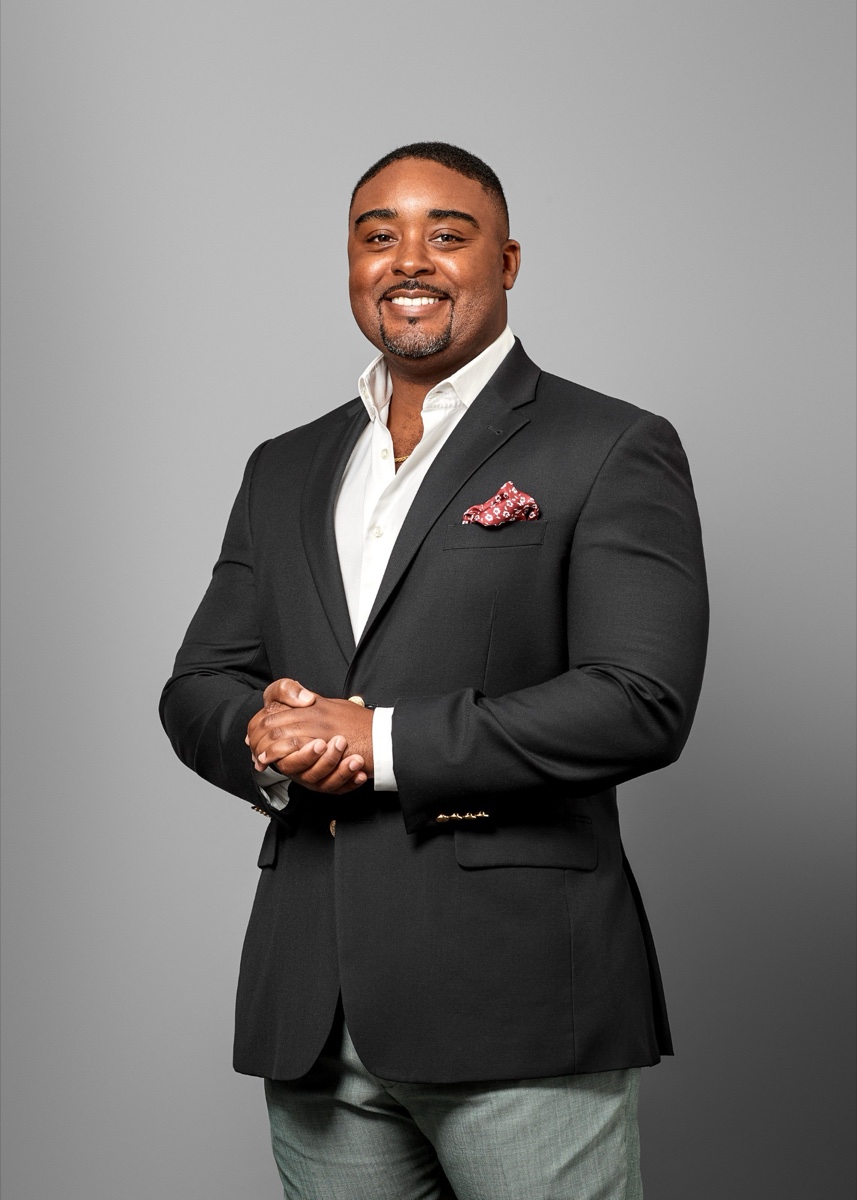
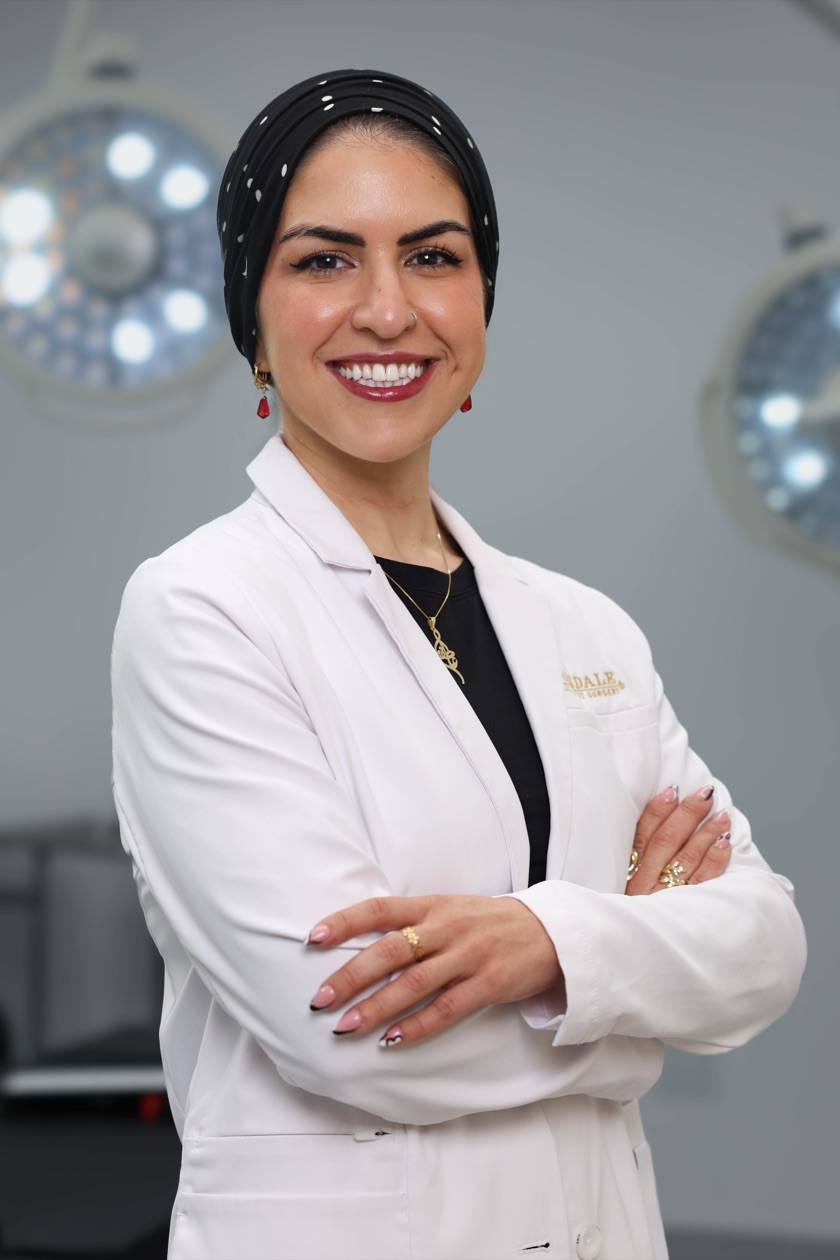
This procedure is performed by Dr. Truesdale or his hand-picked associate Dr. Sajjadi — discuss the right path on your free Surgery Discovery Call.
Schedule your fat transfer consultation
A private, unhurried conversation with Dr. Truesdale personally — never a coordinator. Share your goals, review the plan, and begin the journey to a fully restored face. We respond same-day, Monday-Friday.
Book a Surgical Discovery Call online
After clicking the booking link, select “new patient” under Schedule Your Appointment and fill out the form to see our current availability for a Surgical Discovery Call with a Patient Care Coordinator and book immediately. Call us (424) 363-4112 for additional appointment times and information.All times are based on Los Angeles, Pacific Time (PT).
Book Discovery Call →Prefer to share details first? Submit the form and a Patient Care Coordinator will reach out the same business day (Monday–Friday).