
“Rhinoplasty is the one procedure in facial plastic surgery where your artistic instincts are tested as much as your surgical technique. The anatomy is complex, the changes are permanent, and the result must be flawless from every angle. I study the relationship between the nose and every surrounding feature before designing a plan — and I do not operate if I cannot achieve a result that will look completely natural.”
What rhinoplasty can do for you
Rhinoplasty refines the nose while preserving identity and ethnic character. Dr. Truesdale's technique balances the nose with the rest of the face from every angle — front, profile, and three-quarter — producing a result that looks like it was always yours.
- A nose that disappears into the face — proportions balance with eyes, lips, and chin so people see you first, never the nose.
- Beautiful from every angle — front, profile, and three-quarter all photograph as one harmonious whole, not three different views.
- Refined, not changed — your ethnic character and what makes your face yours is preserved; only the disharmony is corrected.
- Breathing that finally works — when functional issues are present, septum and turbinate corrections are addressed in the same operation — often for the first time in the patient’s life.
- No more compensating — no more angling for the “good side” in photos, hiding behind contour, or thinking about your nose at all.

Rhinoplasty before & afters
Real rhinoplasty patients of Dr. Truesdale. Each result is a customized plan designed to balance the nose with the rest of the face — and preserve what makes it yours.


Ready to discuss your rhinoplasty goals?
Understanding the rhinoplasty
What the rhinoplasty is
Rhinoplasty refines the nose while preserving your identity and ethnic character. The goal is a nose that balances harmoniously with the rest of your face from every angle — and looks like it was always yours.
Who the rhinoplasty is for
If any of the following describes you, the rhinoplasty may be worth exploring:
What makes Dr. Truesdale’s approach different
Dr. Truesdale’s approach to every procedure reflects a consistent set of principles — the same standards that inform every consultation, every surgical plan, and every post-operative follow-up.
Restraint, Not Over-Correction
The most over-done procedures in facial aesthetics are over-done because someone kept going past the right stopping point. Dr. Truesdale's rule: when the result is right, stop — even if more could technically be done. For the nose, that means refining what’s there — never reducing it past the point where it still looks like yours.
The Artist's Eye
Before becoming a surgeon, Dr. Truesdale was a trained portrait artist. That lens shapes every decision — proportion, light, shadow, the relationship between every feature — in a way purely clinical training alone does not. For rhinoplasty this is everything: a single millimeter changes whether a nose belongs on a face or sits on top of it.
Personal, Start to Finish
Every consultation, every surgical plan, every procedure — performed personally by Dr. Truesdale. No delegation to coordinators, PAs, or residents. Dr. Truesdale is personally involved every step of the way. Every rhinoplasty incision and graft is placed by Dr. Truesdale. The surgeon you met is the surgeon who operates.
Natural Is Non-Negotiable
The only acceptable outcome is one that no one can identify as a procedure — a result that reads as a better version of you. No pulled look, no frozen expression, no obvious work. The rhinoplasty goal: people say your face looks balanced — without ever knowing why.
How Dr. Truesdale plans and performs rhinoplasty
Analysis first, structure over reduction, identity preserved — open vs. closed, grafting, ethnic and revision rhinoplasty, in the surgeon’s own words.
Why choose Dr. Truesdale for your rhinoplasty
Rhinoplasty is the most technically demanding operation in facial plastic surgery, and a single millimeter separates a result that disappears into the face from one that announces itself. Here is what distinguishes Dr. Truesdale.
“A good rhinoplasty is one no one notices — they only notice that the face looks right.”
— Dr. Carl Truesdale, MD
Rhinoplasty before & afters
Real rhinoplasty patients of Dr. Truesdale. Every nose is designed in relation to the specific face it will sit on — no single technique fits every patient.


Your transformation starts with a conversation.
From first consultation to final reveal
We always tell our patients to ‘trust the process.’ You are in good hands on every step of the journey to your unique masterpiece.
Consultation & Imaging
Formal facial analysis with Dr. Truesdale — skin thickness, cartilage framework, septal position, and full facial proportions. Digital imaging shows your projected nose before you commit.
Surgical Planning
Specific structural changes documented — graft needs, open vs. closed technique, and any functional work (septoplasty, turbinate reduction). Medical clearance and pre-op review.
Procedure Day
Performed personally by Dr. Truesdale at our AAAHC-accredited surgical center under MAC (Monitored Anesthesia Care) with IV sedation — gentle, deep sedation comparable to a colonoscopy, administered and monitored throughout by a hand-selected, board-certified anesthesiologist. Open or closed approach depending on anatomy. External cast and possibly internal splints placed. During the cast week, avoid excessive talking, smiling, chewing, or bending; mild blood-tinged drainage is normal for 1–2 days.
Cast & Sutures Out
External cast and sutures removed at Day 5. Cleared to fly once the cast is off. Most bruising and external swelling resolves by Day 10–14. Avoid resting glasses on the nasal bridge for the first 6 weeks after surgery. After cast removal: nasal saline spray, 2 sprays per nostril 5–6 times daily; toner/astringent twice daily for 2 weeks. Do not blow your nose until the cast is removed — if you must sneeze, do so with your mouth open.
Initial Shape
External shape becoming visible. Most of the swelling has resolved by Month 3. The tip remains slightly swollen and continues to refine.
Look and Feel Like a Masterpiece
Tip swelling resolves progressively over 3–12 months. The fully refined shape is visible by 12–18 months. Your follow-ups along the way are conducted by Dr. Truesdale and our physician assistant.
Individual timelines vary. Dr. Truesdale sets realistic, patient-specific expectations during your consultation — not exaggerated claims.
See if a Rhinoplasty is right for you.
See the work in motion
Dr. Truesdale on technique, philosophy, and patient stories — from his self-produced Beyond the Surface docuseries and his educational content library.

Rhinoplasty in Beverly Hills: the essentials
- Your surgeon
- Dr. Truesdale personally, or his associate Dr. Sajjadi. You choose your surgeon on the free Discovery Call.
- Where
- True Surgical Center, the AAAHC-accredited surgical center at 150 S. Rodeo Drive, Suite 220, Beverly Hills.
- Anesthesia
- MAC (monitored anesthesia care) with IV sedation, given and watched throughout by a board-certified anesthesiologist.
- Time in surgery
- About 2 to 4 hours.
- Approach
- Open or closed, chosen by your anatomy and the changes your plan needs.
- Cast
- An external cast for the first days. Dr. Truesdale removes the cast and sutures on Day 5.
- If you travel
- Plan on about a week. You can fly once the cast is off. A Day 5 that falls on a weekend moves to Monday.
- Glasses
- Nothing resting on the bridge of the nose for the first 6 weeks after surgery.
- Exercise
- Light cardio at 2 weeks; heavier exercise at about 3 weeks, once Dr. Truesdale clears you.
- Final result
- The tip keeps refining for 12 to 18 months.
The facts patients ask about first. Dr. Truesdale confirms each of these for your own plan at consultation. Recovery, week by week
How a rhinoplasty is planned and performed
-
01Analysis before anything else
At consultation Dr. Truesdale studies your skin thickness, cartilage framework, septum and whole-face proportions, then shows you a digital simulation of the planned change. If a natural result is not possible, he will tell you and recommend not operating.
-
02Open or closed
A closed rhinoplasty works through incisions inside the nose, with no outside scar. An open rhinoplasty adds a few-millimeter incision across the columella when the tip or framework needs direct access, as in most revisions.
-
03Structure, not just reduction
Rather than only removing cartilage, Dr. Truesdale reshapes and supports the framework, using your own cartilage wherever it needs strength, so the nose keeps its shape and breathes well over time. When a revision needs more cartilage than the septum can give, it may come from behind the ear or from donor rib cartilage, and a thin layer of tissue (fascia) is sometimes taken from the temple.
-
04Breathing, in the same operation
A deviated septum, enlarged turbinates or a narrow internal valve are corrected at the same time, so the nose that looks right also works right.
-
05Finishing
An external cast goes on, sometimes with soft splints inside the nose, and gauze under the nostrils. You go back to your hotel or home the same day with an adult who stays with you.
The Truesdale Rhinoplasty Approach → · Open vs. closed rhinoplasty · Revision rhinoplasty · Ethnic rhinoplasty
Rhinoplasty recovery, week by week
This is the same protocol our patients receive in writing before surgery; the detailed instructions below come straight from it.
The cast stays on and dry. Swelling and bruising sit mostly around the eyes and cheeks. Sleep with your head raised, don’t blow your nose, and sneeze with your mouth open. No straws for two weeks. The cast and sutures come off on Day 5, and saline spray starts.
Most bruising and outside swelling fade by Days 10 to 14. Light cardio from Day 14.
Heavier exercise at about 3 weeks, once Dr. Truesdale clears you. Still nothing resting on the bridge of your nose until 6 weeks after surgery. SPF 50 and limited sun for 6 weeks.
The nose can feel stiff and stuffy for several months, and the tip keeps refining for 12 to 18 months. Follow-ups at 1 week and 1, 3 and 6 months with Dr. Truesdale; a 1-year visit if you would like one.
Your detailed instructions
External cast on the nose, gauze taped under the nostrils. Do not disturb the cast and keep it dry. Sleep on your back with head elevated on 2–3 pillows. Mild blood-tinged drainage is normal for 1–2 days — change the gauze only when saturated. Ice the eye/cheek area 20 minutes on, 20 minutes off for 5 days to a week. A humidifier near the bed helps if you breathe through your mouth. Avoid salt and dairy in the first day. Use steroid and antibiotic if directed. No straws for two weeks after surgery — the suction pulls on healing tissue.
You may shower right away, but keep your cast dry. Use cool to lukewarm water; no hot water, steam, saunas or baths.
Lubricate nostrils and incisions with Aquaphor on a cotton-tipped applicator.
Cast and sutures removed at your follow-up. Saline spray after cast removal — two sprays per nostril, five to six times daily, after your cast is removed. If a nosebleed persists, use Afrin on a small piece of cotton. After cast removal, clean the external nasal skin with toner or astringent twice daily for the first 2 weeks to avoid breakouts.
Plan on about a week. Dr. Truesdale removes your cast and sutures on Day 5, and you are cleared to fly once the cast is off. A Day 5 that falls on a weekend moves to Monday.
Avoid excessive talking, smiling, chewing, or bending over to prevent bleeding and swelling. Avoid extreme physical activity, athletic activities, and intercourse. No heavy cardio, straining, or bending for 3 weeks. Do not blow your nose until cast removed; if you must sneeze, do so with your mouth open.
Do not wear regular glasses or sunglasses that rest on the bridge of your nose for the first 6 weeks after surgery.
If a nosebleed occurs, sit upright, gently squeeze the nostrils, and place a small piece of cotton saturated with Afrin nose drops in the bleeding nostril. Call the office if bleeding persists.
Avoid sun exposure for 6 weeks; daily SPF 50. Avoid hot baths, steam showers, and saunas.
Healing is a process. The nose may be swollen, stiff, and stuffy for several months. Complete healing may take up to 18 months. Schedule a 12-month follow-up.
Full post-operative care guide · Preparing for surgery · Traveling for surgery · Rhinoplasty recovery (article)
Rhinoplasty risks, and how we keep you safe
Every operation carries risk. Dr. Truesdale goes through the risks that apply to your plan at your consultation, and each one is written in the consent you read and sign. For rhinoplasty, the consent lists:
- Shape and Revision. Asymmetry or irregularity of the nasal shape is possible, and a revision is more often needed after nasal surgery than after most facial surgery.
- Breathing. A change in breathing through the nose, better or worse, is possible; a blocked nose may be temporary or permanent.
- Nosebleeds. A small amount of blood-tinged drainage is expected; heavier nosebleeds are possible and may need packing or other treatment.
- Prolonged Swelling. Swelling, especially of the tip, may last a year or more.
- Numbness. Numbness of the nasal tip is possible; it may be temporary or permanent.
- Septal Perforation. A hole in the wall between the nostrils (septal perforation) is possible and can cause dryness, crusting, nosebleeds or a whistling sound; it may need repair.
- Hemosiderin Staining. Hemosiderin staining is possible: bruising can leave a brown or yellow-brown discoloration, such as dark circles under the eyes, that may last months or be permanent, and may need a lightening cream or laser treatment.
- Skin Problems. Dryness, dimpling, redness, pimples, small visible blood vessels or a reaction to the tape is possible.
- Sense of Smell. A change in the sense of smell is possible.
- Firmness and Thick Skin. The tip may become permanently firmer, and thick skin may limit the definition achieved.
- Runny Nose and Tearing. A runny nose, or tearing and eye irritation from swelling near the tear duct, is possible.
- Inflammation of the Bone. Inflammation along the bones that were reshaped (periostitis) is possible.
- Loss of Nasal Skin. Loss of skin over part of the nose (skin necrosis) is possible if its blood supply is compromised, and may need further procedures.
- Spinal Fluid Leak. A leak of the fluid around the brain (cerebrospinal fluid) is possible; clear fluid draining from the nose means call us right away.
- Graft from the Ear. Your surgeon may take cartilage from behind or inside your ear (auricular cartilage) to support or shape your nose. Benefit: your own flexible tissue, with the scar hidden behind the ear. Risks: soreness, bruising or a collection of blood at the ear, a small change in the shape of the ear, and a scar behind the ear.
- Graft from Donor Rib. Your surgeon may use rib cartilage from a screened tissue donor (cadaveric rib) when more or stronger cartilage is needed. Benefit: plenty of strong cartilage without a second surgical site on your body. Risks: the graft may bend (warp) or be partly absorbed over time, infection is possible, and passing an infection from donor tissue cannot be ruled out completely.
- Graft from the Temple. Your surgeon may take a thin layer of tissue (temporalis fascia) through a small incision in the scalp above the ear to smooth or cushion the bridge of the nose. Benefit: your own soft tissue, with the scar hidden in the hair. Risks: a scar, numbness, swelling or a collection of blood at the temple, and hair loss along the incision, which may be temporary or permanent.
- Visible Grafts. Grafts that can be seen or felt under the skin are possible.
- Septal Hematoma. A collection of blood in the wall between the nostrils (septal hematoma) is possible and needs to be drained.
- Toxic Shock Syndrome. Toxic shock syndrome, a serious infection, is possible when nasal packing or splints are used; fever, a rash, dizziness or vomiting means call us right away.
- Numb Front Teeth. Numbness of the upper front teeth is possible; it may be temporary or permanent.
- Upper Lip and Smile. Stiffness of the upper lip or a change in the smile is possible while healing.
Risks of any operation
- Bleeding. Bleeding during or after surgery is possible. A collection of blood under the skin (hematoma) may need drainage or a return to the operating room, and severe bleeding may need emergency treatment or a blood transfusion.
- Infection. Infection is possible and may need antibiotics, drainage or further surgery.
- Bruising and Swelling. Bruising and swelling are expected. They may last several weeks, and swelling or discoloration may persist longer.
- Scarring. Every incision or entry point leaves a permanent scar. A scar may be raised, widened, darker, lighter or more visible than expected, and takes at least 3 months to mature.
- Keloid or Raised Scar. Itching, thickening, pain or a growth along any incision can be the first sign of a keloid (a thick, raised scar). Let us know right away so it can be injected with a steroid to stop the keloid from forming. A keloid is more likely if you have had one before and may need further injections or treatment.
- Change in Skin Sensation. Numbness, tingling or a change in skin sensation around the treated areas is possible; it may be temporary or permanent.
- Delayed Healing. Delayed healing or separation of an incision is possible and much more likely with nicotine in any form.
- Allergic Reactions. Allergic reactions to tape, sutures, skin cleansers, latex or medications are possible.
- Blood Clots. Blood clots in the legs or lungs (deep vein thrombosis or pulmonary embolism) are possible and more likely with longer surgery; your surgical team uses the clot-prevention plan chosen for you.
- Anesthesia. Risks of anesthesia and sedation are possible; the anesthesia provider reviews them with you separately.
- Pain. Pain after surgery is expected and should settle over several days; pain that lasts longer is possible.
- Result and Revision. A result that does not meet your expectations is possible: healing differs between people, no result is guaranteed, and a revision may be advised, with the fees described in your patient policy.
- Serious Complications. Serious complications, including death, are possible with any surgery or anesthesia.
- Heart and Lung Problems. Heart or lung problems, such as pneumonia or an irregular heartbeat, are possible after surgery and anesthesia.
- Medication Side Effects. Side effects of the medications used during and after surgery, such as nausea, vomiting, constipation, dizziness or trouble urinating, are possible.
- Injury to Deeper Structures. Injury to deeper structures, such as nerves, blood vessels, muscles or glands, is possible.
- Persistent Sutures. A deeper stitch may work its way to the surface and need to be removed.
Dr. Truesdale waits a full year before judging whether a revision is needed, because the nose keeps changing as it heals.
When to call us right away · Before & after gallery · How to choose a facial plastic surgeon
Rhinoplasty FAQs
Bring your own questions to consultation — Dr. Truesdale personally answers every one. Below are the questions patients ask most often about rhinoplasty.
The strongest candidates have specific concerns about nasal shape, tip definition, dorsal hump, alar width, or breathing that are genuinely impacting your quality of life. Dr. Truesdale evaluates you personally in consultation and only recommends the procedure when it will genuinely help. If a different approach would serve you better, he’ll tell you that too.
The honest answer: most noses can be improved, but not every concern is worth operating on. Dr. Truesdale uses digital imaging during consultation to show you realistically what surgery can and cannot achieve for your specific anatomy. If the result wouldn’t produce a meaningful change, he’ll tell you that — and recommend not proceeding.
Most patients describe the discomfort as mild to moderate. Dr. Truesdale’s team is available throughout recovery — you are not managing discomfort on your own. See “What kind of anesthesia is used?” for details on intra-operative comfort. Dr. Truesdale’s team is available throughout recovery — you are not managing discomfort on your own.
Our surgical procedures utilize a patient-focused anesthesia technique known as MAC (Monitored Anesthesia Care) and IV Sedation, ensuring your maximum comfort and safety. This method provides a level of gentle, deep sedation comparable to the comfortable experience many patients have during a colonoscopy, which we have found helps make patients less fearful. The anesthesia is administered intravenously and meticulously monitored by a hand-picked group of board-certified anesthesiologists, who are dedicated to your well-being throughout your entire procedure.
Plan on 10–14 days of social downtime. Expect a splint worn for the first week; the largest bruising subsides by day 10–14. Light cardio resumes at 2 weeks; most patients are cleared for strenuous exercise at about three weeks, at a follow-up visit. Your follow-up appointments along the way are conducted by Dr. Truesdale and our physician assistant, with Dr. Truesdale seeing you personally at the key milestones.
That’s the entire standard Dr. Truesdale designs for. A rhinoplasty should look like the nose you were always meant to have — not a different nose. Every patient is evaluated in a seated, relaxed state beforehand so the target is based on your real anatomy — never on an idealized template.
Permanent. A well-performed rhinoplasty is a permanent change. The nose ages at the same rate as the surrounding face — never reverting.
Yes. A significant portion of Dr. Truesdale’s patients travel from across the United States and internationally. The process begins with a virtual consultation with Dr. Truesdale himself (not a coordinator), followed by in-person pre-procedure evaluation. Our patient-care coordinators help arrange travel, accommodations, and local transportation, and Dr. Truesdale’s team conducts virtual follow-ups after you return home.
Request a consultation through the form at the bottom of this page, email contact@doctortruesdale.com, or call (424) 363-4112. Our team responds within one business day to schedule either an in-person consultation at 150 S. Rodeo Drive, Suite 360, Beverly Hills, or a virtual consultation worldwide. Every consultation is conducted personally by Dr. Truesdale.
Rhinoplasty can be performed once the nose is fully developed — typically around age 16 for young women and 17–18 for young men. There is no upper age limit; Dr. Truesdale regularly operates on patients in their 40s, 50s, and 60s seeking refinement or functional improvement. The best time is when you’re emotionally ready and your goals are clear.
The cost of rhinoplasty can vary based on the patient’s situation, including if it is a revision surgery and if this surgery will be combined with other surgeries or treatments. The total cost may include the surgeon’s fee, operating room fees, and anesthesia fees. At Truesdale Facial Plastic Surgery, we believe the surgeon’s philosophy and experience, and your comfort with him, are just as important as the final cost of the surgery. We can provide an approximate range for this procedure over the phone, and your patient care coordinator (PCC) will confirm the pricing for you after your consultation with Dr. Truesdale.
At True Surgical Center, the AAAHC-accredited surgical center Dr. Truesdale owns at 150 S. Rodeo Drive, Suite 220, Beverly Hills. Anesthesia is MAC with IV sedation, given and monitored by a board-certified anesthesiologist.
Both. A closed rhinoplasty works through incisions inside the nose and leaves no outside scar; an open rhinoplasty adds a few-millimeter incision across the columella when the tip or framework needs direct access, as in most revisions. The choice is made during planning, by your anatomy. Open vs. closed rhinoplasty →
Yes, including noses other surgeons have called unfixable. A revision is planned as a reconstruction: structure is restored with the patient’s own cartilage first, and refinement comes second. Revisions are almost always open, and the tip can take 12 to 18 months to finish refining. Revision rhinoplasty →
Yes. A deviated septum (septoplasty), enlarged turbinates (turbinate reduction) or a narrow internal valve are corrected in the same operation, so the nose that looks right also breathes right. A recent break is set with a nasal fracture reduction. When a breathing problem is documented, that part may be partly covered by insurance.
Yes. The plan is built around your own skin thickness, cartilage strength and facial proportions, and the goal is a nose that balances your face while still looking like yours, never a standardized nose. Ethnic rhinoplasty →
Plan on about a week. Dr. Truesdale removes your cast and sutures on Day 5, and you can fly once the cast is off. A Day 5 that falls on a weekend moves to Monday. Traveling for surgery →
Nothing should rest on the bridge of your nose for the first 6 weeks after surgery. Contact lenses are fine.
We stand behind every result.
Cosmetic surgery has inherent variability. Dr. Truesdale’s commitment to you is the same one he makes to every patient: technical excellence, candid communication, and a hands-on relationship through your full first year of healing — and beyond if needed.
If a revision is medically warranted within the first 12 months following surgery, Dr. Truesdale may waive his surgeon’s fee for that revision — evaluated case-by-case at your one-year follow-up.
Facial tissue continues to mature and settle for a full year. What looks suboptimal at Month 3 or 6 frequently resolves on its own. Operating prematurely on tissue that hasn’t reached its final state risks compounding the problem rather than solving it.
Read the full policy →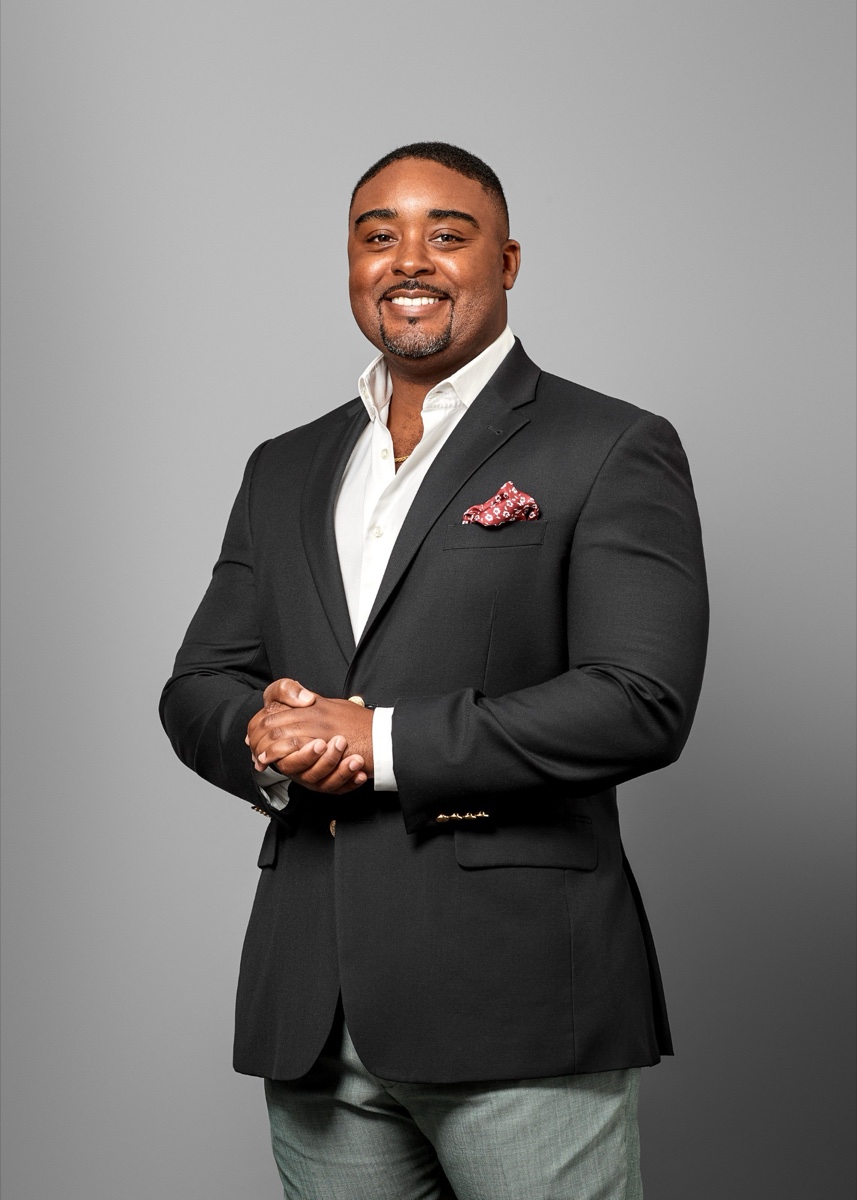
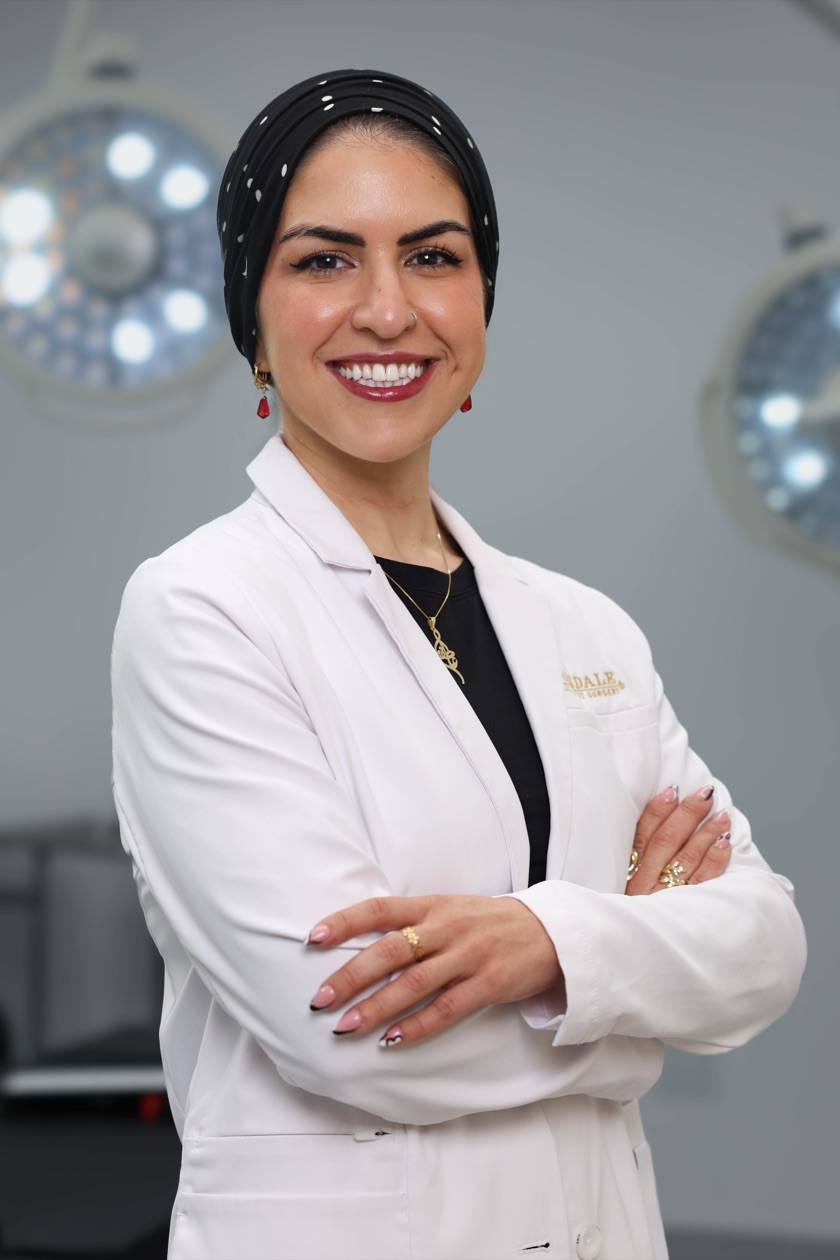
This procedure is performed by Dr. Truesdale or his hand-picked associate Dr. Sajjadi — discuss the right path on your free Surgery Discovery Call.
Schedule your rhinoplasty consultation
A conversation with Dr. Truesdale is the first step toward a result that harmonizes perfectly with your face — from every angle. We respond same-day, Monday-Friday.
Book a Surgical Discovery Call online
After clicking the booking link, select “new patient” under Schedule Your Appointment and fill out the form to see our current availability for a Surgical Discovery Call with a Patient Care Coordinator and book immediately. Call us (424) 363-4112 for additional appointment times and information.All times are based on Los Angeles, Pacific Time (PT).
Book Discovery Call →Prefer to share details first? Submit the form and a Patient Care Coordinator will reach out the same business day (Monday–Friday).