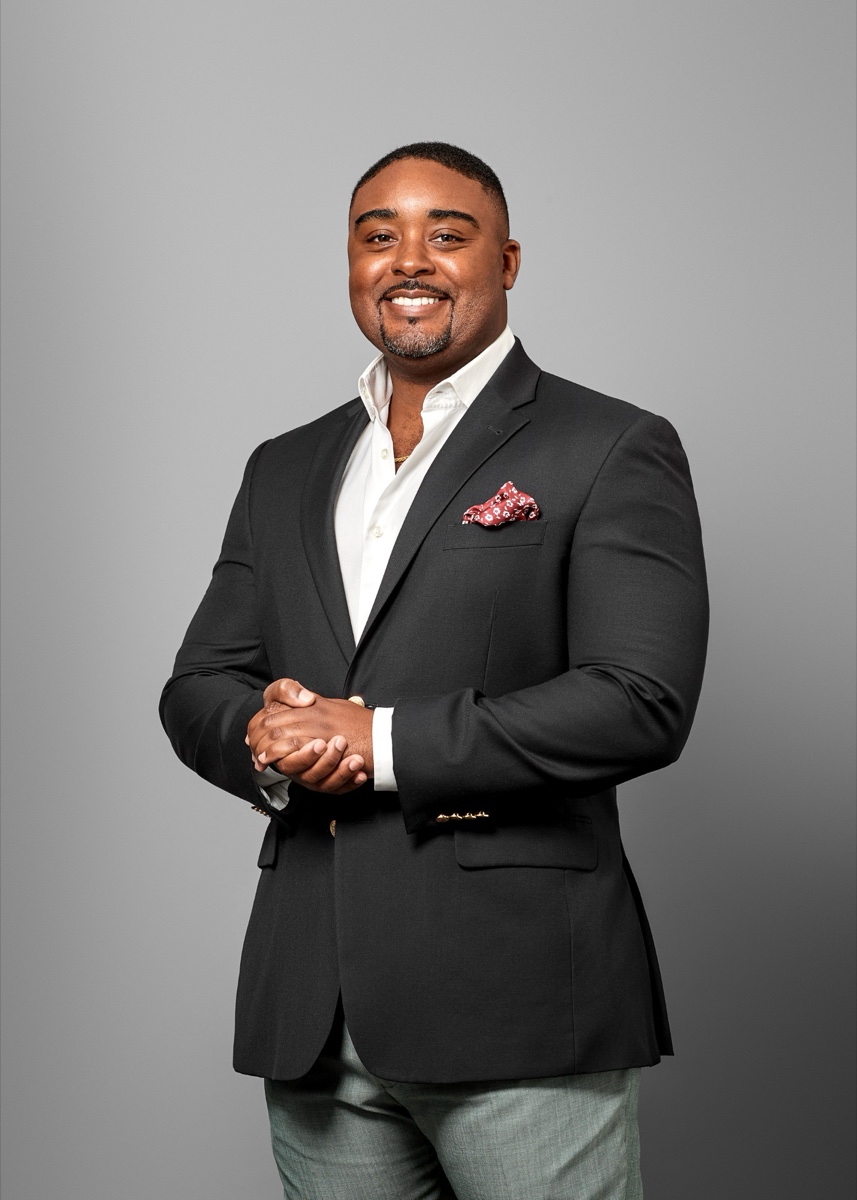
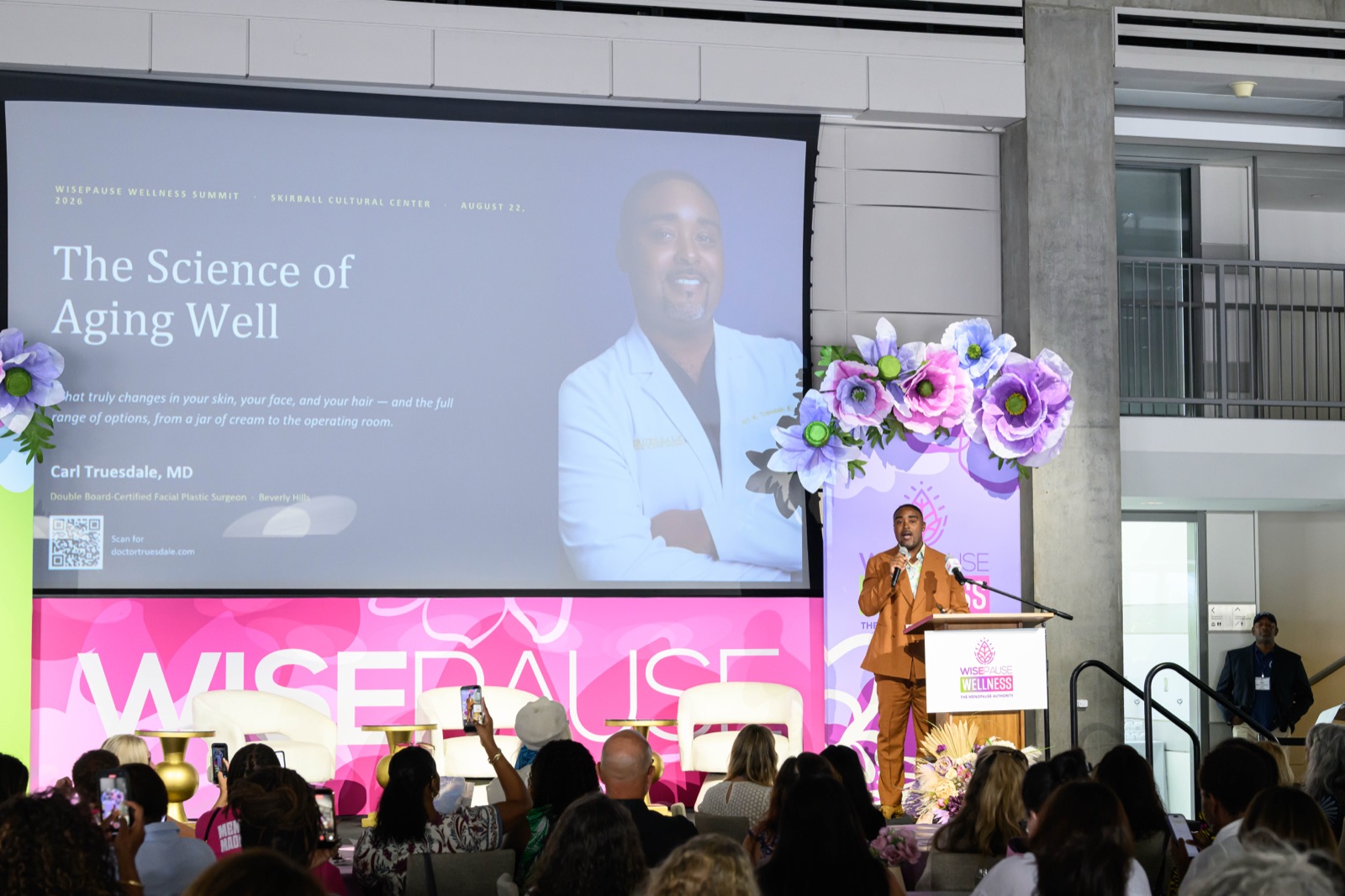
Carl Truesdale, MD · Double Board-Certified Facial Plastic Surgeon · Beverly Hills

The face is a canvas.
Dr. Truesdale is
the artist.

Every incision placed with intention. Every result refined until it looks like nature — not surgery. With double board certified facial plastic surgeon Dr. Carl Truesdale, every face is a masterpiece.

2× Board Certified
ABFPRS & ABOHNS
Ivy League Trained
UPenn · Michigan · AAFPRS Fellowship
Scroll
Trusted Worldwide
★★★★★ · 480+ Google Reviews
Ivy League Educated
University of Pennsylvania
Ultra Specialized in the Face
Residency and Fellowship Trained
Double Board Certified
ENT-Head and Neck Surgery · Facial Plastic Surgery
Founder of Artisa Skincare
Medical Grade · All Skintones
Owner of True Surgical Center
Accredited by the AAAHC
Award Winning
Daytime Beauty Awards
Castle Connolly Top Doctor

“Thanks to Dr. Truesdale,
I finally feel like myself”

You deserve a doctor with surgical precision and an artist’s eye. Dr. Truesdale is a double board-certified facial plastic surgeon with arguably the most diverse patient population in the world. He is the creator of the Beyond the Surface surgical docuseries, designed to show the most transparent and real patient stories available to the public. He has built a community of 1.3+ million followers on social media platforms.

Drawing on his background as a trained portrait artist, Dr. Truesdale approaches The Masterpiece Surgery the way an artist approaches a canvas — considering every element of the face in relation to the whole. The result is not a series of individual corrections, but a unified, natural rejuvenation that looks like you, only remarkably refreshed. The Masterpiece Surgery™ leaves patients appearing 20 years younger, without appearing like they had “work done.”

Patient Stories · @doctor.truesdale

The Results Speak for Themselves

Follow on Instagram →
4.9 ★★★★★
480+ Google Reviews
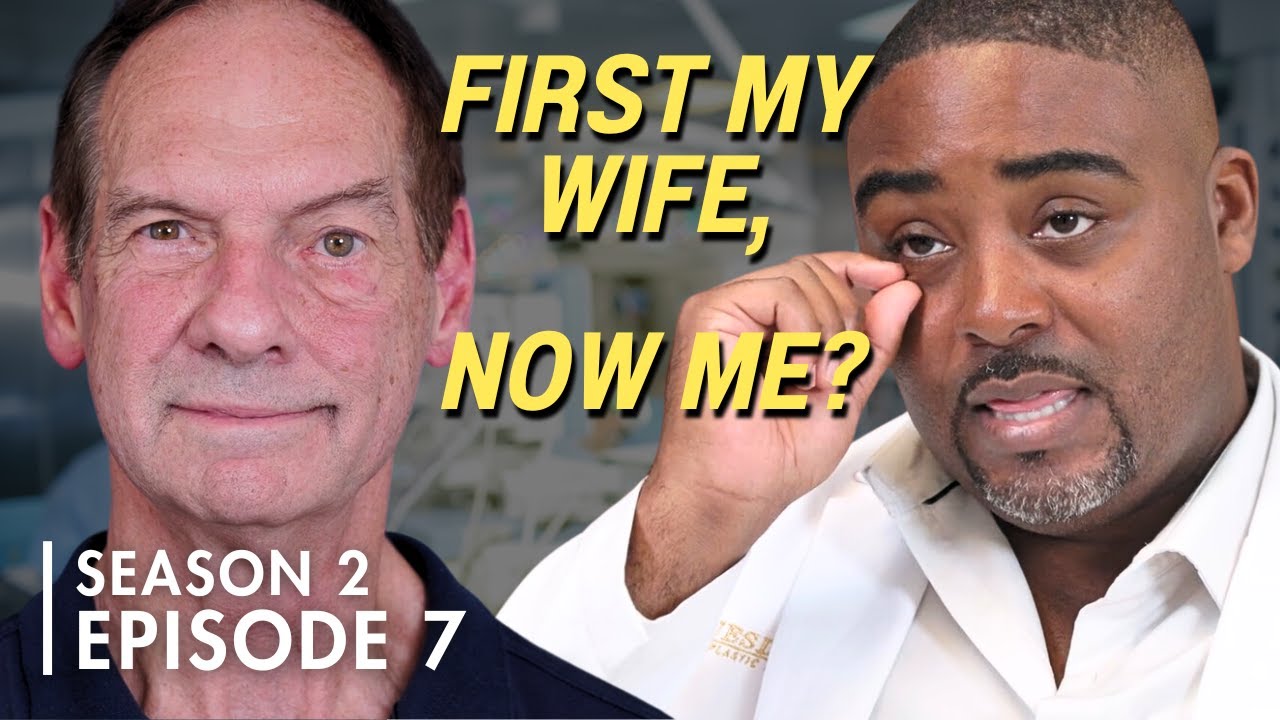
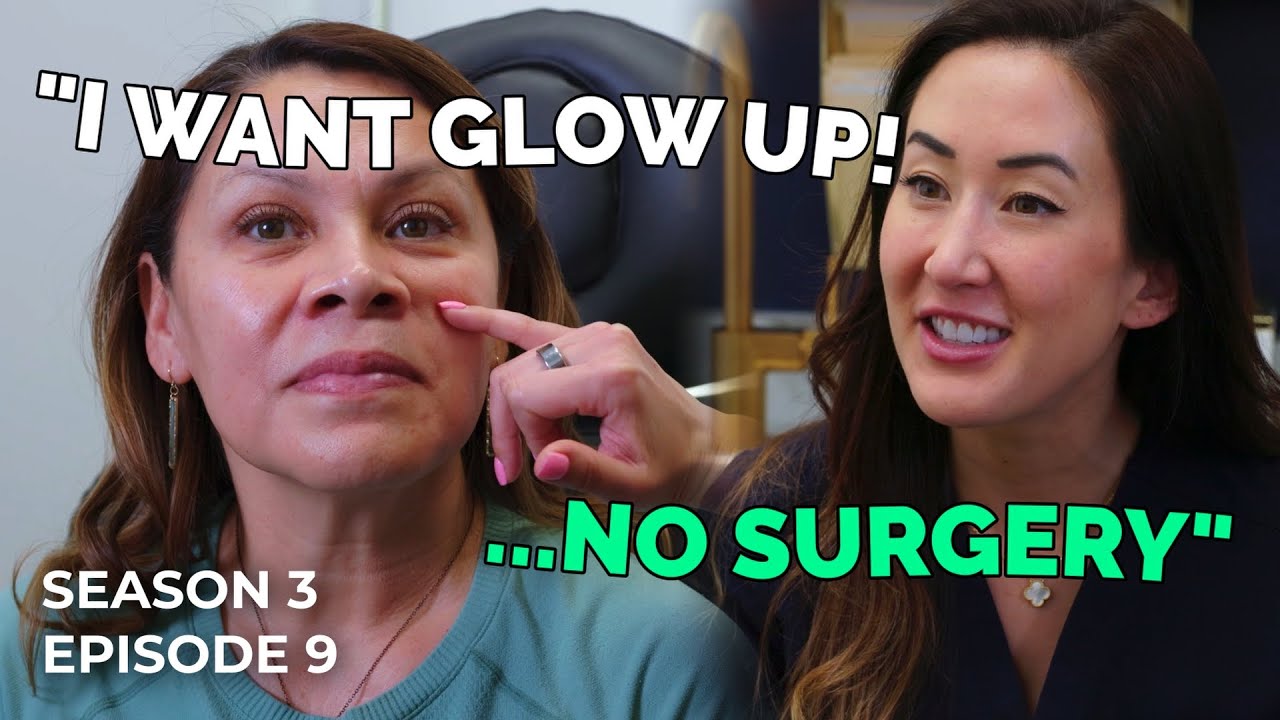
Beyond the Surface — Dr. Truesdale's surgical docuseries
YouTube
1.3M+ Followers
A Surgical Docuseries

Beyond the
Surface.

Watch a real Masterpiece Surgery patient experience The Masterpiece Surgery™, Dr. Truesdale’s signature full facial rejuvenation — from consultation through final reveal.

Unprecedented surgical transparency. No scripts. Real patients. Real outcomes.

Watch on YouTube →
Meet Dr. Truesdale

Ivy League trained.
Beverly Hills refined.

Transforming lives worldwide.

Double Board Certified
ABFPRS — American Board of Facial Plastic and Reconstructive Surgery, Board Certified ABOHNS — American Board of Otolaryngology-Head and Neck Surgery, Board Certified

Dr. Carl Truesdale is a double board-certified facial plastic surgeon whose practice is rooted in one discipline: faces that look natural, rested, and unmistakably themselves. Trained as a portrait artist and pianist, he approaches every procedure as a composition in proportion, harmony, and detail. He brings world-class surgical training to his practice in Beverly Hills, California — having attended the Ivy League University of Pennsylvania medical school, followed by a five-year ENT Head and Neck Surgery residency at the top-ranked University of Michigan, and a highly competitive facial plastic surgery fellowship in Beverly Hills. He is the creator of the Beyond the Surface surgical docuseries and has built a community of 1.3+ million followers across social media platforms. He is the Owner and Operator of True Surgical Center on Rodeo Drive in Beverly Hills, a fully accredited operating room where he performs his signature surgeries. He is also the Founder and CEO of Artisa Skincare, a medical grade skincare line developed for all skin tones.

Perelman School of Medicine, University of Pennsylvania University of Michigan AAFPRS — American Academy of Facial Plastic and Reconstructive Surgery Castle Connolly Top Black Doctors 2026
Dr. Truesdale has been featured in
People Magazine (5×) · Daily Mail (4×) · New York Post (2×) · CNN · Allure · Town & Country · Inside Edition · Glamour · Essence · Newsweek · Fox News · Well + Good · 30+ Outlets
Dr. Truesdale’s Signature Procedures

One standard.
No exceptions.

Featured patient before and after - The Masterpiece Surgery™ · before and after composite
Signature
Comprehensive
The
Masterpiece
Surgery
Featured patient before and after - Rhinoplasty · before and after composite
Nose
Rhinoplasty
Featured patient before and after - Blepharoplasty · before and after composite
Eyes
Blepharoplasty
Featured patient Claudia Padilla before and after - Face and Neck Lift · before and after composite
Face and Neck
Deep Plane Facelift
& Neck Lift
Featured patient before and after - Fat Transfer · before and after composite
Volume
Fat Transfer
Featured patient before and after - Brow Lift · before and after composite
Forehead
Brow Lift
Featured patient Maria Carlsson before and after - Lip Lift · before and after composite
Lips
Lip Lift
Out-of-Town Patients

Serving patients from around the world
in Beverly Hills, California.

Bespoke facial plastic surgery.

Patients come from across the United States and around the world to experience Dr. Truesdale’s life-changing facial plastic surgery results. Start your journey with a virtual consultation with Dr. Truesdale. Our patient care coordinators will then guide you through travel accommodations and the recovery process. There is no more beautiful place than Beverly Hills to prepare for your treatment and recover in style.

22+
States
19+
Countries
Virtual
Consultations Available
Concierge
Travel Support
Personal Consultation

Your consultation. Your surgeon. It’s Your Time.

A private, unhurried conversation with Dr. Truesdale himself — your anatomy, your goals, your questions answered.

Fill out the form to the right, or instantly book a Surgical Discovery Call with a Patient Care Coordinator.
Every consultation conducted personally by Dr. Truesdale — never a coordinator.
In-person at 150 S. Rodeo Drive or virtual worldwide — both $500, credited to your procedure.
Response same-day, Monday-Friday — or call, text, or WhatsApp (424) 363-4112.

Request a Consultation

All fields are required.

Response typically the same-day, Monday-Friday during our business hours. For urgent inquiries, please call (424) 363-4112.

For your privacy, please don’t include detailed medical history here. We’ll collect that through the appropriate channels after we connect with you.

A Note from Dr. Truesdale

“The face you see in the mirror affects everything — how you walk into a room, how you speak in a meeting, how you feel in a photograph with the people you love. I have watched patients leave my consultation room more hopeful than they have felt in years, simply because someone finally listened, and showed them what was possible. Take the first step. Your face is worth it.”

— Dr. Carl Truesdale, MD · Beverly Hills, California
In the Operating Room

Surgical precision.
Every single time.

Physician-Formulated Skincare

Skincare born
in the operating room.

After years of observing the skin from underneath — in the operating room — Dr. Truesdale created Artisa Skincare. Validated by a 12-week clinical study: 94% firmer skin at 60 days, 89% fine line reduction at 90 days, 97% of melanin-rich participants with zero PIH increase, and 97% would recommend.

Masterpiece Collection
$199 · subscription price every 60 days
Complete Anti-Aging System
Brightening Collection
$199 · subscription price every 60 days
Targeted Brightening System
Shop Now →
Artisa Medical Grade Skincare — Radiance Cleanser, Renewal Repair Cream, Brightening Boost, Age Reversal Cream, and Antioxidant Defense Serum
94%
Firmer · 60 Days
97%
Recommend
89%
Fine Lines · 90 Days
91%
Brighter · 30 Days

Stay in Touch

Seasonal specials, new procedure announcements, and exclusive behind-the-scenes content from the practice of Dr. Carl Truesdale.

About · Beverly Hills

Meet Dr. Truesdale

Double board-certified facial plastic surgeon. Ivy League trained. Beverly Hills refined. Creator of Beyond the Surface and founder of Artisa Skincare. Portrait artist and pianist, bringing an artist’s eye to facial plastic surgery.

Dr. Carl Truesdale, MD — Beverly Hills facial plastic surgeon
Dr. Carl Truesdale, MD
Double Board-Certified · Beverly Hills, CA
Trusted Worldwide
★★★★★ · 480+ Google Reviews
Ivy League Educated
University of Pennsylvania
Ultra Specialized in the Face
Residency and Fellowship Trained
Double Board Certified
ENT-Head and Neck Surgery · Facial Plastic Surgery
Founder of Artisa Skincare
Medical Grade · All Skintones
Owner of True Surgical Center
Accredited by the AAAHC
Award Winning
Daytime Beauty Awards
Castle Connolly Top Doctor
A Note from Dr. Truesdale

“I think of every face as a portrait — and every surgery as an act of restoration, not reinvention. My goal is not to make you look younger. It is to make you look like yourself again: at your most luminous, most natural, most alive.”

— Dr. Carl Truesdale, MD · Beverly Hills, California
Featured Video

Meet Dr. Truesdale

Biography

An Ivy League education.
An artist’s lens.

Dr. Carl M. Truesdale is a fellowship-trained, double Board Certified facial plastic and reconstructive surgeon — and the only African-American specialized in facial plastic surgery in Beverly Hills, California.

Undergraduate
Morehouse
College
Biology & Spanish
Medical School
University of
Pennsylvania
Perelman · Ivy League
Residency
University of
Michigan
ENT-Head & Neck Surgery
Fellowship
AAFPRS
Beverly Hills
Facial Plastic Surgery

Committed to medicine since the age of ten, he double-majored in Biology and Spanish at Morehouse College before earning his Doctor of Medicine at the University of Pennsylvania. Dr. Truesdale then completed five years of specialized training in Otolaryngology — Head and Neck Surgery at the top-ranked University of Michigan. His training culminated in a highly coveted fellowship in Beverly Hills, making him one of fewer than 50 facial plastic surgeons to earn the distinction that year.

“The son of a scientist and an artist.”
A surgeon’s composition

Patients travel near and far for Dr. Truesdale’s artistic eye and meticulous precision. He combines his experience as a portrait artist with an advanced knowledge of facial anatomy and world-class training to deliver truly remarkable results — a unified perspective that treats every face as a composition in proportion, harmony, and detail.

Follow
Behind the surgery, in real time.
@doctor.truesdale →
The Standard

What to look for in a plastic surgeon — and what Dr. Truesdale delivers

When evaluating any facial plastic surgeon, these are the questions that matter. Here is how Dr. Truesdale measures against each standard.

What to Look For
×Industry Average
Dr. Truesdale’s Standard
Board Certification
Verifiable by independent bodies
One board certification is the standard minimum
Double Board Certified
ABFPRS (Facial Plastic & Reconstructive Surgery) · ABOHNS (Otolaryngology-Head & Neck Surgery)
Medical Training
Institution and rigor matter
Varies widely — often regional programs
Ivy League medical education
Perelman School of Medicine, The University of Pennsylvania → University of Michigan ENT → AAFPRS Beverly Hills Fellowship
Surgeon Relationship
Your surgeon should design your surgical plan personally
Coordinators, PAs, or residents may run consultations
Every consultation. Every surgery.
Performed personally by Dr. Truesdale. Never delegated. Never shared.
Artistic Eye
Surgery is art and science
Clinical training in anatomy; aesthetic judgment varies
Trained portrait artist
Facial proportion, harmony, and balance inform every surgical plan.
Transparency
See real examples from a diverse patient population
Limited before-and-afters; minimal real documentation
1.3M+ followers see the work in real time
Radical transparency through the Beyond the Surface docuseries on YouTube.
Surgical Facility
Safety and accreditation
Office-based or unaccredited settings are common
AAAHC-accredited operating room
True Surgical Center on Rodeo Drive — same safety standards as a hospital outpatient suite.
Anesthesia
Type used — safety profile matters
General anesthesia is routinely used — higher risk profile
IV sedation with local — not general
Safer profile, faster recovery, less nausea. Hand-selected board-certified anesthesia team.
Recognition
Industry and peer acknowledgment
Self-reported accolades or pay-to-play rankings
Daytime Beauty Award recipient
Featured in CNN, People, Allure, Harper’s Bazaar, and Newsweek. Creator of Beyond the Surface.
Financing Accessibility
Multiple options for your surgical investment
One or two financing options, if any
Multiple financing options
Third-party financing through reputable institutions. 0% APR options for qualified applicants. Learn more
International Patients
Global accessibility and support
Limited support for out-of-country patients
Dedicated international program
WhatsApp concierge at (424) 363-4112. Virtual consultations available worldwide.

Education & Board Certifications

Dr. Truesdale has a surgical foundation built on the most rigorous training programs in the field — and maintained through the highest standards of board certification.

Morehouse College
Undergraduate
Morehouse College
BA/BS Biology & Spanish
Summa Cum Laude
Perelman School of Medicine at the University of Pennsylvania
Medical Education
Perelman School of Medicine
University of Pennsylvania
Doctor of Medicine
University of Michigan
Residency Training
University of Michigan
Department of Head & Neck Surgery
Residency
AAFPRS — American Academy of Facial Plastic and Reconstructive Surgery
Fellowship
AAFPRS
American Academy of Facial Plastic Surgery Fellowship in Beverly Hills
Fellowship Trained
ABFPRS — American Board of Facial Plastic and Reconstructive Surgery, Board Certified
Board Certification
ABFPRS
American Board of Facial Plastic & Reconstructive Surgery
Board Certified 2023–2033
ABOHNS — American Board of Otolaryngology-Head and Neck Surgery, Board Certified
Board Certification
ABOHNS
American Board of Otolaryngology — Head & Neck Surgery
Board Certified 2021–2031

Recognition & Distinctions

Recognized by national media and independent physician-rating bodies for clinical excellence and leadership in facial plastic surgery.

USA Today
2022
Ten Doctors to Follow in 2022
Castle Connolly Top Black Doctors 2026
2023–2026
Top Black Doctor
Castle Connolly Top Doctors
2023–2024
Rising Star
Daytime Beauty Awards
2025
Outstanding Achievement in Medicine

Request a Consultation

An unhurried conversation with Dr. Truesdale himself — your anatomy, your goals, your questions answered.

“From the moment I walked in, I felt welcomed. The front desk team was professional and efficient, and I was pleasantly surprised by how quickly I was seen. Dr. Truesdale greeted me with warmth and professionalism — his keen eye for detail and confidence in his expertise made the consultation insightful and engaging. My patient care coordinator was caring and attentive throughout. Overall, my consultation was smooth, informative, and reassuring.”

Verified Google Review · Consultation Experience

Request a Consultation

All fields are required.

Response typically the same-day, Monday-Friday during our business hours. For urgent inquiries, please call (424) 363-4112.

For your privacy, please don’t include detailed medical history here. We’ll collect that through the appropriate channels after we connect with you.

Office Hours
Monday9:00 AM – 6:00 PM
Tuesday9:00 AM – 6:00 PM
Wednesday9:00 AM – 6:00 PM
Thursday9:00 AM – 6:00 PM
Friday9:00 AM – 6:00 PM
Saturday – SundayClosed
Connect With Dr. Truesdale
Instagram YouTube Watch the Series
All Procedures · Beverly Hills

Every procedure.
One standard.

Dr. Truesdale performs every procedure personally — surgical and non-surgical — from his practice at 150 S. Rodeo Drive, Suite 360, Beverly Hills, CA 90212. The standard is constant: results so natural, no one will ever know.

(424) 363-4112
Dr. Carl Truesdale, MD — Beverly Hills Facial Plastic Surgeon
Dr. Carl Truesdale, MD
Double Board-Certified · Beverly Hills, CA
Surgical

Face & Neck

The procedures that produce the most transformative, longest-lasting results in facial rejuvenation. Each requires deep anatomical knowledge, surgical precision, and an artist's eye for natural proportion.

Neck

Deep Neck Lift

Comprehensive neck rejuvenation targeting all nine anatomical layers — the only treatment that addresses the neck's structural root causes.

Learn More
Face & Neck

Deep Plane Facelift

The most anatomically complete facelift available — releasing the face at its retaining ligaments for results lasting 10–15 years that look completely undetectable.

Learn More
Face & Neck

Facelift & Neck Lift

The gold standard in lower facial rejuvenation — eliminating jowling, restoring the jawline, and reshaping the neck with results lasting 8–12 years.

Learn More
Volume

Facial Fat Transfer

Restore the volume lost to aging using your own biological fat — for permanent results that look and feel completely natural.

Learn More
Nose

Rhinoplasty

The most technically demanding procedure in facial plastic surgery — natural results from every angle, by a surgeon who has dedicated his career to perfecting it.

Learn More
Surgical

Eyes & Brows

The eyes are where aging reveals itself most early — and where surgery achieves the most dramatic improvement with the least recovery time.

Eyes

Upper Blepharoplasty

Remove excess upper eyelid skin through a hidden crease incision — restoring an open, alert, refreshed appearance. 7–10 day recovery.

Learn More
Eyes

Lower Blepharoplasty

Permanently eliminate under-eye bags through a transconjunctival incision hidden entirely inside the lid. Zero external scarring.

Learn More
Brow

Endoscopic Brow Lift

Elevate a descended brow to its youthful position — opening the upper eyes and restoring the alert, refreshed appearance that brow descent conceals.

Learn More
Surgical

Facial Contouring

Procedures that refine, define, and balance the facial structure — addressing the proportional relationships that determine how the face reads from every angle.

Jawline

Chin Augmentation

Define the jawline, balance the profile, and anchor the lower face — with a permanent implant through a nearly invisible submental incision.

Learn More
Lips

Lip Lift

Shorten the upper lip, increase visible vermillion, and restore youthful curvature — permanently — with an incision hidden within the nasal base.

Learn More
Cheeks

Buccal Fat Removal

Refine lower cheek fullness and enhance midface definition — through an intraoral incision with zero external scarring. 30-minute outpatient procedure.

Learn More
Ears

Otoplasty

Correct prominent or protruding ears permanently — repositioning them closer to the head through incisions hidden behind the ear. Adults and children 5+.

Learn More
Non-Surgical

Injectable & Energy Treatments

Non-surgical treatments performed by our expert nurse injector team — our expert team — under Dr. Truesdale's medical direction. Enhancement, never alteration.

Injectables

Botox & Neurotoxins

Soften dynamic lines, reduce muscle hyperactivity, and maintain a naturally rested appearance — never frozen, never overdone.

Learn More
Injectables

Dermal Fillers

Hyaluronic acid fillers placed with precision to restore volume, define contours, and soften lines — for results that enhance rather than obscure.

Learn More
Skin

Chemical Peels

Medical-grade chemical exfoliation — superficial through deep phenol — tailored to your skin type, concern, and recovery tolerance.

Learn More
Revision

Scar Revision & Reconstruction

Advanced surgical scar revision — Z-plasty, W-plasty, local flaps, skin grafts, and laser resurfacing — tailored to each scar's unique anatomy and the patient's goals.

Learn More

“Not sure which procedure is right for you? Every consultation is conducted personally by Dr. Truesdale — never a coordinator or PA.”

Meet the Team

The people behind your care

The Truesdale Facial Plastic Surgery team — Dr. Carl Truesdale with Shauna (PA-C), Rachael (RN), and Cleo

The Truesdale Facial Plastic Surgery Team

CT
Surgeon & Founder

Dr. Carl Truesdale, MD

Double board-certified facial plastic surgeon. Fellowship-trained at The University of Pennsylvania. Residency at the University of Michigan. Creator of Beyond the Surface and founder of Artisa Skincare.

SM
Physician Assistant

Shauna Mehrabanian, PA-C

Assists Dr. Truesdale in surgery and provides expert post-operative care and medical support.

KG
Practice Manager / Patient Care Coordinator

Krystal Goden

Practice Manager and lead PCC. Your dedicated point of contact from first inquiry through your one-year follow-up.

RR
OR Nursing Director — True Surgical Center

Rachael Rainey, R.N.

OR Nursing Director at True Surgical Center (Suite 220, 150 S. Rodeo Drive). Leads the surgical nursing team.

CA
Scrub Tech, C.S.T.

Cynthia Anguiano, C.S.T.

Certified Surgical Technologist. Present throughout every procedure, assisting Dr. Truesdale with precision instrument handling and sterile technique.

CL
Surgical Scheduler / Coordinator

Cleo Almendarez

Perioperative Care Specialist. Assists with all pre-op instructions, medical clearances, medications, and surgical paperwork.

MC
Patient Care Coordinator

Maria Carlsson

Manages surgical consultations and scheduling. Guides patients through the pre-operative process with warmth and precision.

Dr. Carl Truesdale scrubbing in before surgery at True Surgical Center
Our Facility

True Surgical Center

AAAHC-accredited ambulatory surgery center. Suite 220, 150 S. Rodeo Drive, Beverly Hills, CA 90212.

Board-certified anesthesiologists personally selected by Dr. Truesdale. The highest standard of safety, privacy, and comfort — all under one roof. Dr. Truesdale maintains the same surgical discipline in preparation as he does in execution: scrubbing in personally for every procedure.

Deep Plane Facelift & Neck Lift · Beverly Hills

Deep Plane Facelift
& Neck Lift

When the face in the mirror finally matches the person you still are.

Dr. Truesdale performs the deep plane facelift exclusively — the technique behind the natural, decade-long results you’ve seen on his social media and wondered if they were real. They are. For the patient ready to invest in the best version of themselves, this is the solution to turning back the hands of time ten, twenty, or even thirty years.

(424) 363-4112
Dr. Carl Truesdale, MD performing facelift surgery
Dr. Carl Truesdale, MD
Facelift as part of The Masterpiece Surgery™
A Note from Dr. Truesdale

“The facelift is not a procedure of skin-tightening. It is about restructuring the foundation of the lower face and neck — the skin lies passively over the reworked muscle layers. Think of your skin as the tablecloth, and the layers underneath as the table. If the shape of the table is changed, the tablecloth lies perfectly, without tension — and that is when results look truly natural.”

— Dr. Carl Truesdale, MD · Beverly Hills, California
The Outcome

What the deep plane facelift and neck lift can do for you

Dr. Truesdale performs the deep plane facelift and a deep neck lift together as one operation — because the face and the neck age as one structure, and correcting one without the other always shows. The result is a lifted jawline, a sharp neck angle, and a completely rested face that holds for 10–15 years.

  • A jawline, not jowls — the softening along the lower face is lifted cleanly back to where it used to sit.
  • A sharp neck, included — every deep plane facelift at this practice includes a deep neck lift, because the neck is half of a lower-face result.
  • Softened mid-face lines — the deep creases around the mouth and nasolabial folds quiet as the tissue is repositioned.
  • Lasts ten to fifteen years, not one season — because the foundation is repaired, the result holds long after any filler, laser, or skin-only lift would have faded.
  • Never reads as “done” — no pulled look, no wind-swept temples. Patients hear “you look rested,” not “what did you have done.”
Featured Patient Transformation

“I feel like myself again — just more confident. And the best part: no one can tell what I had done.”

Watch Dr. Truesdale’s surgical docuseries Beyond the Surface for full patient journeys.

Facelift featured patient — Deep Plane Face & Neck Lift, Upper Blepharoplasty before and after · before and after composite
Procedures
Deep Plane Face & Neck Lift · Upper Blepharoplasty

Ready to discuss your facelift goals?

Procedure Overview

Understanding the deep plane facelift & neck lift

01 · The Procedure

What the deep plane facelift and neck lift is

The deep plane facelift is the most advanced facelift technique in facial plastic surgery. Instead of simply tightening the skin, Dr. Truesdale works beneath the skin to release the ligaments that hold your face in its aged position — allowing the entire facial foundation (muscle, fat, and deeper tissue) to be repositioned upward as one unit. The skin then lies passively over that restored foundation, which is why the result looks natural, never pulled, and holds for 10–15 years.

Every deep plane facelift Dr. Truesdale performs includes a deep neck lift. The face and the neck age as one structure, and correcting one without the other always shows. Addressing both in a single operation is what produces the clean jawline, the sharp neck angle, and the completely harmonious lower-face result that has become his signature.

What makes the deep plane different
Standard SMAS Facelift
  • Repositions SMAS layer only
  • Ligaments remain tethered
  • Results: 5–8 years typical
  • Limited midface correction
Deep Plane Facelift
  • Releases retaining ligaments
  • Entire facial mass mobilized
  • Results: 10–15+ years typical
  • Full midface and jowl correction

Dr. Truesdale’s preferred facelift is a preservation extended deep plane facelift and neck lift with a high SMAS entry point — the most anatomically complete facelift available, and is also able to lift the mid-face.

02 · Ideal Candidates

Who the deep plane facelift & neck lift is for

If any of the following describes you, the deep plane facelift & neck lift may be worth exploring:

Are in good physical and mental health with no untreated conditions
Are a non-smoker — or committed to 6+ weeks of nicotine cessation before surgery
Are bothered by jowling, neck laxity, nasolabial folds, or loss of jawline definition
Have sufficient skin elasticity for proper tissue repositioning
Maintain a stable weight — significant fluctuations affect longevity of results
Have realistic expectations and understand the 6–12 month timeline to final results
Are generally in the 40–70 age range, though earlier and later intervention is evaluated individually
03 · The Approach

Dr. Truesdale’s facelift and neck lift approach

Dr. Truesdale’s approach to the deep plane facelift and neck lift reflects a consistent set of principles — the same standards that inform every consultation, every surgical plan, and every post-operative follow-up.

01

Restraint, Not Over-Correction

The most over-done procedures in facial aesthetics are over-done because someone kept going past the right stopping point. Dr. Truesdale's rule: when the result is right, stop — even if more could technically be done. For the facelift, that means stopping at a natural lift — never the windswept tightness of an over-pulled face.

02

The Artist's Eye

Before becoming a surgeon, Dr. Truesdale was a trained portrait artist. That lens shapes every decision — proportion, light, shadow, the relationship between every feature — in a way purely clinical training alone does not. For facelift specifically, this shapes the read between cheek, jaw, and neck — so the result holds together from every angle, not just head-on.

03

Personal, Start to Finish

Every consultation, every surgical plan, every procedure — performed personally by Dr. Truesdale. No delegation to coordinators, PAs, or residents. Dr. Truesdale is personally involved every step of the way. Every facelift is performed by Dr. Truesdale himself — no resident dissection, no shared OR time.

04

Natural Is Non-Negotiable

The only acceptable outcome is one that no one can identify as a procedure — a result that reads as a better version of you. No pulled look, no frozen expression, no obvious work. The deep plane facelift goal: friends say you look rested, never that you look “done.”

04 · The Difference

Why choose Dr. Truesdale for your facelift

The facelift is one of the most technically demanding operations in facial plastic surgery. The right surgeon makes the difference between a result that looks natural for a decade and one that looks pulled, windswept, or operated within months. Here is what distinguishes Dr. Truesdale.

Double board-certified facial plastic surgeon — ABFPRS and ABOHNS — with Ivy League training at the University of Pennsylvania and head & neck surgery residency at the University of Michigan.
Performs the deep plane facelift exclusively. Dr. Truesdale does not perform skin-only or SMAS-only lifts — he performs the most anatomically complete facelift available, with results that last 10–15 years.
Trained portrait artist. Dr. Truesdale studies the face the way an artist does — understanding proportion, shadow, light, and the relationships between every feature. This shapes every surgical decision.
Personally performs every surgery at his AAAHC-accredited True Surgical Center on Rodeo Drive. No delegation. No handoffs. Every consultation, every operation, every follow-up — conducted personally.
Most procedures performed under IV sedation with local anesthesia — not general anesthesia. A safer profile, faster recovery, and less postoperative nausea — delivered by a hand-selected board-certified anesthesia team.
Most diverse facelift practice in the world. Dr. Truesdale operates on patients of every ethnicity, age, and skin tone — with the technical and aesthetic understanding to deliver natural results across all populations.
Radical surgical transparency. 1.3M+ social media followers see Dr. Truesdale’s work in real time. The Beyond the Surface docu-series follows real patients through real surgery, real recovery, and real results.
05 · Other Types of Facelifts

Other types of facelifts

Beyond the deep plane facelift, there are other techniques designed for specific patient profiles. Dr. Truesdale offers each of these for the right candidate — but each has limitations worth understanding before you decide which is right for you.

The endoscopic facelift

An endoscopic facelift uses small, hidden incisions and a tiny camera to lift and reposition facial tissues without the longer incisions of a traditional or deep plane facelift. It targets the upper-to-mid face — brow, temples, and cheek — through ports rather than open access.

Best for: younger patients with early midface descent, mild cheek flattening, or temple/brow heaviness — where the goal is repositioning rather than ligament release and the lower face and neck do not need to be addressed.

Important Limitations
  • Does not address the neck — jowling, platysmal banding, or cervicomental angle issues require a full deep plane facelift and neck lift.
  • Does not release the retaining ligaments the way a deep plane facelift does, so it cannot reposition tissue as completely or hold results as long.
  • Results are subtler and shorter-lived — typically 5–7 years, compared to 10–15 years with a deep plane facelift.
  • Not a substitute for a deep plane lift in patients with significant skin laxity, jowling, or lower-face descent.

The mini facelift

A mini facelift (sometimes marketed as an “S-lift,” “weekend lift,” or “short-scar facelift”) uses shorter incisions placed only around the front of the ear to tighten the lower face — the jawline, lower cheek, and early jowling — without entering the deeper tissue planes or addressing the neck.

Best for: younger patients with early jowling and mild jawline laxity, where the neck and midface are still well-positioned and the goal is a small refinement rather than full rejuvenation.

Important Limitations
  • Does not address the neck. Platysmal banding, deep fat, or true neck laxity cannot be corrected through a mini-facelift incision.
  • Does not release the retaining ligaments. The result relies on tightening superficial tissue rather than repositioning the deeper structural foundation.
  • Results last roughly 3–5 years — meaningfully shorter than a deep plane facelift’s 10–15 years — and the lift can loosen visibly within the first 1–2 years if the underlying anatomy was actually a deep-plane candidate.
  • Frequently underperforms expectations in patients with moderate-to-significant aging, because the technique cannot reach the structures driving the visible aging in the first place.

Dr. Truesdale will tell you honestly which technique fits your anatomy and goals. If a deep plane facelift is what you actually need, he will say so — even if you came in expecting a smaller procedure.

“The deep plane facelift is the foundation of transformational results — it is core to why my patients look as good on the outside as they feel on the inside.”

— Dr. Carl Truesdale, MD

Facelift and Neck Lift before & afters

Real facelift and neck lift patients of Dr. Truesdale. Each result reflects a customized surgical plan designed for that individual’s anatomy, skin quality, and aesthetic goals.

Deep Plane Facelift, Neck Lift & Fat Transfer before and after · before and after composite
Deep Plane Facelift & Neck Lift + Fat Transfer
Facelift + Neck Lift + Fat Transfer before and after · before and after composite
Facelift + Neck Lift + Fat Transfer
Facelift + Neck Lift + CO2 Laser before and after · frontal view
Facelift + Neck Lift + CO2 Laser
Facelift + Other Procedures before and after · frontal view
Facelift + Other Procedures
Deep Plane Facelift + Neck Lift + Fat Transfer + Upper Blepharoplasty before and after, frontal view
Facelift + Neck Lift + Fat Transfer + Upper Bleph
Face and Neck Lift + Blepharoplasty + CO2 Laser before and after · before and after composite
Face & Neck Lift + Bleph + CO2 Laser

Your transformation starts with a conversation.

Testimonials & Patient Stories

Our Patients Say It Best

★★★★★
“Dr. Truesdale and his team exceeded every expectation. From the consultation to follow-up, every detail felt thoughtful and personal — and the results look entirely natural.”
Jennifer R.
Verified Google Review
★★★★★
“Dr. Truesdale, I like to call you Picasso. I had my facelift in June and I look at least 20 years younger. The best decision you will ever make.”
Sandy Reif
Verified Google Review
★★★★★
“Four weeks post-op and already I am looking fabulous. I am absolutely stunned every time I walk past a mirror.”
Cindy Carrington
Verified Google Review
Your Journey

From first consultation to final reveal

We always tell our patients to ‘trust the process.’ You are in good hands on every step of the journey to your unique masterpiece.

01
Phase

Consultation

Virtual or In-Person

Personal session with Dr. Truesdale — facial analysis, honest assessment of candidacy, and a clear plan for what the procedure can and cannot achieve.

02
Prepare

Planning

2–6 Weeks

Medical clearance, pre-operative instructions, and a personalized plan Dr. Truesdale reviews with you before the day of the procedure.

03
Procedure

Procedure Day

3–5 Hours

Performed personally by Dr. Truesdale at our AAAHC-accredited True Surgical Center under MAC (Monitored Anesthesia Care) with IV sedation — gentle, deep sedation comparable to a colonoscopy, administered and monitored throughout by a hand-selected, board-certified anesthesiologist. Duration depends on whether neck lift, fat transfer, or other procedures are combined.

04
First Week

Daily Office Visits

Days 1–8

Overnight nurse stays with you. Daily follow-ups: dressing removal Day 1, hemostatic net and drains both removed Day 3 (if drains were placed). Sutures and staples out at Day 7–8. Move your head and shoulders as a unit during the first 2 weeks to avoid neck strain. Light earrings may be worn at 2 weeks if desired. Most patients socially presentable by Day 10–14.

05
Early Result

Bruising Resolves

Weeks 2–6

Bruising fades. Swelling continues to settle, especially around the jawline. Light cardio at Day 14; heavier activity at 4 weeks. Tightness and numbness are normal and improve over 2–3 months.

Final Reveal

Look and Feel Like a Masterpiece

Month 6

The full facial harmony is revealed. Friends notice you look rested, without knowing why.

Individual timelines vary. Dr. Truesdale sets realistic, patient-specific expectations during your consultation — not exaggerated claims.

See if a Facelift is right for you.

See the work in motion

Dr. Truesdale on technique, philosophy, and patient stories — from his self-produced Beyond the Surface docuseries and his educational content library.

Patient Story · Face + Neck Lift in Conjunction with Other Procedures
Watch Full Patient Journeys

Why many patients choose The Masterpiece Surgery

For patients seeking comprehensive facial rejuvenation in a single transformative session, Dr. Truesdale developed The Masterpiece Surgery — his signature approach combining deep plane facelift with multiple complementary procedures into one anesthetic event.

Rather than addressing individual concerns in isolation, The Masterpiece treats the face as a unified composition. A typical Masterpiece may combine a deep plane facelift with neck lift, blepharoplasty, fat transfer, brow lift, and skin resurfacing — all performed in a single session at True Surgical Center, with one recovery period instead of several.

The result: a complete, harmonious transformation that looks like the most refined version of you — not a series of individual corrections. Drawing on his background as a trained portrait artist, Dr. Truesdale plans every element in relation to the whole face, producing results that are dramatic yet completely natural.

Frequently Asked Questions

Deep Plane Facelift & Neck Lift FAQs

Bring your own questions to consultation — Dr. Truesdale personally answers every one. Below are the questions patients ask most often about deep plane facelift & neck lift.

A traditional facelift (often called a “skin” or “SMAS” lift) tightens the skin and the most superficial layer of tissue beneath it. It helps, but the ligaments that actually hold the face in its aged position are left untouched — which is why skin-only and SMAS lifts tend to loosen within 5–8 years and can pull the skin unnaturally in the process. The deep plane facelift goes one crucial step further: Dr. Truesdale releases those ligaments and repositions the entire facial foundation (muscle, fat, and deeper tissue) as one unit. The skin lies passively on top. The result is natural, holds for 10–15 years, and never reads as “work.” Dr. Truesdale performs the deep plane facelift exclusively.

The strongest candidates have meaningful jowling, loss of jawline definition, neck banding, and midface descent that creams and neurotoxin can’t address. Dr. Truesdale evaluates you personally in consultation and only recommends the procedure when it will genuinely help. If a different approach would serve you better, he’ll tell you that too.

If the lower face is still fairly defined and the primary concern is the neck, a deep neck lift alone may suffice. If there’s jowling, jawline loss, or midface descent as well, a combined deep-plane facelift and neck lift produces a harmonious result where a neck lift alone would leave the face visually mismatched. Dr. Truesdale evaluates both zones in consultation and recommends the minimum procedure that will actually solve the problem.

Most patients describe the discomfort as mild to moderate. Dr. Truesdale’s team is available throughout recovery — you are not managing discomfort on your own. See “What kind of anesthesia is used?” for details on intra-operative comfort.

Our surgical procedures utilize a patient-focused anesthesia technique known as MAC (Monitored Anesthesia Care) and IV Sedation, ensuring your maximum comfort and safety. This method provides a level of gentle, deep sedation comparable to the comfortable experience many patients have during a colonoscopy, which we have found helps make patients less fearful. The anesthesia is administered intravenously and meticulously monitored by a hand-picked group of board-certified anesthesiologists, who are dedicated to your well-being throughout your entire procedure.

Plan on 10–14 days of social downtime. Expect mild-to-moderate swelling and bruising that peaks at day 3–4. Most patients resume 4–6 weeks afterward. Dr. Truesdale personally conducts every follow-up appointment along the way.

That’s the entire standard Dr. Truesdale designs for. No pulled look, no windswept appearance — just a jawline that reads like the one you had 10–15 years ago. Every patient is evaluated in a seated, relaxed state beforehand so the target is based on your real anatomy — never on an idealized template.

10–15 years. Deep plane results last roughly 1.5× longer than SMAS-only facelifts because the retaining ligaments are actually released rather than just tightened over.

Yes. A significant portion of Dr. Truesdale’s patients travel from across the United States and internationally. The process begins with a virtual consultation with Dr. Truesdale himself (not a coordinator), followed by in-person pre-procedure evaluation. Our patient-care coordinators help arrange travel, accommodations, and local transportation, and Dr. Truesdale’s team conducts virtual follow-ups after you return home.

Request a consultation through the form at the bottom of this page, email contact@doctortruesdale.com, or call (424) 363-4112. Our team responds within one business day to schedule either an in-person consultation at 150 S. Rodeo Drive, Suite 360, Beverly Hills, or a virtual consultation worldwide. Every consultation is conducted personally by Dr. Truesdale.

Dr. Truesdale performs the deep plane facelift and deep neck lift together as one unified operation — the most anatomically complete facelift available. He does not perform skin-only lifts, thread lifts, or isolated mini-lifts, because those approaches produce temporary results and often require a revision that full deep plane surgery could have solved from the start. For patients whose aging involves multiple zones of the face at once (eyes, brows, volume, skin), the deep plane facelift and neck lift is typically combined into The Masterpiece Surgery™ — Dr. Truesdale’s signature comprehensive plan performed in a single session.

Most deep plane facelift patients are between 45 and 70, though Dr. Truesdale has operated on patients in their late 30s and into their 80s. The right moment isn’t a number — it’s when lifestyle changes, skincare, and non-surgical treatments no longer keep pace with what you see in the mirror. Doing the procedure before the aging is severe often produces the most elegant, undetectable result, and the most youthful-looking decade afterward.

The cost of deep plane facelift can vary based on the patient’s situation, including if it is a revision surgery and if this surgery will be combined with other surgeries or treatments. The total cost may include the surgeon’s fee, operating room fees, and anesthesia fees. At Truesdale Facial Plastic Surgery, we believe the surgeon’s philosophy and experience, and your comfort with him, are just as important as the final cost of the surgery. We can provide an approximate range for this procedure over the phone, and your patient care coordinator (PCC) will confirm the pricing for you after your consultation with Dr. Truesdale.

Our Commitment

We stand behind every result.

Cosmetic surgery has inherent variability. Dr. Truesdale’s commitment to you is the same one he makes to every patient: technical excellence, candid communication, and a hands-on relationship through your full first year of healing — and beyond if needed.

If a revision is medically warranted within the first 12 months following surgery, Dr. Truesdale may waive his surgeon’s fee for that revision — evaluated case-by-case at your one-year follow-up. Operating-room and anesthesia fees, billed directly by those providers, remain the patient’s responsibility; flexible third-party financing is available for those costs.

Why 12 Months

Facial tissue continues to mature and settle for a full year. What looks suboptimal at Month 3 or 6 frequently resolves on its own. Operating prematurely on tissue that hasn’t reached its final state risks compounding the problem rather than solving it.

Read the full policy →
Request a Consultation

Schedule your deep plane facelift consultation

An unhurried conversation with Dr. Truesdale himself — your anatomy, your goals, your questions answered. Dr. Truesdale personally conducts every consultation. We respond same-day, Monday-Friday.

Option 1 · Book Online Instantly

Book a Surgical Discovery Call online

After clicking the booking link, select “new patient” under Schedule Your Appointment and fill out the form to see our current availability for a Surgical Discovery Call with a Patient Care Coordinator and book immediately. Call us (424) 363-4112 for additional appointment times and information.

Book Discovery Call →
Option 2 · Or Fill Out the Form Below

Prefer to share details first? Submit the form and a Patient Care Coordinator will reach out the same business day (Monday–Friday).

Related Procedures

Rhinoplasty · Beverly Hills, CA

Rhinoplasty

The nose that looks like it was always meant to be yours.

Rhinoplasty is the most technically demanding operation in facial plastic surgery, and a single millimeter separates a nose that disappears into the face from one that announces itself. Dr. Truesdale has spent his career on that millimeter — designing a result that simply looks like you, from every angle, every photograph, for the rest of your life.

(424) 363-4112
Dr. Carl Truesdale, MD — rhinoplasty specialist Beverly Hills
Dr. Carl Truesdale, MD
Rhinoplasty · Beverly Hills
A Note from Dr. Truesdale

“Rhinoplasty is the one procedure in facial plastic surgery where your artistic instincts are tested as much as your surgical technique. The anatomy is complex, the changes are permanent, and the result must be flawless from every angle. I study the relationship between the nose and every surrounding feature before designing a plan — and I do not operate if I cannot achieve a result that will look completely natural.”

— Dr. Carl Truesdale, MD · Beverly Hills, California
The Outcome

What rhinoplasty can do for you

Rhinoplasty refines the nose while preserving identity and ethnic character. Dr. Truesdale's technique balances the nose with the rest of the face from every angle — front, profile, and three-quarter — producing a result that looks like it was always yours.

  • A nose that disappears into the face — proportions balance with eyes, lips, and chin so people see you first, never the nose.
  • Beautiful from every angle — front, profile, and three-quarter all photograph as one harmonious whole, not three different views.
  • Refined, not changed — your ethnic character and what makes your face yours is preserved; only the disharmony is corrected.
  • Breathing that finally works — when functional issues are present, septum and turbinate corrections are addressed in the same operation — often for the first time in the patient’s life.
  • No more compensating — no more angling for the “good side” in photos, hiding behind contour, or thinking about your nose at all.
Featured Patient Transformation

“My family says it is the nose I should have been born with.”

Watch Dr. Truesdale’s surgical docuseries Beyond the Surface for full patient journeys.

Rhinoplasty before and after — featured patient · before and after composite

Ready to discuss your rhinoplasty goals?

Procedure Overview

Understanding the rhinoplasty

01 · The Procedure

What the rhinoplasty is

Rhinoplasty refines the nose while preserving your identity and ethnic character. The goal is a nose that balances harmoniously with the rest of your face from every angle — and looks like it was always yours.

02 · Ideal Candidates

Who the rhinoplasty is for

If any of the following describes you, the rhinoplasty may be worth exploring:

Are in good overall health with no untreated medical conditions
Are a non-smoker or willing to commit to full nicotine cessation
Have a specific concern: dorsal hump, bulbous tip, asymmetry, or breathing issues
Understand that final results take 12–18 months to be fully visible
Have realistic, specific expectations — not based on another person's nose
03 · The Difference

What makes Dr. Truesdale’s approach different

Dr. Truesdale’s approach to every procedure reflects a consistent set of principles — the same standards that inform every consultation, every surgical plan, and every post-operative follow-up.

01

Restraint, Not Over-Correction

The most over-done procedures in facial aesthetics are over-done because someone kept going past the right stopping point. Dr. Truesdale's rule: when the result is right, stop — even if more could technically be done. For the nose, that means refining what’s there — never reducing it past the point where it still looks like yours.

02

The Artist's Eye

Before becoming a surgeon, Dr. Truesdale was a trained portrait artist. That lens shapes every decision — proportion, light, shadow, the relationship between every feature — in a way purely clinical training alone does not. For rhinoplasty this is everything: a single millimeter changes whether a nose belongs on a face or sits on top of it.

03

Personal, Start to Finish

Every consultation, every surgical plan, every procedure — performed personally by Dr. Truesdale. No delegation to coordinators, PAs, or residents. Dr. Truesdale is personally involved every step of the way. Every rhinoplasty incision and graft is placed by Dr. Truesdale. The surgeon you met is the surgeon who operates.

04

Natural Is Non-Negotiable

The only acceptable outcome is one that no one can identify as a procedure — a result that reads as a better version of you. No pulled look, no frozen expression, no obvious work. The rhinoplasty goal: people say your face looks balanced — without ever knowing why.

04 · The Difference

Why choose Dr. Truesdale for your rhinoplasty

Rhinoplasty is the most technically demanding operation in facial plastic surgery, and a single millimeter separates a result that disappears into the face from one that announces itself. Here is what distinguishes Dr. Truesdale.

Double board-certified facial plastic surgeon — ABFPRS and ABOHNS — with Ivy League training at the University of Pennsylvania, head & neck surgery residency at the University of Michigan, and a competitive AAFPRS facial plastic and reconstructive surgery fellowship in Beverly Hills.
Formal facial analysis & digital imaging at every consultation. Dr. Truesdale evaluates skin thickness, cartilage framework, septal position, and full facial proportions — then uses digital imaging to simulate potential outcomes, so you can see the result before committing to surgery.
Trained portrait artist. Before becoming a surgeon, Dr. Truesdale studied portrait art — the same lens for proportion, light, and shadow now informs every rhinoplasty plan he designs.
Performs every rhinoplasty personally at his AAAHC-accredited True Surgical Center on Rodeo Drive — including all incisions, cartilage shaping, and graft placement. No delegation, no handoffs.
Primary and revision rhinoplasty. Dr. Truesdale accepts complex revision cases — including patients who have been told their nose is “not fixable” elsewhere — and approaches each one as a custom reconstructive plan.
One of the most diverse rhinoplasty practices in the world. Dr. Truesdale operates on patients of every ethnicity and skin type, with the technical and aesthetic understanding to preserve identity in every result.
Radical surgical transparency. 1.3M+ social media followers see Dr. Truesdale’s work in real time, and the Beyond the Surface docuseries follows real rhinoplasty patients through real surgery, real recovery, and real results.

“A good rhinoplasty is one no one notices — they only notice that the face looks right.”

— Dr. Carl Truesdale, MD

Rhinoplasty before & afters

Real rhinoplasty patients of Dr. Truesdale. Every nose is designed in relation to the specific face it will sit on — no single technique fits every patient.

Rhinoplasty before and after — refined tip · frontal
Rhinoplasty
Rhinoplasty before and after — refined tip definition · three-quarter view
Rhinoplasty
Rhinoplasty before and after — male rhinoplasty · dorsal refinement
Rhinoplasty

Your transformation starts with a conversation.

Your Journey

From first consultation to final reveal

We always tell our patients to ‘trust the process.’ You are in good hands on every step of the journey to your unique masterpiece.

01
Phase

Consultation & Imaging

Virtual or In-Person

Formal facial analysis with Dr. Truesdale — skin thickness, cartilage framework, septal position, and full facial proportions. Digital imaging shows your projected nose before you commit.

02
Prepare

Surgical Planning

2–6 Weeks

Specific structural changes documented — graft needs, open vs. closed technique, and any functional work (septoplasty, turbinate reduction). Medical clearance and pre-op review.

03
Procedure

Procedure Day

2–4 Hours

Performed personally by Dr. Truesdale at our AAAHC-accredited surgical center under MAC (Monitored Anesthesia Care) with IV sedation — gentle, deep sedation comparable to a colonoscopy, administered and monitored throughout by a hand-selected, board-certified anesthesiologist. Open or closed approach depending on anatomy. External cast and possibly internal splints placed. During the cast week, avoid excessive talking, smiling, chewing, or bending; mild blood-tinged drainage is normal for 1–2 days.

04
First Week

Cast & Sutures Out

Day 5–6

External cast and sutures removed at Day 5–6. Cleared to fly at Day 7 once Dr. Truesdale confirms healing. Most bruising and external swelling resolves by Day 10–14. Avoid resting glasses on the nasal bridge for at least 4 weeks after cast removal. After cast removal: nasal saline spray 5–6× daily; toner/astringent twice daily for 2 weeks. Do not blow your nose until the cast is removed — if you must sneeze, do so with your mouth open.

05
Early Result

Initial Shape

Months 1–3

External shape becoming visible. ~70% of swelling resolved by Month 3. The tip remains slightly swollen and continues to refine.

Final Reveal

Look and Feel Like a Masterpiece

Month 12–18

Tip swelling resolves progressively over 3–12 months. The fully refined shape is visible by 12–18 months. Dr. Truesdale personally conducts every follow-up along the way.

Individual timelines vary. Dr. Truesdale sets realistic, patient-specific expectations during your consultation — not exaggerated claims.

See if a Rhinoplasty is right for you.

Testimonials & Patient Stories

Our Patients Say It Best

★★★★★
“I’m an African American man and chose Dr. Truesdale for my rhinoplasty because of his experience delivering natural-looking results. Almost two months post-op and very happy.”
Anthony L.
Verified Google Review
★★★★★
“Dr. Truesdale and his team exceeded every expectation. From the consultation to follow-up, every detail felt thoughtful and personal — and the results look entirely natural.”
Jennifer R.
Verified Google Review
★★★★★
“I have done extensive research to find who I would like to work with. Dr. Truesdale is the one, hands down. His artistry yields a measurable result that I want.”
LASL
Verified Google Review

See the work in motion

Dr. Truesdale on technique, philosophy, and patient stories — from his self-produced Beyond the Surface docuseries and his educational content library.

Frequently Asked Questions

Rhinoplasty FAQs

Bring your own questions to consultation — Dr. Truesdale personally answers every one. Below are the questions patients ask most often about rhinoplasty.

The strongest candidates have specific concerns about nasal shape, tip definition, dorsal hump, alar width, or breathing that are genuinely impacting your quality of life. Dr. Truesdale evaluates you personally in consultation and only recommends the procedure when it will genuinely help. If a different approach would serve you better, he’ll tell you that too.

The honest answer: most noses can be improved, but not every concern is worth operating on. Dr. Truesdale uses digital imaging during consultation to show you realistically what surgery can and cannot achieve for your specific anatomy. If the result wouldn’t produce a meaningful change, he’ll tell you that — and recommend not proceeding.

Most patients describe the discomfort as mild to moderate. Dr. Truesdale’s team is available throughout recovery — you are not managing discomfort on your own. See “What kind of anesthesia is used?” for details on intra-operative comfort. Dr. Truesdale’s team is available throughout recovery — you are not managing discomfort on your own.

Our surgical procedures utilize a patient-focused anesthesia technique known as MAC (Monitored Anesthesia Care) and IV Sedation, ensuring your maximum comfort and safety. This method provides a level of gentle, deep sedation comparable to the comfortable experience many patients have during a colonoscopy, which we have found helps make patients less fearful. The anesthesia is administered intravenously and meticulously monitored by a hand-picked group of board-certified anesthesiologists, who are dedicated to your well-being throughout your entire procedure.

Plan on 10–14 days of social downtime. Expect a splint worn for the first week; the largest bruising subsides by day 10–14. Most patients resume 4–6 weeks afterward. Dr. Truesdale personally conducts every follow-up appointment along the way.

That’s the entire standard Dr. Truesdale designs for. A rhinoplasty should look like the nose you were always meant to have — not a different nose. Every patient is evaluated in a seated, relaxed state beforehand so the target is based on your real anatomy — never on an idealized template.

Permanent. A well-performed rhinoplasty is a permanent change. The nose ages at the same rate as the surrounding face — never reverting.

Yes. A significant portion of Dr. Truesdale’s patients travel from across the United States and internationally. The process begins with a virtual consultation with Dr. Truesdale himself (not a coordinator), followed by in-person pre-procedure evaluation. Our patient-care coordinators help arrange travel, accommodations, and local transportation, and Dr. Truesdale’s team conducts virtual follow-ups after you return home.

Request a consultation through the form at the bottom of this page, email contact@doctortruesdale.com, or call (424) 363-4112. Our team responds within one business day to schedule either an in-person consultation at 150 S. Rodeo Drive, Suite 360, Beverly Hills, or a virtual consultation worldwide. Every consultation is conducted personally by Dr. Truesdale.

Rhinoplasty can be performed once the nose is fully developed — typically around age 16 for young women and 17–18 for young men. There is no upper age limit; Dr. Truesdale regularly operates on patients in their 40s, 50s, and 60s seeking refinement or functional improvement. The best time is when you’re emotionally ready and your goals are clear.

The cost of rhinoplasty can vary based on the patient’s situation, including if it is a revision surgery and if this surgery will be combined with other surgeries or treatments. The total cost may include the surgeon’s fee, operating room fees, and anesthesia fees. At Truesdale Facial Plastic Surgery, we believe the surgeon’s philosophy and experience, and your comfort with him, are just as important as the final cost of the surgery. We can provide an approximate range for this procedure over the phone, and your patient care coordinator (PCC) will confirm the pricing for you after your consultation with Dr. Truesdale.

Our Commitment

We stand behind every result.

Cosmetic surgery has inherent variability. Dr. Truesdale’s commitment to you is the same one he makes to every patient: technical excellence, candid communication, and a hands-on relationship through your full first year of healing — and beyond if needed.

If a revision is medically warranted within the first 12 months following surgery, Dr. Truesdale may waive his surgeon’s fee for that revision — evaluated case-by-case at your one-year follow-up. Operating-room and anesthesia fees, billed directly by those providers, remain the patient’s responsibility; flexible third-party financing is available for those costs.

Why 12 Months

Facial tissue continues to mature and settle for a full year. What looks suboptimal at Month 3 or 6 frequently resolves on its own. Operating prematurely on tissue that hasn’t reached its final state risks compounding the problem rather than solving it.

Read the full policy →
Request a Consultation

Schedule your rhinoplasty consultation

A conversation with Dr. Truesdale is the first step toward a result that harmonizes perfectly with your face — from every angle. We respond same-day, Monday-Friday.

Option 1 · Book Online Instantly

Book a Surgical Discovery Call online

After clicking the booking link, select “new patient” under Schedule Your Appointment and fill out the form to see our current availability for a Surgical Discovery Call with a Patient Care Coordinator and book immediately. Call us (424) 363-4112 for additional appointment times and information.

Book Discovery Call →
Option 2 · Or Fill Out the Form Below

Prefer to share details first? Submit the form and a Patient Care Coordinator will reach out the same business day (Monday–Friday).

Related Procedures

Neck Lift · Beverly Hills

The Deep Neck Lift

The defined jawline that no concealer, contour, or skincare can create.

A defined jaw-to-neck angle is one of the most impactful features associated with a youthful face — and the first one creams, lasers, and energy devices simply cannot restore. Dr. Truesdale’s deep neck lift addresses every anatomic layer at once, producing a result that holds for a decade and photographs beautifully at any angle.

(424) 363-4112
Dr. Carl Truesdale, MD — neck lift specialist Beverly Hills
Dr. Carl Truesdale, MD
Deep Neck Lift · Beverly Hills
A Note from Dr. Truesdale

“The neck is nine anatomical layers — skin, subcutaneous fat, platysma muscle, subplatysmal fat, prevertebral fascia, and more. Most ‘neck lift’ procedures address only two or three of them. A true deep neck lift addresses all nine. That is why the results look so dramatically different — and why they last. Energy devices and lasers simply cannot touch the deeper anatomical contributors to neck aging. Surgery is the only answer that works.”

— Dr. Carl Truesdale, MD · Beverly Hills, California
The Outcome

What a deep neck lift can do for you

A deep neck lift is the operation that creates a sharp, defined jawline — the clean line from jaw to neck that no laser, device, or skincare can produce. It works beneath the skin to tighten the muscle, remove the deep fat, and reset the structural angle that time, genetics, and weight changes have quietly erased.

  • A snatched jaw-to-neck angle — the defined transition that contour, concealer, and filler simply cannot create.
  • No more turkey neck — the vertical cords that show when you turn your head are tightened at their source, not just pulled on the skin above.
  • Fullness under the chin, tightened — every layer the deep fat lives in is addressed, not just the top layer liposuction can reach.
  • Lasts ten to fifteen years, not one season — because the foundation has been altered, not just tightened on the surface, the result holds for a decade or more.
  • Reads as genetics, not work — a natural profile that looks like it was always there.
Featured Patient Transformation

“My neck has never looked this good, not even when I was in my twenties. I can’t stop taking photos.”

Watch Dr. Truesdale’s surgical docuseries Beyond the Surface for full patient journeys.

Deep neck lift as part of The Masterpiece Surgery™ — featured patient
Before & After
As Part of The Masterpiece Surgery™

Ready to discuss your neck lift goals?

Procedure Overview

Understanding the deep neck lift

01 · The Procedure

What the deep neck lift is

A deep neck lift is the operation that actually gives you a sharp, defined jawline. Most “neck lifts” only tighten the skin — which is why they tend to loosen again within a few years and never quite produce that clean angle from jaw to neck. The deep neck lift is different: Dr. Truesdale works beneath the skin to tighten the deeper muscle (the platysma), remove the deep fat that no amount of dieting will reach, and, when needed, refine the small salivary gland that can create a bulge under the jaw.

The result is the structural change that creates a sharp, youthful neckline — the defined line from jaw to neck that no laser, filler, or skin-tightening device can produce. Because the work is done at the foundation, the result lasts seven to ten years or more, not a season.

02 · Ideal Candidates

Who the deep neck lift is for

If any of the following describes you, the deep neck lift may be worth exploring:

Have visible neck banding (platysma bands), skin laxity, or a “turkey wattle” appearance
Have submental or subplatysmal fat contributing to a double chin or blunted cervicomental angle
Have tried non-surgical treatments without achieving the result you want
Are in good general health, a non-smoker or committed to cessation
Understand this is commonly performed in combination with a facelift for complete lower facial rejuvenation
Maintain a stable weight — weight gain after surgery redistributes to the neck predictably
03 · The Difference

What makes Dr. Truesdale’s approach different

Dr. Truesdale’s approach to every procedure reflects a consistent set of principles — the same standards that inform every consultation, every surgical plan, and every post-operative follow-up.

01

Restraint, Not Over-Correction

The most over-done procedures in facial aesthetics are over-done because someone kept going past the right stopping point. Dr. Truesdale's rule: when the result is right, stop — even if more could technically be done. For the neck, that means stopping when the angle is right — not creating a jaw-to-neck angle so sharp it reads as overdone.

02

The Artist's Eye

Before becoming a surgeon, Dr. Truesdale was a trained portrait artist. That lens shapes every decision — proportion, light, shadow, the relationship between every feature — in a way purely clinical training alone does not. For the neck specifically, that lens guides the calibration of jaw-to-neck angle, the symmetry of platysmal repair, and the gentle taper from chin to clavicle.

03

Personal, Start to Finish

Every consultation, every surgical plan, every procedure — performed personally by Dr. Truesdale. No delegation to coordinators, PAs, or residents. Dr. Truesdale is personally involved every step of the way. Every layer of every deep neck lift — skin, platysma, deep fat, gland when needed — is handled by Dr. Truesdale himself.

04

Natural Is Non-Negotiable

The only acceptable outcome is one that no one can identify as a procedure — a result that reads as a better version of you. No pulled look, no frozen expression, no obvious work. The neck lift goal: a snatched, defined neckline that reads as genetics, not as a procedure.

“The deep neck lift is the foundation of a defined jawline — the single result patients tell me makes them look as good on the outside as they feel on the inside.”

— Dr. Carl Truesdale, MD
One More Step Toward a Sharp Jawline

The salivary gland step

After a standard neck lift, some patients still notice a small fullness beneath the jaw. It’s usually a hidden salivary gland — and when your anatomy calls for it, addressing this extra step is the difference between a good result and a truly sculpted one.

Why It Matters for You

The little-known reason some necks never look fully sculpted.

What the gland does

Small glands beneath your jaw that produce saliva — completely normal, usually invisible. In slender necks or after weight loss, they can create a visible fullness once everything else is tightened.

Why most surgeons skip it

They tighten skin and muscle, stop there, and a shadow of fullness remains. For patients who want a truly clean jaw-to-neck angle, this is the difference between a good result and a sculpted one.

Why Dr. Truesdale can

Fellowship training at the University of Michigan — one of the top programs in the world for this kind of gland surgery. That experience is what lets him include this step safely when anatomy calls for it.

Dr. Truesdale’s Approach

Safe, conservative, and natural.

Refine the outline — don’t disrupt the body.

Conservative reduction

Only the small section of gland that’s creating the bulge — nothing more. Nerves and blood vessels in the area are identified and carefully protected throughout.

Precision, not aggression

Delicate work that rewards experience. Dr. Truesdale’s head-and-neck background means every step is performed under direct vision with meticulous technique.

No change to daily life

Your other salivary glands keep working exactly as before. No dry mouth. No change in how you eat, speak, or live — just a cleaner jawline.

Deep neck lift before & afters

Real deep neck lift patients of Dr. Truesdale. Each result reflects a customized layered approach based on that patient’s specific anatomy.

Deep Neck Lift as part of The Masterpiece Surgery™ before and after · oblique view
Deep Neck Lift as Part of The Masterpiece Surgery™
Deep Neck Lift as part of The Masterpiece Surgery™ before and after · profile view
Deep Neck Lift as Part of The Masterpiece Surgery™
Deep Neck Lift before and after — sharper jaw-to-neck angle · profile view
Deep Neck Lift

Your transformation starts with a conversation.

Testimonials & Patient Stories

Our Patients Say It Best

★★★★★
“Three months post-op from my facelift, neck lift, and under-eye skin pinch. His expertise revealed the most sharpened jaw line, tight neck, and plump skin imaginable.”
Farah Leon
Verified Google Review
★★★★★
“I felt truly heard and understood. Dr. Truesdale answered all my questions with clarity, patience, and honesty, giving me full confidence to move forward with my deep plane facelift and neck lift.”
Cari Cano
Verified Google Review
★★★★★
“Dr. Carl Truesdale is a blessing to so many with his excellent and creative ability. My goal was to make my face reflect how great I felt at age 71 — and I am so pleased with my results.”
Carolyn Randolph
Verified Google Review
Your Journey

From first consultation to final reveal

We always tell our patients to ‘trust the process.’ You are in good hands on every step of the journey to your unique masterpiece.

01
Phase

Consultation

Virtual or In-Person

Personal session with Dr. Truesdale — facial analysis, honest assessment of candidacy, and a clear plan for what the procedure can and cannot achieve.

02
Prepare

Planning

2–6 Weeks

Medical clearance, pre-operative instructions, and a personalized plan Dr. Truesdale reviews with you before the day of the procedure.

03
Procedure

Procedure Day

2–3 Hours

Performed personally by Dr. Truesdale at our AAAHC-accredited surgical center under MAC (Monitored Anesthesia Care) with IV sedation — gentle, deep sedation comparable to a colonoscopy, administered and monitored throughout by a hand-selected, board-certified anesthesiologist.

04
First Week

Sutures Out

Days 1–8

Daily office visits for dressing removal Day 1, hemostatic net and drain removal Day 3 (if drains were placed). Sutures and staples out at Day 7–8. Two days after suture removal, begin silicone scar gel twice daily for one month.

05
Early Result

Jawline Emerges

Weeks 2–6

Most bruising resolved. Jaw-to-neck angle becoming visible as swelling settles. Light cardio at Day 14; full activity at 4 weeks.

Final Reveal

Look and Feel Like a Masterpiece

Month 6

A sharply redefined jaw and neck contour are fully revealed.

Individual timelines vary. Dr. Truesdale sets realistic, patient-specific expectations during your consultation — not exaggerated claims.

See if a Neck Lift is right for you.

See the work in motion

Dr. Truesdale on technique, philosophy, and patient stories — from his self-produced Beyond the Surface docuseries and his educational content library.

Watch Full Patient Journeys
Why Surgery

Can lasers and devices fix the neck?

Neck aging happens across five anatomical layers, and non-surgical devices only reach the top one. They can be a reasonable option for younger patients with minimal laxity, mild skin crepiness, or as a refinement after surgery — but once muscle banding, deep fat, or true skin and platysmal laxity have set in, only a surgical neck lift can restore the jaw-to-neck angle.

Layer
What Ages
Devices Reach?
01
Skin
Laxity, crepe, early wrinkles
Partial
02
Subcutaneous Fat
Fullness beneath chin, lost definition
Partial
03
Platysma Muscle
Visible banding, vertical cords
04
Subplatysmal Fat
Deep fullness no device can reach
05
Digastric Muscle & Salivary Gland
Residual fullness under the jaw
Radiofrequency · Ultrasound · Laser
Modest skin tightening.

Good for early-stage laxity. Cannot reposition muscle, remove deep fat, or reshape the anatomy. Aging continues underneath.

Deep Neck Lift · Dr. Truesdale
All five layers, one operation.

Skin, muscle, deep fat, digastric, and salivary gland — addressed together. Produces a sharp cervicomental angle that holds for a decade.

“Devices treat the surface. Surgery treats the cause. If your neck needs real change, the anatomy has to be addressed directly.”

— Dr. Carl Truesdale, MD
Frequently Asked Questions

Deep Neck Lift FAQs

Bring your own questions to consultation — Dr. Truesdale personally answers every one. Below are the questions patients ask most often about deep neck lift.

A traditional neck lift addresses only the surface layers — skin and, sometimes, the platysma muscle. A deep neck lift goes further, treating every anatomic layer of the neck: subplatysmal fat, digastric muscle bellies, and when needed, the submandibular salivary gland. That deeper work is what creates a truly sharp, long-lasting cervicomental angle — the defined line from jaw to neck that a standard neck lift simply can’t produce. Dr. Truesdale performs deep neck lift on nearly every neck lift patient because the deeper anatomy is what drives visible aging in the first place.

The strongest candidates have neck banding, submental fullness under the chin, and a lost cervicomental angle that are not responding to weight loss or non-surgical tightening. Dr. Truesdale evaluates you personally in consultation and only recommends the procedure when it will genuinely help. If a different approach would serve you better, he’ll tell you that too.

Submental liposuction removes fat. The deep neck lift addresses every layer underneath — subplatysmal fat, salivary gland, digastric muscle, and platysmal bands. If your neck issue is purely fat, liposuction may suffice. If you have banding, jowling, or a lost angle, liposuction alone cannot produce a sharp cervicomental angle. Dr. Truesdale examines the neck in motion (swallowing, turning) to determine which applies.

Not always — though they are commonly performed together. A standalone neck lift is appropriate for patients who are primarily concerned with the neck and submental area without significant jowling or mid-face descent. When jowls are present, combining with a facelift produces a more harmonious and complete result. Dr. Truesdale evaluates each patient individually and recommends the approach that addresses their specific anatomy.

These non-surgical options address submental fat — the fat beneath the chin — but they cannot address platysmal banding, skin laxity, or the deeper anatomical changes that create the aged neck appearance. Kybella may be appropriate for younger patients with mild submental fullness and good skin tone. For patients with platysmal banding, loose skin, or significant structural change, a surgical neck lift is the definitive solution that energy devices cannot replicate.

Most patients describe the discomfort as mild to moderate. Dr. Truesdale’s team is available throughout recovery — you are not managing discomfort on your own. See “What kind of anesthesia is used?” for details on intra-operative comfort. Dr. Truesdale’s team is available throughout recovery — you are not managing discomfort on your own.

Our surgical procedures utilize a patient-focused anesthesia technique known as MAC (Monitored Anesthesia Care) and IV Sedation, ensuring your maximum comfort and safety. This method provides a level of gentle, deep sedation comparable to the comfortable experience many patients have during a colonoscopy, which we have found helps make patients less fearful. The anesthesia is administered intravenously and meticulously monitored by a hand-picked group of board-certified anesthesiologists, who are dedicated to your well-being throughout your entire procedure.

Plan on 10–14 days of social downtime. Expect mild-to-moderate submental swelling and possible bruising. Most patients resume 4–6 weeks afterward. Dr. Truesdale personally conducts every follow-up appointment along the way.

That’s the entire standard Dr. Truesdale designs for. A defined neck that reads sharp but natural — not pulled, not tight. Every patient is evaluated in a seated, relaxed state beforehand so the target is based on your real anatomy — never on an idealized template.

10–12 years. A deep neck lift holds for roughly a decade before aging meaningfully resumes.

Results typically last 10–12 years. The procedure repositions and tightens the underlying platysmal muscle — the result is not dependent on the skin alone. Patients who maintain a stable weight, protect from sun exposure, and use a medical-grade skincare regimen like Artisa Skincare consistently enjoy the longest-lasting results.

Yes. A significant portion of Dr. Truesdale’s patients travel from across the United States and internationally. The process begins with a virtual consultation with Dr. Truesdale himself (not a coordinator), followed by in-person pre-procedure evaluation. Our patient-care coordinators help arrange travel, accommodations, and local transportation, and Dr. Truesdale’s team conducts virtual follow-ups after you return home.

Request a consultation through the form at the bottom of this page, email contact@doctortruesdale.com, or call (424) 363-4112. Our team responds within one business day to schedule either an in-person consultation at 150 S. Rodeo Drive, Suite 360, Beverly Hills, or a virtual consultation worldwide. Every consultation is conducted personally by Dr. Truesdale.

Most deep neck lift patients are between 45 and 70, though candidates range from late-30s patients with strong genetic platysmal banding to patients in their late 70s. The key signal isn’t age — it’s when the cervicomental angle has flattened, banding is visible, or fullness under the chin won’t respond to weight loss or non-surgical tightening.

The cost of deep neck lift can vary based on the patient’s situation, including if it is a revision surgery and if this surgery will be combined with other surgeries or treatments. The total cost may include the surgeon’s fee, operating room fees, and anesthesia fees. At Truesdale Facial Plastic Surgery, we believe the surgeon’s philosophy and experience, and your comfort with him, are just as important as the final cost of the surgery. We can provide an approximate range for this procedure over the phone, and your patient care coordinator (PCC) will confirm the pricing for you after your consultation with Dr. Truesdale.

Request a Consultation

Schedule your neck lift consultation

A sharply defined neckline begins with a personal conversation with Dr. Truesdale. We respond same-day, Monday-Friday.

Option 1 · Book Online Instantly

Book a Surgical Discovery Call online

After clicking the booking link, select “new patient” under Schedule Your Appointment and fill out the form to see our current availability for a Surgical Discovery Call with a Patient Care Coordinator and book immediately. Call us (424) 363-4112 for additional appointment times and information.

Book Discovery Call →
Option 2 · Or Fill Out the Form Below

Prefer to share details first? Submit the form and a Patient Care Coordinator will reach out the same business day (Monday–Friday).

Related Procedures

Facial Contouring · Beverly Hills

Facial Fat Transfer

Restore what time quietly takes — with tissue that was always yours.

By the time you notice your face looks “tired,” what’s usually happened is volume loss — the cheeks, temples, and under-eyes have quietly deflated. Dr. Truesdale’s fat transfer restores that volume using your own tissue, so the result is permanent, soft, and entirely yours. No filler schedule. No migration. Just a face that looks rested because it’s been properly restored.

(424) 363-4112
Dr. Carl Truesdale, MD — fat transfer surgeon Beverly Hills
Dr. Carl Truesdale, MD
Facial Contouring · Beverly Hills
Trusted Worldwide
★★★★★ · 480+ Google Reviews
Ivy League Educated
University of Pennsylvania
Ultra Specialized in the Face
Residency and Fellowship Trained
Double Board Certified
ENT-Head and Neck Surgery · Facial Plastic Surgery
Founder of Artisa Skincare
Medical Grade · All Skintones
Owner of True Surgical Center
Accredited by the AAAHC
Award Winning
Daytime Beauty Awards
Castle Connolly Top Doctor
A Note from Dr. Truesdale

“Aging is not simply a process of descent — it is also a process of deflation. The cheeks lose their youthful fullness, the temples hollow, and the tear troughs deepen. A facelift alone repositions tissues but cannot restore lost volume. Fat grafting addresses what repositioning cannot — and when performed together, the result is a face that looks simultaneously lifted and naturally voluminous. Not filled. Restored.”

— Dr. Carl Truesdale, MD · Beverly Hills, California
The Outcome

What facial fat transfer can do for you

By your forties and fifties, the part of your face that reads as “tired” isn’t loose skin — it’s the volume that has quietly drained away from your temples, cheeks, and under-eyes. Dr. Truesdale’s fat transfer puts that volume back using your own tissue — no filler schedule, no unnatural puff, no synthetic material in your face. Once your body accepts the transferred fat (within the first few months), it’s there for life.

  • Look rested and restored — hollow temples and flat cheeks are the single biggest reason a rested person still reads as exhausted in every photograph. Restoring them changes how your face is read.
  • Under-eye hollows quietly disappear — the shadow that concealer has been chasing for a decade fades, because the architecture underneath has been restored.
  • Your own tissue, permanent by design — the fat that survives the first few months integrates as living tissue and stays for life. No top-ups. No migration. No unknown synthetic material in your face.
  • Skin quality improves where fat is placed — transferred fat carries stem cells that quietly refresh the overlying skin: finer texture, a softer look, a healthier glow that filler cannot produce.
  • No pillow-face, not overdone — Dr. Truesdale refuses to overfill. Fat is placed conservatively, layer by layer, to restore what was there — never to build what wasn’t.
  • Pairs beautifully with the facelift — fat transfer restores the softness that lifting alone can’t. It’s part of nearly every Masterpiece plan for exactly that reason.
Featured Patient Transformation

“The hollowness that made me look tired is gone. And it looks like it was always mine.”

Watch Dr. Truesdale’s surgical docuseries Beyond the Surface for full patient journeys.

Fat Transfer + Face and Neck Lift — featured patient
Before & After
Fat Transfer + Face and Neck Lift

Ready to discuss your fat transfer goals?

Procedure Overview

Understanding facial fat transfer

01 · The Procedure

What facial fat transfer is

Facial fat transfer uses your own biological tissue to restore volume permanently. The transferred cells integrate as living tissue, age naturally with the surrounding face, and never require the scheduled replacements that synthetic fillers do.

Because the material is your own tissue, the results are natural, lasting, and uniquely tailored to the way your face ages.

Benefits of Fat Transfer
Restore Lost Volume

As we age, the face loses fat in predictable patterns — cheeks deflate, temples hollow, tear troughs deepen. Fat transfer puts that volume back exactly where time has taken it.

Sculpt & Define

Strategic fat placement can sharpen the jawline, refine the chin, lift the brow, or accentuate the cheekbones — transforming the architecture of the face without implants.

Brighten the Eye Area

The under-eye hollow is one of the most aging features of the face. Fat transfer in experienced hands restores that area gracefully — reducing the appearance of constant fatigue.

Improve Skin Quality

The stem cells naturally present in transferred fat improve overall skin quality — a secondary biological benefit that no synthetic filler can replicate.

Complete a Facelift

A facelift repositions descended tissue but cannot restore lost volume. Fat transfer combined with a facelift addresses both descent and deflation — producing the most complete rejuvenation possible.

A Permanent Result

Once the transferred fat establishes a blood supply (typically 70–80% of volume survives), the result is permanent. No annual filler appointments. No cumulative cost.

Common Areas Treated
Cheeks & Midface
Restores the youthful apple-cheek fullness lost to aging.
Temples
Hollowing temples are a telltale sign of aging that dermal fillers address poorly.
Tear Troughs
The under-eye hollow that creates persistent tiredness.
Lips & Perioral
Volumize the lips naturally and soften the perioral lines that form with age.
Jawline
Strategic volume at the jawline enhances definition and complements facelift results.
Forehead
Correct forehead irregularities or age-related hollowing for a smooth surface.
02 · Ideal Candidates

Who facial fat transfer is for

If any of the following describes you, facial fat transfer may be worth exploring:

Have hollow cheeks, temples, or tear troughs from age-related volume loss
Are at or near a stable goal weight — significant weight changes affect graft survival
Want a permanent result rather than ongoing filler maintenance
Are undergoing or considering a facelift — fat transfer addresses deflation that lifting cannot correct
Are in good overall health and a non-smoker or committed to cessation
Have realistic expectations and understand the 3–6 month timeline to final settled results
03 · The Difference

What makes Dr. Truesdale’s approach different

Dr. Truesdale’s approach to every procedure reflects a consistent set of principles — the same standards that inform every consultation, every surgical plan, and every post-operative follow-up.

01

Restraint, Not Over-Correction

The most over-done procedures in facial aesthetics are over-done because someone kept going past the right stopping point. Dr. Truesdale's rule: when the result is right, stop — even if more could technically be done. In fat transfer this matters more than any other procedure: an over-grafted face cannot be undone the way filler can.

02

The Artist's Eye

Before becoming a surgeon, Dr. Truesdale was a trained portrait artist. That lens shapes every decision — proportion, light, shadow, the relationship between every feature — in a way purely clinical training alone does not. For fat transfer, every graft is a microscopic addition placed in the right plane — proportion is the entire game.

03

Personal, Start to Finish

Every consultation, every surgical plan, every procedure — performed personally by Dr. Truesdale. No delegation to coordinators, PAs, or residents. Dr. Truesdale is personally involved every step of the way. Every harvest, every purification, every injection — performed personally by Dr. Truesdale.

04

Natural Is Non-Negotiable

The only acceptable outcome is one that no one can identify as a procedure — a result that reads as a better version of you. No pulled look, no frozen expression, no obvious work. The fat-transfer goal: restored volume that reads as healthy biology, never as “pillow face.”

“Your own tissue, returned to where it belongs. Nothing looks more natural than that.”

— Dr. Carl Truesdale, MD

Fat transfer before & afters

Real facial fat transfer patients of Dr. Truesdale. Volume is restored conservatively, layer by layer, using each patient’s own tissue.

Fat Transfer before and after · before and after composite
Fat Transfer
Fat Transfer + Face & Neck Lift + Lip Lift before and after · before and after composite
Fat Transfer + Face & Neck Lift + Lip Lift
Face & Neck Lift + Blepharoplasty + Fat Transfer before and after · before and after composite
Face & Neck Lift + Blepharoplasty + Fat Transfer

Your transformation starts with a conversation.

Testimonials & Patient Stories

Our Patients Say It Best

★★★★★
“I recently had a lip lift, fat transfer, and midface lift. Beyond thrilled with my results. He was able to see my vision and execute — truly the best.”
Kara Brooks
Verified Google Review
★★★★★
“Lower facelift, buccal fat, CO2 laser and fat transfer. Eight days post-surgery my face already looks unbelievable. Absolutely the best decision I have ever made.”
Lanette Morrison
Verified Google Review
★★★★★
“Face and neck lift, fat transfer to the face, and a revision upper blepharoplasty. It has not even been a week and I can already see the transformation.”
Aliya Harris
Verified Google Review
Your Journey

From first consultation to final reveal

We always tell our patients to ‘trust the process.’ You are in good hands on every step of the journey to your unique masterpiece.

01
Phase

Consultation

Virtual or In-Person

Personal session with Dr. Truesdale — facial analysis, honest assessment of candidacy, and a clear plan for what the procedure can and cannot achieve.

02
Prepare

Planning

2–6 Weeks

Medical clearance, pre-operative instructions, and a personalized plan Dr. Truesdale reviews with you before the day of the procedure.

03
Procedure

Procedure Day

1–2 Hours

Fat harvested from inner/outer thighs or stomach via gentle liposuction, processed, and grafted into the face. Often performed alongside other facial procedures.

04
First Week

Initial Healing

Days 1–7

Mild bruising at harvest sites and recipient areas. Walk every 2 hours on the first day to prevent clots. Ice the recipient area 20 minutes on, 1 hour off, for the first 72 hours. Avoid pressure or massage on grafted areas. Driving may resume at Day 7 once you are off narcotics. No bathtub, pool, hot tub, pond, or lake for 4 weeks. Donor-site dissolvable sutures fall off on their own around 2 weeks.

05
Early Result

Volume Settles

Months 1–3

Initial overcorrection is normal and resolves as the body absorbs fluid. Roughly 60–70% of grafted fat establishes permanent blood supply. Avoid heavy cardiovascular activity for 3 weeks.

Final Reveal

Look and Feel Like a Masterpiece

Month 3 — Year 1–2

Final graft survival is settled by Month 3. Best results read at 1–2 years as the transferred fat fully integrates and ages with your face.

Individual timelines vary. Dr. Truesdale sets realistic, patient-specific expectations during your consultation — not exaggerated claims.

See if a Fat Transfer is right for you.

Meet Your Surgeon

Dr. Truesdale on technique, philosophy, and patient stories — from his self-produced Beyond the Surface docuseries and his educational content library.

Fat Transfer vs. Fillers

Why fat transfer outperforms filler

Dermal Filler
  • Temporary: 6–18 months typical
  • Repeat treatments required
  • Cumulative cost over time
  • Foreign material
Facial Fat Transfer
  • Permanent once established
  • Single procedure
  • Long-term cost advantage
  • Your own biological tissue

Fat transfer involves harvesting fat from a donor site (typically abdomen or inner thigh) via small-cannula liposuction, processing it to remove oil and fluid, and injecting the purified fat into precise facial locations using microcannulas. Once the transferred fat establishes a blood supply — typically 70–80% of the transferred volume survives — the result is permanent.

Frequently Asked Questions

Facial Fat Transfer FAQs

Bring your own questions to consultation — Dr. Truesdale personally answers every one. Below are the questions patients ask most often about facial fat transfer.

The strongest candidates have visible midface, temple, or tear-trough hollowing that is making you look tired rather than lean. Dr. Truesdale evaluates you personally in consultation and only recommends the procedure when it will genuinely help. If a different approach would serve you better, he’ll tell you that too.

Filler is temporary and requires repeated maintenance. Fat transfer uses your own tissue, integrates as living cells, and lasts permanently where it survives. If you need small touch-ups or anticipate needing only 1–2 syringes, filler is simpler. If you need larger-volume restoration across multiple zones, fat transfer is usually the better long-term answer. Dr. Truesdale explains the trade-offs clearly in consultation.

Most patients describe the discomfort as mild to moderate. Dr. Truesdale’s team is available throughout recovery — you are not managing discomfort on your own. See “What kind of anesthesia is used?” for details on intra-operative comfort. Dr. Truesdale’s team is available throughout recovery — you are not managing discomfort on your own.

Our surgical procedures utilize a patient-focused anesthesia technique known as MAC (Monitored Anesthesia Care) and IV Sedation, ensuring your maximum comfort and safety. This method provides a level of gentle, deep sedation comparable to the comfortable experience many patients have during a colonoscopy, which we have found helps make patients less fearful. The anesthesia is administered intravenously and meticulously monitored by a hand-picked group of board-certified anesthesiologists, who are dedicated to your well-being throughout your entire procedure.

Plan on 7–10 days of social downtime. Expect initial overfill swelling that looks fuller than the final result — by design. Light cardio may resume at Day 7; heavy cardio at 3 weeks. Dr. Truesdale personally conducts every follow-up appointment along the way.

That’s the entire standard Dr. Truesdale designs for. Volume should read as tissue that was always yours — not as something added. Every patient is evaluated in a seated, relaxed state beforehand so the target is based on your real anatomy — never on an idealized template.

Permanent. Roughly 60–70% of transferred fat survives long-term as living tissue and ages with your face. Non-surviving fat is absorbed during the first 3–6 months.

Yes. A significant portion of Dr. Truesdale’s patients travel from across the United States and internationally. The process begins with a virtual consultation with Dr. Truesdale himself (not a coordinator), followed by in-person pre-procedure evaluation. Our patient-care coordinators help arrange travel, accommodations, and local transportation, and Dr. Truesdale’s team conducts virtual follow-ups after you return home.

Request a consultation through the form at the bottom of this page, email contact@doctortruesdale.com, or call (424) 363-4112. Our team responds within one business day to schedule either an in-person consultation at 150 S. Rodeo Drive, Suite 360, Beverly Hills, or a virtual consultation worldwide. Every consultation is conducted personally by Dr. Truesdale.

Most facial fat transfer patients are between 40 and 65, though Dr. Truesdale performs fat transfer alongside facelifts on patients in their 70s. Volume loss is one of the earliest and most universal signs of facial aging — which is why fat transfer often pairs with a facelift. The ideal moment is when deflation in the temples, cheeks, or under-eyes reads as “tired” regardless of skin tightness.

The cost of facial fat transfer can vary based on the patient’s situation, including if it is a revision surgery and if this surgery will be combined with other surgeries or treatments. The total cost may include the surgeon’s fee, operating room fees, and anesthesia fees. At Truesdale Facial Plastic Surgery, we believe the surgeon’s philosophy and experience, and your comfort with him, are just as important as the final cost of the surgery. We can provide an approximate range for this procedure over the phone, and your patient care coordinator (PCC) will confirm the pricing for you after your consultation with Dr. Truesdale.

Request a Consultation

Schedule your fat transfer consultation

A private, unhurried conversation with Dr. Truesdale personally — never a coordinator. Share your goals, review the plan, and begin the journey to a fully restored face. We respond same-day, Monday-Friday.

Option 1 · Book Online Instantly

Book a Surgical Discovery Call online

After clicking the booking link, select “new patient” under Schedule Your Appointment and fill out the form to see our current availability for a Surgical Discovery Call with a Patient Care Coordinator and book immediately. Call us (424) 363-4112 for additional appointment times and information.

Book Discovery Call →
Option 2 · Or Fill Out the Form Below

Prefer to share details first? Submit the form and a Patient Care Coordinator will reach out the same business day (Monday–Friday).

Related Procedures

Scar Revision & Reconstructive Surgery · Beverly Hills

Scar Revision & Reconstructive Surgery

Expert scar revision and facial reconstruction using advanced surgical techniques — including local flaps, skin grafts, Mohs defect repair, post-trauma reconstruction, and burn contracture release. Restoring natural appearance, function, and confidence after trauma, surgery, skin cancer removal, or burns.

(424) 363-4112
Dr. Carl Truesdale, MD — facial plastic surgeon Beverly Hills
Dr. Carl Truesdale, MD
Scar Revision · Beverly Hills
Trusted Worldwide
★★★★★ · 480+ Google Reviews
Ivy League Educated
University of Pennsylvania
Ultra Specialized in the Face
Residency and Fellowship Trained
Double Board Certified
ENT-Head and Neck Surgery · Facial Plastic Surgery
Founder of Artisa Skincare
Medical Grade · All Skintones
Owner of True Surgical Center
Accredited by the AAAHC
Award Winning
Daytime Beauty Awards
Castle Connolly Top Doctor
A Note from Dr. Truesdale

“Every scar tells a story. My role is to rewrite the ending — using the most appropriate technique for each scar's unique anatomy, orientation, and history. Whether that's a precise Z-plasty, a local flap, a skin graft, or laser resurfacing, the goal is always the same: a scar that becomes nearly invisible.”

— Dr. Carl Truesdale, MD · Beverly Hills, California
Specialized Expertise

Keloids & melanin-rich skin.

Patients with skin of color — particularly Black, Hispanic, Asian, and South Asian patients — are biologically more likely to form keloid and hypertrophic scars. A scar that would heal flat in lighter skin can develop raised, firm, or pigmented tissue in melanin-rich skin. Standard scar-revision protocols often fall short here.

Dr. Truesdale operates on the most ethnically diverse patient population in his field. His scar-revision technique — tension-redistributed closure, layered subdermal sutures, in-office post-op steroid injections, and silicone-based scar therapy — is built specifically to minimize keloid recurrence and post-inflammatory hyperpigmentation in patients with darker complexions.

If You’ve Had Keloids Before

Tell us during your consultation. The plan, the technique, the post-op protocol, and the realistic expectation-setting all change for keloid-prone patients — in your favor when handled correctly from day one.

Schedule a Consultation →
The Outcome

What scar revision can do for you

For years, the scar has been the first thing you see when you look in the mirror — and, you’ve long assumed, the first thing anyone else sees too. Scar revision can’t erase what happened. What it can do is change the scar itself: reorient it so it falls within a natural skin line, flatten it, soften its color, break it up, or resurface it — so it stops being a feature of your face and starts being something almost no one notices. Dr. Truesdale trained in facial reconstruction specifically for this work, and he chooses the technique that will produce the most invisible result your particular scar allows.

  • A scar that stops pulling focus — reoriented to sit within a natural crease, skin line, or shadow so the eye simply passes over it.
  • Flatter, softer, the right color — raised scars brought down, depressed scars lifted, red or pigmented scars blended back toward your skin tone.
  • Your face feels like yours again — the version from before the injury, the surgery, or the burn — not erased, but restored to where the scar is no longer what your face is about.
  • Photos you don’t have to angle for — no more turning your “good side” to the camera, no more covering the scar with your hair, no more dreading a close-up.
  • Strangers stop asking — the question you’ve answered a thousand times (“what happened?”) simply stops coming up.
  • Honest expectations, never oversold — Dr. Truesdale will tell you in consultation exactly what is achievable for your specific scar and what isn’t. No promises of erasure — just the best technically possible result for your anatomy.
Dr. Carl Truesdale, MD
@doctor.truesdale
Follow on Instagram
Featured Patient Transformation

“Dr. Truesdale changed my life.”

Following a traumatic acid attack, this patient underwent multi-stage facial reconstruction with Dr. Truesdale — including local-flap repair, scar revision, and aesthetic refinement — to restore both the appearance and function of the face.

Watch Dr. Truesdale’s surgical docuseries Beyond the Surface for full patient journeys.

Scar revision before and after — featured patient · before and after composite

Ready to discuss your scar revision goals?

Procedure Overview

Understanding the scar revision procedure

Scar revision is one of the most technically nuanced procedures in facial plastic surgery. The right surgeon — with the right anatomic knowledge, the right technique selection, and the right artistic eye — makes the difference between a scar that becomes nearly invisible and one that remains a daily reminder.

01 · The Procedure

What a scar revision surgery does

Scar revision reorients, camouflages, or resurfaces poorly healed scars from prior surgery, trauma, or acne. The right technique depends on the scar’s orientation, tension, and depth — and Dr. Truesdale selects the approach most likely to render the scar effectively invisible.

What can be achieved via scar revision

Scar revision can rarely make a scar completely invisible — but in skilled hands it can dramatically reduce its visibility, restore lost function, and give patients back the freedom to live without a daily visual reminder of trauma.

A Less Visible Scar

The right technique can break a straight scar into an irregular line, redirect it along natural skin folds, or smooth its texture — making it blend with surrounding skin so only someone looking for it would notice.

Restored Function

Contracture scars that limit eyelid closure, mouth opening, or facial expression can be released — restoring movement and function the patient may have lost for years.

Improved Texture & Color

Raised, depressed, hyperpigmented, or hypopigmented scars can be improved through laser resurfacing, dermabrasion, or revision techniques — bringing scar texture and color closer to surrounding skin.

Keloid & Hypertrophic Control

Multi-modal management combining surgical excision, steroid injection, 5-FU protocols, silicone therapy, and (when indicated) radiation referral can dramatically reduce the appearance and recurrence of raised scars.

Reconstruction After Loss

Skin grafts, local flaps, and tissue expansion can rebuild areas of the face affected by trauma, burns, animal bites, or skin cancer removal — restoring both appearance and confidence.

Renewed Confidence

More than the technical result, scar revision often returns something equally important: the freedom to look in the mirror, meet a stranger’s eyes, or take a photograph without thinking about a scar at all.

02 · Ideal Candidates

Who the scar revision is for

If any of the following describes you, the scar revision may be worth exploring:

You are in good general health and either a non-smoker or fully committed to nicotine cessation
Types of Scars Dr. Truesdale Treats
Traumatic scars (lacerations, dog bites, falls, accidents)
Surgical scars from previous procedures (facelift, rhinoplasty, C-section, thyroidectomy, etc.)
Mohs surgery defects (post skin-cancer removal)
Burn scars (thermal, chemical, electrical)
Keloid and hypertrophic scars
Acne scarring (ice pick, boxcar, rolling)
Congenital scars (including cleft lip/palate repair)
Self-harm scars
Scars from domestic violence, assault, or acid attacks
03 · The Approach

Dr. Truesdale’s scar revision approach

Dr. Truesdale’s approach to scar revision reflects a consistent set of principles — the same standards that inform every consultation, every surgical plan, and every post-operative follow-up.

01

Restraint, Not Over-Correction

The most over-done procedures in facial aesthetics are over-done because someone kept going past the right stopping point. Dr. Truesdale's rule: when the result is right, stop — even if more could technically be done. For scar revision, that means committing to the technique most likely to produce the most invisible result — even when it’s the more complex option.

02

The Artist's Eye

Before becoming a surgeon, Dr. Truesdale was a trained portrait artist. That lens shapes every decision — proportion, light, shadow, the relationship between every feature — in a way purely clinical training alone does not. For scar work, that lens guides incision orientation along natural skin tension lines so the final result respects the geometry of your face.

03

Personal, Start to Finish

Every consultation, every surgical plan, every procedure — performed personally by Dr. Truesdale. No delegation to coordinators, PAs, or residents. Dr. Truesdale is personally involved every step of the way. Every scar revision is planned and executed by Dr. Truesdale — reconstructive technique selection is not delegated.

04

Natural Is Non-Negotiable

The only acceptable outcome is one that no one can identify as a procedure — a result that reads as a better version of you. No pulled look, no frozen expression, no obvious work. The scar-revision goal: a result so well integrated that, in time, even you stop noticing the area was ever revised.

04 · The Difference

Why choose Dr. Truesdale for your scar revision

A few elements of Dr. Truesdale’s training and practice are specifically what make scar revision — as opposed to other facial surgeries — a true specialty of his.

Reconstructive surgery is part of his core training. Dr. Truesdale completed both an Ivy League residency at the University of Michigan in head & neck surgery and a competitive AAFPRS facial plastic and reconstructive surgery fellowship in Beverly Hills — making advanced scar revision and facial reconstruction central to his expertise.
Multiple revision techniques mastered. No single technique fits every scar. Dr. Truesdale selects from Z-plasty, W-plasty, local flaps, full- and split-thickness grafts, dermabrasion, laser resurfacing, serial excision, tissue expansion, and injectable approaches based on what your specific scar requires.

“Every scar has an ideal revision technique. The surgeon's job is to know which one.”

— Dr. Carl Truesdale, MD

Scar revision & reconstruction before & afters

Real scar revision and reconstructive surgery patients of Dr. Truesdale. Each revision is designed around the scar’s location, direction, and the underlying tissue.

Scar Revision before and after — facial scar softening
Scar Revision
Scar Revision before and after · before and after composite
Scar Revision
Scar Revision before and after · before and after composite
Scar Revision
Scar revision before and after — male facial scar revision · before and after composite
Scar Revision

Your transformation starts with a conversation.

Testimonials & Patient Stories

Our Patients Say It Best

★★★★★
“Really deep scars on each of my cheeks bothered me a lot. Dr. Truesdale did everything possible to fix them. My skin immediately looked way better right after the procedure.”
Natalija M.
Verified Google Review
★★★★★
“That scar on my chin had bothered me for many years. Before, it was raised — Dr. Carl Truesdale made it totally flat and smooth. I can’t say thanks enough.”
Huan
Verified Google Review
★★★★★
“I was assaulted with acid to my face a little over a year ago — 2nd and 3rd degree burns across my cheek, nose, lip, and chin. From the very first second of meeting Dr. Truesdale, I knew he genuinely had my best interest at heart. I just woke up from my surgery yesterday and I immediately notice a difference. He has changed my life drastically for the better.”
Juanita Jimenez
Verified Google Review · January 2024
Your Journey

From first consultation to final reveal

We always tell our patients to ‘trust the process.’ You are in good hands on every step of the journey to your unique masterpiece.

01
Phase

Consultation

Virtual or In-Person

Personal session with Dr. Truesdale — facial analysis, honest assessment of candidacy, and a clear plan for what the procedure can and cannot achieve.

02
Prepare

Planning

2–6 Weeks

Medical clearance, pre-operative instructions, and a personalized plan Dr. Truesdale reviews with you before the day of the procedure.

03
Procedure

Procedure Day

30 Min – 2 Hours

Performed in office or in surgical center depending on scar complexity. Local anesthesia for most cases; sedation for larger reconstructions.

04
First Week

Suture Removal

Days 7–10

Sutures removed at Day 7–10 depending on location and technique. Mild redness, swelling, and tightness around the new incision are expected. Light cardio is OK at Day 7.

05
Early Result

Redness Fades

Months 2–3

New incision pink and slightly raised — this is normal scar maturation. Silicone scar gel applied twice daily through this phase. Sun protection critical.

Final Reveal

Look and Feel Like a Masterpiece

Month 6

The revised scar has matured, softened, and blended substantially.

Individual timelines vary. Dr. Truesdale sets realistic, patient-specific expectations during your consultation — not exaggerated claims.

See if Scar Revision is right for you.

See More about Scar Revision & Reconstructive Surgery

Dr. Truesdale on technique, philosophy, and patient stories — from his self-produced Beyond the Surface docuseries and his educational content library.

Frequently Asked Questions

Scar Revision FAQs

Bring your own questions to consultation — Dr. Truesdale personally answers every one. Below are the questions patients ask most often about scar revision.

The strongest candidates have a previous scar (surgical, traumatic, acne, or keloid) that is visible, raised, discolored, or in the wrong orientation. Dr. Truesdale evaluates you personally in consultation and only recommends the procedure when it will genuinely help. If a different approach would serve you better, he’ll tell you that too.

Scar revision does not eliminate scars — it makes them less obvious. A well-revised scar fades into the natural lines and shadows of the face, becoming very difficult to notice. Dr. Truesdale explains realistically what the revision can achieve before any work is planned.

No single technique fits every scar — Dr. Truesdale selects from a full range based on the scar’s orientation, depth, location, and skin quality. The most common techniques include Z-plasty (redirects a scar along natural skin tension lines), W-plasty (breaks a straight scar into a less perceptible zig-zag), local flaps (recruits adjacent healthy tissue to replace scarred skin), full- and split-thickness skin grafts, dermabrasion and CO2/Erbium laser resurfacing (smooth raised or textured scars), serial excision (staged removal of wide scars), tissue expansion, and injectable treatments such as steroid, 5-FU, or filler injections for keloid, hypertrophic, or atrophic scars. The right plan is always individualized to the scar in front of him.

Most patients describe the discomfort as mild to moderate. The procedure is performed under local anesthesia; in-office for most smaller revisions. Dr. Truesdale’s team is available throughout recovery — you are not managing discomfort on your own.

Our surgical procedures utilize a patient-focused anesthesia technique known as MAC (Monitored Anesthesia Care) and IV Sedation, ensuring your maximum comfort and safety. This method provides a level of gentle, deep sedation comparable to the comfortable experience many patients have during a colonoscopy, which we have found helps make patients less fearful. The anesthesia is administered intravenously and meticulously monitored by a hand-picked group of board-certified anesthesiologists, who are dedicated to your well-being throughout your entire procedure.

Plan on 5–10 days of social downtime. Expect sutures removed at day 7–10; initial pinkness fades over 3–6 months. Most patients resume 2–3 weeks afterward. Dr. Truesdale personally conducts every follow-up appointment along the way.

That’s the entire standard Dr. Truesdale designs for. A good scar revision reads as a natural line or shadow — not as a scar. Every patient is evaluated in a seated, relaxed state beforehand so the target is based on your real anatomy — never on an idealized template.

Permanent. A matured revised scar is stable and permanent.

Yes. A significant portion of Dr. Truesdale’s patients travel from across the United States and internationally. The process begins with a virtual consultation with Dr. Truesdale himself (not a coordinator), followed by in-person pre-procedure evaluation. Our patient-care coordinators help arrange travel, accommodations, and local transportation, and Dr. Truesdale’s team conducts virtual follow-ups after you return home.

Request a consultation through the form at the bottom of this page, email contact@doctortruesdale.com, or call (424) 363-4112. Our team responds within one business day to schedule either an in-person consultation at 150 S. Rodeo Drive, Suite 360, Beverly Hills, or a virtual consultation worldwide. Every consultation is conducted personally by Dr. Truesdale.

Scar revision can be performed at any adult age. What matters most is scar maturity — Dr. Truesdale generally recommends waiting until the scar is at least 12 months old before a surgical revision, so the final result reflects fully healed tissue rather than an early inflammatory scar.

The cost of scar revision can vary based on the patient’s situation, including if it is a revision surgery and if this surgery will be combined with other surgeries or treatments. The total cost may include the surgeon’s fee, operating room fees, and anesthesia fees. At Truesdale Facial Plastic Surgery, we believe the surgeon’s philosophy and experience, and your comfort with him, are just as important as the final cost of the surgery. We can provide an approximate range for this procedure over the phone, and your patient care coordinator (PCC) will confirm the pricing for you after your consultation with Dr. Truesdale.

Request a Consultation

Schedule your scar revision consultation

A private, unhurried conversation with Dr. Truesdale personally — never a coordinator. Share your scar’s story, hear honestly what revision can and cannot do for it, and begin the plan to change how it reads on your face. We respond same-day, Monday-Friday.

Option 1 · Book Online Instantly

Book a Surgical Discovery Call online

After clicking the booking link, select “new patient” under Schedule Your Appointment and fill out the form to see our current availability for a Surgical Discovery Call with a Patient Care Coordinator and book immediately. Call us (424) 363-4112 for additional appointment times and information.

Book Discovery Call →
Option 2 · Or Fill Out the Form Below

Prefer to share details first? Submit the form and a Patient Care Coordinator will reach out the same business day (Monday–Friday).

Related Procedures

Eyelid Surgery · Beverly Hills

Upper Blepharoplasty

When the upper lids finally match how rested you feel.

Most patients discover their upper eyelids have aged before they notice anywhere else — makeup that used to show has quietly disappeared, or the upper lid simply reads as heavy and tired even when rested. Upper blepharoplasty is one of the most rewarding procedures Dr. Truesdale performs: modest recovery, natural scar hidden in the crease, and an outcome that simply reads as “rested” for the next decade.

(424) 363-4112
Dr. Carl Truesdale, MD — blepharoplasty surgeon Beverly Hills
Dr. Carl Truesdale, MD
Eyelid Surgery · Beverly Hills
A Note from Dr. Truesdale

“Upper blepharoplasty is one of the most impactful procedures we perform — and one of the most forgiving in terms of recovery. The eyelid crease incision heals to near-invisibility within weeks, and the change is immediately apparent. Eyes that once looked tired, heavy, or closed-in suddenly appear open, refreshed, and fully alert. When combined with a brow lift or facelift, it completes the upper facial rejuvenation comprehensively.”

— Dr. Carl Truesdale, MD · Beverly Hills, California
The Outcome

What upper blepharoplasty can do for you

Upper blepharoplasty removes the excess upper eyelid skin that hoods the eye and makes the gaze read as tired. The result is the alert, rested upper eye you had a decade ago — with an incision hidden entirely within the natural lid crease.

  • Look rested, even when you aren’t — the eye area stops broadcasting fatigue you don’t feel.
  • Eye makeup lands where it used to — shadow and liner no longer disappear into a hooded fold.
  • No visible scar — the incision is hidden inside the natural upper-lid crease and fades to near invisibility.
  • Seven to twelve years of result — long-lasting without preventing continued aging — a single procedure, decades of return.
  • Subtle refresh, never “surprised” — conservative skin removal only; the eye you recognize, simply rested.
Dr. Carl Truesdale, MD
@doctor.truesdale
Follow on Instagram
Featured Patient Transformation

“My eyes look open for the first time in fifteen years.”

Watch Dr. Truesdale’s surgical docuseries Beyond the Surface for full patient journeys.

Upper Blepharoplasty + Face + Neck Lift — featured patient before and after · frontal view
Procedures
Upper Blepharoplasty + Face + Neck Lift

Ready to discuss your upper blepharoplasty goals?

Procedure Overview

Understanding the upper blepharoplasty

01 · The Procedure

What the upper blepharoplasty is

Upper blepharoplasty removes the excess skin that hoods the upper lid, opening the eye and restoring the alert, rested appearance that age has obscured. The incision is hidden entirely within the natural lid crease.

02 · Ideal Candidates

Who the upper blepharoplasty is for

If any of the following describes you, the upper blepharoplasty may be worth exploring:

Have excess upper eyelid skin that hangs over the lash line, creating a hooded appearance
Experience visual field restriction from overhanging lid skin — a functional indication sometimes covered by insurance
Have puffiness caused by herniated orbital fat in the upper eyelids
Look consistently tired or older than you feel
Are in good health and have no significant dry eye condition
Are a non-smoker or committed to nicotine cessation before and after surgery
03 · The Difference

What makes Dr. Truesdale’s approach different

Dr. Truesdale’s approach to every procedure reflects a consistent set of principles — the same standards that inform every consultation, every surgical plan, and every post-operative follow-up.

01

Restraint, Not Over-Correction

The most over-done procedures in facial aesthetics are over-done because someone kept going past the right stopping point. Dr. Truesdale's rule: when the result is right, stop — even if more could technically be done. For upper blepharoplasty, that means removing only what should be removed — never aggressive skin excision that hollows the upper lid.

02

The Artist's Eye

Before becoming a surgeon, Dr. Truesdale was a trained portrait artist. That lens shapes every decision — proportion, light, shadow, the relationship between every feature — in a way purely clinical training alone does not. For the upper lid, that lens calibrates the relationship between brow, lid-skin show, and pre-tarsal platform.

03

Personal, Start to Finish

Every consultation, every surgical plan, every procedure — performed personally by Dr. Truesdale. No delegation to coordinators, PAs, or residents. Dr. Truesdale is personally involved every step of the way. Every upper-lid incision and closure is performed by Dr. Truesdale himself. The result is literally in his hands.

04

Natural Is Non-Negotiable

The only acceptable outcome is one that no one can identify as a procedure — a result that reads as a better version of you. No pulled look, no frozen expression, no obvious work. The upper-bleph goal: an open, alert eye that simply looks rested — not a “done” eye area.

“The upper lid should look like it always did — just without the weight on top of it.”

— Dr. Carl Truesdale, MD

Upper blepharoplasty before & afters

Real upper blepharoplasty patients of Dr. Truesdale. Every eyelid is evaluated personally so the result opens the eye without changing who you are.

Upper blepharoplasty before and after — opened upper lid, brighter eye area
Upper Bleph + Other Procedures
Upper blepharoplasty before and after — lifted, more youthful upper face
Upper Bleph as Part of The Masterpiece Surgery™
Upper blepharoplasty as part of The Masterpiece Surgery™ before and after · frontal view
Upper Bleph + Facelift
Upper blepharoplasty as part of The Masterpiece — deep plane facelift, neck lift, fat transfer, upper bleph before and after · before and after composite
Upper Bleph + Facelift
Upper blepharoplasty + other procedures before and after · before and after composite
Upper Bleph + Other Procedures

Your transformation starts with a conversation.

Testimonials & Patient Stories

Our Patients Say It Best

★★★★★
“From the moment I met Dr. Truesdale I felt it — he is genuinely passionate about creating the most natural look possible. He took his time and truly listened.”
Verified Patient
Verified Google Review
★★★★★
“Dr. Truesdale and his team made me feel completely at ease from the first consultation through my final follow-up. The result looks like me — only rested.”
Verified Patient
Verified Google Review
★★★★★
“Just a pleasant doctor. Personable personality, great sense of style, and a very detailed eye. Every detail of the experience felt thoughtfully considered.”
Verified Patient
Verified Google Review
Your Journey

From first consultation to final reveal

We always tell our patients to ‘trust the process.’ You are in good hands on every step of the journey to your unique masterpiece.

01
Phase

Consultation

Virtual or In-Person

Personal session with Dr. Truesdale — facial analysis, honest assessment of candidacy, and a clear plan for what the procedure can and cannot achieve.

02
Prepare

Planning

2–6 Weeks

Medical clearance, pre-operative instructions, and a personalized plan Dr. Truesdale reviews with you before the day of the procedure.

03
Procedure

Procedure Day

1–2 Hours

Performed personally by Dr. Truesdale under MAC (Monitored Anesthesia Care) with IV sedation — gentle, deep sedation comparable to a colonoscopy, administered and monitored throughout by a hand-selected, board-certified anesthesiologist. Incision hidden in the natural upper-lid crease.

04
First Week

Suture Removal

Days 5–7

Fine sutures removed at Day 5–7. Bruising resolves over 7–14 days. Eye makeup may resume after sutures are removed at Day 5–7.

05
Early Result

Eye Shape Settles

Weeks 2–6

Major swelling resolved. Eyes look open and rested. Eye makeup may resume after sutures are removed at Day 5–7. Contact lenses may resume at Day 10. Mild light sensitivity is normal for the first few days. Avoid activities that dry the eyes (extended reading, screens, TV) for the first week. Incisions enter an active-appearance phase (Weeks 2–6) where they may appear pink — this is a normal part of eyelid healing.

Final Reveal

Look and Feel Like a Masterpiece

Month 3

Open, rested eyes with a nearly invisible scar hidden in the lid crease.

Individual timelines vary. Dr. Truesdale sets realistic, patient-specific expectations during your consultation — not exaggerated claims.

See if an Upper Blepharoplasty is right for you.

See the work in motion

Dr. Truesdale on technique, philosophy, and patient stories — from his self-produced Beyond the Surface docuseries and his educational content library.

Frequently Asked Questions

Upper Blepharoplasty FAQs

Bring your own questions to consultation — Dr. Truesdale personally answers every one. Below are the questions patients ask most often about upper blepharoplasty.

The strongest candidates have excess upper-eyelid skin that hoods the eye, makes the gaze look tired, or — in significant cases — interferes with vision. Dr. Truesdale evaluates you personally in consultation and only recommends the procedure when it will genuinely help. If a different approach would serve you better, he’ll tell you that too.

If the heaviness is primarily from excess upper-lid skin, blepharoplasty alone often solves it. If a meaningful part is the brow sitting low and dropping onto the lid, the brow must be lifted as well — or a blepharoplasty alone will leave an incomplete result. Many patients benefit from both. Dr. Truesdale assesses the brow position and upper-lid anatomy precisely in consultation.

Most patients describe the discomfort as mild to moderate. The procedure is typically performed under local anesthesia with or without light sedation. Dr. Truesdale’s team is available throughout recovery — you are not managing discomfort on your own.

Our surgical procedures utilize a patient-focused anesthesia technique known as MAC (Monitored Anesthesia Care) and IV Sedation, ensuring your maximum comfort and safety. This method provides a level of gentle, deep sedation comparable to the comfortable experience many patients have during a colonoscopy, which we have found helps make patients less fearful. The anesthesia is administered intravenously and meticulously monitored by a hand-picked group of board-certified anesthesiologists, who are dedicated to your well-being throughout your entire procedure.

Plan on 7–10 days of social downtime. Expect mild swelling and possible small bruises that resolve by week 2. Most patients resume 2 weeks afterward. Dr. Truesdale personally conducts every follow-up appointment along the way.

That’s the entire standard Dr. Truesdale designs for. The upper eye should read open and rested, not startled. Every patient is evaluated in a seated, relaxed state beforehand so the target is based on your real anatomy — never on an idealized template.

10–15 years. The skin removed does not return. Most patients never need a second upper blepharoplasty in their lifetime.

Yes. A significant portion of Dr. Truesdale’s patients travel from across the United States and internationally. The process begins with a virtual consultation with Dr. Truesdale himself (not a coordinator), followed by in-person pre-procedure evaluation. Our patient-care coordinators help arrange travel, accommodations, and local transportation, and Dr. Truesdale’s team conducts virtual follow-ups after you return home.

Request a consultation through the form at the bottom of this page, email contact@doctortruesdale.com, or call (424) 363-4112. Our team responds within one business day to schedule either an in-person consultation at 150 S. Rodeo Drive, Suite 360, Beverly Hills, or a virtual consultation worldwide. Every consultation is conducted personally by Dr. Truesdale.

Most upper blepharoplasty patients are between 40 and 70, though some patients with hooded lids genetically benefit as early as their mid-30s. The best signal isn’t age — it’s when upper-lid skin begins to rest on the lashes, obscure eye makeup, or make you look tired even when you feel rested.

The cost of upper blepharoplasty can vary based on the patient’s situation, including if it is a revision surgery and if this surgery will be combined with other surgeries or treatments. The total cost may include the surgeon’s fee, operating room fees, and anesthesia fees. At Truesdale Facial Plastic Surgery, we believe the surgeon’s philosophy and experience, and your comfort with him, are just as important as the final cost of the surgery. We can provide an approximate range for this procedure over the phone, and your patient care coordinator (PCC) will confirm the pricing for you after your consultation with Dr. Truesdale.

When functional visual impairment from excess eyelid skin is documented — typically through a visual field test demonstrating superior field restriction — a portion of the upper blepharoplasty may be covered by insurance as a functional procedure. Dr. Truesdale’s team can advise on documentation requirements. The aesthetic portion is always a patient expense.

Request a Consultation

Schedule your eyelid surgery consultation

Upper blepharoplasty is one of the most rewarding procedures we perform — dramatic results, minimal recovery. We respond same-day, Monday-Friday.

Option 1 · Book Online Instantly

Book a Surgical Discovery Call online

After clicking the booking link, select “new patient” under Schedule Your Appointment and fill out the form to see our current availability for a Surgical Discovery Call with a Patient Care Coordinator and book immediately. Call us (424) 363-4112 for additional appointment times and information.

Book Discovery Call →
Option 2 · Or Fill Out the Form Below

Prefer to share details first? Submit the form and a Patient Care Coordinator will reach out the same business day (Monday–Friday).

Related Procedures

Eyelid Surgery · Beverly Hills

Lower Blepharoplasty

The face that stops announcing how tired you’re not.

Under-eye bags and hollows read as exhaustion long before anything else on the face does — as you age, no amount of sleep, hydration, or concealer will soften them. Dr. Truesdale’s lower blepharoplasty corrects the anatomy itself, through an incision hidden inside the lower lid. No visible scar. One operation. Years of looking rested.

(424) 363-4112
Dr. Carl Truesdale, MD — lower blepharoplasty surgeon
Dr. Carl Truesdale, MD
Eyelid Surgery · Beverly Hills
A Note from Dr. Truesdale

“Under-eye bags are caused by herniated orbital fat — fat that has prolapsed forward through a weakened orbital septum. No eye cream, no filler sequence, no radiofrequency device can permanently address this. Transconjunctival lower blepharoplasty removes or repositions the fat through an incision hidden inside the lower eyelid. There is no external scar. The bags are gone. It is, in my view, one of the most elegant procedures in all of facial plastic surgery.”

— Dr. Carl Truesdale, MD · Beverly Hills, California
The Outcome

What lower blepharoplasty
can do for you

Lower blepharoplasty corrects the herniated fat pads that create under-eye bags and the hollows beneath them. The result is a smoother, brighter under-eye that reflects how rested you actually feel.

  • Under-eye bags permanently gone — herniated fat is repositioned or removed — once corrected, the bags do not return.
  • No external scar — incision placed inside the lower lid (transconjunctival) so the skin surface is untouched.
  • Makeup looks great (if you even want to wear it at all) — the structural cause is gone, so makeup finally sits flat and even — and most patients find they reach for it far less often.
  • Smooth transition to the cheek — the abrupt bag-to-cheek step is flattened into a single rested curve.
  • You stop looking tired in photos — the under-eye area finally reads the way you feel on a good night of sleep.
Watch a real lower blepharoplasty result from Dr. Truesdale.
Featured Patient Transformation

“The bags are gone and nothing about my face looks pulled or hollow.”

Watch Dr. Truesdale’s surgical docuseries Beyond the Surface for full patient journeys.

Lower blepharoplasty before and after — featured patient · frontal view

Ready to discuss your lower blepharoplasty goals?

Procedure Overview

Understanding the lower blepharoplasty

01 · The Procedure

What the lower blepharoplasty is

Lower blepharoplasty corrects the herniated fat pads that create under-eye bags, as well as the hollows that can sit beneath them. The result is a smoother, brighter under-eye that reflects how rested you actually feel.

02 · Ideal Candidates

Who the lower blepharoplasty is for

If any of the following describes you, the lower blepharoplasty may be worth exploring:

Have persistent under-eye bags that sleep, diet, and eye cream have not improved
Have been told the bags are caused by fat — not fluid or allergies
Look tired regardless of how rested you actually are
Have good lower lid tone and are not at high risk for lid malposition
Are in good general health with no significant dry eye or thyroid disease
03 · The Difference

What makes Dr. Truesdale’s approach different

Dr. Truesdale’s approach to every procedure reflects a consistent set of principles — the same standards that inform every consultation, every surgical plan, and every post-operative follow-up.

01

Restraint, Not Over-Correction

The most over-done procedures in facial aesthetics are over-done because someone kept going past the right stopping point. Dr. Truesdale's rule: when the result is right, stop — even if more could technically be done. For lower blepharoplasty, that means correcting fat herniation without over-resection — preserving lower-lid support and avoiding the hollow that comes from aggressive surgery.

02

The Artist's Eye

Before becoming a surgeon, Dr. Truesdale was a trained portrait artist. That lens shapes every decision — proportion, light, shadow, the relationship between every feature — in a way purely clinical training alone does not. For the lower lid, that lens informs the transition from lid to cheek so the under-eye reads as one continuous, rested curve.

03

Personal, Start to Finish

Every consultation, every surgical plan, every procedure — performed personally by Dr. Truesdale. No delegation to coordinators, PAs, or residents. Dr. Truesdale is personally involved every step of the way. Every lower-bleph incision is placed and the contour judged by Dr. Truesdale at the operating table — never delegated.

04

Natural Is Non-Negotiable

The only acceptable outcome is one that no one can identify as a procedure — a result that reads as a better version of you. No pulled look, no frozen expression, no obvious work. The lower-bleph goal: under-eye smoothness, not a sunken or pulled appearance.

“The under-eye should never be pulled tight or hollowed out. Conservative is always right.”

— Dr. Carl Truesdale, MD

Lower blepharoplasty before & afters

Real lower blepharoplasty patients of Dr. Truesdale. Under-eye correction is performed through a hidden incision so there is no visible scar.

Lower blepharoplasty before and after
Lower Blepharoplasty
Lower blepharoplasty before and after
Lower Blepharoplasty
Lower blepharoplasty before and after · frontal view
Lower Blepharoplasty
Lower blepharoplasty + fat transfer before and after · before and after composite
Lower Blepharoplasty + Fat Transfer

Your transformation starts with a conversation.

Testimonials & Patient Stories

Our Patients Say It Best

★★★★★
“Beyond pleased with my lower blepharoplasty and pinch results. The entire staff has my highest praise — their great personalities align perfectly with Dr. Truesdale.”
Courtney Gore Smith
Verified Google Review
★★★★★
“Nurse Jess injected my under-eye filler and did a fantastic job. It can be nerve-wracking near the eyes, but she talked me through the entire process and made me feel very calm.”
Sarah Miller
Verified Google Review
★★★★★
“After horrible fillers under my eyes elsewhere, Dr. Truesdale fixed it in just two visits. Under my eyes look so different and better. He truly changed my life.”
Juliet Kharat
Verified Google Review
Your Journey

From first consultation to final reveal

We always tell our patients to ‘trust the process.’ You are in good hands on every step of the journey to your unique masterpiece.

01
Phase

Consultation

Virtual or In-Person

Personal session with Dr. Truesdale — facial analysis, honest assessment of candidacy, and a clear plan for what the procedure can and cannot achieve.

02
Prepare

Planning

2–6 Weeks

Medical clearance, pre-operative instructions, and a personalized plan Dr. Truesdale reviews with you before the day of the procedure.

03
Procedure

Procedure Day

1–2 Hours

Performed personally by Dr. Truesdale under MAC (Monitored Anesthesia Care) with IV sedation — gentle, deep sedation comparable to a colonoscopy, administered and monitored throughout by a hand-selected, board-certified anesthesiologist. Transconjunctival approach (no external incision) for most cases; occasionally combined with skin pinch.

04
First Week

Initial Healing

Days 5–10

Sutures (if any) removed at Day 5–7. Bruising and discoloration over 10–14 days. Lubricating ointment used in the first several days; mild blurry vision is expected and resolves quickly. Contact lenses may resume at Day 10. For under-eye darkness related to hemosiderin staining, a lightening cream may be prescribed; pigment typically resolves over 3–6 months.

05
Early Result

Discoloration Resolves

Weeks 2–6

Bruising and most swelling resolved. Under-eye area appears smoother and more rested.

Final Reveal

Look and Feel Like a Masterpiece

Month 3–6

Smooth under-eye contour with no visible external incision.

Individual timelines vary. Dr. Truesdale sets realistic, patient-specific expectations during your consultation — not exaggerated claims.

See if a Lower Blepharoplasty is right for you.

See the work in motion

Dr. Truesdale on technique, philosophy, and patient stories — from his self-produced Beyond the Surface docuseries and his educational content library.

Patient Story
Patient Story
Patient Story
Watch Full Patient Journeys
Frequently Asked Questions

Lower Blepharoplasty FAQs

Bring your own questions to consultation — Dr. Truesdale personally answers every one. Below are the questions patients ask most often about lower blepharoplasty.

The strongest candidates have persistent under-eye bags or hollows that are making your face look tired regardless of how rested you are. Dr. Truesdale evaluates you personally in consultation and only recommends the procedure when it will genuinely help. If a different approach would serve you better, he’ll tell you that too.

Filler can camouflage under-eye hollows temporarily. It cannot remove fat bags — it merely pads around them and can actually worsen their appearance. If fat bags are your primary issue, surgery is the only real answer. If you have hollows without bags, filler or fat transfer may be appropriate. Dr. Truesdale evaluates the anatomy carefully before recommending either.

Most patients describe the discomfort as mild to moderate. Dr. Truesdale’s team is available throughout recovery — you are not managing discomfort on your own. See “What kind of anesthesia is used?” for details on intra-operative comfort. Dr. Truesdale’s team is available throughout recovery — you are not managing discomfort on your own.

Our surgical procedures utilize a patient-focused anesthesia technique known as MAC (Monitored Anesthesia Care) and IV Sedation, ensuring your maximum comfort and safety. This method provides a level of gentle, deep sedation comparable to the comfortable experience many patients have during a colonoscopy, which we have found helps make patients less fearful. The anesthesia is administered intravenously and meticulously monitored by a hand-picked group of board-certified anesthesiologists, who are dedicated to your well-being throughout your entire procedure.

Plan on 7–10 days of social downtime. Expect mild swelling and occasional under-eye bruising. Most patients resume 3–4 weeks afterward. Dr. Truesdale personally conducts every follow-up appointment along the way.

That’s the entire standard Dr. Truesdale designs for. Under-eyes should never look pulled tight or hollowed out — conservative is always right here. Every patient is evaluated in a seated, relaxed state beforehand so the target is based on your real anatomy — never on an idealized template.

Yes. Lower-lid anatomy varies meaningfully across ethnicities — fat compartment volume, skin thickness, melanin density, and the relationship to the cheek all differ. Dr. Truesdale’s practice is one of the most diverse in the world, and he designs every lower blepharoplasty around your specific anatomy. East Asian, African, Latin, Middle Eastern, South Asian, and European patients each have distinct lower-eyelid characteristics that should be preserved — never erased. The goal is a smoother, rested lower lid that still looks unmistakably like yours.

Permanent. Once fat bags are removed or repositioned, they do not return.

Yes. A significant portion of Dr. Truesdale’s patients travel from across the United States and internationally. The process begins with a virtual consultation with Dr. Truesdale himself (not a coordinator), followed by in-person pre-procedure evaluation. Our patient-care coordinators help arrange travel, accommodations, and local transportation, and Dr. Truesdale’s team conducts virtual follow-ups after you return home.

Request a consultation through the form at the bottom of this page, email contact@doctortruesdale.com, or call (424) 363-4112. Our team responds within one business day to schedule either an in-person consultation at 150 S. Rodeo Drive, Suite 360, Beverly Hills, or a virtual consultation worldwide. Every consultation is conducted personally by Dr. Truesdale.

Most lower blepharoplasty patients are between 40 and 65. Dr. Truesdale operates on younger patients with genetic under-eye bags and on patients into their 70s with significant festooning or hollowing. The ideal moment is when you consistently look more tired than you feel.

The cost of lower blepharoplasty can vary based on the patient’s situation, including if it is a revision surgery and if this surgery will be combined with other surgeries or treatments. The total cost may include the surgeon’s fee, operating room fees, and anesthesia fees. At Truesdale Facial Plastic Surgery, we believe the surgeon’s philosophy and experience, and your comfort with him, are just as important as the final cost of the surgery. We can provide an approximate range for this procedure over the phone, and your patient care coordinator (PCC) will confirm the pricing for you after your consultation with Dr. Truesdale.

Request a Consultation

Schedule your lower blepharoplasty consultation

Permanently eliminate under-eye bags — with no external scarring. We respond same-day, Monday-Friday.

Option 1 · Book Online Instantly

Book a Surgical Discovery Call online

After clicking the booking link, select “new patient” under Schedule Your Appointment and fill out the form to see our current availability for a Surgical Discovery Call with a Patient Care Coordinator and book immediately. Call us (424) 363-4112 for additional appointment times and information.

Book Discovery Call →
Option 2 · Or Fill Out the Form Below

Prefer to share details first? Submit the form and a Patient Care Coordinator will reach out the same business day (Monday–Friday).

Related Procedures

Brow & Forehead · Beverly Hills

Brow Lift

The forehead can finally relax. It’s been holding up your brows for years.

A descended brow makes the upper face look heavy, the eyes look tired, and the forehead work constantly to compensate — which is how horizontal forehead lines deepen in the first place. Dr. Truesdale’s endoscopic brow lift restores the brow to the position it belonged in, through incisions hidden in the scalp. Open eyes, softer forehead, and nothing that reads as “done.”

(424) 363-4112
Dr. Carl Truesdale, MD — brow lift surgeon Beverly Hills
Dr. Carl Truesdale, MD
Brow Lift · Beverly Hills
A Note from Dr. Truesdale

“The brow is the frame of the upper face — and when it descends, it changes everything. Eyes that were once open appear hooded. A face that was once alert appears tired or even angry. A properly performed brow lift does not produce the surprised, overcorrected look of older techniques. It restores the brow to the position it occupied 10 or 15 years ago — with an imperceptible scar hidden entirely within the hairline.”

— Dr. Carl Truesdale, MD · Beverly Hills, California
The Outcome

What a brow lift can do for you

For years, your forehead has been quietly working overtime — holding up a brow that time has dropped a few millimeters. It’s why you look tired when you aren’t, why strangers ask if something is wrong, and why the horizontal lines across your forehead have deepened into permanent creases. A brow lift by Dr. Truesdale gives the forehead permission to rest: the brow is returned to the position it sat in a decade ago, the eye area opens, and the face reads as rested again — in photographs, on video calls, and every time you catch your own reflection.

  • You stop looking tired when you aren’t — the single most common reason women book this procedure. The upper face finally matches how you actually feel.
  • The forehead can finally relax — once the brow no longer needs to be held up, the horizontal lines soften on their own. Neurotoxin works better too, because the muscle isn’t recruited around the clock.
  • Your eye makeup lands where it used to — shadow stops disappearing into a hooded fold. The eye area finally reads as an eye area again, not a heavy brow resting on the lid.
  • No visible scar, no loss of sensation — tiny incisions hidden inside the hairline. Dr. Truesdale does not perform the old ear-to-ear coronal lift.
  • No “surprised” look — ever — the brow is returned only to its anatomically natural position, never higher. This is the most over-elevated procedure in facial surgery; Dr. Truesdale plans every lift from your own pre-op photographs in a seated, relaxed state.
  • You recognize yourself — just rested — friends say you look well. No one can tell you how. That is exactly the point.
Featured Patient Transformation

“People keep telling me I look rested. I just smile.”

Watch Dr. Truesdale’s surgical docuseries Beyond the Surface for full patient journeys.

Brow Lift as part of The Masterpiece Surgery™ — featured patient · frontal view
Before & After
Browlift as Part of The Masterpiece Surgery™

Ready to discuss your brow lift goals?

Procedure Overview

Understanding the brow lift

An elegant rebalancing of the upper face — elevating a descended brow, softening forehead lines, and opening a hooded upper eye.

01 · The Procedure

What the brow lift is

A brow lift gently restores your brow to the position it sat in ten or twenty years ago — opening the upper eye, lightening a heavy forehead, and letting your face finally rest without working to hold itself up. The result is never a “surprised” look; it’s the eye area you recognize from earlier photographs of yourself.

Dr. Truesdale uses a modern, minimally-invasive technique with a tiny camera and a few small incisions tucked completely inside the hairline — no visible scar, no long ear-to-ear cut, and normal scalp sensation preserved.

The Procedure:

Hidden in the hairline

A few small openings tucked inside your scalp. No one will ever see them.

Freed, not stretched

The brow is gently released from its aged position and the frowning muscles softened — easing those vertical “11” lines.

Placed exactly right

Lifted only to the position that looks natural on your face — never higher — and secured to hold.

Back to yourself

About 90 minutes in surgery, performed comfortably under safe IV sedation with local anesthesia — never general anesthesia — delivered by a hand-selected, board-certified anesthesia team.

02 · Ideal Candidates

Who the brow lift is for

The brow lift is designed for patients whose upper-face appearance no longer reflects how they actually feel — patients who look tired, angry, or stern when they’re anything but. If any of the following describes you, the brow lift may be worth exploring:

Your brow has descended below the orbital rim, creating a hooded or heavy upper eye appearance
Horizontal forehead lines have deepened from chronically elevated brows compensating for brow descent
Glabellar lines (the “11s” between the brows) have deepened to the point where neurotoxin no longer provides adequate improvement
You look angry, tired, or stern even when you feel none of those things
Upper blepharoplasty alone will not provide sufficient improvement — the brow needs elevation first
03 · The Difference

What makes Dr. Truesdale’s approach different

The brow lift is one of the most frequently over-elevated procedures in facial surgery — the classic “surprised” look is the signature of an aggressive lift. Dr. Truesdale designs every brow lift around restoring the brow to its anatomically youthful position, not higher.

01

Restraint, Not Elevation

The goal is the brow position you had at 35, not an over-raised caricature. Dr. Truesdale photographs and marks every patient in the seated, relaxed position — never under anesthesia — so the target is based on your genuine resting brow anatomy. For the brow lift, that means restoring the brow to its anatomically natural position — never higher. It is the most over-elevated procedure in facial surgery; Dr. Truesdale refuses to overdo it.

02

Endoscopic by Default

No visible coronal scars, no loss of scalp sensation, no numbness that persists for months. Dr. Truesdale performs the endoscopic brow lift in virtually every case — open approaches are reserved only for specific anatomies that truly require them. For the brow, that lens reads the natural arch each face is meant to have — and works to restore it, not impose a different one.

03

Paired with the Right Procedures

Many patients arrive thinking they need upper blepharoplasty when what they actually need is a brow lift — or both. Dr. Truesdale consults personally to determine which combination produces the most natural-looking upper-face result. Every brow lift is planned from your seated, relaxed pre-op photographs and executed by Dr. Truesdale personally.

04

Dr. Truesdale Personally

Every consultation, every surgical plan, every procedure — performed personally by Dr. Truesdale. No delegation to coordinators, PAs, or residents. Dr. Truesdale is personally involved every step of the way. The brow-lift goal: friends say you look rested — never “surprised.”

“The brow should look like it always belonged there — not like it was lifted. Patients should be told they look rested, never that they look done.”

— Dr. Carl Truesdale, MD

Brow lift before & afters

Real endoscopic brow lift patients of Dr. Truesdale. Every brow is restored only to its anatomically natural position — never higher.

Brow lift before and after · frontal view
Brow Lift as Part of The Masterpiece
Brow Lift + Facelift + Neck Lift + Lower Bleph before and after · before and after composite
Brow Lift + Facelift, Neck Lift & Lower Bleph
Brow lift before and after · oblique view
Brow Lift as Part of The Masterpiece
Male brow lift and lower blepharoplasty before and after · frontal view
Male Brow Lift + Lower Bleph
Brow lift as part of The Masterpiece — deep plane facelift, neck lift, brow lift, upper and lower blepharoplasty before and after · before and after composite
Brow Lift as Part of The Masterpiece
Brow lift as part of The Masterpiece Surgery — before and after · before and after composite
Brow Lift as Part of The Masterpiece

Your transformation starts with a conversation.

Testimonials & Patient Stories

In the words of Dr. Truesdale’s patients

Every review below is verified on Google and published by the patient themselves.

★★★★★
“Brow lift, upper blepharoplasty, and fat transfer to temples and under eyes. No real pain at all — very happy with the results.”
Michaela Bixler
Verified Google Review
★★★★★
“Choosing surgery is a huge decision, and one of the most important things you can have is a surgeon who doesn’t disappear once the procedure is done. Dr. Truesdale has been absolutely incredible.”
Renee Jefferson
Verified Google Review
★★★★★
“I have done extensive research to find who I would like to work with on rejuvenating my face and neck. Dr. Truesdale is the one, hands down. His artistry yields a measurable result that I want.”
LASL
Verified Google Review
Your Journey

From first consultation to final reveal

We always tell our patients to ‘trust the process.’ You are in good hands on every step of the journey to your unique masterpiece.

01
Phase

Consultation

Virtual or In-Person

Personal session with Dr. Truesdale — facial analysis, honest assessment of candidacy, and a clear plan for what the procedure can and cannot achieve.

02
Prepare

Planning

2–6 Weeks

Medical clearance, pre-operative instructions, and a personalized plan Dr. Truesdale reviews with you before the day of the procedure.

03
Procedure

Procedure Day

1–3 Hours

Performed personally by Dr. Truesdale. Endoscopic approach uses small hidden incisions; open coronal approach reserved for specific anatomies.

04
First Week

Sutures & Staples

Days 7–10

Sutures or staples removed at Day 7–8. Mild forehead numbness and tightness are normal. Sleep elevated for the first 2 weeks. If endotyne fixation was used, two small lumps under the scalp may be felt; they dissolve over about 9 months. A scopolamine patch placed behind the ear should be removed after 3 days. Driving may resume Day 7–10 once off narcotics. Avoid hair coloring or chemical hair treatment for 1 month.

05
Early Result

Brow Position Settles

Weeks 2–6

Most swelling resolved. Brow may appear slightly over-elevated for 2–3 weeks — this is intentional and settles to the natural resting height over the following months. Bruising fully resolved by 2–3 weeks.

Final Reveal

Look and Feel Like a Masterpiece

Month 3

Rested, alert upper face with a naturally elevated brow position.

Individual timelines vary. Dr. Truesdale sets realistic, patient-specific expectations during your consultation — not exaggerated claims.

See if a Brow Lift is right for you.

See the work in motion

Dr. Truesdale on technique, philosophy, and patient stories — from his self-produced Beyond the Surface docuseries and his educational content library.

Watch Full Patient Journeys
Frequently Asked Questions

Brow lift FAQs

Bring your own questions to consultation — Dr. Truesdale personally answers every one. Below are the questions patients ask most often about the endoscopic brow lift.

The strongest candidates are patients whose brow has descended below the orbital rim — creating a heavy, hooded upper-eye appearance — and whose forehead lines have deepened from the brow muscles working overtime to compensate. Dr. Truesdale assesses brow position, forehead height, hair pattern, and upper-eyelid anatomy in consultation. If upper-lid heaviness is primarily a skin problem rather than a brow problem, he’ll tell you that too and recommend blepharoplasty instead. The evaluation is honest — the procedure is only recommended when it will genuinely help.

It depends on what’s actually dropping. If the issue is mostly excess upper-lid skin, upper blepharoplasty alone often solves it. If a meaningful part of the heaviness is the brow sitting below the orbital rim, the brow should be lifted first — or a blepharoplasty alone will leave you with an incomplete result. Many patients benefit from both procedures performed together. Dr. Truesdale and his team analyze this precisely during consultation and explain exactly what each procedure will and won’t accomplish for your anatomy.

Most patients describe the discomfort as mild to moderate — closer to tightness and pressure than sharp pain. See “What kind of anesthesia is used?” for details on intra-operative comfort. Oral pain medication manages the first 48–72 hours comfortably for nearly everyone. Dr. Truesdale’s team checks in within 24 hours of surgery and is available throughout recovery — you are not managing discomfort on your own.

Our surgical procedures utilize a patient-focused anesthesia technique known as MAC (Monitored Anesthesia Care) and IV Sedation, ensuring your maximum comfort and safety. This method provides a level of gentle, deep sedation comparable to the comfortable experience many patients have during a colonoscopy, which we have found helps make patients less fearful. The anesthesia is administered intravenously and meticulously monitored by a hand-picked group of board-certified anesthesiologists, who are dedicated to your well-being throughout your entire procedure.

Plan on 10–14 days of social recovery. The first 3–5 days involve mild-to-moderate forehead swelling and possible bruising around the eyes — patients typically stay home and rest. By day 7–8 small clips or sutures are removed at follow-up with Dr. Truesdale personally. By day 10–14 most patients are back to desk work, with residual bruising concealable by makeup. Full workouts resume at 4–6 weeks. The endoscopic approach — unlike older coronal techniques — preserves scalp sensation and produces no visible scar.

Only when a brow lift is performed too aggressively. That startled look is the signature of a surgeon who elevated too much, not of the procedure itself. Dr. Truesdale’s rule is to restore the brow to its anatomically youthful position — typically 1–3 mm of elevation at the tail — not to push it higher. Every patient is marked in a seated, relaxed state before surgery (never under anesthesia) so the target is based on genuine resting anatomy. The goal is that people tell you look rested — and cannot identify what changed.

A properly performed endoscopic brow lift holds for 7–10 years for most patients. Aging continues afterward at the normal rate — but from a more youthful starting point. Patients who maintain healthy habits, consistent sun protection, and a medical-grade skincare regimen tend to retain their results longest. Many choose to combine the brow lift with a facelift 8–12 years later for comprehensive ongoing rejuvenation.

Yes — a significant portion of Dr. Truesdale’s patients travel from across the United States and internationally. The process typically begins with a virtual consultation with Dr. Truesdale himself (not a coordinator), followed by in-person pre-operative evaluation 1–2 days before surgery. Our patient-care coordinators help you arrange travel, hotel, and local transportation, and Dr. Truesdale’s team conducts virtual follow-ups after you return home. Plan to be in Beverly Hills for roughly 10–14 days total.

Request a consultation through the form at the bottom of this page, email contact@doctortruesdale.com, or call (424) 363-4112. Our team responds within one business day to schedule either an in-person consultation at 150 S. Rodeo Drive, Suite 360, Beverly Hills or a virtual consultation worldwide. Every consultation is conducted personally by Dr. Truesdale and costs $500, fully credited toward the cost of your procedure.

Most brow lift patients are between 45 and 65, though patients with genetically heavy brows benefit earlier. The best indicator is functional: when you find yourself raising your forehead to “hold” your brows up, or when heaviness at the lateral brow makes your eyes look tired or angry at rest.

The cost of brow lift can vary based on the patient’s situation, including if it is a revision surgery and if this surgery will be combined with other surgeries or treatments. The total cost may include the surgeon’s fee, operating room fees, and anesthesia fees. At Truesdale Facial Plastic Surgery, we believe the surgeon’s philosophy and experience, and your comfort with him, are just as important as the final cost of the surgery. We can provide an approximate range for this procedure over the phone, and your patient care coordinator (PCC) will confirm the pricing for you after your consultation with Dr. Truesdale.

Request a Consultation

Schedule your brow lift consultation

Restore the open, alert upper face that a descended brow has been concealing. Dr. Truesdale personally conducts every consultation. We respond same-day, Monday-Friday.

Option 1 · Book Online Instantly

Book a Surgical Discovery Call online

After clicking the booking link, select “new patient” under Schedule Your Appointment and fill out the form to see our current availability for a Surgical Discovery Call with a Patient Care Coordinator and book immediately. Call us (424) 363-4112 for additional appointment times and information.

Book Discovery Call →
Option 2 · Or Fill Out the Form Below

Prefer to share details first? Submit the form and a Patient Care Coordinator will reach out the same business day (Monday–Friday).

Related Procedures

Neck Liposuction · Beverly Hills

Neck Liposuction

The defined jaw and neck angle no diet or contour can deliver.

Submental fullness — the soft pad of fat that sits just under the chin and along the upper neck — refuses to respond to weight loss, exercise, or contouring. It is genetic, structural, and visible in every photograph and video angle. Dr. Truesdale’s neck liposuction precisely removes the excess pre-platysmal fat through one or two incisions hidden in the natural neck creases — restoring the jawline and neck angle that proper anatomy was always meant to show.

(424) 363-4112
Dr. Carl Truesdale, MD — neck liposuction surgeon Beverly Hills
Dr. Carl Truesdale, MD
Neck Liposuction · Beverly Hills
A Note from Dr. Truesdale

“The neck angle is one of the first features people read on a face — on Zoom, in photographs, and in person. When submental fullness blurs the jaw-to-neck transition, the entire lower face looks heavier than it actually is. The technique is the difference between a result that holds for decades and one that contracts unevenly — and I perform every neck liposuction myself.”

— Dr. Carl Truesdale, MD · Beverly Hills, California
The Outcome

What neck liposuction can do for you

A defined jaw and a clean neck angle are the two features that read “youthful” faster than almost anything else — and they are the two features that submental fat erases first. Neck liposuction by Dr. Truesdale removes the pre-platysmal fat through a single discreet incision, restoring the angle and definition that diet, exercise, and contouring simply cannot reach. The result reads in every photograph and on every Zoom call: a clean jawline, a sharp neck transition, and a lower face that finally matches the rest of the face.

  • A defined jawline and clean neck angle — the single feature most patients describe missing. The jaw and neck finally separate the way they used to.
  • Photographs & Zoom that look like you again — submental fullness reads heaviest on camera. Once it’s gone, every angle improves — profile, three-quarter, and chin-down.
  • A correction that diet alone could never reach — submental fat is genetic and structural; it persists at every weight. Liposuction is the only direct way to remove it.
  • A virtually invisible scar — one tiny incision hidden in the natural crease just under the chin. It fades to near-invisibility within a few months.
  • A short procedure with a focused recovery — about 45 minutes under safe IV sedation with local anesthesia, never general. Most patients are socially presentable within 7–10 days.
  • Results that hold — with the right candidate — fat cells removed do not return. With stable weight, the contour holds for decades.
Dr. Carl Truesdale, MD
@doctor.truesdale
A defined jawline.
A sharp neck angle.
Follow on Instagram
Featured Patient Transformation

“My double chin used to bother me so much, even after I lost weight. Now I love taking pictures.”

Watch Dr. Truesdale’s surgical docuseries Beyond the Surface for full patient journeys.

Neck Liposuction + FaceTite before and after — featured patient · before and after composite
Before & After
Neck Liposuction + FaceTite

Ready to discuss your neck liposuction goals?

Procedure Overview

Understanding neck liposuction

A focused, structural correction of the lower face — removing the pre-platysmal fat that blurs the jaw-to-neck transition.

01 · The Procedure

What neck liposuction is

Neck liposuction precisely removes the layer of pre-platysmal fat that sits between the chin and the upper neck — the soft pad responsible for blurring the jaw-to-neck transition. It is a structural correction, not a skin treatment: with the right candidate, removing this fat alone restores a remarkably defined jawline.

Dr. Truesdale performs neck liposuction through a single discreet incision (smaller than a thumbnail) hidden in the natural crease just under the chin. The result is virtually no visible scar, no general anesthesia, and a sharp, clean lower-face contour that holds for decades when weight is stable.

The Procedure:

Hidden in the chin crease

A single tiny incision in the natural crease just under the chin — healed and faded within a few months.

Targeted, not aggressive

The pre-platysmal fat is suctioned in precise, even passes — preserving the dermis and skin’s ability to retract smoothly.

Sculpted to the angle

Just enough fat is removed to restore the natural jaw-to-neck angle — never over-suctioned, never hollowed.

Back to yourself

About 45 minutes in surgery, performed comfortably under safe IV sedation with local anesthesia.

02 · Ideal Candidates

Who neck liposuction is for

Neck liposuction is designed for patients whose submental fullness blurs the jaw-to-neck angle — regardless of how fit, lean, or disciplined they otherwise are. If any of the following describes you, neck liposuction may be worth exploring:

Persistent fullness under the chin or along the upper neck regardless of weight, diet, or exercise
A blurred jaw-to-neck angle that reads heavily on Zoom and in photographs
Good skin elasticity — the dermis can retract smoothly after fat removal (Dr. Truesdale evaluates this in consultation)
Stable weight, with no plans for major loss or gain — results hold best when weight stays steady
Generally between 25 and 55, though candidates outside this range are evaluated individually based on skin quality and underlying anatomy
Not yet a candidate for a full neck lift — or seeking a less invasive correction before deeper laxity sets in
03 · The Difference

What makes Dr. Truesdale’s approach different

Neck liposuction is one of the most frequently over-suctioned procedures in facial surgery — an over-aggressive result leaves a hollow, scaffolded neck instead of a clean angle. Dr. Truesdale designs every neck liposuction around restoring the natural jaw-to-neck transition, not maximizing volume removal.

01

Restraint, Not Volume Removal

The goal is the natural angle the face was meant to have, not the maximum amount of fat that can technically be removed. Dr. Truesdale photographs every patient in a seated, relaxed state pre-op so the target is your real anatomy — not an over-suctioned ideal. Over-resection leaves a hollow, scaffolded neck. Dr. Truesdale’s rule: stop when the angle is right.

02

The Right Candidate, Honestly Selected

Neck liposuction works only when skin elasticity, fat distribution, and platysmal anatomy line up. If a patient’s skin won’t retract smoothly, or if the issue is muscle banding rather than fat, Dr. Truesdale will say so — and recommend a deep neck lift or facelift instead. The wrong patient gets a poor result. Selection is the first step.

03

Paired with the Right Procedures

Many patients arrive expecting neck liposuction when they actually need a deep neck lift or chin augmentation to fully define the angle — or vice versa. Dr. Truesdale consults personally to determine which combination produces the most natural lower-face result for your specific anatomy.

04

Dr. Truesdale Personally

Every consultation, every surgical plan, every cannula pass — performed personally by Dr. Truesdale. No delegation to coordinators, PAs, or residents. The neck-liposuction goal: friends say your jawline looks sharp — not that something was “done.”

“A clean neck angle is the most reliable signal of a youthful face — and the easiest one to lose. Removing the right amount of fat, and never one cubic centimeter more, is what separates a sharp result from a hollow one.”

— Dr. Carl Truesdale, MD

Neck liposuction before & afters

Real neck liposuction patients of Dr. Truesdale. Every neck is sculpted only to its natural anatomic angle — never over-suctioned.

Neck liposuction before and after · before and after composite
Neck Liposuction + FaceTite
Neck liposuction before and after · before and after composite
Neck Liposuction
Neck liposuction before and after · before and after composite
Neck Liposuction

Your transformation starts with a conversation.

Testimonials & Patient Stories

Our Patients Say It Best

★★★★★
“Dr. Truesdale is truly a game changer! I suffered from the embarrassment of having a double chin for so long. I attempted to hide it, camouflage it, and avoid photos because of it. Not anymore. I have never felt more confident.”
Verified Patient
Verified Google Review
★★★★★
“I had chin liposuction with Dr. Carl Truesdale — the results are great. The fat under my chin is gone and my face is smaller. Very grateful.”
Huan
Verified Google Review
★★★★★
“Amazing experience — exceeded my wildest expectations. Dr. Truesdale is an incredible artist and genius, as well as very passionate about his work. He surrounds himself with a dedicated staff — every interaction was excellent.”
Peter Cordy
Verified Google Review
Your Journey

From first consultation to final reveal

We always tell our patients to ‘trust the process.’ You are in good hands on every step of the journey to your unique masterpiece.

01
Phase

Consultation

Virtual or In-Person

Personal session with Dr. Truesdale — facial analysis, honest assessment of candidacy, and a clear plan for what the procedure can and cannot achieve.

02
Prepare

Planning

2–6 Weeks

Medical clearance, pre-operative instructions, and a personalized plan Dr. Truesdale reviews with you before the day of the procedure.

03
Procedure

Procedure Day

1–1.5 Hours

Performed personally by Dr. Truesdale through small hidden incisions under the chin and behind the ears. Local anesthesia with light sedation.

04
First Week

Garment & Recovery

Days 1–7

Compression garment worn for 1–2 weeks. Mild bruising and swelling for 7–10 days. Most patients return to non-strenuous work within 3–5 days.

05
Early Result

Contour Emerges

Weeks 2–8

Swelling subsides and the jaw-to-neck angle begins to emerge. Light exercise resumes at 2 weeks; full activity at 4–6 weeks.

Final Reveal

Look and Feel Like a Masterpiece

Month 3

Sharp, defined jaw-to-neck angle — the photograph-ready contour the procedure is designed to deliver.

Individual timelines vary. Dr. Truesdale sets realistic, patient-specific expectations during your consultation — not exaggerated claims.

See if Neck Liposuction is right for you.

Meet Your Surgeon

Dr. Truesdale on neck contouring, philosophy, and real patient stories — from his self-produced Beyond the Surface docuseries and his educational content library.

Frequently Asked Questions

Neck liposuction FAQs

Bring your own questions to consultation — Dr. Truesdale personally answers every one. Below are the questions patients ask most often about neck liposuction.

The strongest candidates have persistent submental fullness, healthy skin elasticity, and stable weight. Dr. Truesdale evaluates skin quality, fat distribution, platysmal banding, and underlying jaw anatomy in consultation. If the issue is loose skin or muscle banding rather than excess fat, he’ll tell you that too — and recommend a deep neck lift instead. The evaluation is honest; the procedure is only recommended when it will genuinely help.

It depends on what’s creating the fullness. If the issue is purely pre-platysmal fat with intact skin elasticity, neck liposuction alone usually delivers a complete result. If there is meaningful platysmal banding, deep fat, or true skin laxity, only a deep neck lift or facelift can restore the angle. Dr. Truesdale evaluates anatomy precisely during consultation — sometimes recommending one procedure now and the other in 5–10 years, and sometimes both in a single recovery.

Most patients describe the discomfort as mild — closer to a sore bruise than sharp pain. See “What kind of anesthesia is used?” for details on intra-operative comfort. Oral pain medication manages the first 24–48 hours comfortably for nearly everyone. Dr. Truesdale’s team checks in within 24 hours of surgery and remains available throughout recovery.

Our surgical procedures utilize a patient-focused anesthesia technique known as MAC (Monitored Anesthesia Care) and IV Sedation, ensuring your maximum comfort and safety. This method provides a level of gentle, deep sedation comparable to the comfortable experience many patients have during a colonoscopy, which we have found helps make patients less fearful. The anesthesia is administered intravenously and meticulously monitored by a hand-picked group of board-certified anesthesiologists, who are dedicated to your well-being throughout your entire procedure.

Plan on 7–10 days of social recovery. A compression garment is worn around the chin for the first week. The single tiny suture under the chin is removed at Day 7 with Dr. Truesdale personally. Most bruising fades by day 10. Full workouts resume at 3–4 weeks. Final contour reveals as residual swelling settles over 6–12 weeks.

Only when neck liposuction is performed too aggressively. That hollow, scaffolded look is the signature of a surgeon who removed too much fat or worked too superficially — not of the procedure itself. Dr. Truesdale’s rule is to restore the natural jaw-to-neck angle, never to over-suction. Every patient is photographed in a seated, relaxed state pre-op so the target is based on genuine resting anatomy. The goal is friends say your jawline looks sharp — never that something was “done.”

The fat cells removed do not return. With stable weight, the contour holds for decades. New weight gain can produce some submental fullness elsewhere on the neck, but the area treated remains structurally improved. Many patients eventually combine the result with a facelift or deep neck lift 10–20 years later as additional skin laxity sets in.

Yes — a significant portion of Dr. Truesdale’s patients travel from across the United States and internationally. The process typically begins with a virtual consultation with Dr. Truesdale himself (not a coordinator), followed by in-person pre-operative evaluation 1–2 days before surgery. Our patient-care coordinators help arrange travel, hotel, and local transportation, and Dr. Truesdale’s team conducts virtual follow-ups after you return home. Plan to be in Beverly Hills for roughly 7–10 days total.

Request a consultation through the form at the bottom of this page, email contact@doctortruesdale.com, or call (424) 363-4112. Our team responds within one business day to schedule either an in-person consultation at 150 S. Rodeo Drive, Suite 360, Beverly Hills or a virtual consultation worldwide. Every consultation is conducted personally by Dr. Truesdale and costs $500, fully credited toward the cost of your procedure.

Most neck liposuction patients are between 25 and 55, though patients with strong genetic submental fullness often benefit earlier. The best indicator is anatomic: when the jaw-to-neck angle has blurred despite stable weight, and when skin elasticity is still strong enough to retract smoothly after fat removal.

The cost of neck liposuction can vary based on the patient’s situation, including if it is a revision surgery and if this surgery will be combined with other surgeries or treatments. The total cost may include the surgeon’s fee, operating room fees, and anesthesia fees. At Truesdale Facial Plastic Surgery, we believe the surgeon’s philosophy and experience, and your comfort with him, are just as important as the final cost of the surgery. We can provide an approximate range for this procedure over the phone, and your patient care coordinator (PCC) will confirm the pricing for you after your consultation with Dr. Truesdale.

Request a Consultation

Schedule your neck liposuction consultation

Restore the defined jawline and clean neck angle that submental fullness has been hiding. Dr. Truesdale personally conducts every consultation. We respond same-day, Monday-Friday.

Option 1 · Book Online Instantly

Book a Surgical Discovery Call online

After clicking the booking link, select “new patient” under Schedule Your Appointment and fill out the form to see our current availability for a Surgical Discovery Call with a Patient Care Coordinator and book immediately. Call us (424) 363-4112 for additional appointment times and information.

Book Discovery Call →
Option 2 · Or Fill Out the Form Below

Prefer to share details first? Submit the form and a Patient Care Coordinator will reach out the same business day (Monday–Friday).

Related Procedures

Facial Contouring · Beverly Hills

Chin Augmentation

The single change that brings the whole profile into balance.

A recessed or under-projected chin is the feature most patients don’t realize is changing the rest of their face — weakening the jawline, softening the profile, making the neck look fuller than it is. A chin implant addresses all of this in a single outpatient procedure, with a result that lasts a lifetime and reshapes how your face photographs from every angle.

(424) 363-4112
Dr. Carl Truesdale, MD — chin augmentation surgeon
Dr. Carl Truesdale, MD
Chin Augmentation · Beverly Hills
A Note from Dr. Truesdale

“The chin is profoundly underappreciated as an element of facial beauty. A recessed chin makes the nose appear larger, the neck shorter, and the profile unbalanced — regardless of how attractive every other feature is. Conversely, a well-projected chin frames the entire face and makes the nose appear proportionate even without rhinoplasty. I show digital imaging to every rhinoplasty patient with a recessed chin — the profile transformation is often the most dramatic thing they see in the consultation.”

— Dr. Carl Truesdale, MD · Beverly Hills, California
The Outcome

What chin augmentation can do for you

Chin augmentation corrects a recessed profile by adding permanent structural projection — either via a custom silicone implant or sliding genioplasty. The procedure rebalances the entire profile in a way that rhinoplasty alone cannot achieve.

  • Love your profile — a projected chin is the single feature that most reshapes the side view of the face.
  • Stronger jawline from every angle — an implant-supported chin anchors the jawline front-to-back, not just straight on.
  • Permanent in one outpatient procedure — medical-grade implant sized precisely to your face; no filler maintenance, ever.
  • Balances your facial features — nose, lips, and neck all read in better proportion once chin projection is correct.
  • Matched to your anatomy, not a template — feminine or masculine shape, size scaled to your bone structure — never oversized.
Chin Augmentation
Balanced profile.
Permanent definition.
Featured Patient Transformation

“The profile I always wanted — no one can identify what changed.”

Watch Dr. Truesdale’s surgical docuseries Beyond the Surface for full patient journeys.

Chin augmentation before and after — featured patient · frontal view

Ready to discuss your chin augmentation goals?

Procedure Overview

Understanding chin augmentation

01 · The Procedure

What chin augmentation is

Chin augmentation corrects a recessed profile by adding permanent structural projection — through either a custom silicone implant or a sliding genioplasty. The procedure rebalances the entire profile in a way that rhinoplasty alone cannot.

02 · Ideal Candidates

Who chin augmentation is for

If any of the following describes you, chin augmentation may be worth exploring:

Have a chin that projects behind the lower lip when viewed in profile
Are bothered by a weak jawline or undefined lower facial structure
Have completed facial growth (typically 18+ years of age)
Want a permanent solution rather than the maintenance of repeated filler injections
Are in good health and are a non-smoker or committed to cessation

Note: Approximately 30% of rhinoplasty candidates also benefit from simultaneous chin augmentation. Dr. Truesdale evaluates the relationship between nose and chin during every rhinoplasty consultation — the right chin projection meaningfully changes how the rest of the profile reads.

03 · The Difference

What makes Dr. Truesdale’s approach different

Dr. Truesdale’s approach to every procedure reflects a consistent set of principles — the same standards that inform every consultation, every surgical plan, and every post-operative follow-up.

01

Restraint, Not Over-Correction

The most over-done procedures in facial aesthetics are over-done because someone kept going past the right stopping point. Dr. Truesdale's rule: when the result is right, stop — even if more could technically be done. For chin augmentation, that means selecting the smallest implant that achieves the right balance — never the largest.

02

The Artist's Eye

Before becoming a surgeon, Dr. Truesdale was a trained portrait artist. That lens shapes every decision — proportion, light, shadow, the relationship between every feature — in a way purely clinical training alone does not. For chin work, that lens reads the entire profile and the front-view jawline simultaneously, sizing the implant to harmonize both.

03

Personal, Start to Finish

Every consultation, every surgical plan, every procedure — performed personally by Dr. Truesdale. No delegation to coordinators, PAs, or residents. Dr. Truesdale is personally involved every step of the way. Every chin implant is placed and the pocket sized by Dr. Truesdale. The fit determines the result.

04

Natural Is Non-Negotiable

The only acceptable outcome is one that no one can identify as a procedure — a result that reads as a better version of you. No pulled look, no frozen expression, no obvious work. The chin-augmentation goal: a stronger profile that reads as genetics, not as obvious enhancement.

“Balance is the rule of the face. A weak chin imbalances everything — including how the nose reads.”

— Dr. Carl Truesdale, MD

Chin augmentation before & afters

Real chin augmentation patients of Dr. Truesdale. Implant size is matched precisely to each face for a result that reads as natural bone structure.

Chin implant + buccal fat excision before and after, frontal view
Chin Implant + Buccal Fat
Chin implant + buccal fat excision before and after, oblique view
Chin Implant + Buccal Fat
Chin implant before and after, frontal view
Chin Implant
Chin implant before and after, oblique view
Chin Implant
Chin implant + neck liposuction before and after, oblique view
Chin Implant + Neck Liposuction
Chin implant + facelift before and after, profile view
Chin Implant + Facelift

Your transformation starts with a conversation.

Testimonials & Patient Stories

Our Patients Say It Best

★★★★★
“Dr. Truesdale is the perfectionist you want to trust when doing anything to your face. His bedside manner is unmatched.”
Alexis Maldonado
Verified Google Review
★★★★★
“Just a pleasant doctor. Personable personality, great sense of style, and a very detailed eye. Every detail of the experience felt thoughtfully considered.”
Verified Patient
Verified Google Review
★★★★★
“Every time I come here it is always an amazing experience. They offer amazing services, and I am always satisfied with my results.”
Idiana Calderon
Verified Google Review
Your Journey

From first consultation to final reveal

We always tell our patients to ‘trust the process.’ You are in good hands on every step of the journey to your unique masterpiece.

01
Phase

Consultation

Virtual or In-Person

Personal session with Dr. Truesdale — facial analysis, honest assessment of candidacy, and a clear plan for what the procedure can and cannot achieve.

02
Prepare

Planning

2–6 Weeks

Medical clearance, pre-operative instructions, and a personalized plan Dr. Truesdale reviews with you before the day of the procedure.

03
Procedure

Procedure Day

45 Min – 1 Hour

Implant placed through a small hidden incision either inside the mouth or under the chin under MAC (Monitored Anesthesia Care) with IV sedation — gentle, deep sedation comparable to a colonoscopy, administered and monitored throughout by a hand-selected, board-certified anesthesiologist. Expect swelling that may peak or briefly increase on Days 3–4 — this is normal. If at any point the implant feels loose or dislodged, contact the office immediately.

04
First Week

Healing

Day 6–7 Follow-Up

Liquid → thicker liquids → soft diet for 5–7 days. For intraoral incisions: salt-water or mouthwash rinse after every meal; no straws; avoid sharp or crunchy foods. Sutures removed at the Day 6–7 follow-up.

05
Early Result

Contour Settles

Weeks 2–6

Most swelling resolved. Chin projection and jawline shape becoming visible.

Final Reveal

Look and Feel Like a Masterpiece

Month 3

A defined, balanced jawline that reads as yours only better.

Individual timelines vary. Dr. Truesdale sets realistic, patient-specific expectations during your consultation — not exaggerated claims.

See if Chin Augmentation is right for you.

See the work in motion

Dr. Truesdale on technique, philosophy, and patient stories — from his self-produced Beyond the Surface docuseries and his educational content library.

Patient Story
Patient Story
Patient Story
Patient Story
Patient Story
Patient Story
Watch Full Patient Journeys
Frequently Asked Questions

Chin Augmentation FAQs

Bring your own questions to consultation — Dr. Truesdale personally answers every one. Below are the questions patients ask most often about chin augmentation.

The strongest candidates have a recessive chin that is throwing off your profile or making your neck look shorter than it actually is. Dr. Truesdale evaluates you personally in consultation and only recommends the procedure when it will genuinely help. If a different approach would serve you better, he’ll tell you that too.

Implant is simple, permanent, and reversible. Sliding genioplasty moves your own bone and is best when large projection changes are needed or the chin is vertically short. Filler is temporary and better suited to minor refinement. Dr. Truesdale walks through the options with digital imaging during consultation.

Most patients describe the discomfort as mild to moderate. Dr. Truesdale’s team is available throughout recovery — you are not managing discomfort on your own. See “What kind of anesthesia is used?” for details on intra-operative comfort. Dr. Truesdale’s team is available throughout recovery — you are not managing discomfort on your own.

Our surgical procedures utilize a patient-focused anesthesia technique known as MAC (Monitored Anesthesia Care) and IV Sedation, ensuring your maximum comfort and safety. This method provides a level of gentle, deep sedation comparable to the comfortable experience many patients have during a colonoscopy, which we have found helps make patients less fearful. The anesthesia is administered intravenously and meticulously monitored by a hand-picked group of board-certified anesthesiologists, who are dedicated to your well-being throughout your entire procedure.

Plan on 7–10 days of social downtime. Expect mild facial swelling and tightness around the chin that resolves over 2–3 weeks. Most patients resume 3–4 weeks afterward. Dr. Truesdale personally conducts every follow-up appointment along the way.

That’s the entire standard Dr. Truesdale designs for. A chin augmentation should balance the profile — never dominate it. Every patient is evaluated in a seated, relaxed state beforehand so the target is based on your real anatomy — never on an idealized template.

Permanent. A silicone chin implant does not need replacement. Sliding genioplasty repositions your own bone permanently.

Yes. A significant portion of Dr. Truesdale’s patients travel from across the United States and internationally. The process begins with a virtual consultation with Dr. Truesdale himself (not a coordinator), followed by in-person pre-procedure evaluation. Our patient-care coordinators help arrange travel, accommodations, and local transportation, and Dr. Truesdale’s team conducts virtual follow-ups after you return home.

Request a consultation through the form at the bottom of this page, email contact@doctortruesdale.com, or call (424) 363-4112. Our team responds within one business day to schedule either an in-person consultation at 150 S. Rodeo Drive, Suite 360, Beverly Hills, or a virtual consultation worldwide. Every consultation is conducted personally by Dr. Truesdale.

Chin augmentation can be performed at any adult age once facial growth is complete — typically from age 18 onward. Many patients pursue it in their 20s and 30s for profile balance, and Dr. Truesdale also performs chin augmentation alongside facelift in patients in their 50s and 60s where restoring chin projection rejuvenates the jawline dramatically.

The cost of chin augmentation can vary based on the patient’s situation, including if it is a revision surgery and if this surgery will be combined with other surgeries or treatments. The total cost may include the surgeon’s fee, operating room fees, and anesthesia fees. At Truesdale Facial Plastic Surgery, we believe the surgeon’s philosophy and experience, and your comfort with him, are just as important as the final cost of the surgery. We can provide an approximate range for this procedure over the phone, and your patient care coordinator (PCC) will confirm the pricing for you after your consultation with Dr. Truesdale.

Request a Consultation

Schedule your chin augmentation consultation

One procedure. Permanent results. The profile transformation that digital imaging will make immediately clear — and that you will enjoy for life. We respond same-day, Monday-Friday.

Option 1 · Book Online Instantly

Book a Surgical Discovery Call online

After clicking the booking link, select “new patient” under Schedule Your Appointment and fill out the form to see our current availability for a Surgical Discovery Call with a Patient Care Coordinator and book immediately. Call us (424) 363-4112 for additional appointment times and information.

Book Discovery Call →
Option 2 · Or Fill Out the Form Below

Prefer to share details first? Submit the form and a Patient Care Coordinator will reach out the same business day (Monday–Friday).

Related Procedures

Facial Contouring · Beverly Hills

The Lip Lift

A more youthful, more attractive upper lip — restored.

The space between the base of the nose and the top of the upper lip lengthens with age — quietly, by a millimeter or two a decade — and no amount of lip filler can recover it. A lip lift does what filler can’t: shortens that distance back to its youthful proportion, reveals more of your natural upper lip, and leaves a scar hidden in the base of the nose that fades invisibly over time.

(424) 363-4112
Dr. Carl Truesdale, MD — Lip Lift surgeon Beverly Hills
Dr. Carl Truesdale, MD
Lip Lift as part of The Masterpiece Surgery™
A Note from Dr. Truesdale

“The lip lift is one of the most satisfying procedures in my practice — and one of the most misunderstood. It does not make the lips larger. It shortens the distance between the base of the nose and the upper lip, increasing visible vermillion and restoring the natural curvature that aging and genetics can diminish. The incision is hidden within the subnasal crease and heals to near-invisibility. For patients who have been chasing this result with filler and never quite achieving it, the lip lift is the answer.”

— Dr. Carl Truesdale, MD · Beverly Hills, California
The Outcome

What a lip lift can do for you

A subnasal lip lift permanently shortens the distance between the nose and upper lip, increasing the amount of upper lip showing and subtly rolling the lip outward. Unlike filler, the result lasts forever — and looks like the lip you had in your twenties.

  • More visible upper lip — restores the philtrum-to-lip proportion you had in photographs from a decade ago.
  • Softer, younger resting mouth — the slight upward tilt of the upper lip that age quietly erases.
  • A result filler cannot reproduce — filler makes the lip thicker; the lip lift makes more of your actual lip visible.
  • Hidden scar inside the base of the nose — placed in shadow; fades to near-invisibility over months.
  • A one-time, permanent change — no annual top-ups. The change holds for a lifetime.
Featured Patient Transformation

“It’s the upper lip I had in my twenties — and it’s permanent.”

Watch Dr. Truesdale’s surgical docuseries Beyond the Surface for full patient journeys.

Lip Lift — featured patient before and after · before and after composite
Before & After
Lip Lift as Part of The Masterpiece Surgery™

Ready to discuss your lip lift goals?

Procedure Overview

Understanding the lip lift

01 · The Procedure

What the lip lift is

The upper lip lengthens with age — the distance between the nasal base and the vermillion border (the lip-skin junction) increases, reducing visible lip tissue and giving the upper lip a thin, elongated appearance. A subnasal lip lift removes a precisely measured crescent of skin from the base of the nose, shortening the upper lip and exposing more vermillion. The result is a fuller-appearing, more youthful upper lip with improved curvature — without adding volume.

Unlike filler, which adds volume but cannot shorten the lip, the lip lift achieves the structural change that creates a truly youthful lip-to-nose proportion. For patients who have been chasing this result with filler and never quite achieving it, the lip lift is the answer.

02 · Ideal Candidates

Who the lip lift is for

If any of the following describes you, the lip lift may be worth exploring:

Have a philtrum (upper lip length) greater than 15–18mm — the point at which lengthening becomes aesthetically apparent
Have lost visible upper vermillion due to aging or genetics
Have tried upper lip filler and found it adds volume without achieving the structural improvement you want
Want a permanent result that does not require ongoing maintenance
Are in good health and a non-smoker or committed to nicotine cessation
03 · The Difference

What makes Dr. Truesdale’s approach different

Dr. Truesdale’s approach to every procedure reflects a consistent set of principles — the same standards that inform every consultation, every surgical plan, and every post-operative follow-up.

01

Restraint, Not Over-Correction

The most over-done procedures in facial aesthetics are over-done because someone kept going past the right stopping point. Dr. Truesdale's rule: when the result is right, stop — even if more could technically be done. For lip lift, that means a measured, conservative shortening of the philtrum — never creating an unnatural reduction.

02

The Artist's Eye

Before becoming a surgeon, Dr. Truesdale was a trained portrait artist. That lens shapes every decision — proportion, light, shadow, the relationship between every feature — in a way purely clinical training alone does not. For the lip, that lens balances upper-lip show against the lower lip and chin so the smile reads in proportion.

03

Personal, Start to Finish

Every consultation, every surgical plan, every procedure — performed personally by Dr. Truesdale. No delegation to coordinators, PAs, or residents. Dr. Truesdale is personally involved every step of the way. Every lip-lift incision and closure — including the meticulous scar placement at the base of the nose — is performed by Dr. Truesdale himself.

04

Natural Is Non-Negotiable

The only acceptable outcome is one that no one can identify as a procedure — a result that reads as a better version of you. No pulled look, no frozen expression, no obvious work. The lip-lift goal: a younger, fuller-looking upper lip that simply reads like yours from a decade ago.

“The upper lip you had in your twenties, returned by surgery — not filler.”

— Dr. Carl Truesdale, MD

Lip lift before & afters

Real lip lift patients of Dr. Truesdale. The scar sits completely inside the base of the nose and fades invisibly over time.

Lip Lift before and after — fuller upper lip · restored vermillion
Lip Lift as Part of The Masterpiece
Lip Lift before and after — refined lip projection · profile view
Lip Lift as Part of The Masterpiece
Lip Lift before and after — more upper-lip show · three-quarter view
Lip Lift as Part of The Masterpiece
Lip lift as part of The Masterpiece Surgery™ before and after · frontal view
Lip Lift as Part of The Masterpiece

Your transformation starts with a conversation.

Testimonials & Patient Stories

Our Patients Say It Best

★★★★★
“Dr. Truesdale is amazing. I got the lip lift surgery and he did an amazing job — you cannot even see the stitches. It has only been one day and I already look damn good.”
Angela Moore
Verified Google Review
★★★★★
“I got a lip lift and I am so surprised how a subtle change can make this much of a difference. The procedure did not take long and was not painful.”
Jas
Verified Google Review
★★★★★
“Dr. Truesdale is not only a surgeon but a true facial artist. My lip lift could not have looked any better. He really knows what will work for you to have a natural look.”
Veronica Villarreal
Verified Google Review
Your Journey

From first consultation to final reveal

We always tell our patients to ‘trust the process.’ You are in good hands on every step of the journey to your unique masterpiece.

01
Phase

Consultation

Virtual or In-Person

Personal session with Dr. Truesdale — facial analysis, honest assessment of candidacy, and a clear plan for what the procedure can and cannot achieve.

02
Prepare

Planning

2–6 Weeks

Medical clearance, pre-operative instructions, and a personalized plan Dr. Truesdale reviews with you before the day of the procedure.

03
Procedure

Procedure Day

30–60 Minutes

Performed in office under local anesthesia. Incision hidden in the natural columellar-lip junction (base of the nose).

04
First Week

Suture Removal

Day 7

Sutures removed at Day 7. Mild swelling and redness around the upper lip are normal. Soft diet recommended for the first few days. Makeup is OK on the surrounding skin once sutures are removed, but not on the incision itself for an additional 1 week.

05
Early Result

Vermillion Reveals

Weeks 2–6

Swelling resolves and the new vermillion show (visible lip-pink) is fully revealed. Incision begins to fade.

Final Reveal

Look and Feel Like a Masterpiece

Month 3

Shortened philtrum and increased upper lip show, with a near-invisible scar at the base of the nose.

Individual timelines vary. Dr. Truesdale sets realistic, patient-specific expectations during your consultation — not exaggerated claims.

See if a Lip Lift is right for you.

See the work in motion

Dr. Truesdale on technique, philosophy, and patient stories — from his self-produced Beyond the Surface docuseries and his educational content library.

Patient Story
Patient Story
Patient Story
Patient Story
Patient Story
Patient Story
Watch Full Patient Journeys
Frequently Asked Questions

Lip Lift FAQs

Bring your own questions to consultation — Dr. Truesdale personally answers every one. Below are the questions patients ask most often about lip lift.

The strongest candidates have a long philtrum (distance between nose and upper lip) that is hiding your upper teeth and reducing the pink lip show. Dr. Truesdale evaluates you personally in consultation and only recommends the procedure when it will genuinely help. If a different approach would serve you better, he’ll tell you that too.

A lip lift is a permanent structural change that shortens the philtrum and increases natural upper-lip show. Filler is temporary and adds volume to the lip without addressing the proportion between lip and nose. If your concern is lip length or tooth show with a closed mouth, surgery is the real answer. If your concern is simply lip volume, filler may be appropriate.

Most patients describe the discomfort as mild to moderate. The procedure is performed under local anesthesia, often with light sedation. Dr. Truesdale’s team is available throughout recovery — you are not managing discomfort on your own.

Our surgical procedures utilize a patient-focused anesthesia technique known as MAC (Monitored Anesthesia Care) and IV Sedation, ensuring your maximum comfort and safety. This method provides a level of gentle, deep sedation comparable to the comfortable experience many patients have during a colonoscopy, which we have found helps make patients less fearful. The anesthesia is administered intravenously and meticulously monitored by a hand-picked group of board-certified anesthesiologists, who are dedicated to your well-being throughout your entire procedure.

Plan on 10–14 days of social downtime. Expect sutures removed at Day 7; upper-lip swelling resolves over 2–4 weeks. Most patients resume normal activity at 2–3 weeks. A 3-month check-up is standard, with full healing and final scar maturation continuing through 6 months. Dr. Truesdale personally conducts every follow-up appointment along the way.

That’s the entire standard Dr. Truesdale designs for. The upper lip should look like the one you had in your twenties — never overdone. Every patient is evaluated in a seated, relaxed state beforehand so the target is based on your real anatomy — never on an idealized template.

Permanent. The shortened philtrum is a permanent structural change. Unlike filler, the result never fades.

Yes. A significant portion of Dr. Truesdale’s patients travel from across the United States and internationally. The process begins with a virtual consultation with Dr. Truesdale himself (not a coordinator), followed by in-person pre-procedure evaluation. Our patient-care coordinators help arrange travel, accommodations, and local transportation, and Dr. Truesdale’s team conducts virtual follow-ups after you return home.

Request a consultation through the form at the bottom of this page, email contact@doctortruesdale.com, or call (424) 363-4112. Our team responds within one business day to schedule either an in-person consultation at 150 S. Rodeo Drive, Suite 360, Beverly Hills, or a virtual consultation worldwide. Every consultation is conducted personally by Dr. Truesdale.

Most lip lift patients are between 35 and 65. The procedure shortens the lengthening philtrum that occurs with age, restoring the proportion of upper-lip show to chin. Younger patients with genetically long philtrums also benefit — and increasingly do so in their late 20s and 30s.

The cost of lip lift can vary based on the patient’s situation, including if it is a revision surgery and if this surgery will be combined with other surgeries or treatments. The total cost may include the surgeon’s fee, operating room fees, and anesthesia fees. At Truesdale Facial Plastic Surgery, we believe the surgeon’s philosophy and experience, and your comfort with him, are just as important as the final cost of the surgery. We can provide an approximate range for this procedure over the phone, and your patient care coordinator (PCC) will confirm the pricing for you after your consultation with Dr. Truesdale.

Request a Consultation

Schedule your lip lift consultation

Stop chasing the result with filler. The lip lift achieves the structural improvement permanently — in a single outpatient procedure. We respond same-day, Monday-Friday.

Option 1 · Book Online Instantly

Book a Surgical Discovery Call online

After clicking the booking link, select “new patient” under Schedule Your Appointment and fill out the form to see our current availability for a Surgical Discovery Call with a Patient Care Coordinator and book immediately. Call us (424) 363-4112 for additional appointment times and information.

Book Discovery Call →
Option 2 · Or Fill Out the Form Below

Prefer to share details first? Submit the form and a Patient Care Coordinator will reach out the same business day (Monday–Friday).

Related Procedures

Facial Contouring · Beverly Hills

Buccal Fat Removal

A more contoured, sculpted face that holds for years to come.

Buccal fat removal reduces fullness in the lower cheeks and reveals the bone structure underneath — but only when it flatters you now AND in twenty years. Facial fat changes through your 40s and 50s, and Dr. Truesdale is deliberately conservative with this procedure. He only recommends it when the result will still look beautiful when you’re 60.

(424) 363-4112
Dr. Carl Truesdale, MD — buccal fat removal surgeon
Dr. Carl Truesdale, MD
Facial Contouring · Beverly Hills
A Note from Dr. Truesdale

“Buccal fat removal is perhaps the most misunderstood procedure in modern facial contouring. Done correctly — on the right patient, with conservative removal — it creates subtle, elegant midface refinement that looks completely natural. Done incorrectly — on the wrong patient, or with excessive removal — it can create a skeletonized, prematurely aged appearance in the 40s and 50s. Patient selection is everything. I decline to perform this procedure on patients who do not have sufficient buccal fat pad volume to support removal without creating a hollowed result over time.”

— Dr. Carl Truesdale, MD · Beverly Hills, California
The Outcome

What buccal fat removal can do for you

Buccal fat removal refines the lower cheek in patients whose buccal fat pad is genuinely excessive. Dr. Truesdale evaluates every candidate conservatively — because over-resection ages the face prematurely and cannot be undone.

  • Sculpted lower-cheek contour — the slight hollow beneath the cheekbone that defines a structured midface.
  • Look great on camera and in photos — jawline reads sharper, cheekbones read higher, face reads more defined.
  • No external scar — the incision sits entirely inside the mouth; no one can see where the work was done.
  • Conservative reduction, by design — Dr. Truesdale only removes what still flatters you in your 50s and 60s — never more.
  • One 30-minute procedure, permanent result — rapid recovery, back to work in under a week.
Dr. Carl Truesdale, MD
@doctor.truesdale
Follow on Instagram
Featured Patient Transformation

“The hollow I wanted — without going too far. He stopped exactly when he should.”

Watch Dr. Truesdale’s surgical docuseries Beyond the Surface for full patient journeys.

Buccal fat removal before and after — featured patient · before and after composite

Ready to discuss your buccal fat removal goals?

Procedure Overview

Understanding buccal fat removal

01 · The Procedure

What buccal fat removal is

Buccal fat removal refines the lower cheek in patients whose buccal fat pad is genuinely excessive. Conservative removal is the rule — because over-resection ages the face prematurely and cannot be undone.

Patient selection is the most important step. The buccal fat pad naturally diminishes with age, so patients with average or below-average cheek fullness who undergo buccal fat removal often appear gaunt by their 40s and 50s. The ideal candidate has genuinely excessive buccal fat creating persistent lower-cheek fullness regardless of weight — and enough underlying volume and bone structure to maintain a natural appearance after removal.

Dr. Truesdale takes a conservative approach and will decline to operate on patients he believes are at risk for an aged, hollow result. This reflects his commitment to a face that looks excellent not just immediately, but for a lifetime.

02 · Ideal Candidates

Who buccal fat removal is for

If any of the following describes you, buccal fat removal may be worth exploring:

You are in good general health and either a non-smoker or fully committed to nicotine cessation
Want a slimmer, more sculpted, more contoured face that brings cheekbones and jawline forward
03 · The Difference

What makes Dr. Truesdale’s approach different

Dr. Truesdale’s approach to every procedure reflects a consistent set of principles — the same standards that inform every consultation, every surgical plan, and every post-operative follow-up.

01

Restraint, Not Over-Correction

The most over-done procedures in facial aesthetics are over-done because someone kept going past the right stopping point. Dr. Truesdale's rule: when the result is right, stop — even if more could technically be done. Buccal fat removal is permanent. Dr. Truesdale’s rule is to remove only what still flatters the face at 60, not 30 — a discipline most surgeons abandon.

02

The Artist's Eye

Before becoming a surgeon, Dr. Truesdale was a trained portrait artist. That lens shapes every decision — proportion, light, shadow, the relationship between every feature — in a way purely clinical training alone does not. For buccal fat, that lens reads how facial fat will redistribute over the next two decades — selecting candidates with that future shape in mind.

03

Personal, Start to Finish

Every consultation, every surgical plan, every procedure — performed personally by Dr. Truesdale. No delegation to coordinators, PAs, or residents. Dr. Truesdale is personally involved every step of the way. Every buccal-fat resection is judged at the operating table by Dr. Truesdale — never by an assistant.

04

Natural Is Non-Negotiable

The only acceptable outcome is one that no one can identify as a procedure — a result that reads as a better version of you. No pulled look, no frozen expression, no obvious work. The buccal-fat goal: refined cheek architecture that reads as bone structure, not as removal.

“Once the buccal fat is gone, it's gone. Conservative sculpting is not a compromise — it's the standard.”

— Dr. Carl Truesdale, MD
Testimonials & Patient Stories

Our Patients Say It Best

★★★★★
“Over the moon excited about my buccal fat pad removal results. I feel more confident than ever — it is remarkable how much of a difference the cheek refinement has made.”
Elisabeth Bradley
Verified Google Review
★★★★★
“I had chin liposuction, buccal fat removal, and scar revision. The fat under my chin is gone and my face is smaller. The results are great.”
Huan
Verified Google Review
★★★★★
“From the moment I met Dr. Truesdale I felt it — he is genuinely passionate about creating the most natural look possible. He took his time and truly listened.”
Verified Patient
Verified Google Review
Your Journey

From first consultation to final reveal

We always tell our patients to ‘trust the process.’ You are in good hands on every step of the journey to your unique masterpiece.

01
Phase

Consultation

Virtual or In-Person

Personal session with Dr. Truesdale — facial analysis, honest assessment of candidacy, and a clear plan for what the procedure can and cannot achieve.

02
Prepare

Planning

2–6 Weeks

Medical clearance, pre-operative instructions, and a personalized plan Dr. Truesdale reviews with you before the day of the procedure.

03
Procedure

Procedure Day

30–45 Minutes

Performed in office under local anesthesia through a small incision inside the cheek. No external incisions or visible scars.

04
First Week

Healing

Days 1–7

Liquid → thicker liquids → soft foods through Week 1. Salt-water rinses after every meal first week. No straws. Brush only your front teeth; avoid touching the incision with your tongue. Day 6–7 follow-up. Mild swelling on the inside of the cheeks. No external bruising.

05
Early Result

Cheek Hollowing

Months 1–3

Swelling fully resolved. Lower-cheek refinement becomes visible.

Final Reveal

Look and Feel Like a Masterpiece

Month 3

Sculpted lower-cheek definition, fully revealed.

Individual timelines vary. Dr. Truesdale sets realistic, patient-specific expectations during your consultation — not exaggerated claims.

See if Buccal Fat Removal is right for you.

See the work in motion

Dr. Truesdale on technique, philosophy, and patient stories — from his self-produced Beyond the Surface docuseries and his educational content library.

Watch Full Patient Journeys
Frequently Asked Questions

Buccal Fat Removal FAQs

Bring your own questions to consultation — Dr. Truesdale personally answers every one. Below are the questions patients ask most often about buccal fat removal.

The strongest candidates have genuine fullness in the lower cheek that is out of proportion to the rest of the face and will not respond to weight loss or RF tightening. Dr. Truesdale evaluates you personally in consultation and only recommends the procedure when it will genuinely help. If a different approach would serve you better, he’ll tell you that too.

This is the critical question. Buccal fat removal cannot be undone. If your face is already on the leaner side, removing buccal fat will accelerate the hollow appearance of aging. Dr. Truesdale evaluates facial fullness at rest, smiling, and at 40+ years projected age before recommending the procedure. Most candidates are in their 20s to early 40s with round or heart-shaped faces.

Most patients describe the discomfort as mild to moderate. Dr. Truesdale’s team is available throughout recovery — you are not managing discomfort on your own. See “What kind of anesthesia is used?” for details on intra-operative comfort. Dr. Truesdale’s team is available throughout recovery — you are not managing discomfort on your own.

Our surgical procedures utilize a patient-focused anesthesia technique known as MAC (Monitored Anesthesia Care) and IV Sedation, ensuring your maximum comfort and safety. This method provides a level of gentle, deep sedation comparable to the comfortable experience many patients have during a colonoscopy, which we have found helps make patients less fearful. The anesthesia is administered intravenously and meticulously monitored by a hand-picked group of board-certified anesthesiologists, who are dedicated to your well-being throughout your entire procedure.

Plan on 5–7 days of social downtime. Expect mild facial swelling and tightness inside the mouth that resolves over 2 weeks. Light activity may resume at Day 7; full activity (heavy cardio, lifting, bending) at 3 weeks. Dr. Truesdale personally conducts every follow-up appointment along the way.

That’s the entire standard Dr. Truesdale designs for. Conservative is always right. Over-resection ages the face prematurely — and cannot be reversed. Every patient is evaluated in a seated, relaxed state beforehand so the target is based on your real anatomy — never on an idealized template.

Permanent. Buccal fat, once removed, does not regrow.

Yes. A significant portion of Dr. Truesdale’s patients travel from across the United States and internationally. The process begins with a virtual consultation with Dr. Truesdale himself (not a coordinator), followed by in-person pre-procedure evaluation. Our patient-care coordinators help arrange travel, accommodations, and local transportation, and Dr. Truesdale’s team conducts virtual follow-ups after you return home.

Request a consultation through the form at the bottom of this page, email contact@doctortruesdale.com, or call (424) 363-4112. Our team responds within one business day to schedule either an in-person consultation at 150 S. Rodeo Drive, Suite 360, Beverly Hills, or a virtual consultation worldwide. Every consultation is conducted personally by Dr. Truesdale.

Buccal fat removal is most commonly performed between 20 and 40. The procedure permanently contours the lower cheek, so Dr. Truesdale is thoughtful about timing — facial fat changes meaningfully through your 40s and 50s, and what reads as fullness at 25 can look “right” at 55. He only recommends buccal fat removal when the result will still flatter you two decades from now.

The cost of buccal fat removal can vary based on the patient’s situation, including if it is a revision surgery and if this surgery will be combined with other surgeries or treatments. The total cost may include the surgeon’s fee, operating room fees, and anesthesia fees. At Truesdale Facial Plastic Surgery, we believe the surgeon’s philosophy and experience, and your comfort with him, are just as important as the final cost of the surgery. We can provide an approximate range for this procedure over the phone, and your patient care coordinator (PCC) will confirm the pricing for you after your consultation with Dr. Truesdale.

Request a Consultation

Schedule your buccal fat consultation

Dr. Truesdale will give you an honest assessment of whether this procedure is right for your anatomy — and your future self. We respond same-day, Monday-Friday.

Option 1 · Book Online Instantly

Book a Surgical Discovery Call online

After clicking the booking link, select “new patient” under Schedule Your Appointment and fill out the form to see our current availability for a Surgical Discovery Call with a Patient Care Coordinator and book immediately. Call us (424) 363-4112 for additional appointment times and information.

Book Discovery Call →
Option 2 · Or Fill Out the Form Below

Prefer to share details first? Submit the form and a Patient Care Coordinator will reach out the same business day (Monday–Friday).

Related Procedures

Otoplasty · Beverly Hills

Otoplasty

Ears That No Longer Define You

Correct prominent, protruding, or asymmetrical ears — permanently repositioning them closer to the head through incisions hidden behind the ear. Suitable for adults and children over age 5.

(424) 363-4112
Dr. Carl Truesdale, MD — ear surgery specialist Beverly Hills
Dr. Carl Truesdale, MD
Ear Surgery · Beverly Hills
A Note from Dr. Truesdale

“Prominent ears can affect confidence in ways that are difficult to articulate until they are corrected. Children and adults alike describe the same experience after otoplasty — a quiet sense of freedom. Wearing hair up. Going swimming without self-consciousness. Looking in the mirror without immediately cataloguing the one thing that felt out of proportion. Otoplasty is technically demanding and the aesthetic standard is high — but when done well, the result is completely natural and permanently life-improving.”

— Dr. Carl Truesdale, MD · Beverly Hills, California
The Outcome

What otoplasty can do for you

Otoplasty repositions prominent or protruding ears closer to the head with incisions hidden entirely behind the ear. Patients describe an immediate psychological transformation — no more hair arrangement strategies, no more self-consciousness in photographs.

  • Ears that read as balanced — prominent ears quietly brought back into natural proportion with the head.
  • Hidden scar behind the ear — nothing visible from the front or the side; the repair is completely concealed.
  • Works for children and adults — appropriate from age five onward — life-changing at any stage.
  • Permanent, no maintenance — the cartilage is reshaped permanently; the result does not relax over time.
  • Newfound confidence in any hairstyle, in any setting — the moment patients describe most is forgetting their ears were ever something they thought about.
Dr. Carl Truesdale, MD
@doctor.truesdale
Follow on Instagram
Featured Patient Transformation

“I haven’t worn my hair up in 20 years. Now I want to wear it up every day.”

Watch Dr. Truesdale’s surgical docuseries Beyond the Surface for full patient journeys.

Ear surgery before and after — featured patient · frontal view

Ready to discuss your ear surgery goals?

Procedure Overview

Understanding the otoplasty

01 · The Procedure

What the otoplasty is

Otoplasty repositions prominent or protruding ears closer to the head with incisions hidden entirely behind the ear. Patients consistently describe an immediate psychological transformation — the kind of change that makes every photograph feel like theirs again.

02 · Ideal Candidates

Who the otoplasty is for

If any of the following describes you, the otoplasty may be worth exploring:

Adults or children (age 5+) with ears that protrude more than 2 cm from the head
Patients with a prominent concha (bowl of the ear) that pushes the ear forward
Patients with an absent or underdeveloped antihelical fold — the natural inner ridge of the ear
Patients with ear asymmetry following prior surgery or trauma
Adults who have long worn their hair styled to conceal their ears and want the freedom to change that
03 · The Difference

What makes Dr. Truesdale’s approach different

Dr. Truesdale’s approach to every procedure reflects a consistent set of principles — the same standards that inform every consultation, every surgical plan, and every post-operative follow-up.

01

Restraint, Not Over-Correction

The most over-done procedures in facial aesthetics are over-done because someone kept going past the right stopping point. Dr. Truesdale's rule: when the result is right, stop — even if more could technically be done. For otoplasty, that means restoring natural ear position — not over-pinning or over-flattening.

02

The Artist's Eye

Before becoming a surgeon, Dr. Truesdale was a trained portrait artist. That lens shapes every decision — proportion, light, shadow, the relationship between every feature — in a way purely clinical training alone does not. For the ear, that lens calibrates symmetry, projection, and the natural cartilage curves so each ear reads as one of a balanced pair.

03

Personal, Start to Finish

Every consultation, every surgical plan, every procedure — performed personally by Dr. Truesdale. No delegation to coordinators, PAs, or residents. Dr. Truesdale is personally involved every step of the way. Every otoplasty cartilage suture is placed by Dr. Truesdale. The result depends on hand-tied suture position.

04

Natural Is Non-Negotiable

The only acceptable outcome is one that no one can identify as a procedure — a result that reads as a better version of you. No pulled look, no frozen expression, no obvious work. The otoplasty goal: ears that simply read as belonging on the head — not as “pinned back.”

“Otoplasty is one of the most life-altering small operations in facial plastic surgery.”

— Dr. Carl Truesdale, MD

Otoplasty before & afters

Real otoplasty patients of Dr. Truesdale — children and adults. Every ear is reshaped to sit in natural proportion to the face.

Otoplasty before and after — posterior view
Otoplasty
Otoplasty before and after — frontal view
Otoplasty

Your transformation starts with a conversation.

Testimonials & Patient Stories

Our Patients Say It Best

★★★★★
“Awesome experience from the front desk to the exam room. The doctor was so professional and his touch was very light. He explained everything to me.”
Renee Nettles
Verified Google Review
★★★★★
“Just a pleasant doctor. Personable personality, great sense of style, and a very detailed eye. Every detail of the experience felt thoughtfully considered.”
Verified Patient
Verified Google Review
★★★★★
“From the moment I met Dr. Truesdale I felt it — he is genuinely passionate about creating the most natural look possible. He took his time and truly listened.”
Verified Patient
Verified Google Review
Your Journey

From first consultation to final reveal

We always tell our patients to ‘trust the process.’ You are in good hands on every step of the journey to your unique masterpiece.

01
Phase

Consultation

Virtual or In-Person

Personal session with Dr. Truesdale — facial analysis, honest assessment of candidacy, and a clear plan for what the procedure can and cannot achieve.

02
Prepare

Planning

2–6 Weeks

Medical clearance, pre-operative instructions, and a personalized plan Dr. Truesdale reviews with you before the day of the procedure.

03
Procedure

Procedure Day

1.5–2.5 Hours

Performed personally by Dr. Truesdale through hidden incisions behind the ears. Local anesthesia for adults; general anesthesia for younger children.

04
First Week

Headband & Sutures

Days 7–10

Soft headband worn 24/7 for the first 1–2 weeks, then nights only for an additional 2–4 weeks. Sutures removed Day 5–7. Clean incisions with a Q-tip, gentle soap, and water; apply Aquaphor multiple times daily. Do not pull the ear forward; avoid tight hairstyles and ponytails.

05
Early Result

Ears Settle

Weeks 2–6

Most swelling resolved. Ears settling into their new, naturally positioned shape.

Final Reveal

Look and Feel Like a Masterpiece

Month 3

Ears sit in their natural, balanced position with a discreet post-auricular scar.

Individual timelines vary. Dr. Truesdale sets realistic, patient-specific expectations during your consultation — not exaggerated claims.

See if Ear Surgery is right for you.

Meet Dr. Truesdale

Frequently Asked Questions

Otoplasty FAQs

Bring your own questions to consultation — Dr. Truesdale personally answers every one. Below are the questions patients ask most often about otoplasty.

The strongest candidates have prominent or protruding ears, asymmetric ear projection, or absent antihelical fold. Dr. Truesdale evaluates you personally in consultation and only recommends the procedure when it will genuinely help. If a different approach would serve you better, he’ll tell you that too.

Otoplasty is typically performed from age 5 onward, once the ear cartilage has largely matured. Earlier intervention can prevent years of teasing; waiting until the child can participate in the decision is equally reasonable. Dr. Truesdale evaluates the ear anatomy and family preference before recommending timing.

Most patients describe the discomfort as mild to moderate. For young children, light general anesthesia may be used instead. Dr. Truesdale’s team is available throughout recovery. See “What kind of anesthesia is used?” for details on intra-operative comfort. Dr. Truesdale’s team is available throughout recovery — you are not managing discomfort on your own.

Our surgical procedures utilize a patient-focused anesthesia technique known as MAC (Monitored Anesthesia Care) and IV Sedation, ensuring your maximum comfort and safety. This method provides a level of gentle, deep sedation comparable to the comfortable experience many patients have during a colonoscopy, which we have found helps make patients less fearful. The anesthesia is administered intravenously and meticulously monitored by a hand-picked group of board-certified anesthesiologists, who are dedicated to your well-being throughout your entire procedure.

Plan on 7–10 days of social downtime. Expect a soft headband worn at night for 2–4 weeks; mild bruising for ~1 week. Most patients resume 2–3 weeks afterward. Dr. Truesdale personally conducts every follow-up appointment along the way.

That’s the entire standard Dr. Truesdale designs for. The new position should look like the one the ear was always meant to have. Every patient is evaluated in a seated, relaxed state beforehand so the target is based on your real anatomy — never on an idealized template.

Permanent. Cartilage repositioning is permanent. The ears hold their new shape indefinitely.

Yes. A significant portion of Dr. Truesdale’s patients travel from across the United States and internationally. The process begins with a virtual consultation with Dr. Truesdale himself (not a coordinator), followed by in-person pre-procedure evaluation. Our patient-care coordinators help arrange travel, accommodations, and local transportation, and Dr. Truesdale’s team conducts virtual follow-ups after you return home.

Request a consultation through the form at the bottom of this page, email contact@doctortruesdale.com, or call (424) 363-4112. Our team responds within one business day to schedule either an in-person consultation at 150 S. Rodeo Drive, Suite 360, Beverly Hills, or a virtual consultation worldwide. Every consultation is conducted personally by Dr. Truesdale.

Ear surgery can be performed at any age from 6 onward (once ear development is complete). Many families choose to address prominent ears before a child enters school, while adults pursuing otoplasty for self-image reasons do so at any age.

The cost of ear surgery can vary based on the patient’s situation, including if it is a revision surgery and if this surgery will be combined with other surgeries or treatments. The total cost may include the surgeon’s fee, operating room fees, and anesthesia fees. At Truesdale Facial Plastic Surgery, we believe the surgeon’s philosophy and experience, and your comfort with him, are just as important as the final cost of the surgery. We can provide an approximate range for this procedure over the phone, and your patient care coordinator (PCC) will confirm the pricing for you after your consultation with Dr. Truesdale.

Request a Consultation

Schedule your otoplasty consultation

Permanent ear correction through an incision no one will ever see — and a confidence transformation that patients describe as life-changing. We respond same-day, Monday-Friday.

Option 1 · Book Online Instantly

Book a Surgical Discovery Call online

After clicking the booking link, select “new patient” under Schedule Your Appointment and fill out the form to see our current availability for a Surgical Discovery Call with a Patient Care Coordinator and book immediately. Call us (424) 363-4112 for additional appointment times and information.

Book Discovery Call →
Option 2 · Or Fill Out the Form Below

Prefer to share details first? Submit the form and a Patient Care Coordinator will reach out the same business day (Monday–Friday).

Related Procedures

Neurotoxins · Beverly Hills

Botox & Neurotoxins

Natural Expression. Never Frozen.

Neurotoxin injectable treatments — performed by our aesthetic nurse injectors under Dr. Truesdale’s direct oversight — to soften dynamic lines, reduce facial muscle hyperactivity, and maintain a refreshed, naturally rested appearance. Always conservative. Always natural.

(424) 363-4112
Dr. Carl Truesdale, MD — Botox injector Beverly Hills
Truesdale Facial Plastic Surgery
Non-Surgical Treatments · Beverly Hills
Our Approach to Neurotoxin

“Neurotoxin injections should make you look more like yourself — not frozen, not surprised, not expressionless. Our injectors are trained to use the minimal effective dose that softens lines while preserving the natural movement that makes your face authentically yours. We always start conservatively and adjust. The goal is refreshed. Never done.”

— Dr. Carl Truesdale, MD · Beverly Hills, California
The Outcome

What Botox & Neurotoxins can do for you

Neurotoxin softens the dynamic lines of the upper face — forehead, glabella, and crow's feet — by relaxing the muscles that create them. The goal is never frozen expression; it's a rested, younger-looking face that still communicates how you actually feel.

  • A smoother forehead — horizontal lines soften without a frozen, immobile look.
  • Softer “11s” between the brows — the chronic frown line eases as the glabellar muscles relax.
  • Crow’s feet that read as rested — fine lines around the eyes fade while expression stays natural.
  • A subtle, natural-looking lift — restrained dosing preserves real movement; you still look like you, only fresher.
  • A quick, near-painless visit — under 15 minutes, no downtime; first changes visible in 5–7 days, full effect at two weeks.
  • Lasts 3–4 months for Botox/Jeuveau, 4–5 months for Xeomin, 6–9 months for Daxxify — with consistent treatment, dynamic lines stay softened long-term and ultimately etch in less deeply.
Shauna Mehrabanian, PA-C — True MedSpa Beverly Hills
@truemedspa_bh
Soften expression lines.
Never frozen.
Follow on Instagram

Ready to discuss your neurotoxin treatment goals?

See the work in motion

Procedure Overview

Understanding Botox & Neurotoxins

01 · The Procedure

What Botox & Neurotoxins is

Neurotoxin relaxes the muscles of the upper face that create dynamic lines — forehead, glabella, and crow’s feet — while preserving your natural expression. Dosed with restraint, it reads as rested, not frozen.

At a glance
  • Visit: <15 minutes, in-office
  • Onset: 5–7 days, full effect at 14
  • Lasts: 3–4 months (Daxxify 6–9)
  • Downtime: none — resume normal activity immediately
What we treat with neurotoxin

Forehead Lines

Horizontal forehead creases from frontalis muscle activity — softened to a smooth, relaxed forehead while preserving natural expression.

Glabellar Lines (“11s”)

The vertical frown lines between the brows — one of the most commonly treated areas, with significant impact on a rested, approachable appearance.

Crow’s Feet

Lateral eye lines from orbicularis oculi activity — softened while maintaining natural smile expression.

Brow Lift Effect

Strategic depressor muscle treatment can produce a subtle 2–3mm brow lift, opening the upper eye without surgery.

Lip Lines & Lip Flip

Soften perioral lines and produce a subtle lip flip — increasing visible vermillion — with precise orbicularis oris treatment.

Neck Bands (Nefertiti)

Relaxing the platysma muscle bands of the neck and producing a subtle jawline lift with the Nefertiti technique.

Specialized neurotoxin applications

TMJ & Bruxism

Masseter muscle treatment reduces jaw clenching, relieves TMJ pain, and produces facial slimming as a secondary benefit — narrowing the lower face width.

Hyperhidrosis

Neurotoxin injected into the underarm, palms, or soles dramatically reduces excessive sweating — a highly effective treatment with results lasting 6–12 months.

Gummy Smile

Precise injection of the levator labii superioris alaeque nasi limits excessive gum show when smiling — a subtle, effective non-surgical correction.

Nefertiti Neck Lift

Platysmal band relaxation combined with strategic jaw-border treatment produces a subtle neck lift effect and improved jawline definition without surgery.

Brands we offer

Botox

The original and most studied neurotoxin. Onset in 3–5 days, full effect at 14 days. Lasts 3–4 months.

Dysport

Faster onset (2–3 days) and slightly wider diffusion — preferred by some injectors for forehead and crow’s feet. Lasts 3–4 months.

Jeuveau

A newer neurotoxin formulated specifically for cosmetic use. Comparable onset and duration to Botox — lasts 3–4 months — with a strong record on glabellar lines.

Daxxify

The longest-lasting neurotoxin available. Lasts 6–9 months — nearly double the typical treatment. Ideal for patients who prefer fewer appointments per year.

02 · Ideal Candidates

Who Botox & Neurotoxins is for

If any of the following describes you, Botox & Neurotoxins may be worth exploring:

You have dynamic upper-face lines that show when you move your face — forehead lines, glabellar “11s,” or crow’s feet — that you would like softened
You want to prevent etched-in lines from forming as you age (the most common reason patients in their late 20s and 30s start treatment)
You are bothered by masseter / TMJ tightness, jaw clenching, or facial slimming concerns — masseter neurotoxin treats both the symptoms and the contour
You experience excessive sweating in the underarms, palms, or soles and want a long-acting solution (6–12 months per treatment)
You have a gummy smile, vertical neck bands, or a heavy-feeling lip you want softened with the right precision injection
You prefer a gradual, restrained look — you want to look refreshed, never frozen or overdone
You want a brand chosen for your goals — we carry Botox, Dysport, Jeuveau, and Daxxify and tailor the recommendation to onset, longevity, and area
You are willing to follow simple post-treatment guidance for the first few hours (no lying flat, no heavy exercise, no facial massage)
You are in good general health and either a non-smoker or committed to nicotine cessation
You value a practice where treatment is delivered by experienced clinical injectors under physician oversight, not high-volume tech-driven settings
03 · The Difference

What makes our approach different

From your first non-surgical consultation to your final follow-up, the same standards that define Dr. Truesdale’s surgical practice apply to every non-surgical treatment in our office.

  • A credentialed clinical team, personally trained by Dr. Truesdale

    Every non-surgical treatment is performed by a Nurse Practitioner, Registered Nurse, or Physician Assistant who has been specifically trained, mentored, and credentialed by Dr. Truesdale himself — not contractors or rotating staff.

  • Completely natural-looking results

    Conservative dosing, restraint over over-correction, and the artist’s eye Dr. Truesdale brings to every facial-aesthetic decision — never a frozen, overfilled, or “done” look. Friends notice you look refreshed; nobody can identify what changed.

  • Excellent patient care, every visit

    A private, unhurried experience with continuity from one visit to the next — the same chart, the same standards, the same team. Detailed records of every treatment, dose, and product so your plan evolves with you over time.

  • A true one-stop shop — surgery, med spa, and medical weight loss under one roof

    Whether your goals are met with a single non-surgical treatment, a coordinated med-spa plan, a medical weight-loss program, or facial surgery — everything happens in the same Beverly Hills practice, with the same team and the same standards. No referrals out, no fragmented care.

  • Physician oversight on every plan

    Treatment plans are reviewed by Dr. Truesdale and built around your full facial anatomy and long-term goals — not isolated, transactional appointments. The same surgical mindset that informs every Masterpiece procedure shapes every non-surgical recommendation.

“A well-done neurotoxin treatment should be invisible — people notice you, not the injection.”

— Dr. Carl Truesdale, MD

Neurotoxin before & afters

Real neurotoxin patients of Dr. Truesdale — Botox, Dysport, and Daxxify. Precise dosing, conservative placement — refreshed expression, never frozen.

Botox before and after — smoothed forehead lines · before and after composite
Botox — Forehead Lines
Botox for gummy smile before and after — softened upper-lip elevation · before and after composite
Botox for Gummy Smile
Daxxify before and after — smoothed glabellar (11s) lines · before and after composite
Daxxify — Glabellar (“11s”)
Daxxify before and after — smoothed forehead lines · before and after composite
Daxxify — Forehead Lines

Your transformation starts with a conversation.

Your Journey

From first consultation to final reveal

We always tell our patients to ‘trust the process.’ You are in good hands on every step of the journey to your unique masterpiece.

01
Phase

Consultation

Virtual or In-Person

Personal session with Dr. Truesdale — facial analysis, honest assessment of candidacy, and a clear plan for what the procedure can and cannot achieve.

02
Procedure

Procedure Day

15 Minutes

Precision injections in-office by Dr. Truesdale or his trained injector.

03
Treatment

Treatment

10–20 Minutes

Quick in-office injections performed by Dr. Truesdale. No anesthesia required; topical numbing available. Remain upright for 4 hours after the appointment. Avoid rubbing, massaging, or applying pressure to the treated areas for 24 hours. Avoid heat exposure (hot tubs, saunas, sunbathing) and strenuous exercise for 24 hours.

04
Onset

Effects Begin

Days 3–7

Initial softening of dynamic lines visible at 3–7 days. Mild redness or pinpoint bruising at injection sites resolves within 24–48 hours. No downtime.

Final Reveal

Look and Feel Like a Masterpiece

Day 10–14

Peak smoothing effect visible at Day 10–14. Lasts 3–4 months.

Individual timelines vary. Dr. Truesdale sets realistic, patient-specific expectations during your consultation — not exaggerated claims.

See if Neurotoxin Treatment is right for you.

Testimonials & Patient Stories

Our Patients Say It Best

★★★★★
“Great place for any Botox needs. I felt so at ease and comfortable for my first time — Shauna made the whole process seamless.”
Hannah Allison
Verified Google Review
★★★★★
“Incredible experience. I went in for Botox with Shauna, who was professional, gentle, and made the process painless and quick. Thrilled with my results.”
Nima Aryanpanah
Verified Google Review
★★★★★
“Nurse Jess was informative and honest about what she would and would not recommend for my first time getting neurotoxin. Almost painless and super quick.”
Erin Wong
Verified Google Review
Frequently Asked Questions

Botox & Neurotoxins FAQs

Bring your own questions to consultation — Dr. Truesdale personally answers every one. Below are the questions patients ask most often about Botox & Neurotoxins.

The strongest candidates have dynamic expression lines in the upper face (forehead, glabella, crow’s feet) that show when you move your face. Dr. Truesdale evaluates you personally in consultation and only recommends the procedure when it will genuinely help. If a different approach would serve you better, he’ll tell you that too.

Our injectors carry all four FDA-approved neurotoxins so the choice can be tailored to your goals: Botox, Dysport, Jeuveau, and Daxxify. Each has slightly different onset, spread, and longevity characteristics — for example, Daxxify often lasts 6–9 months while Botox and other neurotoxins typically last 3–4 months. Your injector reviews the differences with you in consultation and recommends the brand best suited to the area being treated and how you respond to neurotoxin.

Botox relaxes muscles that cause dynamic lines. Filler replaces lost volume. Surgery repositions tissue. If your lines show when you move but smooth out at rest, Botox is appropriate. If they are present at rest, you may need filler or a more substantial intervention. Dr. Truesdale’s team evaluates each concern individually and recommends the smallest intervention that will solve it.

Most patients describe the discomfort as mild to moderate. The procedure is involves small injections; most patients describe a quick pinch. Dr. Truesdale’s team is available throughout recovery — you are not managing discomfort on your own.

Our surgical procedures utilize a patient-focused anesthesia technique known as MAC (Monitored Anesthesia Care) and IV Sedation, ensuring your maximum comfort and safety. This method provides a level of gentle, deep sedation comparable to the comfortable experience many patients have during a colonoscopy, which we have found helps make patients less fearful. The anesthesia is administered intravenously and meticulously monitored by a hand-picked group of board-certified anesthesiologists, who are dedicated to your well-being throughout your entire procedure.

Plan on no meaningful downtime of social downtime. Expect small red marks at injection sites fade within 1–2 hours. Most patients resume normal activity immediately after afterward. Dr. Truesdale personally conducts every follow-up appointment along the way.

That’s the entire standard Dr. Truesdale designs for. Expression should still read — the goal is rested, not frozen. Every patient is evaluated in a seated, relaxed state beforehand so the target is based on your real anatomy — never on an idealized template.

3–4 months. Effect fades gradually over 3–4 months. Most patients return every 3–4 months for maintenance.

Yes. A significant portion of Dr. Truesdale’s patients travel from across the United States and internationally. The process begins with a virtual consultation with Dr. Truesdale himself (not a coordinator), followed by in-person pre-procedure evaluation. Our patient-care coordinators help arrange travel, accommodations, and local transportation, and Dr. Truesdale’s team conducts virtual follow-ups after you return home.

Request a consultation through the form at the bottom of this page, email contact@doctortruesdale.com, or call (424) 363-4112. Our team responds within one business day to schedule either an in-person consultation at 150 S. Rodeo Drive, Suite 360, Beverly Hills, or a virtual consultation worldwide. Every consultation is conducted personally by Dr. Truesdale.

Neurotoxin treatment can begin as early as the mid-to-late 20s as a preventative against early lines, and patients in their 60s and 70s continue to benefit. The best time is when you begin seeing lines persist even at rest — that’s when small, thoughtful treatment prevents those lines from deepening into permanent creases.

The cost of botox can vary based on the patient’s situation and whether it is combined with other treatments. At Truesdale Facial Plastic Surgery, we believe the provider’s experience and your comfort with the plan are just as important as the final cost. We can provide an approximate range over the phone, and your patient care coordinator will confirm pricing after your consultation.

Request a Consultation

Schedule your neurotoxin consultation

Natural, refreshed — never frozen. Dr. Truesdale's team approaches every injection with the same precision and restraint as surgery. We respond same-day, Monday-Friday.

Related Procedures

Weight Loss · Beverly Hills

Medical Weight Loss

Predictable, healthy weight loss — physician-supervised, every step of the way.

A structured, physician-supervised weight management program at Truesdale Facial Plastic Surgery. Individualized weight planning, nutrition guidance, and safe medical therapies — designed to produce sustainable, meaningful weight loss with medical oversight at every step.

(424) 363-4112
Medical weight loss program Beverly Hills — Truesdale Facial Plastic Surgery
Truesdale Facial Plastic Surgery
Medical Weight Loss · Beverly Hills
Trusted Worldwide
★★★★★ · 480+ Google Reviews
Ivy League Educated
University of Pennsylvania
Ultra Specialized in the Face
Residency and Fellowship Trained
Double Board Certified
ENT-Head and Neck Surgery · Facial Plastic Surgery
Founder of Artisa Skincare
Medical Grade · All Skintones
Owner of True Surgical Center
Accredited by the AAAHC
Award Winning
Daytime Beauty Awards
Castle Connolly Top Doctor
Our Approach to Medical Weight Loss

“Weight management is one of the most personal health journeys a patient can begin — and it deserves the same medical rigor we bring to every aspect of care at our practice. Our program starts with objective medical evaluation, not guesswork. We build an individualized plan, we follow up consistently, and we use safe medications only when clinically appropriate. The goal is durable, meaningful progress — supervised by a physician from day one.”

— Dr. Carl Truesdale, MD · Beverly Hills, California
The Outcome

What our medical weight loss program can do for you

Dr. Truesdale's physician-supervised weight-loss program combines GLP-1 medication, structured nutrition guidance, and clinical oversight — designed around long-term metabolic health, not quick weight loss followed by rebound.

  • Predictable, sustainable weight loss — physician-supervised GLP-1 therapy paired with structured nutrition guidance produces consistent results, not crash-and-rebound cycles.
  • safe medications, prescribed responsibly — semaglutide, tirzepatide, and other GLP-1 agonists are used only when clinically appropriate, dosed carefully, and monitored throughout.
  • Less hunger, more control over food — GLP-1 therapy reduces appetite and “food noise” so healthy choices feel achievable rather than constant willpower battles.
  • Health benefits beyond the scale — improvements in blood sugar, cardiovascular markers, sleep, and energy that matter as much as the weight itself.
  • Designed to last beyond the medication — the program builds the nutrition habits and lifestyle patterns required to maintain results once GLP-1 therapy is tapered.
  • Personal physician oversight from day one — consistent follow-ups with the medical team, not a one-time prescription handoff.
  • In-office or virtual experience — in-clinic starts in Beverly Hills or convenient shipment anywhere in California, with clear instructions and safety education.

Ready to discuss your medical weight loss goals?

Schedule Online

After clicking the booking link, select “new patient” under “Schedule Your Appointment” and fill out the form to see our current availability and book immediately. Call us (424) 363-4112 for additional appointment times and information.

★★★★★
“I’ve tried to lose weight so many times. This is the first time I feel in control around food without feeling stressed and obsessed over every calorie. I’m so grateful this is finally available for regular people, not just celebrities.”
J.T.
Medical Weight Loss

Why our program works

More than a number on a scale. Patients in our physician-supervised program describe real, day-to-day changes — in appetite, energy, confidence, and peace of mind.

01

Appetite control & quieter “food noise”

Most patients report a noticeable reduction in cravings within the first few weeks — food choices feel less like a constant willpower battle.

02

Predictable, steady progress

A consistent weekly and monthly rhythm — no crash dieting, no extreme restriction, no surprises on the scale.

03

More energy, more confidence

As the numbers move, so does how you feel — in the mirror, at work, and through the day. Energy and mood lift alongside the weight.

04

A plan you can actually maintain

Built around real life, real schedules, and real food. Designed for long-term results, not a short-term sprint — and to last beyond the medication.

05

Medical oversight for safety

Physician-supervised from day one. In-office or virtual monthly clinical reviews — not online guesswork.

Ready to Start?

Book your physician consultation

A 30-minute consultation establishes your baseline and the right plan — including whether GLP-1 therapy is appropriate for you.

Book Now

After clicking the booking link, select “new patient” under “Schedule Your Appointment” and fill out the form to see our current availability and book immediately. Call us (424) 363-4112 for additional appointment times and information.

★★★★★
“Dr. Truesdale’s office has given me my ENTIRE life back in just 3.5 months. I was successful in reaching my goal of losing 36 pounds with the weight loss program. Truly such a great experience and worth EVERY DOLLAR spent.”
Chanel M.
36 lbs · 3.5 Months
Come with me to your appointment · Truesdale Nursing Team
Book Online

After clicking the booking link, select “new patient” under “Schedule Your Appointment” and fill out the form to see our current availability and book immediately. Call us (424) 363-4112 for additional appointment times and information.

Program Components

What’s included in your program

Every patient begins with a medical consultation and clinical evaluation. From there, your program is tailored to your goals, history, and lifestyle.

  • First Appointment · $97

    Consultation + One-Week Starter, B12 Boost & Meal Plan

    Medical consultation, a one-week starter injection, a B12 boost,* and a personalized meal plan — you leave on therapy from day one.

  • Individualized Weight Plan

    A written, calibrated weight strategy

    Calibrated to your metabolism, activity level, and medical history — with realistic weekly and monthly targets.

  • Nutrition Planning

    A sustainable healthy eating framework

    A practical, sustainable eating framework designed to support weight loss without extreme restriction.

  • Weekly Medical Therapy

    Physician-prescribed GLP-1 injection

    safe medication when clinically appropriate — in-office or self-administered with detailed instruction.

  • Optional Add-On

    Weekly B12 injection

    Available as an optional weekly add-on for patients seeking additional energy and metabolic support.

  • Medical Oversight

    Monthly follow-up visits

    Structured monthly check-ins to review progress, adjust the plan, and address any side effects throughout your program.

*Subject to medical eligibility and clinician judgment.

Ideal Candidates

Who the medical weight loss program is for

If any of the following describes you, the medical weight loss program may be worth exploring.

01

You have a BMI of 25 or higher and want a medically supervised approach to weight loss.

02

You’ve found that diet and exercise alone aren’t enough — and you want medical support to break through plateaus.

03

You’re committed to a structured program with regular weekly and monthly touchpoints — not a one-time prescription.

04

You want real physician oversight in a Beverly Hills office — not an online-only program.

05

You live in California — the program is available to you in person at our Beverly Hills office or virtually anywhere in the state.

Find Out If You Qualify

Book your medical consultation

A 30-minute consultation establishes your baseline and the right plan — including whether GLP-1 therapy is appropriate for you.

Book Now

After clicking the booking link, select “new patient” under “Schedule Your Appointment” and fill out the form to see our current availability and book immediately. Call us (424) 363-4112 for additional appointment times and information.

Your Journey

Your medical weight loss journey

From the first consultation through long-term maintenance — physician-supervised at every step.

01
Begin

Medical Consultation

45–60 Minutes

Medical history, weight history, and goals. You leave with a clear individualized plan — no pressure, no commitment to medication.

02
Active

Weekly Visits

15–20 Min Each

For patients on injectable therapy: scheduled injection, optional B12, brief clinical check-in. Quick visits designed to fit a busy schedule.

03
Review

Monthly Progress

Every 4 Weeks

Trend review, side-effect assessment, dose adjustments, and plan refinement.

Sustain

Long-Term Maintenance

After Goal Reached

Tapering medical therapy when appropriate, reinforcing sustainable habits, and building a plan to preserve results for the long term.

See if Medical Weight Loss is right for you.

Schedule Online

After clicking the booking link, select “new patient” under “Schedule Your Appointment” and fill out the form to see our current availability and book immediately. Call us (424) 363-4112 for additional appointment times and information.

★★★★★
“So happy I found Dr. Truesdale. I tried their skinny shot and it works! I lost 5 lbs on my first week. I chose the Tirzepatide and didn’t have annoying side effects. This really helped me a lot to get my goal weight.”
Dana M.
Tirzepatide Program
Transparent Pricing

Transparent, competitive pricing in Beverly Hills

Safe, physician-guided weight loss with clear, upfront pricing. Your price never increases — even as your dosage increases.

First Appointment
$97
Initial Visit

Includes medical consultation, one week starter injection, B12 boost*, and meal plan.

Monthly Program
$399
Semaglutide · Per Month

safe GLP-1 therapy. Price never increases as your dosage increases.

Monthly Program
$429
Tirzepatide · Per Month

safe dual-action therapy. Price never increases as your dosage increases.

In-Person or Virtual Care

Visit our Beverly Hills office — or receive medication shipped anywhere in California.

Locked-In Pricing

Your price never increases even as your dosage increases.

* B12 included for in-office appointments only.

Disclaimer: BMI must be 25 or over.

Our team is here to help — call our office for more information at (424) 363-4112 or book now.

★★★★★
“My progress is amazing. My confidence is off the hook!!! And the staff is amazing, supportive, professional.”
Glen C.
Medical Weight Loss
Virtual Appointments

Available to anyone who lives in California

Live anywhere in California? Dr. Truesdale’s medical weight loss program is offered virtually for all California residents. Your initial consultation, follow-up reviews, and medication coordination all happen by secure video — without travel to Beverly Hills.

Approved medications are shipped directly to your home with clear written instructions and one-on-one virtual training from our nursing team. Monthly clinical reviews keep your program on track.

After clicking the booking link, select “new patient” under “Schedule Your Appointment” and fill out the form to see our current availability and book immediately. Call us (424) 363-4112 for additional appointment times and information.

Pre-Surgical Integration

Weight stability before facial surgery

Patients preparing for a facelift, neck lift, or other facial rejuvenation benefit meaningfully from weight stability in advance of surgery. Significant weight fluctuation after surgery can affect the long-term contour of the face and neck.

Our medical weight loss program is often integrated directly into pre-surgical planning — reaching your target weight before the operation protects the result.

Important Pre-Operative Note

Patients on injectable medical weight loss therapy who are scheduled for surgery must disclose this to Dr. Truesdale at their pre-operative appointment. Some medications require a pause before surgery for anesthesia safety, and our team will coordinate your medication schedule with your surgical timeline.

Frequently Asked Questions

Medical Weight Loss FAQ

Bring your own questions to consultation — every answer is provided by our medical team.

The $97 first appointment includes a medical consultation, a one-week starter injection, a B12 boost*, and a personalized meal plan — you leave the office on therapy from day one (eligible patients only). Ongoing program costs depend on which medication is most appropriate for you and are confirmed at your first appointment. *Subject to medical eligibility and clinician judgment.

Our program prescribes safe medical weight management therapies. The specific medication is selected based on your medical evaluation, history, and response to therapy. All medications are prescribed after in-person or virtual medical assessment — not through an online form. Details are discussed at your consultation.

Sustainable weight loss is gradual. A medically responsible target for most patients is approximately 1–2 pounds per week, with variation based on starting weight, metabolism, and response to therapy. Rapid early weight loss is common in the first few weeks, followed by a steadier pace. Your physician will set realistic expectations at your initial visit.

Yes — eligible patients in California can receive shipments with complete instructions and sharps-disposal guidance. Patients outside California require in-person follow-up at our Beverly Hills office.

Our program includes a potent peptide that requires medical monitoring to ensure safety. You must meet the minimum criteria of being overweight with a BMI above 25. Schedule a consultation with one of our providers to determine eligibility.

No. Medication is prescribed only when clinically appropriate after a medical evaluation. Eligible patients must be overweight.

Your care is clinician-supervised with gradual dose titration and monthly check-ins; we educate you on side effects and warning signs at every visit.

We focus on realistic nutrition principles that fit your life — no crash dieting or calorie counting. Sustainable habits are built into the plan from day one.

We’ll create a maintenance plan and adjust (or discontinue) medications when appropriate, focusing on long-term habit support so the result lasts beyond the medication.

Most patients remain on the program until they reach their goal weight. The average patient loses 10–13 lbs per month. Many patients are on the program for 3–6 months, but the exact duration depends on the patient and their goals.

Begin Your Program

Schedule your medical weight loss consultation

Your initial visit includes a full medical history, a customized weight management plan, and a healthy eating plan. Physician-supervised from day one. We respond same-day, Monday-Friday.

Related Procedures

MedSpa · Beverly Hills

FaceTite & AccuTite

Non-Surgical Skin Tightening

FaceTite and AccuTite are minimally invasive radiofrequency-assisted treatments that tighten skin and refine facial contours — without the incisions, scars, or downtime of traditional surgery. The ideal option for patients with mild-to-moderate skin laxity who want real results with minimal interruption to daily life.

(424) 363-4112
Dr. Carl Truesdale, MD — FaceTite and AccuTite Beverly Hills
Truesdale Facial Plastic Surgery
Non-Surgical Skin Tightening · Beverly Hills
Our Approach to FaceTite & AccuTite

“FaceTite and AccuTite are not replacements for a facelift — they are an elegant option for the patient who isn’t quite ready for surgery but wants meaningful skin tightening and contour improvement. I perform these treatments personally. The precision matters, the depth matters, and the energy delivery matters. The result you walk away with depends entirely on who delivered it.”

— Dr. Carl Truesdale, MD · Beverly Hills, California
The Outcome

What FaceTite & AccuTite can do for you

FaceTite and AccuTite deliver radiofrequency energy beneath the skin to tighten and contract the deep tissue — producing results between what topical treatments achieve and what surgery produces, without the incisions or downtime of a facelift.

  • Real skin tightening — without surgery — radiofrequency energy contracts the deep tissue and stimulates collagen, producing a tighter contour topical treatments simply cannot reach.
  • A more defined jawline and neck — the most common treatment area — the soft jaw-to-neck transition becomes visibly tighter and more sculpted over 3–6 months.
  • Precision around the eyes & mouth (AccuTite) — the smaller AccuTite probe addresses the lower lid, smile lines, and lip border with the same RF technology in a tighter, more delicate format.
  • A single in-office treatment — performed under local anesthesia in roughly an hour through tiny entry points that heal to near-invisibility.
  • Short, focused recovery — mild swelling for 5–7 days, with most patients socially presentable within a week. Final tightening reveals over 3–6 months as collagen continues to remodel.
  • A bridge between non-surgical and surgical — an honest option for patients with mild-to-moderate laxity who are not yet candidates (or not yet ready) for a facelift or neck lift.
Dr. Carl Truesdale, MD & Nurse Jess — Truesdale Facial Plastic Surgery
@doctor.truesdale
Tightened skin.
No incisions.
Follow on Instagram

Ready to discuss your facetite & accutite goals?

FaceTite & AccuTite before & afters

Real FaceTite and AccuTite patients of Dr. Truesdale. Skin tightened from the inside — with no visible incisions and minimal downtime.

FaceTite/AccuTite to eyes, nasolabial, and jowls with neck liposuction and platysmaplasty before and after · before and after composite
FaceTite & AccuTite to Eyes, Nasolabial, Jowls + Neck Liposuction & Platysmaplasty
Neck liposuction with FaceTite before and after · before and after composite
Neck Liposuction + FaceTite
Neck liposuction with FaceTite before and after · before and after composite
Neck Liposuction + FaceTite

Your transformation starts with a conversation.

Procedure Overview

Understanding FaceTite & AccuTite

01 · The Procedure

What FaceTite & AccuTite is

FaceTite and AccuTite are two devices in the InMode radiofrequency-assisted lipolysis (RFAL) family. Both deliver precisely calibrated bipolar radiofrequency energy beneath the skin — heating deep tissue, tightening the overlying skin envelope, and stimulating collagen remodeling over the following months. The result lives between what topical treatments achieve and what surgery produces, without the incisions or downtime of a facelift.

Larger Areas

FaceTite

Used on larger facial and neck regions — jawline, jowls, neck, and submental (under-chin) area. Melts small amounts of excess fat while tightening the overlying skin envelope.

Best for: mild-to-moderate skin laxity in the lower face, jowls, and neck.

Precision Areas

AccuTite

The smallest RF device in its class, designed for precision work in delicate zones — lower eyelid, brow, nasolabial folds, marionette lines, and the perioral area.

Best for: under-eye laxity, brow descent, nasolabial-fold softening, and lip-line refinement.

FaceTite and AccuTite are often performed together in a single session — FaceTite addressing the larger lower-face zones while AccuTite refines the smaller, precision areas. Dr. Truesdale personally develops the combined plan based on your anatomy.

Why patients choose FaceTite & AccuTite
Minimally invasive — no scalpel, no visible incisions, no sutures. A single tiny puncture is the only access point.
Performed in-office — under local anesthesia with optional oral sedation. No general anesthesia required.
Short downtime — most patients return to work and social activities within 3–7 days; makeup typically wearable by Day 5.
Visible skin tightening — immediate thermal contraction followed by progressive collagen remodeling over 6–12 months.
Addresses fat & skin together — FaceTite melts small fat deposits while tightening the overlying skin in a single treatment.
Long-lasting results — tightening and contouring improvements typically hold for 3–5 years or longer with stable weight.
Performed personally by Dr. Truesdale — every FaceTite and AccuTite treatment delivered by a double board-certified facial plastic surgeon, never delegated.
02 · Ideal Candidates

Who FaceTite & AccuTite is for

If any of the following describes you, FaceTite & AccuTite may be worth exploring:

Adults with mild-to-moderate skin laxity in the face, jawline, jowls, neck, or around the eyes
Patients who want real improvement without a surgical incision or the recovery of a facelift
Patients in their late 30s through 50s who are noticing early jowl formation, neck laxity, or under-eye bags
Patients who have maxed out non-invasive options (Ultherapy, Thermage, RF microneedling) and want a meaningful next step without surgery
Patients in good general health with no contraindications to in-office procedures under local anesthesia
Patients with realistic expectations — FaceTite and AccuTite are not substitutes for a facelift in patients with severe skin laxity
03 · The Difference

What makes our approach different

From your first non-surgical consultation to your final follow-up, the same standards that define Dr. Truesdale’s surgical practice apply to every non-surgical treatment in our office.

  • A credentialed clinical team, personally trained by Dr. Truesdale

    Every non-surgical treatment is performed by a Nurse Practitioner, Registered Nurse, or Physician Assistant who has been specifically trained, mentored, and credentialed by Dr. Truesdale himself — not contractors or rotating staff.

  • Completely natural-looking results

    Conservative dosing, restraint over over-correction, and the artist’s eye Dr. Truesdale brings to every facial-aesthetic decision — never a frozen, overfilled, or “done” look. Friends notice you look refreshed; nobody can identify what changed.

  • Excellent patient care, every visit

    A private, unhurried experience with continuity from one visit to the next — the same chart, the same standards, the same team. Detailed records of every treatment, dose, and product so your plan evolves with you over time.

  • A true one-stop shop — surgery, med spa, and medical weight loss under one roof

    Whether your goals are met with a single non-surgical treatment, a coordinated med-spa plan, a medical weight-loss program, or facial surgery — everything happens in the same Beverly Hills practice, with the same team and the same standards. No referrals out, no fragmented care.

  • Physician oversight on every plan

    Treatment plans are reviewed by Dr. Truesdale and built around your full facial anatomy and long-term goals — not isolated, transactional appointments. The same surgical mindset that informs every Masterpiece procedure shapes every non-surgical recommendation.

“Between skincare and a facelift, there's a real middle ground — and it's RF-assisted, not topical.”

— Dr. Carl Truesdale, MD
Frequently Asked Questions

FaceTite & AccuTite FAQ

A facelift is a surgical procedure that repositions underlying facial tissue and removes excess skin — producing dramatic, long-lasting rejuvenation for patients with moderate-to-severe aging. FaceTite is a minimally invasive skin-tightening and fat-reduction treatment that uses radiofrequency energy beneath the skin to improve mild-to-moderate laxity. FaceTite does not replace a facelift; it’s the right choice for a different kind of patient.

Most patients enjoy their FaceTite and AccuTite results for 3–5 years or longer. The collagen remodeling produced by the treatment is durable. As with any aesthetic intervention, continued aging will eventually soften the results — but the structural improvement remains significant for years.

The treatment is performed under local anesthesia, so you should not feel pain during the procedure — just pressure and warmth. Oral sedation is available for patients who prefer additional comfort. Most patients describe post-procedure discomfort as mild and well-controlled with over-the-counter medication.

You will see initial skin contraction immediately after the procedure. Visible improvement continues over the following weeks as swelling resolves and collagen remodeling begins. Meaningful results typically emerge at Month 3, with the final result visible at Month 12. Dr. Truesdale personally monitors your progress at all follow-up visits.

Yes. FaceTite and AccuTite are commonly combined with each other in a single session, and are frequently paired with neurotoxin, dermal filler, RF microneedling, or laser resurfacing for comprehensive facial rejuvenation. Dr. Truesdale will design a combination plan tailored to your specific goals.

AccuTite’s smaller probe allows treatment of delicate precision areas: the lower eyelid and periorbital zone, the brow, nasolabial folds, marionette lines, lip lines, and other small areas where FaceTite would be too large. The two devices are complementary, not competing.

Pricing depends on the number of areas treated and whether FaceTite, AccuTite, or a combination is used. Exact pricing is provided at your consultation once Dr. Truesdale has evaluated your anatomy and confirmed the treatment plan. Flexible third-party financing is available, with 0% interest options for qualified applicants. Learn more.

Dr. Carl Truesdale personally performs every FaceTite and AccuTite treatment. These are not delegated to nurses, physician assistants, or aestheticians. The precision, depth control, and energy delivery are fundamental to the result — which is why they are performed exclusively by a double board-certified facial plastic surgeon.

FaceTite and AccuTite are best suited to patients between 30 and 55 with mild-to-moderate skin laxity and localized fullness who aren’t yet ready for a facelift. Patients with more advanced aging generally see better, more durable results with surgical rejuvenation.

The cost of facetite & accutite can vary based on the patient’s situation and whether it is combined with other treatments. At Truesdale Facial Plastic Surgery, we believe the provider’s experience and your comfort with the plan are just as important as the final cost. We can provide an approximate range over the phone, and your patient care coordinator will confirm pricing after your consultation.

Request a Consultation

Schedule your FaceTite & AccuTite consultation

Every consultation is conducted personally by Dr. Truesdale. He will evaluate your anatomy, confirm whether you’re a candidate, and design a customized treatment plan. We respond same-day, Monday-Friday.

Option 1 · Book Online Instantly

Book a Surgical Discovery Call online

After clicking the booking link, select “new patient” under Schedule Your Appointment and fill out the form to see our current availability for a Surgical Discovery Call with a Patient Care Coordinator and book immediately. Call us (424) 363-4112 for additional appointment times and information.

Book Discovery Call →
Option 2 · Or Fill Out the Form Below

Prefer to share details first? Submit the form and a Patient Care Coordinator will reach out the same business day (Monday–Friday).

Related Procedures

Non-Surgical · Beverly Hills

Dermal Fillers

Strategic Volume. Natural Proportion.

Fillers are placed with anatomical precision to restore volume, define contours, and soften lines. Results that enhance your features rather than obscure them. The goal is always more like you, not less.

(424) 363-4112
Dr. Carl Truesdale, MD — dermal filler specialist Beverly Hills
Dr. Carl Truesdale, MD
Dermal Fillers · Beverly Hills
Trusted Worldwide
★★★★★ · 480+ Google Reviews
Ivy League Educated
University of Pennsylvania
Ultra Specialized in the Face
Residency and Fellowship Trained
Double Board Certified
ENT-Head and Neck Surgery · Facial Plastic Surgery
Founder of Artisa Skincare
Medical Grade · All Skintones
Owner of True Surgical Center
Accredited by the AAAHC
Award Winning
Daytime Beauty Awards
Castle Connolly Top Doctor
Our Approach to Filler

“The most important word in filler injection is restraint. Filler placed thoughtfully, in the right planes, in the right volumes, produces natural enhancement. Filler placed carelessly, or in excess, produces distortion. Our nurse injectors are trained to the surgical standard Dr. Truesdale holds himself to — to add only what genuinely improves, and to stop before they cross the line into doing too much. The goal is always to enhance what is already beautiful.”

— Dr. Carl Truesdale, MD · Beverly Hills, California
The Outcome

What dermal fillers can do for you

Hyaluronic acid fillers restore volume where the face has lost it — cheeks, temples, tear troughs, lips, and jawline — producing immediate, subtle lift. The key is strategic placement in small quantities; the face should look refreshed, not inflated.

  • Restore lost volume right where it counts — cheeks, temples, tear troughs, lips, and jawline — with immediate, visible lift.
  • Softer smile lines and tear troughs — precision placement smooths nasolabial folds and brightens dark under-eye hollows without ever looking pillowed.
  • A more defined jawline and chin — structural placement along the mandible sharpens the lower face without surgery.
  • Subtle, balanced lip enhancement — restored hydration, definition, and volume that looks like your lips, not someone else’s.
  • A quick in-office visit, near-zero downtime — under 30 minutes, possible mild swelling for 24–48 hours, makeup as soon as the next day.
  • Reversible if you ever change your mind — hyaluronic acid fillers can be dissolved, putting full control back in your hands.
  • Lasts 6–18 months depending on product and area — results refresh, never freeze in place.
True MedSpa Beverly Hills
@truemedspa_bh
Strategic volume.
Natural proportion.
Follow on Instagram

Ready to discuss your dermal fillers goals?

See the work in motion

Procedure Overview

Understanding dermal fillers

01 · The Procedure

What dermal fillers are

Hyaluronic acid fillers restore volume where age has taken it — cheeks, temples, tear troughs, lips, and jawline. Placed strategically in small quantities, they lift and define without inflating the face.

Common areas of filler placement

Cheek & Midface Volume

Restore youthful midface fullness with precise deep cheek placement — lifting and volumizing without the overfilled appearance of superficial injection.

Lip Augmentation

Natural lip volume enhancement — maintaining proportion, symmetry, and definition without the overdone result that has become ubiquitous.

Tear Trough

Precisely placed under-eye filler to soften the tear trough hollow — one of the most technique-sensitive injections we perform.

Nasolabial Folds

Soften smile lines — addressing them as a manifestation of volume loss rather than simply filling the line itself.

Jawline Definition

Structural jawline filler to enhance definition and create a cleaner lower facial border — particularly impactful for younger patients.

Liquid Rhinoplasty

Non-surgical nose contouring — for minor dorsal irregularities and tip refinement where surgery is not indicated or not desired.

02 · Ideal Candidates

Who dermal fillers are for

If any of the following describes you, dermal fillers may be worth exploring:

You are in good general health and either a non-smoker or fully committed to nicotine cessation
You want to address volume loss in the cheeks, temples, tear troughs, lips, chin, or jawline — without surgery or downtime
You are looking to refine specific facial proportions — chin projection, jawline contour, cheek architecture, or lip shape — with a reversible, non-permanent option
You are noticing early signs of aging (deepening nasolabial folds, hollowing under the eyes, flattening of the cheeks) and want to soften them before considering surgery
You are preparing for a major event, photo shoot, or career milestone and want a refreshed, well-rested appearance with no recovery time
You prefer subtle, restraint-driven enhancement — results that look like a better version of you, never overfilled or “done”
You have realistic expectations about what filler can achieve — volume restoration and contour refinement, not the lift or tightening that only surgery delivers
You want a long-term provider relationship rather than one-off injections — with a clinical record that tracks dose, product, and placement at every visit
You are a previous filler patient seeking dissolution, correction, or a more natural reset of over-filled or migrated product
You have no contraindications — pregnancy, active infection at the injection site, or known hypersensitivity to hyaluronic acid — confirmed at your medical evaluation
03 · The Difference

What makes our approach different

From your first non-surgical consultation to your final follow-up, the same standards that define Dr. Truesdale’s surgical practice apply to every non-surgical treatment in our office.

  • A credentialed clinical team, personally trained by Dr. Truesdale

    Every non-surgical treatment is performed by a Nurse Practitioner, Registered Nurse, or Physician Assistant who has been specifically trained, mentored, and credentialed by Dr. Truesdale himself — not contractors or rotating staff.

  • Completely natural-looking results

    Conservative dosing, restraint over over-correction, and the artist’s eye Dr. Truesdale brings to every facial-aesthetic decision — never a frozen, overfilled, or “done” look. Friends notice you look refreshed; nobody can identify what changed.

  • Excellent patient care, every visit

    A private, unhurried experience with continuity from one visit to the next — the same chart, the same standards, the same team. Detailed records of every treatment, dose, and product so your plan evolves with you over time.

  • A true one-stop shop — surgery, med spa, and medical weight loss under one roof

    Whether your goals are met with a single non-surgical treatment, a coordinated med-spa plan, a medical weight-loss program, or facial surgery — everything happens in the same Beverly Hills practice, with the same team and the same standards. No referrals out, no fragmented care.

  • Physician oversight on every plan

    Treatment plans are reviewed by Dr. Truesdale and built around your full facial anatomy and long-term goals — not isolated, transactional appointments. The same surgical mindset that informs every Masterpiece procedure shapes every non-surgical recommendation.

“Filler is a scalpel, not a paintbrush. Place it precisely and stop before you've added too much.”

— Dr. Carl Truesdale, MD

Dermal filler before & afters

Real filler patients of Dr. Truesdale’s practice. Every injection is placed to restore what has deflated — never to build what wasn’t there.

Dermal filler before and after · before and after composite
Filler
Dermal filler before and after · before and after composite
Filler
Dermal filler before and after · before and after composite
Filler
Dermal filler before and after · before and after composite
Filler
Dermal filler before and after · before and after composite
Filler
Dermal filler before and after · before and after composite
Filler
Dermal filler before and after · before and after composite
Filler
Dermal filler before and after · before and after composite
Filler
Cheek filler before and after — male · before and after composite
Cheek Filler

Your transformation starts with a conversation.

Testimonials & Patient Stories

Our Patients Say It Best

★★★★★
“I received a liquid facelift from Dr. Truesdale. Almost painless and very professional. I am 65 years old and this is a boost to my self-esteem.”
Perrita King
Liquid Facelift · Verified Google Review
★★★★★
“Natural — it is me, only refreshed. No overfilling, no overselling. Little to no pain or bruising. Such a wonderful, well-versed, and friendly office.”
Tessa Spencer Nordquist
Liquid Facelift · Verified Google Review
★★★★★
“My mother had a liquid facelift with Nurse Jessica. The entire process was easy — we are obsessed with the results. The office has the luxury feel of the rest of Rodeo.”
Maria Gomez
Liquid Facelift · Verified Google Review
★★★★★
“A syringe of filler for my smile lines and another for the deep under-eye circles I have always had. I look refreshed and 5–10 years younger — without my concealer.”
Diana Rivera
Filler · Verified Google Review
★★★★★
“I visited for Botox and a lip filler and had a great experience. The doctor answered my questions and concerns. I would go back.”
Gabriella Anaya
Lip Filler · Verified Google Review
★★★★★
“Dr. Truesdale is a perfectionist and an artist. His meticulous attention to detail has resulted in the best possible outcome — truly appreciate being under his care.”
Ashim Kumar
Verified Google Review
Your Journey

From first consultation to final reveal

We always tell our patients to ‘trust the process.’ You are in good hands on every step of the journey to your unique masterpiece.

01
Phase

Consultation

Virtual or In-Person

Personal session with Dr. Truesdale — facial analysis, honest assessment of candidacy, and a clear plan for what the procedure can and cannot achieve.

02
Procedure

Procedure Day

30–60 Minutes

In-office dermal filler placement by Dr. Truesdale with topical or cannula technique.

03
Treatment

Treatment Day

30–60 Minutes

In-office injections by Dr. Truesdale. Topical numbing and lidocaine within the filler keep the procedure comfortable. No general anesthesia.

04
Onset

Initial Result

Days 0–14

Volume visible immediately. Mild swelling and bruising resolve over 7–14 days. Avoid massage, heat, and strenuous exercise for 24 hours.

Final Reveal

Look and Feel Like a Masterpiece

Day 7–14

Final contour settles at 1–2 weeks. Lasts 6–18 months depending on product.

Individual timelines vary. Dr. Truesdale sets realistic, patient-specific expectations during your consultation — not exaggerated claims.

See if Dermal Fillers are right for you.

Frequently Asked Questions

Dermal Fillers FAQs

Bring your own questions to consultation — Dr. Truesdale personally answers every one. Below are the questions patients ask most often about dermal fillers.

The strongest candidates have static volume loss in cheeks, temples, tear troughs, lips, or jawline that persists at rest — not just when you move your face. Dr. Truesdale evaluates you personally in consultation and only recommends the procedure when it will genuinely help. If a different approach would serve you better, he’ll tell you that too.

Filler is temporary (9–18 months) and better for small, strategic touch-ups. Fat transfer is permanent (where fat survives) and better for larger-volume restoration across multiple zones. If you need a single syringe, filler is simpler. If you need the equivalent of 10+ syringes, fat transfer is usually more economical and natural long-term.

Dermal fillers are FDA-approved and Dr. Truesdale uses cannulas and aspiration techniques to reduce risk, but every patient should understand the following before consenting.

Vascular occlusion (rare but most serious complication). If filler enters or compresses a blood vessel, it can interrupt blood flow to surrounding tissue. The consequences depend on which vessel: skin necrosis (tissue death), blindness when injected near the eyes, nose, or forehead, or — extremely rarely — stroke. If you experience severe pain, white/blue/dusky-colored skin, vision changes, or skin breakdown after a filler treatment, contact our office immediately at (424) 363-4112 or proceed to the nearest emergency room. Time matters — early treatment with hyaluronidase (for HA fillers) preserves tissue.

Other disclosures. Radiesse is radio-opaque and shows up on X-rays, CT, and dental imaging — tell your radiologist or dentist that you have had Radiesse. Filler can reactivate dormant cold sores (herpes simplex); if you have a history, let us know in advance so antiviral prophylaxis can be prescribed. Avoid filler within 2 weeks of a dental procedure or recent immunization, since both can transiently increase infection risk.

Common, expected side effects — bruising, swelling, tenderness, temporary lumps under the skin — typically resolve within 1–2 weeks. Dr. Truesdale’s team is reachable throughout your treatment and recovery.

The procedure involves small injections; patients describe mild pinching and pressure. Topical numbing cream is applied beforehand and most fillers Dr. Truesdale uses contain lidocaine in the syringe for added comfort. No sedation or anesthesiologist is needed.

Plan on 1–3 days of possible redness or small bruises at injection sites of social downtime. Expect mild swelling for 24–48 hours that settles into the final shape. Most patients resume normal activity immediately after afterward. Dr. Truesdale personally conducts every follow-up appointment along the way.

That’s the entire standard Dr. Truesdale designs for. Filler should read as subtle volume restoration — never as inflation. Every patient is evaluated in a seated, relaxed state beforehand so the target is based on your real anatomy — never on an idealized template.

9–18 months. Duration depends on filler type, location, and individual metabolism.

Yes. A significant portion of Dr. Truesdale’s patients travel from across the United States and internationally. The process begins with a virtual consultation with Dr. Truesdale himself (not a coordinator), followed by in-person pre-procedure evaluation. Our patient-care coordinators help arrange travel, accommodations, and local transportation, and Dr. Truesdale’s team conducts virtual follow-ups after you return home.

Request a consultation through the form at the bottom of this page, email contact@doctortruesdale.com, or call (424) 363-4112. Our team responds within one business day to schedule either an in-person consultation at 150 S. Rodeo Drive, Suite 360, Beverly Hills, or a virtual consultation worldwide. Every consultation is conducted personally by Dr. Truesdale.

Dermal fillers can be used thoughtfully from the late 20s through 70s and beyond. The best time begins when volume loss (not skin laxity) is the primary concern — for most women this is in their 30s or 40s. Dr. Truesdale’s philosophy is conservative: correct what has deflated, never add volume that wasn’t there to begin with.

The cost of dermal fillers can vary based on the patient’s situation and whether it is combined with other treatments. At Truesdale Facial Plastic Surgery, we believe the provider’s experience and your comfort with the plan are just as important as the final cost. We can provide an approximate range over the phone, and your patient care coordinator will confirm pricing after your consultation.

Request a Consultation

Schedule your filler consultation

Enhancement, not alteration. Our approach starts with restraint and precision — the result should look like a better version of you, not someone else. We respond same-day, Monday-Friday.

Related Procedures

Non-Surgical · Beverly Hills

Chemical Peels

Medical-grade exfoliation that resurfaces, brightens, and evens the skin from within.

A medical-grade chemical peel removes the outermost layers of damaged skin and triggers the body to regenerate fresher, smoother skin underneath. Tailored to your skin type and concerns, peels at Truesdale Facial Plastic Surgery refine texture, fade pigmentation and sun damage, soften fine lines, and address active acne and post-acne marks — revealing a brighter, more even complexion in a series of treatments customized to your goals.

(424) 363-4112
Dr. Carl Truesdale, MD — chemical peel specialist Beverly Hills
Truesdale Facial Plastic Surgery
Non-Surgical Treatments · Beverly Hills
Trusted Worldwide
★★★★★ · 480+ Google Reviews
Ivy League Educated
University of Pennsylvania
Ultra Specialized in the Face
Residency and Fellowship Trained
Double Board Certified
ENT-Head and Neck Surgery · Facial Plastic Surgery
Founder of Artisa Skincare
Medical Grade · All Skintones
Owner of True Surgical Center
Accredited by the AAAHC
Award Winning
Daytime Beauty Awards
Castle Connolly Top Doctor
Our Approach

“Chemical peels are among the oldest and most effective skin treatments — when properly selected for skin type, properly prepared for, and properly supported through the healing phase with medical-grade skincare. We tailor the depth and formulation of every peel to the individual, and we are particularly attentive to the needs of melanin-rich skin — where post-inflammatory hyperpigmentation is a real risk that demands careful management. Artisa Skincare was designed specifically with this concern in mind.”

— Dr. Carl Truesdale, MD · Beverly Hills, California
The Outcome

What a chemical peel can do for you

Medical-grade chemical peels remove the outermost damaged layer of skin, revealing brighter, more evenly toned skin beneath. Dr. Truesdale's team customizes peel depth based on skin type, goals, and tolerance — safely effective across all Fitzpatrick types.

  • Brighter, more even-toned skin — sun damage, dullness, and uneven pigmentation lift to reveal fresher skin underneath.
  • Smoother texture and refined pores — the surface layer of damaged skin sheds, softening fine lines and visibly reducing pore size.
  • Active acne & post-acne mark improvement — salicylic and other targeted peels treat current breakouts while fading the brown and red marks they leave behind.
  • Customized to your skin tone — depth and formulation are tailored to every Fitzpatrick type, with extra care taken to protect melanin-rich skin from post-inflammatory hyperpigmentation.
  • A range of options, from light to deep — lighter peels with minimal downtime, or deeper peels for more dramatic resurfacing — chosen with you based on your goals and recovery window. Visible peeling typically begins on Day 3 and lasts 5–7 days; do not peel or pick the flaking skin.
  • Best when paired with a medical-grade skincare regimen — Artisa Skincare prepares the skin before and supports it after, protecting results across all skin tones.
Rachael — True MedSpa Beverly Hills
@truemedspa_bh
Renewal at every depth.
Brighter, smoother skin.
Follow on Instagram

Ready to discuss your chemical peel goals?

Chemical peel before & afters

Real chemical peel patients of Dr. Truesdale’s practice. Peel depth is selected carefully for each skin type — especially melanin-rich skin.

Chemical peel before and after — melasma and hyperpigmentation correction on melanin-rich skin, profile view
Chemical Peel
Chemical peel before and after — acne scarring and hyperpigmentation correction on melanin-rich skin · before and after composite
Chemical Peel
Chemical peel before and after — tone and texture correction on melanin-rich skin, oblique view
Chemical Peel

Your transformation starts with a conversation.

Procedure Overview

Understanding chemical peels

01 · The Procedure

What a chemical peel is

Medical-grade chemical peels remove the outermost damaged layer of skin and reveal brighter, more even-toned skin beneath. Peel depth is customized based on skin type, goals, and tolerance — safely effective across every Fitzpatrick type.

A chemical peel is a skin-resurfacing procedure that treats wrinkles, scars, uneven skin tone, and skin discoloration. A chemical solution is applied to the face to remove the top layers of skin, and the skin that grows back is smoother.

Chemical peels can be done at various depths of the skin. In general, lighter peels have faster recovery, but typically require more than one treatment. Dr. Truesdale or Nurse Jess will provide an expert opinion on the best peel for you based on your desired results.

Benefits of a chemical peel at Truesdale Facial Plastic Surgery

We use the #1 brand of peel, VI Peel. Dr. Truesdale or his team will choose the right peel for you to:

Restore a more even skin tone
Smooth away rough skin
Reduce the appearance of fine lines and wrinkles
Fade acne scarring and pigmentation while promoting healthy cell regeneration
Exfoliate and help diminish pigmentation and textural damage to restore skin to its natural health
Promote rapid cell turnover
Unclog congested pores
Soften fine lines and wrinkles
Stimulate collagen production
Soothe inflammation and redness
VI Peel product features
Skin Types

Safe for all skin types

Formulated to be safe and effective across every skin type.

Depth

Medium-depth peel

Delivers meaningful resurfacing while keeping downtime manageable.

Timeline

Results within 7 days

Visible skin renewal within a single week of treatment.

All Skin Tones

Fitzpatrick I–VI

Safe to use for all skin tones — including melanin-rich skin.

Why choose Truesdale Facial Plastic Surgery

There are many chemical peels on the market. Dr. Truesdale or Nurse Jess will provide an expert opinion on the best peel for you based on your desired results, your skin type, and skin color. They can also combine a chemical peel with a surgical treatment if you are interested in tightening your skin or rejuvenating the skin from deep scars or wrinkles.

What to expect from your results

Chemical peel results depend entirely on the depth selected — from the mild luminosity enhancement of a superficial glycolic peel to the dramatic skin quality transformation of a medium TCA peel. The peel must be matched to the patient's skin type, concern, and tolerance for downtime.

For patients with melanin-rich skin, Dr. Truesdale takes a conservative approach — superficial peels with appropriate pre- and post-treatment skincare are the foundation. Medium and deep peels carry significant hyperpigmentation risk in darker complexions and require careful patient selection and preparation.

“My first chemical peel. The experience was great — the nurse was very nice and knowledgeable. I recommend Dr. Truesdale to anyone who wants a chemical peel.”

“I have been treated for chemical peels for more than 10 years — I thank God for surgeons like Dr. Truesdale who truly care and strive for the best possible results.”

“Nurse Jess did my cool peel laser and explained everything perfectly. She is amazing.”

02 · Ideal Candidates

Who chemical peels are for

If any of the following describes you, a chemical peel may be worth exploring:

You want brighter, more even-toned skin — addressing sun damage, melasma, or general dullness
You have fine lines, rough texture, or enlarged pores you would like resurfaced without injectables or laser
You are dealing with active acne or post-acne marks (PIH or red marks) that have not improved with topical care alone
You are looking for an entry-level treatment with shorter downtime than CO2 or fractional laser
You have melanin-rich skin (Fitzpatrick III–VI) and want a peel formulated and dosed safely for your skin tone
You can commit to a preparation phase (typically 2–4 weeks of medical-grade skincare beforehand) and a healing phase with sun avoidance and prescribed aftercare
You are typically in your 20s through 60s — younger patients for acne and prevention, older patients for resurfacing and pigmentation
You are in good general health and either a non-smoker or fully committed to nicotine cessation
You value a surgeon who oversees every step of your care personally, from consultation through follow-up
03 · The Difference

What makes our approach different

From your first non-surgical consultation to your final follow-up, the same standards that define Dr. Truesdale’s surgical practice apply to every non-surgical treatment in our office.

  • A credentialed clinical team, personally trained by Dr. Truesdale

    Every non-surgical treatment is performed by a Nurse Practitioner, Registered Nurse, or Physician Assistant who has been specifically trained, mentored, and credentialed by Dr. Truesdale himself — not contractors or rotating staff.

  • Completely natural-looking results

    Conservative dosing, restraint over over-correction, and the artist’s eye Dr. Truesdale brings to every facial-aesthetic decision — never a frozen, overfilled, or “done” look. Friends notice you look refreshed; nobody can identify what changed.

  • Excellent patient care, every visit

    A private, unhurried experience with continuity from one visit to the next — the same chart, the same standards, the same team. Detailed records of every treatment, dose, and product so your plan evolves with you over time.

  • A true one-stop shop — surgery, med spa, and medical weight loss under one roof

    Whether your goals are met with a single non-surgical treatment, a coordinated med-spa plan, a medical weight-loss program, or facial surgery — everything happens in the same Beverly Hills practice, with the same team and the same standards. No referrals out, no fragmented care.

  • Physician oversight on every plan

    Treatment plans are reviewed by Dr. Truesdale and built around your full facial anatomy and long-term goals — not isolated, transactional appointments. The same surgical mindset that informs every Masterpiece procedure shapes every non-surgical recommendation.

“A peel done well transforms skin. A peel done carelessly scars it. The distinction is who performs it.”

— Dr. Carl Truesdale, MD
Testimonials & Patient Stories

Our Patients Say It Best

★★★★★
“My first chemical peel. The experience was great — the nurse was very nice and knowledgeable. I recommend Dr. Truesdale to anyone who wants a chemical peel.”
Diana Fine
Chemical Peel · July 2024
★★★★★
“I have been treated for chemical peels for more than 10 years — I thank God for surgeons like Dr. Truesdale who truly care and strive for the best possible results.”
Carolyn Randolph
Chemical Peel · December 2024
★★★★★
“A great experience with Shauna. Detailed explanation of treatment options and a thoughtful approach to recovery timing — I appreciate her expertise and esthetic.”
Christine Amos
Verified Google Review
Frequently Asked Questions

Chemical Peel FAQ

Bring your own questions to consultation — Dr. Truesdale and/or his team answer every one personally.

The right peel depends on three factors: your skin type, your primary concern, and your tolerance for downtime. Superficial peels suit all skin types and require minimal downtime. Medium TCA peels are highly effective for pigmentation, acne scarring, and texture improvement in appropriate skin types (Fitzpatrick I–III). Deep phenol peels are reserved for significant photodamage and deep wrinkles in lighter complexions. Dr. Truesdale and/or his team will assess all three factors at consultation and recommend accordingly.

Superficial peels are generally safe for darker skin types with appropriate selection of non-aggressive acids and proper pre- and post-treatment skincare. Medium and deep peels carry significantly elevated risk of post-inflammatory hyperpigmentation in melanin-rich skin and require careful patient selection, pre-treatment with melanin-inhibiting agents, and meticulous post-peel care. Dr. Truesdale and/or his team are attentive to this risk and will not recommend a peel depth that poses unacceptable risk for your skin type.

For medium and deep peels: yes — preparation is important. A 2–4 week pre-treatment course of tretinoin accelerates cell turnover and ensures more even peel penetration. Hydroquinone or other melanin-inhibiting agents are added for patients at risk for PIH. Sun avoidance in the 2–4 weeks before treatment is essential. Superficial peels can generally be performed without extended preparation. Dr. Truesdale and/or his team will create the protocol that is right for you.

Yes — chemical peels are frequently combined with IPL (for enhanced pigmentation correction), Morpheus8 (at appropriately spaced intervals), and medical-grade skincare for comprehensive skin quality improvement. Peels and energy devices should be spaced 2–4 weeks apart to allow adequate healing between treatments. Dr. Truesdale and/or his team will recommend the right combination for your goals.

Superficial peels can be repeated monthly or even more frequently for select formulations. Medium peels are typically performed 1–2 times per year, allowing full skin recovery between treatments. Deep phenol peels are a once-in-a-decade treatment — the degree of skin remodeling they produce makes repeated treatment rarely indicated. Dr. Truesdale and/or his team will plan the ideal cadence for your skin.

Chemical peels can be started in the late 20s as preventative maintenance and are performed throughout life. Deeper TCA peels are most commonly chosen by patients between 40 and 65 addressing texture, pigment, and fine-line concerns.

The cost of chemical peel can vary based on the patient’s situation and whether it is combined with other treatments. At Truesdale Facial Plastic Surgery, we believe the provider’s experience and your comfort with the plan are just as important as the final cost. We can provide an approximate range over the phone, and your patient care coordinator will confirm pricing after your consultation.

Request a Consultation

Schedule your chemical peel consultation

Find the right peel depth and formulation for your skin type, concerns, and schedule. We respond same-day, Monday-Friday.

Related Procedures

Non-Surgical · Beverly Hills

Dermaplaning

Instant Smoothness, Instant Glow

Medical-grade manual exfoliation that removes dead surface skin and fine vellus hair — revealing a smoother, brighter, more even complexion in a single visit. No downtime, no needles, and safe for every skin tone.

(424) 363-4112
Dr. Carl Truesdale, MD — dermaplaning Beverly Hills
Truesdale Facial Plastic Surgery
Non-Surgical Treatments · Beverly Hills
The Outcome

What dermaplaning can do for you

Dermaplaning manually removes the layer of dead skin and fine vellus hair from the face — leaving skin visibly smoother, brighter, and more receptive to every product that follows. Completely safe for melanin-rich skin with zero risk of post-inflammatory pigmentation.

  • Instantly smoother, brighter skin — manual exfoliation removes the layer of dead surface cells and fine vellus (peach-fuzz) hair, revealing a soft, polished glow you can see immediately.
  • Makeup that lays beautifully — foundation glides over freshly resurfaced skin and looks airbrushed, without settling into texture or fine lines.
  • Better product penetration — with the dead-skin barrier removed, your serums and moisturizers absorb deeper and work harder for the next 1–2 weeks.
  • Completely safe for melanin-rich skin — manual, chemical-free, and heat-free, with zero risk of post-inflammatory hyperpigmentation.
  • Quick, comfortable, zero downtime — about 30 minutes; no needles, no chemicals, and you can wear makeup the same day.
  • Best maintained on a regular schedule — most patients refresh every 4–6 weeks for an ongoing healthy, lit-from-within glow.
True MedSpa Beverly Hills
@truemedspa_bh
Instant smoothness.
Instant glow.
Follow on Instagram

Ready to discuss your dermaplaning goals?

Procedure Overview

Understanding dermaplaning

01 · The Procedure

What dermaplaning is

Dermaplaning manually removes the outer layer of dead skin and the fine vellus hair on the face. The skin is immediately smoother, brighter, and more receptive to every product and treatment that follows.

02 · Ideal Candidates

Who dermaplaning is for

If any of the following describes you, dermaplaning may be worth exploring:

You are in good general health and have no active acne, open lesions, or inflamed skin in the treatment area
You want an instantly smoother, brighter complexion with zero downtime — the same day, before an event, photo shoot, or makeup application
You are bothered by fine vellus (peach-fuzz) facial hair that catches makeup or feels rough to the touch
You feel your skincare products no longer absorb the way they used to — dermaplaning removes the dull, dead-skin barrier so serums and moisturizers penetrate more effectively
You have dull tone, mild texture irregularity, or post-inflammatory pigmentation that benefits from gentle physical exfoliation
You are looking for a complementary treatment to pair with chemical peels, hydration facials, or medical-grade skincare for amplified results
You prefer a non-chemical, non-laser, non-injectable option — or are pregnant/breastfeeding and need a safe, additive-free skincare treatment
You want a maintenance-cadence treatment (typically every 4–6 weeks) that fits easily into your existing skincare routine
Your skin tone is any Fitzpatrick type — dermaplaning is safe across all skin tones, including melanin-rich skin, when performed correctly
You have no contraindications — active acne, cold sores in the treatment area, recent isotretinoin use, or known sensitivity — confirmed at your skincare consultation
03 · The Difference

What makes our approach different

From your first non-surgical consultation to your final follow-up, the same standards that define Dr. Truesdale’s surgical practice apply to every non-surgical treatment in our office.

  • A credentialed clinical team, personally trained by Dr. Truesdale

    Every non-surgical treatment is performed by a Nurse Practitioner, Registered Nurse, or Physician Assistant who has been specifically trained, mentored, and credentialed by Dr. Truesdale himself — not contractors or rotating staff.

  • Completely natural-looking results

    Conservative dosing, restraint over over-correction, and the artist’s eye Dr. Truesdale brings to every facial-aesthetic decision — never a frozen, overfilled, or “done” look. Friends notice you look refreshed; nobody can identify what changed.

  • Excellent patient care, every visit

    A private, unhurried experience with continuity from one visit to the next — the same chart, the same standards, the same team. Detailed records of every treatment, dose, and product so your plan evolves with you over time.

  • A true one-stop shop — surgery, med spa, and medical weight loss under one roof

    Whether your goals are met with a single non-surgical treatment, a coordinated med-spa plan, a medical weight-loss program, or facial surgery — everything happens in the same Beverly Hills practice, with the same team and the same standards. No referrals out, no fragmented care.

  • Physician oversight on every plan

    Treatment plans are reviewed by Dr. Truesdale and built around your full facial anatomy and long-term goals — not isolated, transactional appointments. The same surgical mindset that informs every Masterpiece procedure shapes every non-surgical recommendation.

Benefits

What dermaplaning does for your skin

01 · Smoothness

Instantly smoother texture

Removes the dull, dead outer layer of skin and the vellus hair that disrupts reflectivity. Foundation and skincare glide on flawlessly.

02 · Glow

An immediate, lit-from-within glow

Light reflects off freshly resurfaced skin in a way that no topical product can replicate. The result is visible the moment you leave the treatment room.

03 · Product Penetration

Skincare actually works harder

With the dead surface layer removed, serums, retinoids, and Artisa Skincare ingredients penetrate more efficiently. Every product in your routine performs better for the next 7–10 days.

04 · Tone Refinement

A more even-toned complexion

Surface dullness and minor uneven tone are immediately improved. With monthly treatments, fine lines, mild pigmentation, and superficial acne marks gradually soften.

05 · Zero Downtime

Walk in, walk out, glow

No redness, no peeling, no recovery. The treatment takes 30 minutes and you can return to work, events, and normal activities immediately.

06 · Skin-Safe

Safe for every skin tone

Unlike chemical or laser exfoliation, dermaplaning carries no risk of post-inflammatory hyperpigmentation. It is one of the safest in-office treatments for melanin-rich skin.

Candidacy

Is dermaplaning right for you?

Dermaplaning is one of the most universally tolerated treatments at the Beverly Hills MedSpa. It is appropriate for almost everyone — though there are a few exceptions.

Excellent Candidates
  • Anyone seeking instant glow before an event
  • Patients with dull, congested, or rough surface texture
  • Patients bothered by visible vellus hair (“peach fuzz”)
  • All skin tones — including very dark complexions
  • Those who want enhanced skincare absorption
  • Pregnant or breastfeeding patients (no chemicals)
Not Recommended For
  • Active inflammatory or cystic acne
  • Active cold sores or open lesions
  • Recent sunburn or windburn
  • Patients on isotretinoin (Accutane) within 6 months
  • Recent chemical peel or laser treatment (within 7–14 days)
  • Untreated rosacea flare
Frequently Asked Questions

Dermaplaning FAQ

Bring your own questions to consultation — we answer every one personally.

No — this is the most common myth about dermaplaning, and it is not true. The fine vellus hair (“peach fuzz”) on the face is biologically distinct from the terminal hair on the legs or underarms. Vellus hair grows back at the same fineness, the same color, and the same rate it always has. Dermaplaning does not affect hair follicle activity in any way.

No. Most patients describe the sensation as a light, gentle scraping — not painful at all. There is no need for numbing cream. The treatment is comfortable enough that many patients find it relaxing.

Most patients schedule dermaplaning every 4–6 weeks, which aligns with the natural skin cell turnover cycle. Treating more frequently than every 3 weeks is generally not recommended, as the skin needs time to regenerate its protective surface layer.

Yes — this is one of dermaplaning's greatest advantages. Because it is purely manual and uses no heat, light, or chemicals, it carries no risk of post-inflammatory hyperpigmentation. Dermaplaning is among the safest in-office exfoliation treatments available for darker skin tones.

Yes — in fact, makeup applies more smoothly than ever immediately after dermaplaning. We do recommend mineral SPF as your final step before any makeup, as the skin is briefly more photosensitive for 24–48 hours.

For weddings, photoshoots, or events — schedule dermaplaning 1–3 days before. The glow peaks in the first 24–72 hours and gradually softens over the next 7–10 days. Many patients book a dermaplaning facial as the final step in their pre-event prep.

Request a Consultation

Schedule your dermaplaning treatment

Walk in dull, walk out glowing. We respond same-day, Monday-Friday.

Related Procedures

Our Approach

“Dermaplaning is one of the most underrated treatments in aesthetic medicine. It produces an instant, visible result, it is universally safe, and it makes every other product and treatment in our patients’ routines work harder. We particularly love it for our patients with melanin-rich skin, who deserve effective in-office exfoliation that carries zero risk of pigmentation. It is the perfect ‘event-ready’ treatment — and an ideal monthly maintenance ritual.”

— Dr. Carl Truesdale, MD · Beverly Hills, California
Philosophy & Approach · Beverly Hills

The Philosophy
of Natural Surgery

Every decision in Dr. Truesdale’s operating room is guided by a single question: Will this look completely natural? The answer must always be yes.

Dr. Carl Truesdale, MD — surgical philosophy Beverly Hills
Dr. Carl Truesdale, MD
150 S. Rodeo Drive, Suite 360 · Beverly Hills, CA 90212
Trusted Worldwide
★★★★★ · 480+ Google Reviews
Ivy League Educated
University of Pennsylvania
Ultra Specialized in the Face
Residency and Fellowship Trained
Double Board Certified
ENT-Head and Neck Surgery · Facial Plastic Surgery
Founder of Artisa Skincare
Medical Grade · All Skintones
Owner of True Surgical Center
Accredited by the AAAHC
Award Winning
Daytime Beauty Awards
Castle Connolly Top Doctor
A Note from Dr. Truesdale

“The most important thing I can tell a prospective patient is this: the goal of surgery is not to change who you are. It is to reveal the most refined, luminous version of the face you have always had. That distinction is everything. When I operate with that north star, the result is always right — because it always looks like the patient, only unmistakably better.”

— Dr. Carl Truesdale, MD · Beverly Hills, California

What “natural” means

Natural is not a marketing word in Dr. Truesdale’s practice. It is a surgical standard. A result is natural when the patient’s friends, colleagues, and acquaintances cannot identify what changed — only that something is different in the most positive sense. They look well-rested. They look energized. They look like themselves, only luminously better.

Achieving that standard requires more than good technique. It requires that every decision in the operating room is guided by what the tissue wants to do — not by what would be impressive to photograph at two weeks post-operatively. It requires restraint in the right places and confidence in others. It requires the ability to walk away when the result is right, even when more could technically be done.

Dr. Truesdale has built his practice on patients who look extraordinary at five years, ten years, and beyond. Not patients who looked good in a social media post and then came back for repairs. That is the standard he maintains — without exception.

In Their Own Words

The voices of Dr. Truesdale’s patients

Verified reviews from patients who have experienced Dr. Truesdale’s philosophy — first in the consultation room, then in the operating room.

★★★★★
Dr. Truesdale and his team exceeded every expectation. Every detail felt thoughtful and personal — and the results look entirely natural. I cannot recommend this practice highly enough.
Jennifer R.
Verified Google Review
★★★★★
Natural — it is me, only refreshed. No overfilling, no overselling. Such a wonderful, well-versed, and friendly office.
Tessa Spencer Nordquist
Liquid Facelift · Verified Google Review
★★★★★
I felt truly heard and understood. Dr. Truesdale answered all my questions with clarity, patience, and honesty. A warm, reassuring presence that made me feel completely at ease.
Cari Cano
Deep Plane Facelift · Verified Google Review
★★★★★
I look like myself, just 20 years younger. I am absolutely stunned every time I walk past a mirror — four weeks post-op and already looking fabulous.
Cindy Carrington
Deep Plane Facelift · Verified Google Review
★★★★★
I had gotten around 10 quotes from plastic surgeons in LA and his work stood out. Every nose he has constructed looks natural and real.
Anna Jewell
Rhinoplasty · Verified Google Review
★★★★★
Dr. Truesdale is the perfectionist you want to trust when doing anything to your face. His bedside manner is unmatched.
Alexis Maldonado
Botox · Verified Google Review
★★★★★ 4.9 on Google
Read all 480+ verified reviews
Guiding Principles

The principles that guide every procedure

01

Anatomy First

No templates. Every plan built from scratch.

Every surgical approach starts with your specific facial structure, tissue quality, and aesthetic goals.

02

The Tablecloth Principle

Never pull on the skin.

Tension on the skin is the enemy of natural results. Restore the architecture beneath and the surface lies naturally over it.

03

Conservative by Design

The most common cause of revision is taking too much.

Healing continues for months. Subtlety almost always reads as more natural than drama.

04

The Artist’s Eye

Proportion. Shadow. Light.

Dr. Truesdale trained as a portrait artist before becoming a surgeon. The relationship between every feature shapes every decision in the operating room.

05

Personal Accountability

Every consultation. Every surgery. Every follow-up.

No delegation of critical decisions. Dr. Truesdale is personally present at every step of your journey.

06

Long-Term Outcomes

Measured in years, not days.

Quality is judged by how patients look five, ten, and fifteen years later — not immediately after the procedure.

The Team Making it Happen

Every member of Dr. Truesdale’s team shares a single standard: exceptional, personal care — from first contact to final follow-up.

Surgeon & Founder

Dr. Carl Truesdale, MD

Double board-certified facial plastic surgeon. Fellowship-trained at the University of Pennsylvania. Residency at the University of Michigan. Creator of Beyond the Surface and founder of Artisa Skincare.

Physician Assistant

Shauna, PA-C

A certified physician assistant working alongside Dr. Truesdale on every aspect of clinical care. Shauna assists in the operating room, supports pre- and post-operative visits, and is a steady, knowledgeable presence throughout your surgical journey.

Patient Care Coordinators

Krystal & Maria

Krystal and Maria are your dedicated points of contact from first inquiry through your one-year follow-up. Together they manage scheduling, financing, preparation, and the logistical coordination of local and out-of-town patients — ensuring every touchpoint feels personal, warm, and unhurried.

Anesthesia

Private Third-Party Anesthesia Group

Dr. Truesdale personally selected your anesthesiologist to guarantee your safety and receive the highest level of care. All anesthesiologists in our group have exceptional training and are board certified.

Surgical Technologist

Cynthia, CST

Cynthia is a certified scrub tech who supports Dr. Truesdale in the operating room. Her preparation, sterile technique, and attention to detail are integral to the safety and efficiency of every procedure performed at True Surgical Center.

OR Nurse Director

Rachael, RN

Rachael directs nursing operations within our AAAHC-accredited operating room, leading a team committed to patient safety, comfort, and the highest standard of perioperative care. She is a constant presence at every procedure.

Surgical Coordinator

Cleo A

Cleo coordinates every step of the surgical process — pre-operative clearance, anesthesia scheduling, surgical instruction, and the seamless flow of the day of surgery itself. She makes a complex experience feel effortless.

Front Office

Cleo P & Vania

The first faces and voices our patients meet. Cleo and Vania manage check-in, scheduling, and the warm, hospitality-first experience that defines a visit to 150 S. Rodeo Drive.

Media

Adi & Monica

Adi and Monica lead the practice’s creative and content team — documenting Dr. Truesdale’s work, supporting the Beyond the Surface docuseries, and shaping the stories that connect a worldwide audience to the practice.

Frequently Asked Questions

Philosophy & Approach FAQ

Yes — without exception. Dr. Truesdale personally performs every surgical procedure, conducts every consultation, and conducts multiple follow-ups with every patient. He does not delegate operative steps to residents, fellows, or assistants. This commitment is foundational to the standard of care the practice delivers.

Several things: his portrait artist background informs facial analysis that goes beyond surgical training. His credentials from The University of Pennsylvania and the University of Michigan give him mastery in two board specialties. His commitment to saying no when he cannot achieve a natural result distinguishes his philosophy from surgeons who accept every case. And his personal involvement at every step — from consultation through one-year follow-up — ensures consistency larger practices cannot provide.

With direct honesty. If a requested change conflicts with his artistic judgment about what will look natural — or if the anatomy cannot support it safely — he says so at consultation. He would rather have an uncomfortable conversation and lose a consultation fee than produce a result he cannot be proud of.

Restraint. The discipline to stop when the result is right — to recognize when subtlety is more beautiful than drama — is the quality Dr. Truesdale considers most essential to results that remain beautiful for years and decades.

Profoundly. Dr. Truesdale trained as a portrait artist before becoming a surgeon. He reads faces the way artists do — understanding proportion, shadow, light, and the relationships between features. When he plans surgery, he thinks three-dimensionally about how changes in one area affect every other, and what the result will look like in natural light, in movement, and over time.

Request a Consultation

An unhurried conversation
with Dr. Truesdale himself.

Your anatomy. Your goals. Your questions answered.

Every consultation at this practice is conducted personally by Dr. Truesdale — in-person at 150 S. Rodeo Drive or virtual worldwide. Both $500, credited to your procedure.

Call (424) 363-4112
The Doctor Carl Truesdale Foundation

Giving Back
Through Surgery

Restoring confidence, one face at a time — for those who could never otherwise reach our table.

Dr. Truesdale believes that access to life-changing reconstructive surgery should not be determined by financial circumstance — and he acts on that belief.

Dr. Carl Truesdale, MD — founder of The Doctor Carl Truesdale Foundation, Beverly Hills
Dr. Carl Truesdale, MD
The Doctor Carl Truesdale Foundation · Beverly Hills
A Note from Dr. Truesdale

“The skills I’ve developed over 16+ years of surgical training and practice exist because of tremendous investment — in education, in mentorship, in resources. I believe those skills carry a moral obligation to help those in need. My work through The Doctor Carl Truesdale Foundation is some of the most meaningful work I do.”

— Dr. Carl Truesdale, MD · Beverly Hills, California
Mission

Surgery as service

Reconstructive facial surgery changes lives in ways that go far beyond the aesthetic. Dr. Truesdale reserves a portion of his schedule for reduced-cost or pro bono reconstructive procedures for patients who would otherwise not have access to surgical care. He has also participated in a Medical Mission Trip to Ghana, and regularly mentors the next generation of doctors and surgeons.

Areas of humanitarian focus

International

Medical Missions

Dr. Truesdale has participated in a medical mission to Ghana where he performed life-changing surgery and trained doctors and surgeons in this underserved community on how to do facial plastic and reconstructive cases.

Domestic

Reconstructive Surgery

Reserved surgical schedule for patients requiring reconstructive procedures who lack access through conventional means — including post-trauma scar revision, burn care, and congenital facial differences.

Education

Surgical Training

Dr. Truesdale participates in training for surgical residents, medical students, and practicing physicians. He is also a frequent mentor to the next generation of medical practitioners.

Featured Case

An $80,000 surgery. Performed pro bono.

When Juanita Jimenez — a 22-year-old Lehman College senior and primary care assistant at Kings County Hospital — was the victim of an unprovoked sulfuric acid attack on her Brooklyn subway commute in 2022, Dr. Truesdale answered her TikTok message personally and offered to perform her reconstructive surgery at no cost.

People Magazine feature: Acid Attack Survivor Gets Plastic Surgery to Look Like Her Old Self Again — Juanita Jimenez before and after reconstructive surgery by Dr. Carl Truesdale
As Featured in People Magazine · September 9, 2025

Rebuilding a face. Restoring a future.

The sulfuric acid caused second- and third-degree burns that fused Juanita’s nose and lip into a single keloid mass, permanently disfiguring her appearance and confining her to her home. She had already seen multiple surgeons when she reached out to Dr. Truesdale on TikTok — expecting only a second opinion.

Her story struck a chord. Dr. Truesdale offered to perform what would have been an approximately $80,000 reconstructive surgery entirely pro bono. In January 2024, Juanita flew to Beverly Hills for the first of two staged operations — a four-hour deep-plane cervicofacial rotation-advancement flap using healthy skin and muscle from her neck to rebuild her nose and lip as separate anatomical units.

Eighteen months later, Juanita has finished college and is applying to medical school — with plans to one day work alongside the surgeons who restored her.

Apply

Apply to The Dr. Truesdale Foundation

The Dr. Carl Truesdale Foundation offers corrective surgical procedures to selected individuals in need. Surgical fees are waived partially or in full for selected applicants whose lives would be positively impacted by reconstructive surgery.

Those who wish to be considered — and to share their story — are encouraged to submit the following:

01
Identifying Information

Your name, age, and location.

02
Photographs

Recent, high-resolution, well-lit photos of your face: front, right side, left side, and 3/4 view.

03
Written Description

A brief description (under 500 words) that explains:

  • The condition you wish to correct
  • How it occurred and how it has affected your life
  • How corrective surgery could change things
Submit Your Application

Email your submission to Foundation@doctortruesdale.com. Submissions are reviewed by the foundation team to determine which candidates are selected.

If your application aligns with our mission and selection criteria, we will reach out to you directly about next steps — which may include a virtual or in-person consultation with Dr. Truesdale.

Email Your Application
Press, Media & Speaking · Beverly Hills

Press, Media
& Speaking

Dr. Carl Truesdale is a trusted expert voice in facial plastic surgery — featured by the world’s leading media, and a sought-after speaker and educator at national and international surgical conferences.

Email contact@doctortruesdale.com to inquire about media appearances.

Dr. Carl Truesdale, MD — as seen in press
Dr. Carl Truesdale, MD
150 S. Rodeo Drive, Suite 360 · Beverly Hills, CA 90212
Trusted Worldwide
★★★★★ · 480+ Google Reviews
Ivy League Educated
University of Pennsylvania
Ultra Specialized in the Face
Residency and Fellowship Trained
Double Board Certified
ENT-Head and Neck Surgery · Facial Plastic Surgery
Founder of Artisa Skincare
Medical Grade · All Skintones
Owner of True Surgical Center
Accredited by the AAAHC
Award Winning
Daytime Beauty Awards
Castle Connolly Top Doctor
A Note from Dr. Truesdale

“When I speak to media, I bring the same standard I bring to my consultations: honest, transparent, evidence-based information about what surgery can and cannot accomplish. The public deserves accurate information about facial plastic surgery — and I am committed to providing it.”

— Dr. Carl Truesdale, MD · Beverly Hills, California
Speaking & Education

Speaker, educator, and thought leader

Dr. Truesdale is a sought-after educator and speaker in facial plastic surgery — training the next generation and advancing the standard of care at national and international conferences. For speaking and teaching inquiries, email contact@doctortruesdale.com.

Dr. Carl Truesdale — speaking engagement
What Dr. Truesdale Speaks On

Areas of Expertise

Keynotes, panel discussions, and industry events — tailored to surgical, academic, or consumer audiences.

Surgical Technique

Deep Plane Facelift & Neck Lift

Longer-lasting, more natural results.

Retaining ligament release, SMAS management, and the technical principles behind the extended deep plane approach.

Rhinoplasty

Natural Rhinoplasty Results

Refinement, not over-reduction.

Primary and revision rhinoplasty — cartilage framework, tip refinement, and the aesthetic standards that define success from every angle.

Patient Communication

Consultation Excellence

The foundation of every successful outcome.

Setting expectations, assessing candidacy honestly, and building the patient-surgeon trust that produces cooperative, satisfied surgical patients.

Melanin-Rich Skin

Surgery & Aesthetics for Diverse Patients

From surgical planning to skincare chemistry.

Special considerations for melanin-rich skin — surgical planning, post-operative management, and the formulation principles behind Artisa Skincare.

Marketing & Media

Building a Social Media Presence as a Surgeon

A 1.3M+ following, built on transparency.

Building an online community, promoting transparency, and the docu-series model — including the production of Beyond the Surface through Dr. Truesdale’s studio, Ascension Productions.

Signature Approach

The Masterpiece Surgery Approach

Multiple procedures. One unified composition.

Planning, sequencing, and patient selection principles behind comprehensive facial rejuvenation as a single artistic composition.

Featured Coverage

Recent media appearances

As Seen In
People
CNN
ALLURE
INSIDEEdition
Town&Country
ESSENCE
People Magazine
(5 Features)
2025
Daily Mail
(4 Features)
2025–2026
CNN
Facelifts Aren’t Just to Combat Aging ↗

Dr. Truesdale comments on the growing trend of younger patients seeking facial surgical procedures for aesthetic refinement.

March 2025
New York Post
(2 Features)
2025–2026
Allure
13 People Get Real About Their Facelifts ↗

Expert commentary from Dr. Truesdale on deep plane facelift technique and the evolution of surgical approaches toward more natural outcomes.

2025
Town & Country
Facial Fat Transfer: Everything You Need to Know ↗

Dr. Truesdale provides expert commentary on facial fat transfer procedures, discussing technique, candidacy, and results.

2025
Inside Edition
Featured Segment ↗

Dr. Truesdale featured in an Inside Edition segment on facial plastic surgery.

2025
Harper’s Bazaar
What Really Happens in a Facelift Consultation

Dr. Truesdale demystifies the facelift consultation process and explains what patients should look for in a surgeon.

2024
Newsweek
The Rise of Surgical Transparency

Coverage of Beyond the Surface and Dr. Truesdale’s commitment to demystifying facial plastic surgery for a broad audience.

2023
Betches
What Is Pillow Face? Celebrities Are Overdoing Injectable Filler ↗

Dr. Truesdale featured in Betches editorial coverage on plastic surgery and aesthetic medicine.

2025
Beverly Hills Magazine
Renowned Beverly Hills Plastic Surgeon Dr. Carl Truesdale ↗

Dr. Truesdale profiled as a leading facial plastic surgeon in Beverly Hills.

2024
BuzzFeed
Tall Girl Star Ava Michelle’s Nose Job Journey ↗

Dr. Truesdale featured in BuzzFeed coverage on plastic surgery trends and patient experiences.

2025
Canvas Rebel
Meet Dr. Carl Truesdale ↗

In-depth interview with Dr. Truesdale on his approach to facial plastic surgery, his philosophy, and his journey as a surgeon and entrepreneur.

2024
Cosmopolitan
Featured Coverage

Dr. Truesdale featured in Cosmopolitan editorial coverage on beauty and plastic surgery.

2025
Essence Magazine
Business Ethics in Plastic Surgery ↗

Dr. Truesdale featured in Essence Magazine coverage on beauty and facial plastic surgery.

2025
Eyes on Hollywood
Hollywood’s Brightest Toast the Launch of Artisa Skincare ↗

Coverage of the launch event for Artisa Skincare, Dr. Truesdale’s luxury skincare line.

2025
FOX 11 Los Angeles
Celebrating Black Heritage: Surgeon making clients look ‘15–20 years younger’ ↗

FOX 11 LA Black Heritage feature on Dr. Truesdale’s practice and signature deep plane facelift technique.

2025
Glamour
My Rhinoplasty Diary: A Plastic Surgery Journey ↗

Dr. Truesdale featured in Glamour editorial coverage on beauty trends and facial plastic surgery.

2025
Heart & Soul
Drs. Truesdale and Drummond Launch Ground-Breaking Black-Owned Hair Restoration Institute ↗

Dr. Truesdale featured in Heart & Soul magazine coverage on health, beauty, and cosmetic surgery.

2024
Hollywood Ruler
A New Glow in Hollywood: Artisa Skincare Redefines Luxury Beauty ↗

Feature on Artisa Skincare and its positioning as a luxury beauty brand in Hollywood.

2025
Hype Hair Magazine
Crown Hair Restoration Institute ↗

Dr. Truesdale featured in Hype Hair Magazine coverage on beauty and cosmetic procedures.

2024
iHeart Radio
Dr. Carl Truesdale: Changing Lives (Soulivity Podcast) ↗

Dr. Truesdale featured on iHeart Radio discussing facial plastic surgery and his Beverly Hills practice.

2024
In Touch Weekly
Jennifer Aniston’s Face Looks Less Full, Surgeon Says ↗

Dr. Truesdale featured in In Touch Weekly celebrity and beauty coverage.

2025
LADbible
Tara Reid: American Pie Breakup ↗

Dr. Truesdale featured in LADbible celebrity coverage.

Nov 2025
Medium.com
5 Things You Need to Create a Successful Career as a Plastic Surgeon ↗

Dr. Truesdale featured in Medium editorial coverage on plastic surgery and the patient experience.

2024
OK Magazine
Hot Pics: OK Magazine Fall/October 2025 ↗

Dr. Truesdale featured in OK Magazine’s fall photo coverage.

Oct 2025
Radar Online
Hot Photos: Radar Online Fall/October 2025 ↗

Dr. Truesdale featured in Radar Online’s fall photo coverage.

Oct 2025
RealSelf
Facelift Myths, Debunked by Top Surgeons ↗

Dr. Truesdale featured on RealSelf, the leading consumer resource for cosmetic surgery research.

2024
SheFinds
Plastic Surgeon: Jennifer Aniston’s Alleged Fillers May Have Been Dissolved ↗

Dr. Truesdale featured in SheFinds beauty and wellness editorial coverage.

2025
Tavis Smiley Radio
Dr. Carl Truesdale on the Tavis Smiley Radio Show ↗

Dr. Truesdale interviewed on the Tavis Smiley Radio Show, discussing his career, practice, and approach to facial plastic surgery.

2024
The Independent
Tall Girl Star Ava Michelle Opens Up About Her Nose Job ↗

Dr. Truesdale featured in The Independent’s coverage on plastic surgery and aesthetic medicine.

2025
USA Today
Top 10 Doctors to Follow Going Into 2022 ↗

Dr. Truesdale featured in USA Today coverage on plastic surgery trends and patient stories.

2025
Voyage LA
Featured Profile ↗

An in-depth profile of Dr. Truesdale in Voyage LA, covering his background, practice, and vision for the future of facial plastic surgery.

2024
Well + Good
What Is Traction Alopecia? ↗

Dr. Truesdale featured in Well + Good’s editorial coverage on beauty, wellness, and cosmetic procedures.

2025

Recent Podcast Appearances

Conversations with Dr. Truesdale on facial plastic surgery, the artistry behind natural results, and the practice of building trust with patients.

Academic Publications & Patents

Dr. Truesdale’s research contributions span rhinology, head & neck surgery, diversity in medicine, and facial reconstruction — published in the field’s leading peer-reviewed journals.

US Patents

Martin AW, O'Malley SM, Shannon SK, Shogbon CB, Truesdale CM, Zhou Y. “Derivatized Peptide-Conjugated (Meth)Acrylate Cell Culture Surface and Methods of Making.” US Patents 8603820 · 20110275154 A1. 2011.

Selected Peer-Reviewed Publications

Truesdale CM et al. “Prioritizing Diversity in Otolaryngology-Head and Neck Surgery: Starting a Conversation.” Otolaryngology Head and Neck Surgery. 2021 Feb;164(2):229–233.

Truesdale CM, El-Kashlan. “Pulsatile Tinnitus with Imaging.” JAMA Otolaryngology Head and Neck Surgery. 2018;144(5):451–452.

Adappa ND, Truesdale CM et al. “Correlation of T2R38 taste phenotype and in vitro biofilm formation from nonpolypoid chronic rhinosinusitis patients.” Int Forum Allergy Rhinol. 2016;6(8):783–91.

Truesdale CM et al. “Internal auditory canal meningocele-perilabyrinthine/translabyrinthine fistula: Case report and imaging.” Laryngoscope. 2016;126(8):1931–4.

Truesdale CM et al. “Percutaneous CT-Guided Renal Mass Radiofrequency Ablation Versus Cryoablation: Doses of Sedation Medication Used.” Journal of Vascular Interventional Radiology. 2013;24(3):347–350.

Joseph AW, Truesdale CM, Baker SR. “Reconstruction of the Nose.” Facial Plastic Surgery Clinics of North America. 2019;27(1):43–54.

Truesdale CM, Joseph AW, Desai SC. “Reconstruction of the Lip.” Thieme Medical Publisher. Book Chapter.

Truesdale CM. “One Doctor’s Journey to Diversify Medicine.” University Health Lab, University of Michigan. 2020. Read Article ↗

Media Inquiries

Dr. Truesdale is available for expert commentary, interview, and editorial consultation on topics related to facial plastic surgery, aesthetic medicine, and surgical innovation. His team responds to all media inquiries within 24 hours.

contact@doctortruesdale.com →
On Teaching

“The craft of facial plastic surgery cannot be fully transmitted in textbooks or cadaver labs — it lives in the hands, in the judgment, in the accumulated experience of watching what works and what doesn’t across thousands of procedures. Teaching is how that knowledge propagates. I speak and train because the next generation of surgeons will operate on patients I will never meet — and their outcomes matter as much as the outcomes I produce myself.”

— Dr. Carl Truesdale, MD · Beverly Hills, California

Speaking & teaching engagements

National

Featured speaker at annual meetings of the American Academy of Facial Plastic and Reconstructive Surgery (AAFPRS) and the American Society of Plastic Surgeons (ASPS). Faculty member and live surgeon at the NYC Facelift & Rhinoplasty Master Course™.

Training

Surgical preceptor for otolaryngology and facial plastic surgery residents — providing advanced technique training in rhinoplasty and facelift approaches at our accredited facility.

Media

Creator and host of Beyond the Surface, a self-produced docu-series on Dr. Truesdale’s YouTube account, bringing surgical education to a broad consumer audience.

Podcasts

Guest on leading surgical and beauty industry podcasts — discussing surgical transparency, The Masterpiece Surgery™ philosophy, and building an evidence-based medical aesthetic practice in the social media era.

Live Surgery & Teaching

Behind the lectern — and at the operating table

Real footage from Dr. Truesdale’s recent teaching engagements — live surgery, technique demonstrations, and faculty appearances at national surgical courses.

Live Surgery
Dr. Truesdale performing a full facial rejuvenation live at the 2026 Facelift and Rhinoplasty Master Course — to educate 200+ other surgeons.

Podium & Oral Presentations

Selected podium presentations and oral papers delivered at national and international surgical conferences.

2026
Faculty Member, Presenter, Live Surgeon · New York City
NYC Facelift & Rhinoplasty Master Course™ 2026 — conducted live surgery
2025
Podium Presentation · AAFPRS Conference, Los Angeles
“Facial Plastic Surgery and Social Media”
Podium Moderator · AAFPRS Conference, Los Angeles
“Minimally Invasive Techniques”
Podium Presentation · AAFPRS Conference, Los Angeles
“Facelift and Revision Rejuvenation Strategies”
Podium Presentation · Vegas Cosmetic Surgery (VCS), Las Vegas
“Deep Necklifting”
2023
Podium Presentation · AAFPRS Annual Meeting, Las Vegas
“Facelifting Scar Management & Keloid Prophylaxis”
2019
Oral Presentation · AAFPRS Spring Meeting at COSM, Austin TX
“Mandibular Reconstruction: Outcome Comparison of Intraoperatively vs. Preoperatively Bent Plates”
2018
Oral Presentation · 12th International Symposium of Facial Plastic Surgery, Dallas TX
“Pain Management in Cutaneous Malignancy Surgery”

Society & Committee Affiliations

Since 2010
American Medical Association (AMA)
Member
Since 2015
American Academy of Otolaryngology — Head & Neck Surgery (AAO-HNS)
Member
Since 2016
American Academy of Facial Plastic and Reconstructive Surgery (AAFPRS)
Member
Since 2020
California Society of Facial Plastic Surgery
Member
Since 2024
AAFPRS Website and Electronic Media Committee
Member

Media & Speaking Inquiries

Dr. Truesdale accepts a limited number of media, keynote, panel, grand rounds, and podcast engagements each year. Our team responds within one business day.

Beyond the Surface · Ascension Productions

Beyond
the Surface

Dr. Truesdale’s self-produced surgical docu-series that takes you inside the operating room, the consultation room, and the recovery journey — unfiltered, unscripted, and unlike anything else on the internet.

A Note from Dr. Truesdale

“I created Beyond the Surface because I believe patients deserve to see exactly what they are considering — not a marketing reel, not a highlight clip, but the full, unfiltered reality of surgical transformation. Real patients. Real procedures. Real conversations. The fear, the anticipation, the result, and the emotional journey that comes with it. Transparency is not a marketing strategy for me. It is a commitment.”

— Dr. Carl Truesdale, MD · Beverly Hills, California
Original Series · Ascension Productions
Season 3 · Now on YouTube
About the Series

Surgery, unfiltered.

Created and produced through Dr. Truesdale’s own production studio, Ascension Productions, Beyond the Surface is an original surgical docuseries that follows real patients through the complete journey of facial plastic surgery — from the first consultation through surgery, recovery, and the emotional transformation that follows.

There are no scripts. No selective editing to remove the difficult moments. The series shows what surgery actually looks like — the anatomy, the technique, the vulnerability, and the profound joy of the result.

With over 1.3 million followers combined across Instagram, YouTube, and TikTok, Dr. Truesdale has redefined what surgical transparency means in Beverly Hills — inspiring a new generation of patients to approach their care with informed confidence rather than fear.

Watch on YouTube Follow on Instagram
What to Expect

What the series covers

The Consultation

The real conversation between Dr. Truesdale and his patients — the goals, the fears, the plan, and the decision to proceed.

The Surgery

Inside the operating room. The anatomy. The technique. The precision. Nothing is removed or softened.

The Recovery

The real experience of recovery — including the difficult days and the moments of doubt — and what patients actually feel.

The Transformation

The final reveal, the emotional reaction, and the long-term follow-up. What surgery actually produces.

Episodes

Beyond the Surface — Episodes

Watch full episodes on Dr. Truesdale’s YouTube channel.

Facelift For a Diva — Beyond the Surface S3 E10
Season 3 · Episode 10

Facelift For a Diva

A deep plane facelift transformation filmed in full editorial detail — from pre-op markings through the emotional reveal.

Watch Episode →
Results With NO Surgery? — Beyond the Surface S3 E9
Season 3 · Episode 9

Results With NO Surgery?

Dr. Truesdale explores what non-surgical rejuvenation can (and can’t) achieve — and when the knife is still the right answer.

Watch Episode →
The Artist Fixing a Complex Cleft Palate Case — Beyond the Surface S3 E8
Season 3 · Episode 8

The Artist Fixing a Complex Cleft Palate Case

A complex reconstructive cleft palate case filmed from consultation through surgery — surgical artistry at its most consequential.

Watch Episode →
Non-Identical Twins: Can I Make Their Noses Match? — Beyond the Surface S3 E7
Season 3 · Episode 7

Non-Identical Twins: Can I Make Their Noses Match?

Two sisters, two very different noses, and an ambitious surgical goal — matching rhinoplasties planned and performed in tandem.

Watch Episode →
I've Been Keeping a Secret From You All — Beyond the Surface S3 E6
Season 3 · Episode 6

I’ve Been Keeping a Secret From You All

A personal episode where Dr. Truesdale pulls back the curtain — a candid, behind-the-scenes look at the practice and what drives it.

Watch Episode →
Cancer Took Her Smile — Can Dr. Truesdale Give It Back? — Beyond the Surface S3 E5
Season 3 · Episode 5

Cancer Took Her Smile — Can He Give It Back?

A reconstructive facial surgery journey after cancer — restoring form, function, and a smile that had been taken away.

Watch Episode →
View Full Channel →
Beyond the Surface · Patient Stories

Featured Episode Highlights

Patient video
Season Recap
Real People. Real Results.
Season 2 Highlights
Patient video
BTS S3 E1
A New Face For a New Beginning
58K views
Patient video
BTS S1 E7
Life After My Husband’s Death
319K views
Patient video
BTS S1 E4
No More Nose Tumor
237K views
Patient video
BTS S2 E8
I Gave My Mom A Facelift
154K views
Patient video
BTS S2 E1
Two Sisters, One Surgeon
155K views
Patient video
BTS S1 E2
Don’t Want a Keloid!
118K views
Patient video
BTS S1 E8
Patient Emergency
78K views
Patient video
BTS S2 E3
Keep My African Features
70K views
Patient video
BTS S2 E7
Men Get Plastic Surgery Too!
45K views
Watch Full Episodes →

Request a Consultation

An unhurried conversation with Dr. Truesdale himself — your anatomy, your goals, your questions answered.

Request a Consultation

Schedule your consultation with Dr. Truesdale

Watch the docuseries, then start your own. Dr. Truesdale personally conducts every consultation. We respond same-day, Monday-Friday.

Physician-Formulated · Beverly Hills

Formulated
from the
inside out.

Artisa Skincare was built by Dr. Truesdale after years of absorbing the skin from underneath. Every formula reflects the cellular-level understanding that comes from the operating room — validated by a 12-week clinical study across all skin tones.

Shop the Collection
Artisa Medical Grade Skincare — Radiance Cleanser, Antioxidant Defense Serum, Brightening Boost, and Renewal Repair Cream
A Note from Dr. Truesdale

“After years of observing the skin from underneath — in the operating room — I began to understand what skin actually needs to heal, maintain, and improve. Every Artisa formula reflects that understanding. The results were validated by a clinical study I was not permitted to influence. The data speaks for itself.”

— Dr. Carl Truesdale, MD · Beverly Hills, California
The Line

Five formulas. Built to work alone or as a complete system.

Each product is designed to perform independently and synergize as a full protocol — addressing every dimension of facial aging, from cellular renewal to daily protection.

Age Reversal Cream

The cornerstone of the line. A multi-peptide, retinoid-adjacent complex that supports collagen synthesis and accelerates cellular turnover — without the irritation of prescription retinoids. Optimized for barrier preservation.

Antioxidant Defense Serum

A high-potency Vitamin C complex paired with ferulic acid and niacinamide. Neutralizes free radical damage, supports collagen integrity, and visibly reduces discoloration. Formulated for maximum bioavailability and stability across all skin tones.

Brightening Boost

Targeted tyrosinase inhibition without hydroquinone. Combines tranexamic acid, alpha-arbutin, and azelaic acid to address hyperpigmentation at the source — including post-inflammatory hyperpigmentation (PIH), a primary concern for melanin-rich skin.

Renewal Repair Cream

Post-procedure barrier support and deep hydration. Ceramide-dense, with centella asiatica and panthenol to accelerate healing, reduce transepidermal water loss, and calm reactive skin. Developed initially for post-surgical recovery and refined for daily use.

Radiance Cleanser

A non-stripping, pH-balanced gel cleanser that prepares the skin for the full protocol. Mild exfoliating acids remove surface debris without compromising the barrier. The foundation of effective absorption for every product that follows. Appropriate for all skin types including sensitive.

∗ Product descriptions pending final review by Dr. Truesdale.

Designed for Every Skin Tone

Most skincare wasn’t made for darker skin. Ours was.

The majority of medical-grade skincare is formulated and tested on lighter Fitzpatrick skin types. The gaps this creates are not minor — post-inflammatory hyperpigmentation (PIH), uneven tone, and barrier disruption disproportionately affect patients with melanin-rich skin.

Dr. Truesdale, who operates on patients of all ethnicities, designed Artisa with this in mind from the beginning. Every ingredient was selected for efficacy across all skin tones.

Learn More at ArtisaSkincare.com
Real Results

Before & After

Clinical photography from the Artisa clinical study. Unretouched. Individual results may vary.

Artisa skincare before and after · before and after composite

Real patient results · All Fitzpatrick skin types · Individual results may vary

Wholesale & B2B

For practices & spas.

Artisa Skincare is available for wholesale to licensed medical practices, medical spas, and aesthetic providers. Wholesale accounts receive tiered pricing, marketing support, and direct access to the team.

Apply for Wholesale Access
Artisa Skincare · Beverly Hills

Skincare that begins where
surgery leaves off.

Designed to complement your surgical results and support your skin for the long term — independent of whether you have surgery at all.

Shop Artisa Skincare
Forehead · Beverly Hills

Hairline Lowering

Forehead reduction for balanced, natural facial proportions.

Dr. Carl Truesdale, MD — Hairline Lowering Beverly Hills
Dr. Carl Truesdale, MD
Hairline Lowering · Beverly Hills
A Note from Dr. Truesdale

“Forehead reduction for balanced, natural facial proportions.”

— Dr. Carl Truesdale, MD · Beverly Hills, California
The Procedure

Hairline Lowering

Hairline lowering, also known as forehead reduction, is a surgical procedure that advances the hairline forward to reduce the vertical height of the forehead. This creates more balanced facial proportions and a more feminine or youthful frame for the upper face.

Dr. Truesdale performs this procedure using a trichophytic incision technique that allows hair to grow through the scar line, making it virtually invisible once healed. The procedure is performed under local anesthesia with sedation and takes approximately 2 hours.

Results are immediate and permanent. Patients typically return to social activities within 10–14 days.

Ideal Candidates

Are you a good candidate?

A naturally high or disproportionately tall forehead
Desire for more balanced facial proportions
Good hair density at the existing hairline
Realistic expectations about what the procedure can achieve
Your Journey

What to expect, step by step

01

Consultation

Comprehensive analysis of forehead proportions and hairline position

02

Surgery Day

2-hour procedure under local anesthesia with sedation at True Surgical Center

03

Recovery

Staples removed at Day 7. Light cardio is OK at Day 7. Avoid massage, rubbing, or any tension on the new scar for at least 4 weeks. Avoid hot showers, saunas, and jacuzzis for 1 month. Return to normal activities in 10–14 days. Daily SPF 50+ for at least 6 weeks.

04

Results

Immediate visible reduction in forehead height with permanent results

FAQ

Hairline Lowering FAQ

How much can the hairline be lowered?

Typically 1.5 to 3 centimeters, depending on scalp laxity and individual anatomy.

Will there be a visible scar?

Dr. Truesdale uses a trichophytic technique that allows hair to grow through the incision line, making the scar virtually undetectable.

Can this be combined with other procedures?

Yes. Hairline lowering is commonly combined with brow lift, forehead contouring, or other facial procedures.

Related Procedures

Related Procedures

Request a Consultation

Schedule your hairline lowering consultation

Every consultation is conducted personally by Dr. Truesdale. We respond same-day, Monday-Friday. International patients: WhatsApp (424) 363-4112.

Option 1 · Book Online Instantly

Book a Surgical Discovery Call online

After clicking the booking link, select “new patient” under Schedule Your Appointment and fill out the form to see our current availability for a Surgical Discovery Call with a Patient Care Coordinator and book immediately. Call us (424) 363-4112 for additional appointment times and information.

Book Discovery Call →

(424) 363-4112 · contact@doctortruesdale.com

For your privacy, please don't include detailed medical history here. We'll collect that through the appropriate channels after we connect with you.

Ears · Beverly Hills

Earlobe Repair

When the earrings can finally come back.

After years of heavy earrings, a sudden tear, or stretched gauge piercings, the earlobe rarely returns to a clean, intact shape on its own — and the gap, slit, or thinning becomes one of the first things people notice. Earlobe repair is one of the most rewarding in-office procedures Dr. Truesdale performs: a single short visit, local anesthesia only, a discreet incision along the natural edge of the lobe, and a permanent restoration that allows the lobe to be re-pierced six weeks later. The result is simply a clean, intact lobe — and one less thing you ever have to think about.

Dr. Carl Truesdale, MD — Earlobe Repair Beverly Hills
Dr. Carl Truesdale, MD
Earlobe Repair · Beverly Hills
A Note from Dr. Truesdale

“Earlobe repair sounds simple, but technique decides whether the result holds for life or pulls open again at the next earring. As a double-board-certified facial plastic surgeon trained at the University of Pennsylvania, the University of Michigan, and through an AAFPRS fellowship in Beverly Hills, I close every layer of the lobe — not just the skin — so the repair is durable enough to be re-pierced and elegant enough that the scar reads as the natural edge of the ear. Every earlobe repair I perform is done by me personally, in our private Beverly Hills office, in a single short visit.”

— Dr. Carl Truesdale, MD · Beverly Hills, California
The Outcome

What earlobe repair can do for you

Earlobe repair corrects stretched, split, or elongated lobes from years of heavy earrings, traumatic tears, or gauge piercings. Dr. Truesdale closes every layer of the lobe in a single short, in-office visit under local anesthesia — producing a smooth, intact lobe that holds for life and is ready to be re-pierced six weeks later.

  • A clean, intact lobe — no more split, slit, or pulled-through hole drawing the eye.
  • Re-piercing in six weeks — once the repair has healed, the lobe is ready for earrings again.
  • A permanent fix — surgical repair holds for life; sutures and self-care cannot reattach torn tissue on their own.
  • One short, in-office visit — under an hour, local anesthesia only — no general, no operating room.
  • A discreet, fading scar — the incision lies along the natural edge of the lobe and softens to near-invisibility over the year that follows.
Earlobe Repair
Restored, intact lobe.
Back in earrings in weeks.
Featured Patient Transformation

“It was done in the office in under an hour and I can finally wear my favorite earrings again!”

Watch Dr. Truesdale’s surgical docuseries Beyond the Surface for full patient journeys.

Earlobe repair before and after — featured patient · before and after composite
Procedure Overview

Understanding the earlobe repair

01 · The Procedure

What the earlobe repair is

Earlobe repair corrects stretched, split, or elongated lobes from years of heavy earrings or traumatic tears. It's an in-office procedure under local anesthesia that takes under an hour and restores a smooth, intact lobe ready to be re-pierced.

02 · Ideal Candidates

Who the earlobe repair is for

If any of the following describes you, the earlobe repair may be worth exploring:

Torn earlobes from earring trauma
Stretched piercings or gauge removal
Split or damaged earlobes
Desire to wear earrings again comfortably
03 · The Difference

What makes Dr. Truesdale’s approach different

Dr. Truesdale’s approach to every procedure reflects a consistent set of principles — the same standards that inform every consultation, every surgical plan, and every post-operative follow-up.

01

Restraint, Not Over-Correction

The most over-done procedures in facial aesthetics are over-done because someone kept going past the right stopping point. Dr. Truesdale's rule: when the result is right, stop — even if more could technically be done. For earlobe repair, that means restoring the lobe’s natural curve — not over-resection that leaves a thin or pinched lobe.

02

The Artist's Eye

Before becoming a surgeon, Dr. Truesdale was a trained portrait artist. That lens shapes every decision — proportion, light, shadow, the relationship between every feature — in a way purely clinical training alone does not. For earlobe work, that lens reads the lobe’s geometry so the final scar follows the natural shadow line.

03

Personal, Start to Finish

Every consultation, every surgical plan, every procedure — performed personally by Dr. Truesdale. No delegation to coordinators, PAs, or residents. Dr. Truesdale is personally involved every step of the way. Every earlobe repair is performed by Dr. Truesdale — small procedure, but the scar position determines the result.

04

Natural Is Non-Negotiable

The only acceptable outcome is one that no one can identify as a procedure — a result that reads as a better version of you. No pulled look, no frozen expression, no obvious work. The earlobe-repair goal: a lobe that simply looks intact, with a scar most people never notice.

“A small operation with a large return — confidence back in earrings, back in photographs.”

— Dr. Carl Truesdale, MD
Testimonials & Patient Stories

Our Patients Say It Best

★★★★★
“Everyone was welcoming and professional. Dr. Truesdale was extremely accommodating — my mother and I received Earlobe Restoration the same day.”
Kristen Payton
Verified Google Review
★★★★★
“I decided to go for a lip filler and was a bit nervous since it was my first time. Nurse Jess was amazing at addressing all my questions — a fantastic experience.”
Laurie Morales
Verified Google Review
★★★★★
“Dr. Carl Truesdale and his team are incredible. I received 100 units of Daxxify and the service was quick and painless.”
Kayla B.
Verified Google Review
Your Journey

From first consultation to final reveal

We always tell our patients to ‘trust the process.’ You are in good hands on every step of the journey to your unique masterpiece.

01
Phase

Consultation

Virtual or In-Person

Evaluate the damage and plan the reconstruction with Dr. Truesdale personally.

02
Procedure

Procedure Day

15–30 Minutes per Ear

In-office repair under local anesthesia. Both earlobes are typically repaired in the same session.

03
Recovery

Healing

Day 5–6

Sutures removed at 7 days. Minimal restrictions; normal activity resumes within 48 hours.

Final Reveal

Re-Piercing

6–8 Weeks

Ears can be re-pierced at 6–8 weeks — ideally placed to avoid the original scar line. Wear your favorite earrings again.

Individual timelines vary. Dr. Truesdale sets realistic, patient-specific expectations during your consultation — not exaggerated claims.

Meet Your Surgeon

Dr. Truesdale on technique, philosophy, and patient stories — from his self-produced Beyond the Surface docuseries and his educational content library.

Frequently Asked Questions

Earlobe Repair FAQs

Bring your own questions to consultation — Dr. Truesdale personally answers every one. Below are the questions patients ask most often about earlobe repair.

The strongest candidates have stretched, split, or torn earlobes from heavy earrings, trauma, or years of gauging. Dr. Truesdale evaluates you personally in consultation and only recommends the procedure when it will genuinely help. If a different approach would serve you better, he’ll tell you that too.

Most patients can have the lobe re-pierced at 8–12 weeks after repair, provided the scar has healed fully. Re-piercing is ideally placed to avoid the original scar line, and Dr. Truesdale’s team can guide you on timing and placement at follow-up.

Most patients describe the discomfort as mild to moderate. The procedure is performed in-office under local anesthesia. Dr. Truesdale’s team is available throughout recovery — you are not managing discomfort on your own.

Our surgical procedures utilize a patient-focused anesthesia technique known as MAC (Monitored Anesthesia Care) and IV Sedation, ensuring your maximum comfort and safety. This method provides a level of gentle, deep sedation comparable to the comfortable experience many patients have during a colonoscopy, which we have found helps make patients less fearful. The anesthesia is administered intravenously and meticulously monitored by a hand-picked group of board-certified anesthesiologists, who are dedicated to your well-being throughout your entire procedure.

Plan on 1–3 days off work of social downtime. Expect sutures removed at day 7–10; mild redness fades over 2–3 weeks. Most patients resume normal activity within 48 hours afterward. Dr. Truesdale personally conducts every follow-up appointment along the way.

That’s the entire standard Dr. Truesdale designs for. The repair should be so subtle that no one notices — including you. Every patient is evaluated in a seated, relaxed state beforehand so the target is based on your real anatomy — never on an idealized template.

Permanent. A repaired lobe is as durable as an unstretched one — provided earrings are worn sensibly.

Yes. A significant portion of Dr. Truesdale’s patients travel from across the United States and internationally. The process begins with a virtual consultation with Dr. Truesdale himself (not a coordinator), followed by in-person pre-procedure evaluation. Our patient-care coordinators help arrange travel, accommodations, and local transportation, and Dr. Truesdale’s team conducts virtual follow-ups after you return home.

Request a consultation through the form at the bottom of this page, email contact@doctortruesdale.com, or call (424) 363-4112. Our team responds within one business day to schedule either an in-person consultation at 150 S. Rodeo Drive, Suite 360, Beverly Hills, or a virtual consultation worldwide. Every consultation is conducted personally by Dr. Truesdale.

Earlobe repair can be performed at any age. Most patients pursue it in their 40s through 60s, after decades of heavy earrings have gradually elongated the piercing channel or torn the earlobe entirely.

The cost of earlobe repair can vary based on the patient’s situation, including if it is a revision surgery and if this surgery will be combined with other surgeries or treatments. The total cost may include the surgeon’s fee, operating room fees, and anesthesia fees. At Truesdale Facial Plastic Surgery, we believe the surgeon’s philosophy and experience, and your comfort with him, are just as important as the final cost of the surgery. We can provide an approximate range for this procedure over the phone, and your patient care coordinator (PCC) will confirm the pricing for you after your consultation with Dr. Truesdale.

Request a Consultation

Schedule your earlobe repair consultation

Every consultation is conducted personally by Dr. Truesdale. We respond same-day, Monday-Friday. International patients: WhatsApp (424) 363-4112.

Option 1 · Book Online Instantly

Book a Surgical Discovery Call online

After clicking the booking link, select “new patient” under Schedule Your Appointment and fill out the form to see our current availability for a Surgical Discovery Call with a Patient Care Coordinator and book immediately. Call us (424) 363-4112 for additional appointment times and information.

Book Discovery Call →

(424) 363-4112 · contact@doctortruesdale.com

For your privacy, please don't include detailed medical history here. We'll collect that through the appropriate channels after we connect with you.

Related Procedures

Signature Procedure · Beverly Hills

The Masterpiece Surgery

For life-changing results that can only be achieved by a surgeon-artist.

For the patient whose aging has happened across the entire face at once — the neck, the jawline, the eyes, the volume, the skin — a single procedure will always leave something untouched. The Masterpiece Surgery™ is Dr. Truesdale’s signature plan for addressing all of it in one coordinated session, under one anesthesia, through one recovery. Ten, twenty, even thirty years quietly given back. Nothing that reads as “work.”

Dr. Carl Truesdale, MD — creator of The Masterpiece Surgery™, Beverly Hills
Dr. Carl Truesdale, MD
Creator of The Masterpiece Surgery™ · Beverly Hills
A Note from Dr. Truesdale

“I call it The Masterpiece Surgery™ because a face should be treated as a beautiful and balanced composition, not a checklist of individual procedures. When I operate, I am not fixing features in isolation — I am restoring the entire face the way a portrait artist honors a subject. That is why my patients look like themselves again: rested, restored, unmistakably them. One vision. One pair of hands. One recovery. One unique masterpiece.”

— Dr. Carl Truesdale, MD · Beverly Hills, California
The Outcome

What The Masterpiece Surgery can do for you

The Masterpiece Surgery™ is life-changing — not because it makes you look like someone else, but because it gives you back the version of yourself you’ve always felt inside. In a single coordinated session, Dr. Truesdale restores every layer at once: skin, volume, muscle, and structure. You emerge unmistakably you — only rested, radiant, and ready for the next chapter of your life.

  • See yourself again. Stop catching a tired stranger in the mirror. Start recognizing the person you’ve always known yourself to be.
  • Reclaim your confidence. Show up in photos, on Zoom, at reunions, in the rooms that matter — no filters, no flattering angles, no apology.
  • Wake up ready. Your resting face becomes the face you want the world to see. Makeup is optional. You feel comfortable in your own skin.
  • Look natural — never overdone. Every contour is balanced. No pulled look, no frozen expression. Rested. Radiant. Unmistakably you.
  • Be noticed for your energy, not your age. Friends will tell you you look incredible. They won’t be able to say exactly why. That’s the result Dr. Truesdale designs for.
Watch a real Masterpiece Surgery™ patient journey.
Featured Patient Story

“It’s like I got my whole face back in one recovery.”

Beyond the Surface follows real Masterpiece Surgery™ patients through the full coordinated rejuvenation — from planning to final reveal.

The Masterpiece Surgery featured patient — before and after · before and after composite

Ready to discuss your masterpiece surgery goals?

Procedure Overview

Understanding The Masterpiece Surgery

01 · The Procedure

What The Masterpiece Surgery™ is

The Masterpiece Surgery™ is Dr. Truesdale’s signature approach — a comprehensive, coordinated rejuvenation delivered in a single session. Patients emerge with a harmoniously refreshed face, not a collection of isolated results.

The Masterpiece Surgery™ most commonly includes a deep plane facelift and deep neck lift, combined with any additional procedures needed to fully reach a patient’s goals for total rejuvenation — such as upper and lower blepharoplasty, fat transfer, brow lift, and skin resurfacing laser treatment.

02 · Ideal Candidates

Who The Masterpiece Surgery™ is for

Patients seeking comprehensive rejuvenation rather than isolated corrections — aging that has happened across the entire face at once, not just in one zone
Patients who want to address multiple areas of concern in a single recovery period — one anesthesia event, one healing window, one return to normal life, instead of the same downtime three or four times over the next several years
Patients who want a harmonized, proportional result — every region of the face designed to work with every other, rather than staged corrections that age out of sync over time
Patients who would otherwise be planning the same procedures in stages over the next 5–10 years and prefer the efficiency of completing them in one operation
Patients in good overall health who can undergo a longer surgical session under medical clearance
Patients who value a holistic, artistic approach to facial surgery — the result of Dr. Truesdale’s portrait-artist training informing every surgical decision
Patients who want results that hold for 8–12 years with one operation — before aging meaningfully resumes
03 · The Difference

What makes Dr. Truesdale’s approach different

Dr. Truesdale’s approach to every procedure reflects a consistent set of principles — the same standards that inform every consultation, every surgical plan, and every post-operative follow-up.

01

Restraint, Not Over-Correction

The most over-done procedures in facial aesthetics are over-done because someone kept going past the right stopping point. Dr. Truesdale's rule: when the result is right, stop — even if more could technically be done. For The Masterpiece Surgery™, that means including only the procedures genuinely needed for your goals — never the longest possible plan.

02

The Artist's Eye

Before becoming a surgeon, Dr. Truesdale was a trained portrait artist. That lens shapes every decision — proportion, light, shadow, the relationship between every feature — in a way purely clinical training alone does not. For The Masterpiece Surgery™, that lens reads how every region of the face will harmonize with the rest after the final result.

03

Personal, Start to Finish

Every consultation, every surgical plan, every procedure — performed personally by Dr. Truesdale. No delegation to coordinators, PAs, or residents. Dr. Truesdale is personally involved every step of the way. Every Masterpiece Surgery™ is planned and performed entirely by Dr. Truesdale — one surgeon, one operation, one vision.

04

Natural Is Non-Negotiable

The only acceptable outcome is one that no one can identify as a procedure — a result that reads as a better version of you. No pulled look, no frozen expression, no obvious work. The Masterpiece goal: a comprehensive transformation that reads as a single, harmonious version of you, never as a collection of procedures.

“Many patients come to my practice because of the transformative results they see on my social media pages, videos, or website. Many of my most beautiful and age-defying transformations are from patients who fully trusted me to create their surgical plan, rather than providing them a ‘menu’ of surgical options to choose from. Patients are almost always happiest when they let me use my expertise to deliver the most life-changing, most balanced, and most beautiful result — using whatever procedures are required to get them there. The Masterpiece Surgery™ lets me use my full set of surgical skills and my artist’s eye to take back the hands of time in the profoundest way possible.”

— Dr. Carl Truesdale, MD

Ready to discuss whether The Masterpiece Surgery™ is right for you?

Life Changing Before & Afters

Real Masterpiece Surgery™ patients of Dr. Truesdale. Each result reflects a customized combination of procedures designed for that individual’s anatomy and goals.

The Masterpiece Surgery™ patient — deep plane facelift, neck lift, and blepharoplasty before and after · before and after composite
The Masterpiece
The Masterpiece Surgery™ patient — facelift, brow lift, and fat transfer before and after · before and after composite
The Masterpiece
The Masterpiece Surgery™ patient — deep plane facelift, lip lift, and CO2 laser before and after · before and after composite
The Masterpiece
The Masterpiece Surgery™ patient — before and after · before and after composite
The Masterpiece
The Masterpiece Surgery™ patient — before and after · before and after composite
The Masterpiece
The Masterpiece Surgery™ patient — before and after · before and after composite
The Masterpiece
Testimonials & Patient Stories

Our Patients Say It Best

★★★★★
“My experience has been amazing. It hasn’t even been a full week and I can already see the transformation. His attention to detail is so impressive — he was worth every penny. The best facelift doctor on the planet!”
Aliya Harris
Verified Google Review
★★★★★
“Four days post face, neck, and lip lift with fat transfer, eye pinch, and CO2 laser peel. Beyond impressed — beautiful symmetry, smoothness, and thoughtful attention to detail.”
Denise P.
Verified Google Review
★★★★★
“Upper and lower blepharoplasty, buccal fat removal, and a deep plane facelift. I literally look like I lost 20 pounds from my face and I look 20 years younger.”
Nicole
Verified Google Review
Your Journey

From first consultation to final reveal

We always tell our patients to ‘trust the process.’ You are in good hands on every step of the journey to your unique masterpiece.

01
Phase

Consultation

Virtual or In-Person

Personal session with Dr. Truesdale — facial analysis, digital imaging, honest assessment of what the procedure can and cannot achieve.

02
Prepare

Planning

2–6 Weeks

Medical clearance, pre-operative instructions, and a personalized plan Dr. Truesdale reviews with you before the day of the procedure.

03
Procedure

Procedure Day

5–8 Hours

Performed personally by Dr. Truesdale at our AAAHC-accredited True Surgical Center. The combined plan typically includes deep plane facelift, neck lift, blepharoplasty, fat transfer, and skin resurfacing in a single session.

04
First Week

Daily Office Visits

Days 1–8

Overnight nurse. Daily office visits for dressing removal (Day 1), hemostatic net suture and drain removal (Day 3 if drains were placed). Sutures out at Day 7–8. Plan on staying in Beverly Hills 10–14 days.

05
Early Result

Swelling Settles

Weeks 2–8

Bruising and major swelling resolve. Light cardio at Day 14; heavier activity at 4 weeks. Tightness and numbness improve over 2–3 months.

Final Reveal

Your Masterpiece

Month 6 & Beyond

Your masterpiece is fully revealed. Results hold for 8–12 years before aging meaningfully resumes.

Individual timelines vary. Dr. Truesdale sets realistic, patient-specific expectations during your consultation — not exaggerated claims.

See if The Masterpiece Surgery™ is right for you.

See the work in motion

Dr. Truesdale on technique, philosophy, and patient stories — from his self-produced Beyond the Surface docuseries and his educational content library.

Patient Story
Patient Story
Patient Story
Patient Story
Patient Story
Patient Story
Watch Full Patient Journeys
★★★★★
“The best money I have ever spent on myself. I look refreshed without looking stretched or fake, with the most sharpened jawline, tight neck, and plump skin imaginable. Dr. Truesdale’s work is subtle and natural — people just ask if I lost weight or got a facial. Trust him: you’ll still look like you, only way better.”
Farah Leon
Verified Google Review
Frequently Asked Questions

The Masterpiece Surgery FAQ

Bring your own questions to consultation — Dr. Truesdale personally answers every one. Below are the questions patients ask most often about The Masterpiece Surgery.

The strongest candidates have comprehensive facial aging across multiple zones (face, neck, eyes, volume, skin) that a single procedure can’t fully address. Dr. Truesdale evaluates you personally in consultation and only recommends the procedure when it will genuinely help. If a different approach would serve you better, he’ll tell you that too.

Most patients who are candidates for multiple procedures benefit from doing them in a single coordinated session. One anesthesia event, one recovery, harmonious results. The alternative — staged procedures over years — means multiple recoveries and faces that don’t always age proportionally. Dr. Truesdale only recommends The Masterpiece Surgery™ when the patient is genuinely a candidate for the full coordinated plan.

Most patients describe the discomfort as mild to moderate. Dr. Truesdale’s team is available throughout recovery — you are not managing discomfort on your own. See “What kind of anesthesia is used?” below for details on intra-operative comfort.

Our surgical procedures utilize a patient-focused anesthesia technique known as MAC (Monitored Anesthesia Care) and IV Sedation, ensuring your maximum comfort and safety. This method provides a level of gentle, deep sedation comparable to the comfortable experience many patients have during a colonoscopy, which we have found helps make patients less fearful. The anesthesia is administered intravenously and meticulously monitored by a hand-picked group of board-certified anesthesiologists, who are dedicated to your well-being throughout your entire procedure.

Plan on 14–21 days of social downtime. Expect swelling and bruising the first 10–14 days. Most patients resume 6–8 weeks afterward. Most out-of-town patients stay in Beverly Hills for 10–14 days after surgery. Dr. Truesdale personally conducts every follow-up appointment along the way.

That’s the entire standard Dr. Truesdale designs for. Results should read as a better version of you at 10, 20, or even 30 years younger — never as a collection of procedures. Every patient is evaluated in a seated, relaxed state beforehand so the target is based on your real anatomy — never on an idealized template.

8–12 years. Results hold for nearly a decade before aging meaningfully resumes.

Yes. A significant portion of Dr. Truesdale’s patients travel from across the United States and internationally. The process begins with a virtual consultation with Dr. Truesdale himself (not a coordinator), followed by in-person pre-procedure evaluation. Our patient-care coordinators help arrange travel, accommodations, and local transportation, and Dr. Truesdale’s team conducts virtual follow-ups after you return home.

Request a consultation through the form at the bottom of this page, email contact@doctortruesdale.com, or call (424) 363-4112. Our team responds within one business day to schedule either an in-person consultation at 150 S. Rodeo Drive, Suite 360, Beverly Hills, or a virtual consultation worldwide. Every consultation is conducted personally by Dr. Truesdale.

Most Masterpiece Surgery™ patients are between 50 and 70, though candidates range from late-40s patients with strong genetic aging patterns to patients in their early 80s seeking comprehensive rejuvenation. The right time isn’t dictated by a number — it’s when aging has occurred across multiple zones of the face that a single procedure can’t fully address.

The cost of The Masterpiece Surgery™ can vary based on the patient’s situation, including if it is a revision surgery and if this surgery will be combined with other surgeries or treatments. The total cost may include the surgeon’s fee, operating room fees, and anesthesia fees. At Truesdale Facial Plastic Surgery, we believe the surgeon’s philosophy and experience, and your comfort with him, are just as important as the final cost of the surgery. We can provide an approximate range for this procedure over the phone, and your patient care coordinator (PCC) will confirm the pricing for you after your consultation with Dr. Truesdale.

Our Commitment

We stand behind every result.

Cosmetic surgery has inherent variability. Dr. Truesdale’s commitment to you is the same one he makes to every patient: technical excellence, candid communication, and a hands-on relationship through your full first year of healing — and beyond if needed.

If a revision is medically warranted within the first 12 months following surgery, Dr. Truesdale may waive his surgeon’s fee for that revision — evaluated case-by-case at your one-year follow-up. Operating-room and anesthesia fees, billed directly by those providers, remain the patient’s responsibility; flexible third-party financing is available for those costs.

Why 12 Months

Facial tissue continues to mature and settle for a full year. What looks suboptimal at Month 3 or 6 frequently resolves on its own. Operating prematurely on tissue that hasn’t reached its final state risks compounding the problem rather than solving it.

Read the full policy →
Request a Consultation

Schedule your consultation for The Masterpiece Surgery™

A private, unhurried conversation with Dr. Truesdale personally — never a coordinator. Share your goals, review the plan, and begin the journey to your masterpiece. We respond same-day, Monday-Friday.

Option 1 · Book Online Instantly

Book a Surgical Discovery Call online

After clicking the booking link, select “new patient” under Schedule Your Appointment and fill out the form to see our current availability for a Surgical Discovery Call with a Patient Care Coordinator and book immediately. Call us (424) 363-4112 for additional appointment times and information.

Book Discovery Call →
Option 2 · Or Fill Out the Form Below

Prefer to share details first? Submit the form and a Patient Care Coordinator will reach out the same business day (Monday–Friday).

Related Procedures

Optimize Your Surgery

Preparing
for Surgery

How well you prepare shapes how well you heal — and the result you keep.

A complete pre-operative preparation guide for surgery with Dr. Truesdale — what to purchase, what to stop, and exactly what to do in the days leading up to your procedure.

Dr. Carl Truesdale, MD — pre-operative preparation, Beverly Hills
Dr. Carl Truesdale, MD
Pre-Operative Preparation · Beverly Hills
A Note from Dr. Truesdale

“How well you prepare before surgery directly affects how smoothly you recover after. Every instruction in this guide exists for a clinical reason — not as a formality. Patients who follow the preparation protocol consistently have fewer complications, less bruising, and shorter recovery times. Please read this carefully and reach out if you have any questions before your procedure date.”

— Dr. Carl Truesdale, MD · Beverly Hills, California
One Month Before Surgery

Medical clearance & logistics

Begin these requirements at least one month before your surgical date so the office has time to receive every result.

Patients age 45 and over. Obtain a full physical examination, an EKG with interpretation, and a written letter of medical clearance from your primary care physician.
Patients age 60 and over. All of the above, plus a chest X-ray. Special circumstances may require additional pre-operative testing as determined by Dr. Truesdale or your physician.
All patients. Ensure your primary care physician sends every test result to our office at least two weeks before surgery.
Smoking cessation. If you smoke, vape, or use any nicotine product, discontinue use immediately. Nicotine reduces blood flow to skin and tissue, compromises healing, and is the largest single avoidable risk factor for poor surgical outcomes.
Companion required. Arrange for a responsible adult to stay with you for the first 24–72 hours after surgery. This is mandatory unless your surgical plan specifies otherwise.
Out-of-town accommodations. If you live outside the immediate Los Angeles area, arrange your hotel before your surgery date. Provide our nursing staff with the hotel name and your room number on the day of surgery.
Surgical fees. All surgical fees should be settled with the office prior to your surgical date.
Recovery Supplies

What to purchase before surgery

Have these items at home before your procedure date. Most are available at a standard pharmacy.

Hydrogen Peroxide — for incision cleaning as directed
Gentle Antibacterial Soap — for pre-operative washing and daily cleansing
Baby Shampoo — gentle hair washing during recovery
White Vinegar — CO2 Laser patients only, for vinegar-water rinse solution
Soft-Diet Foods & Protein Shakes — face and neck lift patients require soft foods for the first 5 days post-surgery
Q-Tips — for careful incision care as instructed
Paper Towels — for cleansing and drying around incision areas
Aquaphor Healing Ointment — keeps incisions and laser-treated skin moist during healing
Cetaphil Gentle Skin Cleanser — for gentle daily cleansing of treated skin (CO2 / UltraClear / chemical peel patients)
Plain Table Salt — for warm salt-water rinses after every meal (chin, cheek, buccal-fat patients with intraoral incisions)
Antibiotic Ointment (Bacitracin or Polysporin) — for incision care as directed
Silicone Scar Gel — begin twice daily two days after sutures are removed, continue for one month
Wedge Pillow or Extra Pillows (2–3) — sleep on your back with the head elevated for the first 2 weeks
Front-Closing or Zip-Up Tops — never pull clothing over your head during recovery
Compression Socks — for travel and the first week after surgery
Humidifier — helpful for rhinoplasty patients during the cast-on week
Afrin Nasal Spray — for rhinoplasty patients only, used on a small piece of cotton if a nosebleed persists
Saline Nasal Spray — for rhinoplasty patients, 5–6 sprays per nostril daily after cast removal
SPF 50 Sunscreen — daily for at least 6 weeks once cleared
Pre-Operative Timeline & Medications to Avoid

What to stop — and when

Follow these instructions precisely. Many of these substances affect bleeding, healing, anesthesia, and surgical outcomes. The high-level timeline appears first; full category-by-category lists with brand names follow below.

Three Weeks Before
Stop alcohol — alcohol increases bleeding risk and impairs healing
Stop vitamins and herbal supplements unless specifically approved by Dr. Truesdale — many supplements thin the blood or affect anesthesia
Stop smoking, vaping, hookah, and all nicotine products — nicotine severely impairs blood flow to healing tissue and significantly increases complication risk
Stop weight loss medication (semaglutide / tirzepatide / GLP-1 agonists) — these drugs affect gastric emptying and create anesthesia risks when combined with fasting requirements
Two Weeks Before
Discontinue Aspirin and Ibuprofen (and all NSAIDs including Advil, Motrin, Aleve, Naproxen) — these medications thin the blood and increase bruising and bleeding. Tylenol (acetaminophen) is acceptable
Stop caffeine — reduces vasoconstriction concerns around surgery
Stop all vitamins and herbal supplements if not already stopped — including fish oil, Vitamin E, St. John's Wort, garlic, ginkgo, and ginseng
Stop hair coloring — do not color your hair from this point until at least 3 weeks after surgery (4 weeks for brow lift / hairline lowering patients)
Avoid sun exposure — tanned skin heals less predictably and increases pigment irregularity risk
One Week Before
Remove eyelash extensions — extensions cannot be safely worked around during facial surgery
Remove nail extensions, gel, and acrylic nails — pulse oximetry monitoring requires at least two natural nails for accurate readings
Remove hair extensions and wigs — cannot be worn during surgery or worn for several weeks post-operatively
Avoid tanning — sun-damaged or actively tanned skin heals poorly and complicates laser and incision outcomes
Begin purchasing all recovery items on the shopping list above so they are ready at home before your procedure date
Remove ALL nail polish, gel, gel-X, and acrylics from both hands and feet. Pulse oximetry monitoring requires natural nails on hands AND feet for accurate readings.
Remove all hair extensions, wigs, weaves, and any other add-ons. Hair must be completely natural on the day of surgery.
Begin a high-protein diet. Avoid salt, alcohol, and caffeine; eat protein-rich meals to prepare your body for healing.
Detailed Reference · By Category

Medications & substances to avoid

A complete category-by-category reference of every medication, supplement, and substance that must be discontinued before surgery. Click any category to expand the full list with explanations. If a medication you take is not listed here but you are unsure, contact our office before stopping or continuing it.

Stop 14 Days Before Surgery • Resume Only With Office Approval

All medications listed below must be discontinued 14 days before your surgery date and may not be resumed until at least 14 days after surgery, and only with Dr. Truesdale’s explicit approval.

Safe alternative: Tylenol (acetaminophen) is the only over-the-counter pain reliever approved for use before and after surgery.

No Smoking
No Vaping
No Hookah
No Nicotine
SMOKING, VAPING & NICOTINE (stop 3+ weeks before) +
⛔ Critical Warning — No Exceptions

All nicotine products must be stopped at least 3 weeks before surgery and avoided for at least 2 weeks after. Nicotine constricts blood vessels, reduces oxygen delivery to tissues, and dramatically increases the risk of wound complications including skin necrosis, delayed healing, infection, and poor scarring. This includes cigarettes, cigars, vaping/e-cigarettes, nicotine patches, nicotine gum, chewing tobacco, hookah, and marijuana. There are NO exceptions.

  • Cigarettes & Cigars
  • Vaping / E-cigarettes
  • Nicotine Patches & Nicotine Gum
  • Chewing Tobacco
  • Hookah
  • Marijuana (smoked or vaporized)
GLP-1 RECEPTOR AGONISTS & WEIGHT LOSS MEDICATIONS (stop 2+ weeks before) +

GLP-1 medications slow gastric emptying, significantly increasing the risk of aspiration during anesthesia. They can also affect blood sugar regulation and wound healing. Must be stopped at least 2 weeks before surgery — some patients may need to stop earlier based on dosing schedule.

  • Semaglutide (Ozempic, Wegovy, Rybelsus)
  • Tirzepatide (Mounjaro, Zepbound)
  • Liraglutide (Saxenda, Victoza)
  • Dulaglutide (Trulicity)
  • Exenatide (Byetta, Bydureon)
ASPIRIN & ASPIRIN-CONTAINING PRODUCTS (stop 14 days before) +

Aspirin irreversibly inhibits platelet function for the entire 7–10 day lifespan of the platelet. Even small amounts significantly increase surgical bleeding risk.

  • Aspirin
  • Anacin
  • Ascriptin
  • Aspergum
  • BC Powder
  • Bufferin
  • Ecotrin
  • Excedrin
  • Vanquish
  • A-way Compound / A.S.A Compound / APC / Acuprin / Easprin / Arthritis Pain Formula
  • Lortab ASA · Norgesic / Norgesic Forte · Roxiprin · Zorprin
  • Axotal · BAC · Bayer · Damason-P · Darvon w/ ASA · Empirin w/ codeine · Equagesic · Fiorinal · Glypirin · Orphengesic · Robaxisal
  • Ascriptin w/ codeine · Percodan · Percodan Demi · Persistin · Synalgos DC · Talwin · Supac · Fiogesic · Carisoprodol Compound (Soma) · Sulindac (Clinoril)
  • Pepto-Bismol (contains bismuth subsalicylate)
NSAIDs — NON-STEROIDAL ANTI-INFLAMMATORY DRUGS (stop 14 days before) +

NSAIDs inhibit platelet aggregation and increase bleeding risk during and after surgery.

  • Ibuprofen (Advil, Motrin, Nuprin)
  • Naproxen (Aleve, Naprosyn)
  • Celecoxib (Celebrex)
  • Meloxicam (Mobic)
  • Diclofenac (Voltaren)
  • Ketoprofen (Orudis) · Indomethacin (Indocin) · Piroxicam (Feldene) · Sulindac (Clinoril)
  • Fenoprofen · Flurbiprofen (Ansaid) · Meclofenamate · Tolmetin (Tolectin)
  • Ketorolac (Toradol) · Etodolac (Lodine) · Nabumetone (Relafen)
  • Midol · Pamprin · Actiprofin · Children’s Advil
  • Diflunisal (Dolobid) · Phenylbutazone · Propoxyphene Compound (Darvon Compound)
BLOOD-THINNING SUPPLEMENTS & HERBALS (stop 14 days before) +

These natural supplements have anticoagulant or antiplatelet properties that increase bleeding risk. Many patients do not realize supplements can affect surgery — please disclose everything you take.

  • Fish Oil / Omega-3 · Vitamin E · Vitamin K · Garlic Tablets · Ginger
  • Ginkgo Biloba · Ginseng · Dong Quai · Green Tea Extract (high dose)
  • Turmeric / Curcumin · St. John’s Wort · Saw Palmetto · Feverfew
  • Aloe · Bilberry · Cayenne · Echinacea · Hawthorne
  • Kava Kava · Licorice Root · Ma Huang · Melatonin · Red Clover
  • Valerian · Yohimbe
  • Coenzyme Q10 (CoQ10) · Flaxseed Oil
PRESCRIPTION BLOOD THINNERS (consult prescribing physician) +

These medications directly affect blood clotting. NEVER stop a prescription blood thinner without first consulting the prescribing physician. Dr. Truesdale’s team will coordinate with your cardiologist or hematologist.

  • Warfarin (Coumadin) · Heparin · Enoxaparin (Lovenox)
  • Clopidogrel (Plavix) · Prasugrel (Effient) · Ticagrelor (Brilinta)
  • Apixaban (Eliquis) · Rivaroxaban (Xarelto) · Dabigatran (Pradaxa) · Edoxaban (Savaysa)
RETINOIDS & SKIN-THINNING MEDICATIONS (stop as directed) +

Retinoids thin the skin and impair wound healing. Accutane in particular severely compromises healing and must be discontinued well in advance. Each product has a different required stop date — follow the guideline for each specifically.

  • Isotretinoin (Accutane) — must be stopped 6+ months before surgery
  • Tretinoin (Retin-A) — stop 2 weeks before surgery
  • Retinol products — stop 1 week before surgery
  • Hydroquinone — stop 2 weeks before surgery
CORTICOSTEROIDS (consult prescribing physician) +

Systemic corticosteroids suppress the immune system and impair wound healing. Topical use on areas away from the surgical site may be acceptable — ask Dr. Truesdale.

  • Cortisone · Prednisone · Dexamethasone · Methylprednisolone · Hydrocortisone (oral/systemic)
OTHER MEDICATIONS TO DISCUSS WITH DR. TRUESDALE +

These may interact with anesthesia, affect bleeding, or impact recovery. Always disclose ALL medications, supplements, and substances to Dr. Truesdale during your consultation.

  • Diet pills of any kind — appetite suppressants, fat blockers, "natural" weight-loss supplements. Stop at least 2 weeks before surgery.
  • Metformin · Certain antidepressants (particularly MAOIs)
  • Hormone replacement therapy · Oral contraceptives
  • CBD products · Kratom · Recreational drugs

Not sure about a specific medication? Call our office at (424) 363-4112 or email contact@doctortruesdale.com before your procedure date. Never stop a prescription medication without first consulting the prescribing physician.

Final Preparation

The day before and the day of surgery

The Night Before
  • Start antiviral medication if prescribed by Dr. Truesdale
  • Take your daily blood pressure medication as scheduled
  • Wash your face, neck, and hair with antibacterial soap
  • NPO after midnight — nothing to eat or drink after 12:00 AM (no exceptions)
  • Confirm your arrival time with the surgical center
  • Brush your teeth. Wash off all products from your body and hair before bed.
  • Prepare your question list. Make a list of any final questions for Dr. Truesdale or the anesthesiologist.
  • Avoid strenuous physical activity the day before surgery.
  • Expect a confirmation call from the nurse and anesthesiologist to review your surgical plan.
Day of Surgery
  • Nothing to eat or drink — a small sip of water with blood pressure medication is the only exception
  • Wash face again with antibacterial soap before leaving home
  • Wear comfortable, loose-fitting clothing — a button-up or zip-front top is strongly preferred (nothing pulled over the head)
  • Remove contact lenses before arrival
  • Leave all valuables, jewelry, and unnecessary items at home
  • Arrive on time at True Surgical Center — 150 S. Rodeo Drive, Suite 220, Beverly Hills
  • Provide nursing staff with hotel and room number, plus an emergency contact. Your companion will be briefed on post-surgical care when picking you up.

Still have questions?

If you have any questions about your pre-operative instructions or what to expect, contact our team directly. We respond same-day, Monday-Friday.

(424) 363-4112

Optimal Recovery After Surgery

Post-Operative
Care Guide

Your recovery is an extension of your surgery.

Procedure-specific recovery instructions from Dr. Truesdale — covering general post-op care and detailed guidance for each surgical procedure performed at this practice.

Dr. Carl Truesdale, MD — post-operative care, Beverly Hills
Dr. Carl Truesdale, MD
Post-Operative Care · Beverly Hills
A Note from Dr. Truesdale

“Your recovery is an extension of your surgery. The care you give your body in the weeks following a procedure determines the quality of your result just as much as what happens in the operating room. These instructions are precise and deliberate — please follow them exactly. When in doubt, call the office. We would rather answer a question that turns out to be unnecessary than have you managing a concern alone.”

— Dr. Carl Truesdale, MD · Beverly Hills, California
All Procedures

General post-operative care

The following instructions apply to all surgical procedures performed at this practice unless your specific care guide states otherwise.

Sleep & Rest

Sleep on your back with your head elevated on 2–3 pillows (or a wedge pillow / recliner) for the full first 2 weeks. Do not sleep flat — this significantly increases swelling and bruising. Move your head and shoulders as a unit to avoid neck strain.

Activity Restrictions

No heavy lifting, bending at the waist, or straining for 3 weeks. Light walking is encouraged from Day 1 — it promotes circulation and reduces clot risk.

Supplements

Begin Arnica Montana and Bromelain supplements immediately after surgery as directed. Both are clinically supported for reducing post-surgical swelling and bruising.

Diet & Hydration

Clear liquids on the day of surgery. Soft foods for the first 5 days following face and neck procedures. No straws for 2 weeks. Stay well hydrated.

Clothing

Avoid tight clothing that must be pulled over your head. Button-up, zip-front, and loose-fitting garments only during the recovery period.

Pain Management

Pain following facial surgery is typically mild — most patients rate it 3–4 out of 10. Tylenol (acetaminophen) is the preferred pain reliever. Avoid Aspirin and all NSAIDs post-operatively.

Aftercare Protocol

How to care for yourself after surgery

The following applies to most facial surgical procedures. You will receive procedure-specific written instructions at your pre-operative appointment. When in doubt, call our office — we are available 24/7 for established patients.

First 24 Hours
A responsible adult must help you walk for the first 24 hours, even if you do not feel that you need it.
Restrict bathroom trips to necessary visits only for the first 24 hours.
Sleep on your back with your head elevated on 2–3 pillows. Avoid straining or bending your neck. Move your head and shoulders as a unit.
Apply ice compresses (with a cloth barrier — never directly on skin) — 20 minutes on, 1 hour off, daily for the first week, as much as possible. Icing while you sleep is not necessary.
Take prescribed pain medication before pain becomes severe. Always take pain medication with food — never on an empty stomach.
No bending, straining, or any activity that raises blood pressure.
No alcohol, aspirin, ibuprofen, or blood thinners.
Do not drive while taking prescription pain medication.
Diet & Hydration
Drink 16 glasses (8 oz each) of water per day for the first 3 days to flush anesthesia and accelerate healing.
Begin with clear liquids: broth, applesauce, protein shakes, Jell-O. Progress to soft foods, then regular foods as tolerated.
First 24 hours: avoid extreme hot or cold liquids. Rhinoplasty patients: no straws. Patients with intraoral incisions (chin / cheek implant / buccal fat): no straws for the duration of healing.
Avoid citrus juices, milk, dairy, caffeine, and alcohol during the immediate post-op window. Avoid spicy, salty, fried, and fatty foods for the first 24 hours.
Eat smaller, more frequent meals. Focus on high-calorie, high-protein nutrition with fiber-rich foods (avocado, black beans, oatmeal, broccoli, peas, berries, chia). Protein from meat, fish, eggs, and peanut butter.
No nicotine of any kind — smoking, vaping, hookah, patches, or gum.
Week 1 – 2
After 24 hours, begin light walking only — short, flat distances. No cardio, no gym.
For face/neck-lift patients, gentle showering and hair washing may begin on Day 1 after dressing removal at the office. For other procedures, keep bandages dry for 72 hours — gentle showering allowed after 72 hours (unless instructed otherwise) using cool to lukewarm water only. Avoid hot water, steam, and saunas.
No makeup over incisions until cleared by Dr. Truesdale — typically 7 days after sutures are removed.
Continue head elevation during sleep for the full 2 weeks.
Attend all scheduled post-operative appointments — these are not optional.
Swelling peaks at days 3–4 and then gradually resolves — this is expected.
Two days after sutures are removed, begin applying scar gel twice daily to incisions for the next month.
Do not expose incisions or treated areas to direct sun — use SPF 50+ once cleared.
No bending, lifting, or straining for 3 weeks. Wear front-closing or zip-front clothing for easier dressing.
Light earrings may be worn at 2 weeks post-op if desired.
Week 3 – 6
Light cardio (elliptical, spin bike, low-resistance) is generally OK after Day 7 for most procedures. Face and neck lift patients wait until Day 14. Always confirm with Dr. Truesdale at your follow-up before increasing intensity.
Heavy cardiovascular activity, weightlifting, bending over, yoga, and Pilates: avoid for at least 3 weeks (4 weeks for face/neck lift, brow lift, hairline lowering).
Most patients are socially presentable by Day 10–14, though some residual swelling remains.
Do not color your hair for at least 3 weeks.
No blow-drying hair or applying heat to skin.
Avoid alcohol and salt during this phase — both worsen swelling.
Avoid hot baths and saunas.
Avoid sun exposure for 6 weeks. Wear SPF 50 sunscreen daily once cleared.
Resume normal skincare (gentle products only) once incisions are fully healed.
Continue scar gel application twice daily for one month after sutures are removed. If you experience pain or itching at any incision, contact Dr. Truesdale immediately — these may require steroid injection to prevent unfavorable scarring.
Gradually resume normal hair styling and makeup as directed by Dr. Truesdale.
Long-Term Care (3–12 Months)
Daily SPF 50+ is non-negotiable — sun exposure is the fastest way to age results.
Continue post-surgical skincare protocol — Artisa Skincare is formulated for post-surgical skin.
Tightness and numbness over the cheeks, around incisions, and along the neck are normal and may persist for 2–3 months.
Full healing may take up to 6–12 months. Incisions continue to flatten and lighten over this period; rhinoplasty swelling resolves at 12–18 months.
Temporary hair loss may occur near incisions; hair typically regrows during the healing process.
Attend your 3-month and 1-year follow-up appointments to document your final result.
Maintain a stable weight — significant fluctuations can affect soft tissue results.
By Procedure

Procedure-specific recovery instructions

Select your procedure below for detailed post-operative care instructions. Contact the office at (424) 363-4112 with any questions not addressed here.

Immediately After

One of our nurses will accompany you back to your accommodation and stay with you overnight. You will have a facial compression garment, sutures, and possibly staples. Drains may be in place to collect excess fluid and reduce swelling. It is normal to feel drowsy, swollen, and bruised, with significant eye swelling that may make it difficult to open your eyes.

Day 1

Return to the office for dressing removal. Begin gentle cleansing — shower and wash hair gently, avoiding the surgical site. Use mild soap; do not scrub or pick. Do not blow-dry hair. Brush teeth gently with a small toothbrush. Clean incisions with gentle soap and water to remove dried blood, crusts, or scabs; pat dry, then apply a thin layer of Aquaphor.

Day 3

Return to the office for hemostatic net suture removal and drain removal (if drains were placed). Continue cleaning incisions with gentle soap and water to remove any dried blood or crust, then keep them moist with a thin layer of Aquaphor.

Icing

Apply ice compresses daily for the first week, as much as possible — 20 minutes on, 1 hour off, throughout the day — to reduce swelling and bruising. Always place a cloth barrier between the ice pack and your skin; never apply ice directly. Icing while you sleep is not necessary.

Sutures & Staples

Sutures and surgical staples are typically removed 7–8 days after surgery. Be gentle with incisions thereafter — they will not yet have full strength. Do not pull your ear forward.

Incision Care

Keep incisions clean and moist at all times. Wash your hands thoroughly before touching any incision area. Keep incisions out of direct sunlight.

Sleeping

Sleep on your back with your head elevated on 2–3 pillows for the first 2 weeks. Avoid straining or bending your neck. Move your head and shoulders as a unit to avoid neck strain.

Activity

After 24 hours, begin light walking. Avoid bending, lifting, or straining for 3 weeks. Light cardio (low-resistance elliptical or spin bike) may begin on Day 14. Avoid heavy cardiovascular activity, weightlifting, yoga, and Pilates for at least 4 weeks.

Flying

Refrain from flying for 7–10 days after surgery.

Hair & Earrings

Do not color your hair for at least 3 weeks. No blow-drying hair or applying heat to skin. Light earrings may be worn at 2 weeks post-op if desired.

Diet & Lifestyle

Avoid alcohol and salt during recovery — both worsen swelling. Avoid hot baths and saunas. Wear front-closing or zip-front clothing for easier dressing.

Sun Exposure

Avoid sun exposure for 6 weeks. Wear SPF 50 sunscreen daily once cleared.

Sunscreen & Makeup

Makeup may be applied to surrounding skin (not over incisions) once sutures are removed. Makeup may be applied to incisions another 7 days after suture removal — only after Dr. Truesdale has confirmed adequate healing.

Scar Care

Two days after sutures are removed, begin applying silicone scar gel twice daily to the incisions for the next month. If you experience pain or itching at any incision, contact Dr. Truesdale immediately — these may require steroid injection to prevent keloid or unfavorable scarring.

The lip lift is one of Dr. Truesdale's fastest-recovering procedures. Most patients resume normal daily activities within 1–2 weeks.

The incision is placed in the natural crease at the base of the nose (the columellar-lip junction) where it heals exceptionally well and becomes essentially invisible over time. Results are permanent — the shortening of the upper lip does not reverse.

Follow the general post-operative care instructions above. Keep the incision clean and moist with Aquaphor. Avoid stretching the upper lip excessively in the first week. Sutures are removed at 7 days.

Eyelid incisions go through an active-appearance phase between 2–6 weeks post-surgery — during this window incisions may appear red, raised, or more visible than immediately after surgery. This is a normal part of eyelid healing. Incisions continue to mature and soften for up to one full year.

Lubricating ointment: You will use lubricating eye ointment for the first several days, which may cause temporary blurry vision. This is expected and not a concern.

Eye makeup: May be resumed at 10 days post-surgery once Dr. Truesdale has confirmed satisfactory healing at your follow-up.

Final results — including the full resolution of swelling and bruising around the eyes — are typically visible within several months. Do not evaluate the final aesthetic result before this timeline.

Fat for transfer is harvested from the inner or outer thighs, or from the stomach, using a gentle liposuction technique. Small harvest sites heal quickly and leave minimal residual marks.

Do not massage the treated areas. Massage of fat-grafted tissue can disrupt the newly placed fat cells before they have established a blood supply and can be harmful to the result. No massage for any reason unless specifically instructed by Dr. Truesdale.

Fat cannot be frozen or stored for future use. Any fat that is transferred is used at the time of your procedure.

Results from fat transfer are permanent. Touch-up procedures are rare but can be performed after 1 year if additional volume is desired following complete healing and settling.

CO2 laser resurfacing has the most detailed post-operative protocol of any procedure we perform. Please follow each phase precisely.

First 24 Hours

Apply ice packs as directed for comfort and swelling. Keep Aquaphor on the treated skin at all times. Do not wash the skin during this phase. Expect redness and swelling for 2–5 days.

Day 1

Begin washing twice daily. Remove Aquaphor gently using gauze dampened in distilled water. Cleanse with a diluted white vinegar-water solution as directed, pat dry, and immediately reapply a fresh layer of Aquaphor.

Days 2–9

Increase washing to 4 times daily. Do not peel or pick at skin — allow peeling to occur naturally. Showering is permitted after Day 3. Keep Aquaphor on the skin at all times between washes.

Day 10

Transition from Aquaphor to Cetaphil Gentle Skin Cleanser. Continue the vinegar-water rinse protocol as directed.

Days 11–30

Cleanse with Cetaphil twice daily. Apply Cetaphil moisturizing lotion. Use a mineral sunscreen containing at least 7% zinc oxide. Mineral powder makeup is permitted once the skin has sufficiently healed.

Immediately After

An overnight nurse stays with you. You will have a compression garment, sutures, and possibly drains. Sleep on your back with the head elevated on 2–3 pillows. Apply ice 20 minutes on, 1 hour off for the first 48 hours. Take pain medication with food.

Day 3

Return to the office for dressing and drain removal. Shower and wash hair gently, avoiding the surgical site. Use mild soap; do not blow-dry. Brush teeth gently. Clean incisions with soap and water, pat dry, and apply Aquaphor.

Day 7–8

Sutures and staples are removed. Makeup may be applied to surrounding skin but not to incisions for another 7 days. Be gentle with incisions; do not pull the ear forward.

Day 9–10

Two days after suture removal, begin silicone scar gel twice daily for one month.

Week 1–3

Refrain from flying for 7–10 days. Continue sleeping on your back with head elevated for 2 weeks. Avoid extremes in neck motion. Avoid bending, lifting, or straining for 3 weeks. Move head and shoulders as a unit. Light cardio (low-resistance elliptical or spin bike) may begin Day 14. Avoid heavy cardio, weightlifting, yoga, and Pilates for at least 4 weeks.

Week 3–6

No hair coloring for at least 3 weeks. Avoid sun for 6 weeks; daily SPF 50. Avoid alcohol and salt. No hot baths or saunas. Light earrings may be worn at 2 weeks.

Long-Term

Full healing may take 6–12 months. Tightness and numbness may persist 2–3 months. Temporary hair loss near incisions typically regrows during the healing process.

Immediately After

Compression garment / bandages tightly wrapped around the head for 3 days. Swelling, bruising, and tightness in the forehead and brow are expected. Eyes may swell significantly and be difficult to open — this improves as swelling subsides. Sleep on your back with head elevated on 2–3 pillows. Ice 20 minutes on, 1 hour off for 48 hours.

Scopolamine Patch

If a scopolamine patch was placed behind the ear for nausea, remove it after 3 days.

Day 3

Return to the office for dressing removal. Shower and wash hair gently, avoiding the surgical site. Use mild soap; do not blow-dry.

Day 7–8

Sutures and staples are removed. Makeup may be applied as desired since incisions are within the scalp.

Endotynes

If endotyne fixation was used, two small lumps under the scalp may be felt; they dissolve over about 9 months.

Driving

Driving may resume Day 7–10 once you are off narcotics.

Week 1–3

Refrain from flying for 7–8 days. Continue sleeping on your back with head elevated for 2 weeks. Avoid bending, lifting, or straining for 3 weeks. Move head and shoulders as a unit. No pulling down on the forehead or downward pressure on the brow for at least one month. Light cardio at Day 14; no heavy cardio for 3 weeks.

Week 3–6

No hair coloring for 1 month. Brows may appear slightly over-elevated for 2–3 weeks — this is normal and settles to natural resting height over the following months. Avoid sun for 6 weeks; daily SPF 50.

Long-Term

Full healing through 6 months. Endotynes (if used) dissolve around 9 months.

Immediately After

External cast on the nose, gauze taped under the nostrils. Do not disturb the cast and keep it dry. Sleep on your back with head elevated on 2–3 pillows. Mild blood-tinged drainage is normal for 1–2 days — change the gauze only when saturated. Ice the eye/cheek area 20 minutes on, 1 hour off for the first week. A humidifier near the bed helps if you breathe through your mouth. Avoid salt and dairy in the first day. Use steroid and antibiotic if directed.

Day 3

Body shower OK — keep the cast and tape dry. Do not take a bath. Lubricate nostrils and incisions with Aquaphor on a cotton-tipped applicator.

Day 5–6

Cast and sutures removed at your follow-up. Begin nasal saline spray, 5–6 sprays in each nostril daily, to keep the inside of the nose moist. After cast removal, clean the external nasal skin with toner or astringent twice daily for the first 2 weeks to avoid breakouts.

Day 7

Cleared to fly once Dr. Truesdale confirms healing.

Week 1–3

Avoid excessive talking, smiling, chewing, or bending over to prevent bleeding and swelling. Avoid extreme physical activity, athletic activities, and intercourse. No heavy cardio, straining, or bending for 3 weeks. Do not blow your nose until cast removed; if you must sneeze, do so with your mouth open.

Glasses

Do not wear regular glasses or sunglasses that rest on the bridge for at least 4 weeks after cast removal.

Nosebleed

If a nosebleed occurs, sit upright, gently squeeze the nostrils, and place a small piece of cotton saturated with Afrin nose drops in the bleeding nostril. Call the office if bleeding persists.

Week 3–6

Avoid sun exposure for 6 weeks; daily SPF 50. Avoid hot baths, steam showers, and saunas.

Long-Term

Healing is a process. The nose may be swollen, stiff, and stuffy for several months. Complete healing may take up to 18 months. Schedule a 12-month follow-up.

Immediately After

Sutures placed under the chin or inside the mouth depending on the implant. It may be difficult to open your mouth at first; normal movement returns within a few days. Swelling and bruising are normal. Sleep on your back with head elevated on 2–3 pillows for at least a week. Ice 20 minutes on, 1 hour off for 48 hours.

Intraoral Care

If the implant was placed inside the mouth, rinse with salt water or mouthwash after every meal. Avoid sharp or crunchy foods. No straws.

Diet

Liquid → thicker liquids → soft diet for the first 5–7 days.

Days 3–4

Swelling may briefly increase — this is normal and will subside over the next few weeks.

Day 6–7

Follow-up appointment with Dr. Truesdale for suture removal.

Week 2–6

No bending, lifting, or straining for 3 weeks. No heavy cardio for at least 3 weeks. Avoid alcohol and salt.

Long-Term

Tightness and numbness are normal and may last 2–3 months. Full healing may take up to 4 months. If the implant feels dislodged or you notice localized swelling, tenderness, warmth, or redness, contact the office immediately.

Immediately After

Intraoral sutures on the inside of both cheeks. It may be difficult to open your mouth at first; normal movement returns within a few days. Numbness, tingling, tightness, and dull pain are normal. Liquid meals only on Day 1. Ice 20 minutes on, 1 hour off for 48 hours. Sleep on your back with head elevated on 2–3 pillows for at least a week.

Mouth Care

Do not touch the incision with your tongue — this can separate the incisions. Brush only your front teeth. Do not brush your back teeth or touch your toothbrush to the inside of your mouth.

Day 1–2

Continue a liquid diet but you may begin thicker liquids such as soups and smoothies. You may bathe or shower the day after surgery if no other procedures were performed.

Week 1

Soft foods that do not require chewing (eggs, soups, smoothies). Salt-water rinse after every meal. Brush teeth gently. Days 3–4 may bring increased swelling. Day 6–7 follow-up appointment.

Avoid

Straws. Straining or bending. Crunchy or hard foods.

Week 2–6

Sutures are dissolvable and dissolve on their own within 2 weeks. Cheek swelling persists for the first 1–3 months.

Long-Term

Tightness and numbness are normal and may last 2–3 months. Full healing may take up to 4 months.

Immediately After

Swelling and bruising around the ears. Sutures behind each ear. Wear ear compression as much as possible for the first week. Ice the ears 20 minutes on, 1 hour off for 48 hours. Sleep with head elevated on 2–3 pillows.

Wound Care

Clean the incision behind the ear with a Q-tip, gentle soap, and water. Apply Aquaphor multiple times daily.

Day 5–7

Post-op appointment for suture removal.

Avoid

Pulling the ear forward. Bending, lifting, or straining. Tight hairstyles or ponytails.

Week 2–4

Swelling persists for approximately 6 days with gradual reduction. The ear may feel firm initially — this resolves as healing progresses. Continue Aquaphor or Vaseline on dry incision areas.

Long-Term

Full activities typically resume around 2 weeks. Avoid sun exposure for 6 weeks; daily SPF 50.

Immediately After

Swelling and bruising around the nose and mouth area. Sutures at the base of the nose — dissolvable sutures dissolve within 2 weeks; non-dissolvable sutures are removed at Day 5–7. Some nasal congestion is expected. Ice 20 minutes on, 1 hour off for 48 hours. Sleep with head elevated on 2–3 pillows. The incision will feel thick and lip motion will feel tight initially.

Wound Care

Gently clean the incision at the base of the nose with a Q-tip, soap, and water. Apply Aquaphor to the incision multiple times daily. Do not touch or pick at the incision site.

Day 5–7

Post-op appointment; non-dissolvable sutures removed if used.

Diet & Activity

Soft foods that do not require excessive chewing. Light walking encouraged after 24 hours. Continue sleeping with head elevated.

Avoid

Tension on lips and nose — no big smiles, kissing, or excessive mouth/nose movement. Bending, lifting, or straining. Drinking out of straws. Resting glasses on the nasal bridge for at least 2 weeks.

Week 2–4

Swelling persists ~6 days with gradual reduction over 2 weeks. Makeup OK on the surrounding skin, but avoid the incision site for at least 10 days. Continue Aquaphor or Vaseline on dry incision areas.

Long-Term

Full activities typically resume after 2 weeks. Avoid hot showers and saunas for at least 1 month. Avoid sun exposure for 6 weeks; daily SPF 50+.

Immediately After

Compression garment / bandages tightly wrapped around the head for 3 days. Swelling and bruising in the forehead and brow region. Tightness, numbness, tingling, and dull pain at the scalp are normal. Mild headaches are common but should improve with medication. Ice around the eyes 20 minutes on, 1 hour off for 48 hours. Sleep on your back with head elevated on 2–3 pillows for at least 4 weeks.

Day 3

Shower OK; be gentle around scalp incisions. Do not scrub the incision or run a comb or brush through your hair until staples are removed.

Day 7

Surgical staples removed at your follow-up appointment.

Driving

Driving may resume Day 7–10 once off narcotics.

Activity

Light cardio at Day 7. Avoid bending, straining, weightlifting for at least 3 weeks. Light walking encouraged after 24 hours.

Week 2–6

Continue sleeping elevated for approximately 4 weeks. Some dryness, irritation, or mild discomfort may persist. Temporary eye dryness is common — natural tears or saline drops can help. Temporary hair loss around the incision area typically resolves within a month. Brows may appear over-elevated for 2–3 weeks and settle into a natural position over the following months. Makeup OK as incisions are within the scalp.

Hair Care

Avoid coloring or chemically treating hair for at least 1 month. Avoid rubbing, massaging, or tension on the incision area for at least 4 weeks. No tight hairstyles.

Long-Term

Avoid sun exposure for at least 6 weeks; daily SPF 50+. Full healing through 6 months.

Immediately After

Tape over the sutures — leave it alone and do not get it wet. Eyes may be swollen and bruised; expect significant swelling for ~6 days. One eye may be more swollen or discolored than the other — if one is much more painful or swollen, contact the office immediately. Ice 20 minutes on, 1 hour off for 48 hours. Sleep on your back with head elevated on 2–3 pillows. Do not put tension on your eyes.

Wound Care

Clean incisions with soap and water. If skin was removed, apply Aquaphor or Vaseline twice daily. After 24 hours, light walks are encouraged.

Day 5–7

Sutures removed in the office. You may begin wearing makeup once sutures are out.

Day 10

Contact lenses may resume.

Week 1–3

Itching at incision sites is normal. Acute swelling typically resolves within 2 weeks. Avoid activities that dry out the eyes (extended reading, screens). No heavy cardiovascular activity for at least 3 weeks.

Week 3–6

Avoid sun exposure for 6 weeks; daily SPF 50+. Avoid rubbing or itching the eyelids until fully healed.

Long-Term

Full healing may take up to 6 months. A 3-month check-up is advisable. For under-eye darkness, Dr. Truesdale may prescribe a lightening cream; pigment usually resolves over 3–6 months.

Immediately After

Swelling and bruising near the new scar are normal. The incision may feel raised and thick during healing. Sleep on your back with head elevated on 2–3 pillows for at least 1 week. Ice 20 minutes on, 1 hour off for 48 hours. Light walking encouraged after 24 hours.

Wound Care

Gently clean the incision with a Q-tip, soap, and water. Apply Aquaphor multiple times daily. Do not touch, pick, or apply tension to the incision line.

Day 7–10

Sutures or staples removed at your follow-up. No makeup on incisions until sutures are removed. Light cardio may begin at Day 7. Avoid bending, straining, or weightlifting for at least 3 weeks.

Week 2–6

Swelling persists ~6 days with gradual reduction. Some dryness, irritation, or mild discomfort may persist.

Activity Restrictions

Avoid rubbing, massaging, or any tension on the incision area for at least 4 weeks. Avoid hot showers, saunas, and jacuzzis for at least 1 month. Avoid sun exposure for at least 6 weeks; apply SPF 50+ sunscreen daily.

Long-Term

Full healing may take 3–6 months. The scar should continue to fade beyond that period.

Advanced Recovery

Hyperbaric oxygen therapy (HBOT)

Hyperbaric oxygen therapy can be a valuable complement to your surgical recovery. By breathing pure oxygen in a pressurized chamber, your body receives significantly higher oxygen concentrations, which can accelerate healing at the cellular level.

Accelerated Wound Healing

Increased oxygen delivery promotes faster tissue repair and collagen synthesis at the surgical site.

Reduced Swelling & Inflammation

HBOT has been shown to decrease post-surgical edema, reducing discomfort during the early recovery phase.

Enhanced Bruise Resolution

Higher oxygen levels help break down hemoglobin deposits faster, visibly clearing bruising more quickly.

Reduced Infection Risk

Elevated oxygen levels create an environment hostile to bacteria, lowering the risk of post-surgical infection.

Improved Circulation

Promotes new blood vessel formation (angiogenesis) in healing tissues, improving nutrient delivery to the surgical area.

Scar Quality Improvement

Better oxygenation during the healing phase may contribute to finer, less visible scars over time.

Typical Protocol

Patients who elect HBOT typically begin sessions 1–3 days after surgery. Dr. Truesdale recommends a protocol of 3–5 sessions at 2 atmospheres of pressure, 60–90 minutes each, over the first 1–2 weeks of recovery.

Discuss With Dr. Truesdale

Dr. Truesdale can recommend HBOT providers in the Beverly Hills area and advise on the appropriate protocol for your specific procedure. Discuss this option during your consultation or pre-operative appointment.

Note: HBOT is an elective complement to standard post-operative care, not a replacement. All standard recovery protocols should be followed regardless of HBOT use.

Advanced Recovery

Red light therapy

Using a red light therapy mask can be a valuable addition to your post-operative healing process. Red light therapy has been shown to help reduce inflammation, which can minimize swelling and discomfort after surgery. It can also stimulate collagen production, which is essential for skin repair and can aid in scar healing.

Additionally, it may promote better circulation, helping to deliver nutrients and oxygen to the treated area and further supporting the healing process. Always consult with our office before starting any new treatment to ensure it aligns with your specific recovery plan.

Dr. Truesdale’s Recommended Mask

Interested in purchasing your very own red light therapy device? Click below to get $100 off Dr. Truesdale’s favorite mask. Use code DOCTORTRUESDALE at checkout.

Shop Now
Long-Term Care

Maintaining your results

Maintaining your results is important. While your procedure will significantly turn back the clock, the results aren’t permanent, because aging is ongoing. There are several key things you can do to preserve your results and keep your appearance looking its best.

Changes to your facial structure and volume will continue to gradually age, but your skin requires consistent upkeep to continue looking its best. Therefore, post-procedure care focuses on keeping your skin healthy and youthful. This requires regular maintenance, similar to how you take care of your overall health, your home, or your garden.

Pillar 01

Collagen stimulation for prevention & maintenance

Collagen and elastin production decreases with age, leading to skin thinning, wrinkles, and sagging. Stimulating collagen production is essential for long-term anti-aging. This can be achieved through active skin care with growth factors, in addition to microneedling, lasers, chemical peels, and medical-grade skin care.

Consistent use of these products and treatments will improve your skin year after year.

Maintaining good skin integrity is crucial for extending the results of your facial rejuvenation procedure. Please let us know if you need skincare recommendations.

Pillar 02

Botox & injectable fillers

Repetitive facial movements and thinning skin create lines and wrinkles on your upper face. Static wrinkles are present even when your face is at rest.

Botox, administered every 3–4 months, can slow wrinkle formation and even prevent it.

Some wrinkles may require fillers to achieve a smooth, youthful appearance. Many fillers last several months and produce excellent results.

When to Call Us

Warning signs that require immediate contact

Most discomfort, swelling, and bruising is expected and normal. The following symptoms are not — contact our office immediately if you experience any of them:

Our team is available to answer any questions about your post-operative care. Do not hesitate to call if you have a concern — we would rather you call than wonder.

Call Immediately

  • Sudden increase in pain, swelling, or tightness after initial improvement
  • Fever above 101°F (38.3°C)
  • Signs of hematoma: one side of face becomes notably harder, more swollen, or discolored than the other
  • Unusual drainage — pus, foul odor, or heavy bleeding from incision sites

Emergency — Call 911

  • Difficulty breathing or swallowing
  • Chest pain or irregular heartbeat
  • Sudden severe headache, vision changes, or confusion
  • Uncontrolled bleeding that does not respond to gentle pressure

24/7 After-Hours Line:  If you have an urgent concern after hours, call our main line at (424) 363-4112 and follow the prompts for after-hours support. For true emergencies, call 911 or proceed to the nearest emergency room.

Formal Policy

Dr. Truesdale’s revision surgery policy

Cosmetic surgery, like all surgery, has inherent limitations. If a revision is ever warranted, we will discuss it candidly, plan it carefully, and pursue it only when the timing is right.

01

Each patient and outcome is unique

Dr. Truesdale tailors every procedure to the individual patient’s anatomy, goals, and healing characteristics. Because of this inherent variation, specific aesthetic outcomes cannot be guaranteed in advance. What can be guaranteed is Dr. Truesdale’s commitment to technical excellence, safety, and honest communication throughout your care.

02

Complications are a known risk of surgery

All surgical procedures carry inherent risks. Complications that can occur include — but are not limited to — scarring, prolonged swelling, infection, bruising, asymmetry, and variations in healing. These risks are discussed in full during your pre-operative consultation and are outlined in your surgical consent documents. Patient safety and satisfaction remain Dr. Truesdale’s top priorities at every stage of care.

03

Minimum 12-month waiting period before revision

Revision surgery will not be considered until a minimum of 12 months has elapsed from the date of the original procedure. This waiting period is not arbitrary — facial tissue continues to mature, settle, and remodel for a full year following surgery. What appears to be a suboptimal result at 3 or 6 months may resolve completely by Month 12. Premature revision risks operating on tissue that has not yet reached its final state.

04

Surgeon’s fee may be waived for eligible revisions

If a revision procedure is determined to be warranted within the first year following surgery, Dr. Truesdale may, at his discretion, waive his surgeon’s fee for that revision. This decision is made on a case-by-case basis following a thorough in-person evaluation at the one-year mark.

05

Operating room and anesthesia fees remain the patient’s responsibility

Even in cases where Dr. Truesdale waives his surgeon’s fee, the costs of the operating room facility and board-certified anesthesiologist remain the patient’s financial responsibility. These third-party fees are independent of Dr. Truesdale’s practice and cannot be waived or reduced by this office. Flexible third-party financing options are available for eligible patients.

Evaluation Timing

Do not evaluate your result before the 12-month mark. Swelling, tissue tightness, and incision visibility all continue to improve throughout the first year. Premature concern is common and rarely reflects the final outcome.

Communication

If you have a concern at any point during your recovery, contact the office. Dr. Truesdale’s team will evaluate your concern and schedule a follow-up appointment if warranted. Concerns are best addressed through direct conversation — not delayed.

Revision vs. Touch-Up

Not all secondary procedures constitute a “revision” in the surgical sense. Minor in-office touch-ups, scar treatments, or adjunctive non-surgical treatments may be appropriate earlier than 12 months and are evaluated on a case-by-case basis.

Financing Available

Flexible third-party financing is available for revision procedures (including facility and anesthesia fees), with 0% interest options for qualified applicants.

Frequently Asked Questions

Post-operative recovery FAQ

For face and neck lift patients, one of our nurses accompanies you back to your accommodation and stays with you overnight as standard care. For other procedures, a responsible adult must be with you for at least the first 24 hours — you cannot drive, make important decisions, or be left alone while anesthesia is clearing your system. For out-of-town patients, we recommend arranging hotel accommodations near the facility and having a companion fly in with you.

Most patients describe their discomfort as mild to moderate — tightness, pressure, and sensitivity more than sharp pain. Take all prescribed medications as directed by your overnight nurse and Dr. Truesdale; clear instructions are written on each medication. Use pain medication with food to minimize nausea. After the first 24–72 hours, most patients transition to over-the-counter acetaminophen (Tylenol). Avoid aspirin and all NSAIDs post-operatively. Rhinoplasty patients report more pressure and congestion than pain. Facelift patients most commonly describe concentrated discomfort around the ears and incisions for the first 24 hours, then tightness around the ears and neck. Significant or escalating pain is not normal and should be reported immediately.

For face and neck lift patients, gentle showering and hair washing may begin on Day 1, immediately after dressing removal at the office. Use mild soap, do not scrub or pick, and do not blow-dry your hair. For other procedures, most patients shower 48 hours after surgery. Use cool to lukewarm water only — avoid hot water for the first two weeks because heat worsens swelling. Dr. Truesdale or his nursing staff will give you specific instructions at your first post-operative visit.

For remote or desk-based work: most patients can return at 7–10 days. For in-person or public-facing roles: 2 weeks is typical for rhinoplasty; 10–14 days for facelift; 7–10 days for blepharoplasty. Physical labor or high-stress environments require 4–6 weeks. We encourage patients to plan conservatively — rushing your return to work frequently delays overall recovery.

Not immediately. For face and neck lift, refrain from flying for 7–10 days after surgery to allow swelling to begin resolving and to reduce the risk of deep vein thrombosis from prolonged sitting. Out-of-town patients should plan to stay in Beverly Hills for a minimum of 7–10 days before returning home. Dr. Truesdale personally clears you for travel based on your individual healing progress.

Nostril Reduction · Beverly Hills

Alarplasty

Nostril reduction that quietly brings the whole nose into balance.

Alarplasty is one of the most subtle and powerful procedures in facial plastic surgery — a focused refinement of the nostril width and flare that, in a matter of millimeters, restores the proportions of the entire nose. Dr. Truesdale performs alarplasty either as a standalone refinement or alongside rhinoplasty, with incisions hidden in the natural alar-cheek crease so the change reads as proportion, never as work. The result is a nose that looks lighter, more refined, and unmistakably yours — from every angle, in every photograph, for the rest of your life.

(424) 363-4112
Dr. Carl Truesdale, MD — alarplasty specialist Beverly Hills
Dr. Carl Truesdale, MD
Rhinoplasty · Beverly Hills
A Note from Dr. Truesdale

“Alarplasty is one of the most elegant procedures in rhinoplasty — a small change in the right place that creates immediate, lasting harmony. The incision placement is critical: hidden in the natural alar-cheek crease, it heals to near-invisibility. My goal is always a result that looks proportionate and completely natural — refined, not reduced.”

— Dr. Carl Truesdale, MD · Beverly Hills, California
The Outcome

What alarplasty can do for you

Alarplasty (nostril reduction) narrows the alar base with precision, producing permanent refinement of nostril width and flare. Most commonly performed alongside rhinoplasty, it can also stand alone as a conservative, focused correction.

  • Proportionate nostril width — just enough refinement to balance the lower third of the nose to the rest of the face.
  • No visible scar — the incision sits hidden in the natural crease where nostril meets cheek, fading over months.
  • Works beautifully with a rhinoplasty — completes the lower-nose refinement that a tip rhinoplasty alone can’t address.
  • Reads as natural from every angle — front, three-quarter, and profile views all softened in proportion.
  • A 30-minute change that shifts the whole face — one of the smallest procedures with one of the largest proportional impacts.
Alarplasty
Balanced nostril base.
Refined, permanent result.
Featured Patient Transformation

“Such a subtle change — but my whole nose reads differently now.”

Watch Dr. Truesdale’s surgical docuseries Beyond the Surface for full patient journeys.

Alarplasty before and after — featured patient · before and after composite

Ready to discuss your alarplasty goals?

Procedure Overview

Understanding the alarplasty

01 · The Procedure

What the alarplasty is

Alarplasty (nostril-base reduction) narrows a wide alar base with permanent, conservative refinement. Most commonly performed alongside rhinoplasty, it can also stand alone as a focused, subtle correction.

02 · Ideal Candidates

Who the alarplasty is for

If any of the following describes you, the alarplasty may be worth exploring:

Nostrils that are wider than desired relative to the rest of the nose
Flared nostrils that widen significantly during smiling
Desire for a more refined nostril shape without changing the nasal bridge or tip
Previous rhinoplasty patients who want additional nostril refinement
Good candidates for a quick procedure with minimal downtime
03 · The Difference

What makes Dr. Truesdale’s approach different

Dr. Truesdale’s approach to every procedure reflects a consistent set of principles — the same standards that inform every consultation, every surgical plan, and every post-operative follow-up.

01

Restraint, Not Over-Correction

The most over-done procedures in facial aesthetics are over-done because someone kept going past the right stopping point. Dr. Truesdale's rule: when the result is right, stop — even if more could technically be done. For alarplasty, that means refining only the width that’s actually disproportionate — never narrowing nostrils to a degree that reads as small.

02

The Artist's Eye

Before becoming a surgeon, Dr. Truesdale was a trained portrait artist. That lens shapes every decision — proportion, light, shadow, the relationship between every feature — in a way purely clinical training alone does not. For alarplasty, that lens reads how nostril width relates to tip projection and overall facial proportions, not just the nose itself.

03

Personal, Start to Finish

Every consultation, every surgical plan, every procedure — performed personally by Dr. Truesdale. No delegation to coordinators, PAs, or residents. Dr. Truesdale is personally involved every step of the way. Every alarplasty incision and closure is placed and tied by Dr. Truesdale personally.

04

Natural Is Non-Negotiable

The only acceptable outcome is one that no one can identify as a procedure — a result that reads as a better version of you. No pulled look, no frozen expression, no obvious work. The alarplasty goal: nostrils in better balance with the rest of the face — no one looking can tell anything was done.

“A millimeter of alar base narrowing can transform the way a nose reads — over-narrowing destroys it.”

— Dr. Carl Truesdale, MD

Alarplasty before & afters

Real alarplasty patients of Dr. Truesdale. Every nostril refinement is designed in context of the face as a whole.

Alarplasty before and after — nostril refinement · before and after composite
Alarplasty
Alarplasty before and after — nostril refinement · before and after composite
Alarplasty

Your transformation starts with a conversation.

Testimonials & Patient Stories

Our Patients Say It Best

★★★★★
“Simply the best. If you are looking to take years off and improve self-confidence, he will make it happen. I had deep plane and rhinoplasty and could not be happier.”
Mia S.
Verified Google Review
★★★★★
“My girlfriend got her rhinoplasty with Dr. Truesdale and the experience was seamless from start to finish. Nurse Rachael updated me throughout the entire surgery. 10/10.”
Geri Rodriguez
Verified Google Review
★★★★★
“Dr. Truesdale is amazing. I recently got a rhinoplasty and it came out so good. I never had surgery and he made me feel so comfortable.”
Janae Salinas
Verified Google Review
Your Journey

From first consultation to final reveal

We always tell our patients to ‘trust the process.’ You are in good hands on every step of the journey to your unique masterpiece.

01
Phase

Consultation

Virtual or In-Person

Personal session with Dr. Truesdale — facial analysis, honest assessment of candidacy, and a clear plan for what the procedure can and cannot achieve.

02
Prepare

Planning

2–6 Weeks

Medical clearance, pre-operative instructions, and a personalized plan Dr. Truesdale reviews with you before the day of the procedure.

03
Procedure

Procedure Day

30–45 Minutes

Performed in office under local anesthesia. Tiny incisions hidden within the natural nostril crease (alar–facial junction).

04
First Week

Suture Removal

Days 5–7

Dissolvable sutures fall off on their own around 2 weeks; non-dissolvable sutures are removed at Day 5–7. Mild swelling for 1–2 weeks. No straws. Avoid resting glasses on the nasal bridge for at least 2 weeks. Avoid hot showers and saunas for 1 month. Soft foods only — avoid big smiles, kissing, or excessive mouth or nose movement. Makeup is OK on the surrounding skin but avoid the incision for 10 days.

05
Early Result

Shape Settles

Months 1–3

Nostril width and shape stabilizing as residual edema resolves.

Final Reveal

Look and Feel Like a Masterpiece

Month 3

Narrowed nostril base with a near-invisible scar at the alar crease.

Individual timelines vary. Dr. Truesdale sets realistic, patient-specific expectations during your consultation — not exaggerated claims.

See if an Alarplasty is right for you.

Meet Your Surgeon

Dr. Truesdale on technique, philosophy, and patient stories — from his self-produced Beyond the Surface docuseries and his educational content library.

Frequently Asked Questions

Alarplasty FAQs

Bring your own questions to consultation — Dr. Truesdale personally answers every one. Below are the questions patients ask most often about alarplasty.

The strongest candidates have nasal base width or nostril flare that is out of proportion with the rest of the nose. Dr. Truesdale evaluates you personally in consultation and only recommends the procedure when it will genuinely help. If a different approach would serve you better, he’ll tell you that too.

Alarplasty addresses the base of the nose only. If your only concern is the width or flare of the alar base, alarplasty alone may be the right answer. If there are also concerns about the bridge, tip, or profile, a full rhinoplasty may be more appropriate. Dr. Truesdale often performs alarplasty concurrently with rhinoplasty to refine the entire nose in one procedure.

Most patients describe the discomfort as mild to moderate. The procedure is typically performed under local anesthesia with light sedation. Dr. Truesdale’s team is available throughout recovery — you are not managing discomfort on your own.

Our surgical procedures utilize a patient-focused anesthesia technique known as MAC (Monitored Anesthesia Care) and IV Sedation, ensuring your maximum comfort and safety. This method provides a level of gentle, deep sedation comparable to the comfortable experience many patients have during a colonoscopy, which we have found helps make patients less fearful. The anesthesia is administered intravenously and meticulously monitored by a hand-picked group of board-certified anesthesiologists, who are dedicated to your well-being throughout your entire procedure.

Plan on 5–7 days of social downtime. Expect sutures removed at day 5–7 with mild residual swelling. Most patients resume 2 weeks afterward. Dr. Truesdale personally conducts every follow-up appointment along the way.

That’s the entire standard Dr. Truesdale designs for. The change should be subtle and natural — not a visibly narrowed or pinched base. Every patient is evaluated in a seated, relaxed state beforehand so the target is based on your real anatomy — never on an idealized template.

Permanent. Alar-base reduction is a permanent skin-and-cartilage change.

Yes. A significant portion of Dr. Truesdale’s patients travel from across the United States and internationally. The process begins with a virtual consultation with Dr. Truesdale himself (not a coordinator), followed by in-person pre-procedure evaluation. Our patient-care coordinators help arrange travel, accommodations, and local transportation, and Dr. Truesdale’s team conducts virtual follow-ups after you return home.

Request a consultation through the form at the bottom of this page, email contact@doctortruesdale.com, or call (424) 363-4112. Our team responds within one business day to schedule either an in-person consultation at 150 S. Rodeo Drive, Suite 360, Beverly Hills, or a virtual consultation worldwide. Every consultation is conducted personally by Dr. Truesdale.

Alarplasty can be performed from age 16 onward (once the nose is fully developed). Most patients pursue it in their 20s and 30s as a standalone refinement or in combination with a full rhinoplasty.

The cost of alarplasty can vary based on the patient’s situation, including if it is a revision surgery and if this surgery will be combined with other surgeries or treatments. The total cost may include the surgeon’s fee, operating room fees, and anesthesia fees. At Truesdale Facial Plastic Surgery, we believe the surgeon’s philosophy and experience, and your comfort with him, are just as important as the final cost of the surgery. We can provide an approximate range for this procedure over the phone, and your patient care coordinator (PCC) will confirm the pricing for you after your consultation with Dr. Truesdale.

Request a Consultation

Schedule your alarplasty consultation

A conversation with Dr. Truesdale is the first step toward refined, proportionate nostril width that harmonizes with your face. We respond same-day, Monday-Friday.

Option 1 · Book Online Instantly

Book a Surgical Discovery Call online

After clicking the booking link, select “new patient” under Schedule Your Appointment and fill out the form to see our current availability for a Surgical Discovery Call with a Patient Care Coordinator and book immediately. Call us (424) 363-4112 for additional appointment times and information.

Book Discovery Call →
Option 2 · Or Fill Out the Form Below

Prefer to share details first? Submit the form and a Patient Care Coordinator will reach out the same business day (Monday–Friday).

Related Procedures

Non-Surgical · Beverly Hills

Morpheus8
RF Microneedling

Radiofrequency microneedling for skin tightening, texture refinement, and collagen remodeling — tailored to every skin type.

(424) 363-4112
Dr. Carl Truesdale, MD — Microneedling Beverly Hills
Dr. Carl Truesdale, MD
Microneedling & Morpheus8 · Beverly Hills
A Note from Dr. Truesdale

“Radiofrequency microneedling is a real technology with real results — in the right patient. Morpheus8 doesn’t replace surgery and shouldn’t be presented as a surgical alternative. But for skin quality improvement, mild to moderate tightening, and collagen stimulation, it is among the most effective non-surgical tools available — and one of the safest for melanin-rich skin.”

— Dr. Carl Truesdale, MD · Beverly Hills, California
The Outcome

What Morpheus8 RF microneedling can do for you

Morpheus8 combines microneedling with radiofrequency energy to stimulate collagen and tighten skin at multiple depths. The texture of the skin — pore size, fine lines, overall firmness — visibly improves over a series of treatments.

  • Visibly tighter, firmer skin — RF energy delivered at multiple depths stimulates collagen and elastin so the face reads as more lifted, not just smoother.
  • Smoother texture and smaller pores — microneedling resurfaces the dermis while RF heat refines visible pore size and overall skin quality.
  • Improved acne scarring and stretch marks — deeper RF penetration remodels scar tissue that surface treatments cannot reach.
  • Safe for every skin tone — bypasses surface pigment, making it one of the few collagen-stimulating treatments well suited to Fitzpatrick IV–VI.
  • Short downtime, comfortable visit — topical numbing for comfort; mild redness and pinpoint marks for 24–48 hours, social by Day 2–3.
  • Cumulative results over a series — most patients schedule 3 sessions spaced 4–6 weeks apart; tightening continues to develop for 3–6 months after the final treatment.

Ready to discuss your Morpheus8 goals?

Procedure Overview

Understanding Morpheus8 RF microneedling

01 · The Procedure

What Morpheus8 RF microneedling is

Morpheus8 combines microneedling with radiofrequency energy to stimulate collagen production and tighten skin at multiple depths. Results build progressively — texture, firmness, and pore size improve session by session.

The technology

Morpheus8 is a fractional radiofrequency microneedling device that uses fine insulated needles to deliver controlled thermal energy deep into the dermis and subdermal tissue. The combined mechanism — micro-injury plus radiofrequency heat — triggers a powerful collagen and elastin remodeling response that tightens skin, refines texture, and improves overall skin quality.

Because the RF energy is delivered below the skin surface through insulated needles, Morpheus8 is considered safe across all Fitzpatrick skin types — including melanin-rich skin that may not be suitable for certain laser treatments. Every treatment is performed under the direct medical oversight of Dr. Truesdale, with depth, energy level, and protocol customized to each patient.

What Morpheus8 treats
01 · Skin Laxity

Mild to Moderate Laxity

Face, neck, and jawline tightening — for patients not ready for surgical correction.

02 · Texture

Pores & Surface Texture

Enlarged pores, rough skin surface, and general skin quality refinement.

03 · Fine Lines

Fine Lines & Early Wrinkles

Early signs of aging — crow’s feet, forehead, and perioral lines.

04 · Scarring

Acne Scarring

Remodels atrophic acne scars and improves uneven skin surface.

05 · Contour

Submental Fullness

Mild double chin and under-jawline contour refinement.

06 · Maintenance

Post-Surgical Enhancement

Maintenance and enhancement of skin quality following facial surgery.

02 · Ideal Candidates

Who Morpheus8 RF microneedling is for

If any of the following describes you, Morpheus8 RF microneedling may be worth exploring:

You are typically between your late 20s and 60s, looking for a non-surgical way to improve skin quality and tone
You have mild to moderate skin laxity on the face, jawline, neck, or under-chin — not yet a candidate for a facelift, or seeking maintenance before surgery
You want smoother texture, smaller-looking pores, and brighter overall skin quality
You have fine lines or early wrinkles around the eyes, forehead, or mouth that you want softened without injectables
You are bothered by acne scarring or stretch marks that surface treatments have not improved
You want a treatment safe for melanin-rich skin (Fitzpatrick IV–VI) that bypasses surface pigment
You can commit to a series of 3 sessions, 4–6 weeks apart, with results developing over 3–6 months
You are in good general health and either a non-smoker or fully committed to nicotine cessation
You value a surgeon who oversees every step of your care personally, from consultation through follow-up
03 · The Difference

What makes our approach different

From your first non-surgical consultation to your final follow-up, the same standards that define Dr. Truesdale’s surgical practice apply to every non-surgical treatment in our office.

  • A credentialed clinical team, personally trained by Dr. Truesdale

    Every non-surgical treatment is performed by a Nurse Practitioner, Registered Nurse, or Physician Assistant who has been specifically trained, mentored, and credentialed by Dr. Truesdale himself — not contractors or rotating staff.

  • Completely natural-looking results

    Conservative dosing, restraint over over-correction, and the artist’s eye Dr. Truesdale brings to every facial-aesthetic decision — never a frozen, overfilled, or “done” look. Friends notice you look refreshed; nobody can identify what changed.

  • Excellent patient care, every visit

    A private, unhurried experience with continuity from one visit to the next — the same chart, the same standards, the same team. Detailed records of every treatment, dose, and product so your plan evolves with you over time.

  • A true one-stop shop — surgery, med spa, and medical weight loss under one roof

    Whether your goals are met with a single non-surgical treatment, a coordinated med-spa plan, a medical weight-loss program, or facial surgery — everything happens in the same Beverly Hills practice, with the same team and the same standards. No referrals out, no fragmented care.

  • Physician oversight on every plan

    Treatment plans are reviewed by Dr. Truesdale and built around your full facial anatomy and long-term goals — not isolated, transactional appointments. The same surgical mindset that informs every Masterpiece procedure shapes every non-surgical recommendation.

“Skin that's been treated well ages well. Morpheus8 is one of the best ways to treat it well.”

— Dr. Carl Truesdale, MD
Testimonials & Patient Stories

Our Patients Say It Best

★★★★★
“Nurse Jess is extremely talented, patient, and professional. Morpheus8 procedure went by quickly and she did a great job. Trust and confidence in a top team.”
Jerry Fish
Verified Google Review
★★★★★
“Nurse Jess and the Truesdale team were absolutely fantastic. I got Morpheus8 with Nurse Jess — so friendly and knowledgeable. Already recommending her to everyone.”
Natasha Candido
Verified Google Review
★★★★★
“Morpheus8 by Nurse Jess — loved it. And thank you Cleopatra at the front desk.”
Lucia Perez
Verified Google Review
Your Journey

From first consultation to final reveal

We always tell our patients to ‘trust the process.’ You are in good hands on every step of the journey to your unique masterpiece.

01
Phase

Consultation

Virtual or In-Person

Personal session with Dr. Truesdale — facial analysis, honest assessment of candidacy, and a clear plan for what the procedure can and cannot achieve.

02
Procedure

Procedure Day

45–90 Minutes

In-office microneedling or Morpheus8 RF treatment with topical numbing.

03
Treatment

Session Day

30–60 Minutes

Topical numbing for 30 minutes, then microneedling with radiofrequency. Performed by Dr. Truesdale or trained provider.

04
Healing

Pinpoint Marks

Days 1–3

Mild redness, pinpoint marks, and slight swelling for 24–72 hours. Most patients are social by Day 2–3. No makeup for 24 hours; no active skincare (retinol, AHA, BHA, Vitamin C) for 72 hours; no exercise or sweating for 24 hours. SPF 50+ daily for at least 4 weeks.

Final Reveal

Look and Feel Like a Masterpiece

Month 3

Collagen remodeling peaks at 3 months. Series of 3–4 treatments recommended.

Individual timelines vary. Dr. Truesdale sets realistic, patient-specific expectations during your consultation — not exaggerated claims.

See if Morpheus8 is right for you.

Frequently Asked Questions

Morpheus8 FAQs

Bring your own questions to consultation — Dr. Truesdale personally answers every one. Below are the questions patients ask most often about Morpheus8 RF microneedling.

The strongest candidates have skin laxity, enlarged pores, fine lines, or textural irregularity that creams alone are not solving. Dr. Truesdale evaluates you personally in consultation and only recommends the procedure when it will genuinely help. If a different approach would serve you better, he’ll tell you that too.

Morpheus8 delivers radiofrequency at multiple skin depths, which is excellent for tightening and texture. Lasers (CO2, UltraClear) work on the skin surface and produce dramatic resurfacing. If your concern is laxity and texture, Morpheus8 is usually the right choice. If it’s pigmentation, sun damage, or deeper resurfacing, a laser may be better. Dr. Truesdale’s team evaluates skin type, goals, and tolerance before recommending.

Most patients describe the discomfort as mild to moderate. The procedure is involves topical numbing before treatment; most patients describe mild heat and tingling. Dr. Truesdale’s team is available throughout recovery — you are not managing discomfort on your own.

Our surgical procedures utilize a patient-focused anesthesia technique known as MAC (Monitored Anesthesia Care) and IV Sedation, ensuring your maximum comfort and safety. This method provides a level of gentle, deep sedation comparable to the comfortable experience many patients have during a colonoscopy, which we have found helps make patients less fearful. The anesthesia is administered intravenously and meticulously monitored by a hand-picked group of board-certified anesthesiologists, who are dedicated to your well-being throughout your entire procedure.

Plan on 3–5 days of redness and slight swelling of social downtime. Expect mild redness resembling a sunburn for 1–3 days, then gradual improvement over weeks. Most patients resume normal activity within 24–48 hours afterward. Dr. Truesdale personally conducts every follow-up appointment along the way.

That’s the entire standard Dr. Truesdale designs for. The goal is improved tone and texture — never shiny, stretched-looking skin. Every patient is evaluated in a seated, relaxed state beforehand so the target is based on your real anatomy — never on an idealized template.

1–2 years per series. Results hold for 1–2 years. Most patients return annually for maintenance after an initial series of 3 treatments.

Yes. A significant portion of Dr. Truesdale’s patients travel from across the United States and internationally. The process begins with a virtual consultation with Dr. Truesdale himself (not a coordinator), followed by in-person pre-procedure evaluation. Our patient-care coordinators help arrange travel, accommodations, and local transportation, and Dr. Truesdale’s team conducts virtual follow-ups after you return home.

Request a consultation through the form at the bottom of this page, email contact@doctortruesdale.com, or call (424) 363-4112. Our team responds within one business day to schedule either an in-person consultation at 150 S. Rodeo Drive, Suite 360, Beverly Hills, or a virtual consultation worldwide. Every consultation is conducted personally by Dr. Truesdale.

Microneedling with radiofrequency (Morpheus8) is most commonly performed between the late 20s and mid-60s. The 30s and 40s are the sweet spot for maintenance, while patients in their 50s and 60s often use it to complement surgical results.

The cost of microneedling can vary based on the patient’s situation and whether it is combined with other treatments. At Truesdale Facial Plastic Surgery, we believe the provider’s experience and your comfort with the plan are just as important as the final cost. We can provide an approximate range over the phone, and your patient care coordinator will confirm pricing after your consultation.

Request a Consultation

Schedule your Morpheus8 consultation

Restore tighter, smoother, more radiant skin without surgery. Dr. Truesdale and his team personally conduct every consultation. We respond same-day, Monday-Friday.

Patient Testimonials

In their own words — the people we’ve had the privilege to care for.

Our patients say it best. Every review below is real, in their own words. We are honored every time a patient trusts us with their face, and humbled by the words they share afterward.

Dr. Carl Truesdale, MD — patient testimonials Beverly Hills
Dr. Carl Truesdale, MD
Patient Stories · Beverly Hills
Trusted Worldwide
★★★★★ · 480+ Google Reviews
Ivy League Educated
University of Pennsylvania
Ultra Specialized in the Face
Residency and Fellowship Trained
Double Board Certified
ENT-Head and Neck Surgery · Facial Plastic Surgery
Founder of Artisa Skincare
Medical Grade · All Skintones
Owner of True Surgical Center
Accredited by the AAAHC
Award Winning
Daytime Beauty Awards
Castle Connolly Top Doctor
Patient Stories

In their own words

Browse reviews by procedure category. Each review below is real and unedited.

★★★★★

“Three months post-op from my facelift, neck lift, and under-eye skin pinch — the best money I have ever spent on myself. I look refreshed without looking stretched or fake, with the most sharpened jawline, tight neck, and plump skin imaginable. Dr. Truesdale’s work is subtle and natural — people just ask if I lost weight or got a facial. Trust him: you’ll still look like you, only way better.”

Farah Leon
Facelift, Neck Lift & Under-Eye Pinch · September 2025
Verified Google Review
★★★★★

“Dr. Truesdale and his team exceeded every expectation. From the very first consultation to my final follow-up, every detail felt thoughtful and personal. The results look entirely natural — friends say I look refreshed but can’t pinpoint why. He’s the rare combination of skill, artistry, and warmth, and I cannot recommend this practice highly enough.”

Jennifer R.
April 2025
Verified Google Review
★★★★★

“Four weeks post-op and already feeling and looking fabulous — I’m absolutely stunned every time I walk past a mirror. Finding the perfect surgeon is daunting; I couldn’t be happier to have come across Dr. Truesdale. Double board-certified, twenty years under his belt, and he gives his patients the most natural look possible. He completely eased my anxiety with his gentle bedside manner. For anyone looking to have any sort of work done on your face — I can’t recommend Dr. Truesdale enough.”

Cindy Carrington
The Masterpiece Surgery™ · September 2024
Verified Google Review
★★★★★

“Dr. Truesdale, I like to call you Picasso. I had my facelift in June and I am so happy — I look at least 20 years younger. From the minute I stepped into the office, you made me feel like family. The minute I met him and saw his before and after photos, he immediately put me at ease. If you are lucky enough to have this man work on you, it will be the best decision you will ever make in your life.”

Sandy Reif
Facelift · April 2024
Verified Google Review
★★★★★

“At 61, fillers and Botox weren’t keeping up with my aging skin. I only considered double-certified facial plastic surgeons, and found Dr. Truesdale on Instagram — impressive resume, top schools, and a portrait artist on top. His office was a relaxed, no-pressure environment focused on what I wanted to accomplish. Eight days post-op (lower facelift, buccal fat, CO2 laser, fat transfer) and the results are already amazing. Absolutely the best decision I have ever made.”

Lanette Morrison
Lower Facelift, Buccal Fat, CO2 Laser & Fat Transfer · April 2022
Verified Google Review
★★★★★

“Four days post face, neck, and lip lift with fat transfer, eye pinch, and CO² laser peel, I am beyond impressed even this early in recovery. There’s swelling as expected, but I can already see beautiful symmetry, smoothness, and thoughtful attention to detail. Dr. Truesdale’s precision and aesthetic judgment are evident, and I’m so grateful I chose him. I can’t wait to see the final results.”

Denise P.
Face/Neck/Lip Lift, Fat Transfer, Eye Pinch & CO² Laser · August 2025
Verified Google Review
Patient Stories on Video

Beyond the Surface — the docuseries

Watch real patients share their transformations and the emotions behind them. Every patient featured gave full written consent. Press play to begin the playlist — the next episode will queue automatically.

Watch the full playlist on YouTube
Your Story Starts Here

Schedule your consultation with Dr. Truesdale

Every patient above had a first consultation. Every transformation began with a conversation. Dr. Truesdale personally conducts every consultation — your anatomy, your goals, your questions answered. We respond same-day, Monday-Friday.

Gallery · Beverly Hills

Educational &
Post-Operative Videos

Procedure overviews, expert surgical commentary, and real patient recovery journeys — everything you need to prepare for, understand, and heal from facial surgery. From Dr. Truesdale’s YouTube channel.

(424) 363-4112
Dr. Carl Truesdale, MD — surgical results Beverly Hills
Dr. Carl Truesdale, MD
Post-Op Videos · Beverly Hills
Why We Share These

“The best surgical patients are educated surgical patients. When a patient understands what I’m going to do, why I’m going to do it, and what recovery will actually look like — they enter the experience with realistic expectations, appropriate preparation, and the patience the healing process requires. Education is not a marketing exercise. It is clinical preparation.”

— Dr. Carl Truesdale, MD · Beverly Hills, California
Educational

Prepare for your consultation

Surgical procedure overviews, recovery timelines, things to avoid, and the questions every patient should ask before scheduling a consultation. Straight from Dr. Truesdale’s YouTube channel.

One Consultation Mistake Can Ruin Your Facelift ResultsConsultation
6:56

One Consultation Mistake Can Ruin Your Facelift Results

The single most important question every patient should ask — and the subtle red flag most people miss.

Why I AVOID Mini LiftsThings to Avoid
6:34

Why I AVOID Mini Lifts

The full case for why shortcuts on facelift surgery lead to disappointment — and what to do instead.

Cheap Plastic Surgery: What Patients Realize TOO LATECaution
6:11

Cheap Plastic Surgery: What Patients Realize TOO LATE

The hidden cost of budget surgery — and why revision is usually more expensive than doing it right the first time.

The Masterpiece Signature ProcedureSignature
7:28

The Masterpiece — Dr. Truesdale’s Signature Procedure

Deep plane facelift + blepharoplasty + fat transfer + brow lift in a single coordinated surgery.

I Wish Patients Knew This Before Plastic SurgeryMust-Know
3:41

I Wish Patients Knew This Before Plastic Surgery

The realities Dr. Truesdale wishes every patient understood before their first consultation.

What Patients Ask For vs What They Actually NeedPlanning
4:10

What Patients Ask For vs. What They Actually Need

The gap between the procedure you think you need and the result you actually want.

How Surgeons Decide What REALLY MattersDecision-Making
6:10

How Surgeons Decide What REALLY Matters

The hierarchy of priorities Dr. Truesdale uses to decide what a face actually needs.

Full Face Rejuvenation — From the Operating RoomFrom the OR
2:32

Amazing Full Face Rejuvenation — From the Operating Room

Real surgical footage of a complete facial rejuvenation, narrated by Dr. Truesdale.

Face and Nose Rejuvenation — From the Operating RoomFrom the OR
2:36

Face and Nose Rejuvenation — From the Operating Room

Combined rhinoplasty and facelift footage showing how the two procedures work together.

Facelift Recovery

Facelift Journey Videos

Real patient recovery diaries and week-by-week timelines. Every stage of the facelift healing process — shown exactly as it happens.

From Swelling to Stunning: A Week by Week Facelift Recovery Timeline Recovery Timeline
12:11

From Swelling to Stunning: A Week-by-Week Facelift Recovery Timeline

The honest week-by-week breakdown — what you’ll look and feel like from Day 1 through Week 6.

Deep Plane Face Lift after 100+ lb Weight Loss — Patient Journey from Pre-Op to 1 Month Post-Op Patient Diary
7:53

Deep Plane Facelift After 100+ lb Weight Loss — Pre-Op to 1 Month Post-Op

A real patient journey from consultation through the one-month post-op reveal. Raw, unedited, and honest.

What Happens After a Facelift? Virtual Post-Op with Dr. Truesdale Virtual Post-Op
8:10

What Happens After a Facelift? Virtual Post-Op With Dr. Truesdale

Sit in on a real virtual post-op visit. What Dr. Truesdale checks, what patients ask, and what normal healing looks like.

Rhinoplasty & Recovery Education

Rhinoplasty Recovery & Post-Op Essentials

Rhinoplasty healing takes patience — here’s what to realistically expect, and what every patient should know before and after surgery.

Rhinoplasty Recovery: The Honest Timeline & What to REALLY Expect Rhino Timeline
9:57

Rhinoplasty Recovery: The Honest Timeline & What to REALLY Expect

The real rhinoplasty recovery timeline — splint removal, swelling, the 70% at 3 months, and the final shape at 12-18 months.

Plastic Surgeon Debunks 3 Recovery Myths After Facelift & Rhinoplasty Recovery Myths
4:59

3 Recovery Myths After Facelift & Rhinoplasty

The most persistent recovery myths Dr. Truesdale hears — corrected with clinical honesty.

Everything You Need to Know AFTER Getting A Facelift Post-Op Guide
14:01

Everything You Need to Know AFTER Getting a Facelift

The complete post-operative guide: sleeping position, what to avoid, how to eat, when to exercise, sun protection, and the long game.

Subscribe

See every journey on YouTube

The complete collection of post-operative patient videos — including full procedure diary series — is available on Dr. Truesdale’s YouTube channel. Part of a combined 1.3M+ following across social media. New content weekly.

Watch on YouTube Subscribe on Instagram

Request a Consultation

A private, unhurried conversation with Dr. Truesdale himself — your anatomy, your goals, your questions answered.

Call (424) 363-4112 WhatsApp International? WhatsApp is fastest.

“From the moment I walked in, I felt welcomed. Dr. Truesdale greeted me with warmth and professionalism — his keen eye for detail and confidence in his expertise made the consultation insightful and engaging. Overall, my consultation was smooth, informative, and reassuring.”

Verified Google Review
Option 1 · Book Online Instantly

Book a Surgical Discovery Call online

After clicking the booking link, select “new patient” under Schedule Your Appointment and fill out the form to see our current availability for a Surgical Discovery Call with a Patient Care Coordinator and book immediately. Call us (424) 363-4112 for additional appointment times and information.

Book Discovery Call →
Option 2 · Or Fill Out the Form Below

Prefer to share details first? Submit the form and a Patient Care Coordinator will reach out the same business day (Monday–Friday).

Request More Information

All fields are required.

Response typically the same-day, Monday-Friday during our business hours. For urgent inquiries, please call (424) 363-4112.

For your privacy, please don't include detailed medical history here. We'll collect that through the appropriate channels after we connect with you.

Main Office (Consultations)
150 S. Rodeo Drive, Suite 360
Beverly Hills, California 90212
Worldwide virtual consultations available
True Surgery Center (Operating Room)
150 S. Rodeo Drive, Suite 220
Beverly Hills, California 90212
Phone
(424) 363-4112
Email
contact@doctortruesdale.com
Office Hours
Monday9:00 AM – 6:00 PM
Tuesday9:00 AM – 6:00 PM
Wednesday9:00 AM – 6:00 PM
Thursday9:00 AM – 6:00 PM
Friday9:00 AM – 6:00 PM
Saturday – SundayClosed
Connect With Dr. Truesdale
Instagram YouTube Watch the Series

“From the very first consultation to my surgery day and beyond, Dr. Truesdale and his team went above and beyond to ensure I felt comfortable and listened to. The results exceeded my expectations. Thanks to Dr. Truesdale, I’m finally beginning to look and feel like my true self again.”

Verified Google Review
Patient Resources · Beverly Hills

Pricing & Financing

Transparent personal pricing — with flexible financing options.

Every surgical plan is designed personally by Dr. Truesdale. Pricing varies based on the procedures included, surgical complexity, and any combined treatments. Our team is happy to provide an approximate range over the phone — final pricing is confirmed in writing after your consultation.

(424) 363-4112
Dr. Carl Truesdale, MD — Beverly Hills facial plastic surgery pricing & financing
Dr. Carl Truesdale, MD
Pricing & Financing · Beverly Hills
Surgical Pricing

How surgical pricing works

The cost of surgery can vary based on the patient’s situation, including if it is a revision surgery and if this surgery will be combined with other surgeries or treatments. The total cost may include the surgeon’s fee, operating room fees, and anesthesia fees (if applicable).

At Truesdale Facial Plastic Surgery, we believe the surgeon’s philosophy and experience, and your comfort with him are just as important as the final cost of the surgery. Call today to schedule a consultation with Dr. Truesdale and start the process.

Step 01

Approximate range over the phone

We can provide an approximate range for procedures over the phone, at no cost, with no commitment. Call (424) 363-4112 and our team will walk you through what to expect.

Step 02

Final pricing after consultation

Your Patient Care Coordinator will confirm the pricing for you after your consultation with Dr. Truesdale, based on your specific surgical plan. All surgical quotes are valid for 60 days.

Procedure pricing reflects a starting range and is subject to change based on individual surgical planning. Final fees are confirmed in writing following your consultation. The $500 consultation fee is credited in full toward any surgical procedure performed at this practice.

Financing

Flexible financing options

For your convenience, Truesdale Facial Plastic Surgery offers several excellent third-party financing options to help make your surgical journey more accessible. We partner with reputable financial institutions to provide flexible payment plans, including options with 0% interest for qualified applicants.

Our team is happy to discuss these options with you in more detail during your consultation to find a plan that best suits your needs.

Get Started

Discuss financing during your consultation

Our Patient Care Coordinator will walk you through available financing options and help you find the plan that fits your situation. There is no application fee to explore your options.

Call (424) 363-4112
Patient Resources

Frequently Asked Questions

Honest, direct answers to some of the most frequently asked questions. Additional FAQs are featured on each procedure page.

(424) 363-4112
How do I schedule a consultation?+

Request through our Contact page, call (424) 363-4112, or email contact@doctortruesdale.com. We respond same-day, Monday-Friday. Both in-person and virtual consultations are available. Every consultation is conducted personally by Dr. Truesdale — never delegated to a coordinator.

Does Dr. Truesdale perform surgery himself?+

Yes, always. Dr. Truesdale personally performs every surgical procedure from the first incision to final closure. He does not delegate to associates or residents. When you book surgery with Dr. Truesdale, you are operated on by Dr. Truesdale.

How long is facelift recovery?+

Most patients are socially presentable in 10–14 days. Bruising resolves over 2–3 weeks, swelling continues to settle over 4–6 weeks, and full healing takes 6–12 months. Tightness and numbness may persist for 2–3 months. For face and neck lift, Dr. Truesdale personally sees patients daily during the first three days post-op (dressing removal Day 1, hemostatic net suture and drain removal Day 3 (if drains were placed)), then again at Day 7–8 for suture and staple removal — followed by 1-month, 3-month, and 1-year follow-ups.

What is the difference between a facelift and a deep plane facelift?+

A traditional SMAS facelift repositions the superficial muscle layer. A deep plane facelift releases the face at its retaining ligaments, allowing the entire facial structure to move as one unit to its youthful position — producing more natural, longer-lasting results without the pulled look.

I live outside Beverly Hills — can I still be a patient?+

Absolutely. A significant portion of Dr. Truesdale's patients travel nationally and internationally. We offer virtual consultations for out-of-town patients, luxury hotel recommendations, dedicated care coordination, and virtual post-operative follow-up. International patients can reach us via WhatsApp at (424) 363-4112.

What financing options are available?+

We partner with reputable third-party financial institutions to offer flexible payment plans, including 0% interest options for qualified applicants. Some options allow pre-qualification without affecting your credit score. Financing discussions are completely confidential. Please call (424) 363-4112 and ask to speak to a Patient Care Coordinator for a private conversation about your options.

How natural will my results look?+

Natural results are the foundational standard here. Dr. Truesdale's philosophy: great surgery should look as though it never happened. His patients look refreshed, rested, and luminously themselves — not operated or altered. This is applied consistently, without compromise, in every procedure.

Does Dr. Truesdale accept insurance?+

Cosmetic procedures are generally not covered by insurance. However, certain functional procedures — upper blepharoplasty for vision impairment or rhinoplasty for breathing obstruction — may be partially covered. We assist with pre-authorization documentation.

What should I expect at my consultation?+

A private, unhurried conversation with Dr. Truesdale himself. He will evaluate your anatomy, listen to your concerns, answer every question, and outline a realistic treatment plan. He will show relevant before-and-after examples and use digital imaging where applicable.

Is there a consultation fee?+

Yes — the in-person consultation fee is $500 — fully credited toward your procedure. Includes comprehensive facial analysis, a personalized surgical plan, and uninterrupted time with Dr. Truesdale personally. Virtual consultations are available for out-of-town patients ($500, credited toward procedure).

How long do rhinoplasty results last?+

Rhinoplasty is permanent. The structural changes made to cartilage and bone are permanent. The final result — visible at 12–18 months once all swelling resolves — is the result you keep.

What is the Artisa Skincare patient program?+

All surgical patients receive a discount on their Artisa Skincare order — Dr. Truesdale's physician-formulated line designed to optimize skin health before surgery and maintain results afterward.

Still Have Questions?

Ask us anything before your consultation.

Our team is happy to answer questions about procedures, recovery, financing, or scheduling. We respond to every inquiry within one business day.

Call (424) 363-4112
Trusted Worldwide

Out-of-Town
Patients

Virtual consultations available worldwide.

A significant portion of Dr. Truesdale’s patients travel nationally and internationally for surgery. Every journey begins with a virtual consultation with Dr. Truesdale personally — no travel required until you are ready to proceed.

WhatsApp Us

WhatsApp is the fastest way to reach us if you’re outside the US — we respond in your time zone.

Dr. Carl Truesdale, MD — serving out-of-town patients in Beverly Hills
Dr. Carl Truesdale, MD
Out-of-Town Patients · Beverly Hills
Patients From Around The World

Dr. Truesdale has cared for patients who’ve traveled from across the globe. A small selection of the countries our out-of-town patients have come from:

🇸🇪Sweden
🇪🇬Egypt
🇫🇷France
🇩🇪Germany
🇿🇦South Africa
🇬🇧United Kingdom
🇲🇽Mexico
🇧🇸Bahamas
🇯🇲Jamaica
🇮🇳India
🇮🇷Iran
🇬🇭Ghana
Trusted Worldwide
★★★★★ · 480+ Google Reviews
Ivy League Educated
University of Pennsylvania
Ultra Specialized in the Face
Residency and Fellowship Trained
Double Board Certified
ENT-Head and Neck Surgery · Facial Plastic Surgery
Founder of Artisa Skincare
Medical Grade · All Skintones
Owner of True Surgical Center
Accredited by the AAAHC
Award Winning
Daytime Beauty Awards
Castle Connolly Top Doctor
A Note for Traveling Patients

“Some of the patients I am most proud to have cared for flew from across the country — or across the world — to be here. They came because they found, after an exhaustive search, that the surgeon they wanted was in Beverly Hills. We honor that commitment by making every logistical detail as seamless as possible, and by maintaining the same standard of personal care for out-of-town patients that our local patients receive. A virtual consultation with me is not a screening call with a coordinator — it is time with me personally before you ever book a flight.”

— Dr. Carl Truesdale, MD · Beverly Hills, California
How It Works

The out-of-town patient journey

Step One

Contact the Office

Step Two

Speak with Your Patient Care Coordinator

Step Three

Have Your Virtual Consultation with Dr. Truesdale

Step Four

Meet Dr. Truesdale In Person & Confirm the Surgical Plan

Step Five

Undergo Surgery & Begin Recovery

Step Six

Follow Up Remotely with Dr. Truesdale

The Full Journey

Your out-of-town journey, in detail

Each phase of the process — from your first call to your final follow-up — explained in full.

01

Contact the Office

Reach out by phone at (424) 363-4112, by WhatsApp at (424) 363-4112recommended for international patients — by email at contact@doctortruesdale.com, or through the request form below. Tell us where you’re located, what you’re considering, and the best way to reach you. Our team responds to every inquiry within one business day.

02

Speak with Your Patient Care Coordinator

Speak with the personal patient care coordinator (PCC) assigned to your case — she becomes your direct contact for the entire journey. Share your goals, send initial photographs, and receive your first information on procedures, pricing, and surgical timelines, all before your formal virtual consultation. Your PCC will also provide standardized photo guidelines so Dr. Truesdale can conduct a meaningful facial analysis ahead of your video call.

03

Have Your Virtual Consultation with Dr. Truesdale

Meet Dr. Truesdale by video for your formal consultation — never a coordinator or nurse practitioner. He reviews your photographs, discusses your anatomy and goals, provides his candid assessment of what is achievable, and answers every question. Digital imaging can be demonstrated live during the call for rhinoplasty consultations. By the end, you’ll know exactly where you stand — all before you book a flight.

04

Meet Dr. Truesdale In Person & Confirm the Surgical Plan

Visit Beverly Hills for one in-person consultation — typically 1–2 days before surgery — to undergo standardized clinical photographs, digital imaging, medical clearance, and final surgical planning with Dr. Truesdale. Our coordinator helps with every logistical detail: hotel recommendations near 150 S. Rodeo Drive, transportation, and pre-operative requirements. Nothing is left for you to figure out alone.

05

Undergo Surgery & Begin Recovery

Have your surgery performed at our AAAHC-accredited True Surgical Center under the care of a board-certified anesthesiologist. Plan on 5–10 days of local recovery in Beverly Hills, depending on the procedure, with private post-operative nursing care available for the first 24–48 hours. Dr. Truesdale personally clears you for travel before you depart for home.

06

Follow Up Remotely with Dr. Truesdale

Continue your recovery from home with all subsequent follow-up appointments conducted virtually. Dr. Truesdale remains your direct point of contact for any questions, concerns, or check-ins throughout your entire recovery — regardless of where in the world you are. Your PCC remains available alongside him.

What to Prepare

Getting the most from your virtual consultation

Submit your photographs. Front-facing neutral expression, three-quarter left and right, full profile left and right — in natural daylight if possible. No filters. Hair pulled back from face. High resolution preferred.
Bring your questions. Your specific concerns about your face, any prior procedures or treatments, what outcome you are hoping to achieve, your timeline, and any questions about recovery, cost, or technique.
Know your medical history. Current medications, any history of bleeding disorders, prior facial surgeries, skin conditions, or allergies relevant to anesthesia or wound healing.
Prepare for the virtual appointment. Stable internet connection, good lighting on your face (avoid backlit windows). The call link is sent after you complete the required paperwork and confirm your appointment.
Recommended Recovery Stays

How long to stay in Beverly Hills after your procedure

Facelift / Neck Lift

7–10 days minimum before flying, with daily office visits during the first week. One in-person consult visit (1–2 days) + surgery + initial recovery.

Rhinoplasty

7–10 days minimum. Splint removal at Day 7, clearance to fly typically given at that appointment.

Blepharoplasty

7–10 days. Suture removal at Day 7. Most patients are cleared to fly immediately after.

Minor Procedures

Chin, lip lift, ear surgery: 5–7 days typical. Non-surgical: often same-day or next-day return.

A Note on Recovering in Beverly Hills

“Recovery is part of the result — and where you do it matters. We have established hotel partnerships in close proximity to the practice, and our team can help with booking, transportation, and any aftercare support our patients need: private nursing, lymphatic therapy, even a quiet companion if family can’t travel. Beverly Hills itself is a beautiful place to heal — mild weather year-round, walkable streets, and the kind of calm that genuinely accelerates recovery. Many of my patients tell me afterward that the days here were the most restorative part of the entire process.”

— Dr. Carl Truesdale, MD · Beverly Hills, California

Hear from patients who traveled to Beverly Hills

Real, verified Google reviews from patients who chose Dr. Truesdale over surgeons closer to home.

★★★★★

“Make your appointment ASAP! ‘Thank you’ will never be enough. Dr. Truesdale is 1 of 1 — by far the best plastic surgeon I have ever met. His surgical skills are elite; he’s an artist with an extraordinary talent to see and enhance your beauty. To travel here from a great distance to address my multiple issues was the best decision I could have made. I look and feel like a superstar!”

L. A. X.
Out-of-Town Patient · July 2025
Verified Google Review
★★★★★

“I consulted with several plastic surgeons that were closer to me and less money. For me, it wasn’t about the money — it was about the doctor. Dr. Truesdale is simply the best at what he does, period. I believe his artistic talents give him an advantage as well. I would recommend him 100% — this was one of the best decisions I’ve ever made. Very satisfied!”

Tonja
Out-of-Town Patient · March 2025
Verified Google Review
★★★★★

“I am so fortunate to have stumbled across Dr. Truesdale via social media. From the moment I laid eyes on his amazing results, I knew I needed to pay him a visit. I am overjoyed with my results and the entire process. Dr. Truesdale was very patient with explaining the entire procedure and answered all of my questions. The staff are always welcoming and greet me with smiles. I will continue to recommend this office to anyone who will listen.”

Chanté
Found via Social Media · February 2025
Verified Google Review
★★★★★

“Dr. Truesdale and his staff provide an exceptional healthcare experience that truly stands out. From the moment you step into his office, the atmosphere is warm, welcoming, and professional. Dr. Truesdale is not only knowledgeable but deeply compassionate, taking the time to listen and ensure that you feel heard. A special mention for Maria, a shining star on his team — she goes above and beyond, with grace and attentiveness that truly sets her apart.”

Sheila Lewis
Out-of-Town Patient · January 2025
Verified Google Review
★★★★★

“Dr. Truesdale answered all my questions and concerns with honesty and I left the office feeling confident. I travel from New York to see him. Dr. Truesdale is the best in the business! The office team is a pleasure and so kind.”

Kara Brooks
New York Patient · June 2022
Verified Google Review
★★★★★

“I flew across the country for my consultation and surgery, and from start to finish the experience exceeded every expectation. The virtual consultation with Dr. Truesdale himself made me feel completely confident before I ever booked my flight. The coordinator helped with everything — hotel, transportation, even meal recommendations near the office. The recovery in Beverly Hills was actually peaceful. I would do it all over again in a heartbeat.”

Marisa H.
Out-of-Town Patient · April 2025
Verified Google Review
Start With a Virtual Consult

Book your virtual consultation

For out-of-town patients, every journey begins with a virtual consultation with Dr. Truesdale personally. The consultation is $500, fully credited toward your procedure if you proceed. No travel required until you are ready. We respond same-day, Monday-Friday.

Option 1 · Book Online Instantly

Book a Surgical Discovery Call online

After clicking the booking link, select “new patient” under Schedule Your Appointment and fill out the form to see our current availability for a Surgical Discovery Call with a Patient Care Coordinator and book immediately. Call us (424) 363-4112 for additional appointment times and information.

Book Discovery Call →

All fields are required.

(424) 363-4112 · contact@doctortruesdale.com · Response typically the same-day, Monday-Friday during our business hours

For your privacy, please don’t include detailed medical history here. We’ll collect that through the appropriate channels after we connect with you.

Frequently Asked Questions

Out-of-town patient FAQ

Virtual consultations are $500 — fully credited toward your procedure if you proceed. The consultation is conducted personally by Dr. Truesdale, not a coordinator. In-person consultations are also $500, credited toward your procedure on the same terms.

Your patient care coordinator (PCC) will give you a range based on the procedure and the complexity from your photographs. A precise, final quote is provided by your PCC after your consultation with Dr. Truesdale.

It is a meaningful and valuable first step — but it is not a substitute for an in-person evaluation. Photographs provide good information but do not convey skin quality, tissue thickness, or three-dimensional anatomy the way a live examination does. Dr. Truesdale is candid about what he can and cannot assess virtually, and recommends in-person consultation before committing to any surgical procedure.

If Dr. Truesdale believes he is the right surgeon for your goals, and you decide to proceed, our coordinator contacts you to schedule your in-person consultation and surgery. For rhinoplasty and facelift patients, we recommend arriving in Beverly Hills 1–2 days before surgery for the formal in-person consultation and pre-operative appointment. The virtual consultation eliminates the need for a separate scouting trip.

Our patient coordinator maintains relationships with several Beverly Hills hotels and recovery suites that are in close proximity to our Rodeo Drive office. We help arrange accommodation, transportation, post-operative nursing care if desired, and any other logistical needs to make your stay as comfortable as possible.

Virtual consultations are specifically designed for out-of-town patients. Local patients are warmly encouraged to schedule an in-person consultation at our Rodeo Drive office, where Dr. Truesdale can perform a complete facial examination and digital imaging in person.

MedSpa · 150 S. Rodeo Drive · Beverly Hills

Beverly Hills
MedSpa

Non-surgical treatments with the same precision and aesthetic standard applied in every surgical procedure. Every injectable, laser, and skincare protocol performed at Truesdale Facial Plastic Surgery is personally overseen by Dr. Truesdale.

(424) 363-4112
Dr. Truesdale on Non-Surgical Care

“Non-surgical treatments are not a compromise — they are a complement. The same artistic eye that guides every incision guides every injection. The goal is always the same: a result that looks completely, unmistakably natural.”

— Dr. Carl Truesdale, MD · Beverly Hills, California
Treatments

Non-surgical treatments

Neurotoxins

Botox & Neurotoxins

Precision neurotoxin placement for brow elevation, forehead lines, crow’s feet, lip flip, and masseter slimming. Results that look like rest — not frozen.

Learn More →
Injectables

Dermal Fillers

Hyaluronic acid and biostimulatory fillers for cheeks, jawline, lips, nasolabial folds, and structural facial volumization. Placed with a sculptor’s precision.

Learn More →
Skin Treatments

RF Microneedling (Morpheus8)

Fractional radiofrequency microneedling for skin tightening, pore refinement, acne scarring, and texture improvement. Safe for all skin tones.

Learn More →
Skin Tightening

FaceTite & AccuTite

Minimally invasive radiofrequency-assisted skin tightening for the jawline, neck, jowls, and delicate precision areas — without the incisions of a facelift.

Learn More →
Laser Resurfacing

CO2 Laser Resurfacing

Fractional CO2 laser for deep wrinkles, sun damage, texture, and pigmentation. The most powerful non-surgical skin rejuvenation available.

Learn More →
Laser Resurfacing

UltraClear Laser

Cold fiber laser resurfacing that is safe for all skin tones, with minimal downtime. Addresses fine lines, pigmentation, and uneven texture.

Learn More →
Chemical Exfoliation

Chemical Peels

Medical-grade chemical exfoliation from light glycolic and lactic acid peels through deep phenol peels. Tailored to your skin type, concern, and recovery tolerance.

Learn More →
Manual Exfoliation

Dermaplaning

Medical-grade manual exfoliation that removes dead surface skin and vellus hair, revealing an instantly smoother, brighter complexion. No downtime, safe for all skin tones.

Learn More →
Wellness

Medical Weight Loss

Physician-supervised medical weight loss program with transparent pricing and monthly follow-up visits. $97 initial consultation.

Learn More →
Physician-Formulated Skincare

Artisa Skincare

Created by Dr. Truesdale after years of observing skin from the inside out in the operating room. Validated by a 12-week clinical study. Available in the Masterpiece Collection and Brightening Collection.

Request a Consultation

Schedule your MedSpa consultation

Every treatment plan is personally designed by Dr. Truesdale. We respond same-day, Monday-Friday.

(424) 363-4112 · contact@doctortruesdale.com · 150 S. Rodeo Drive, Suite 360, Beverly Hills, CA 90212

For your privacy, please don't include detailed medical history here. We'll collect that through the appropriate channels after we connect with you.

Skin Resurfacing · Beverly Hills

CO2 Laser Resurfacing

The gold standard in ablative skin renewal — for skin that finally looks how you feel.

Fractional ablative CO2 laser is the most effective non-surgical tool we have for genuine skin renewal. By precisely removing damaged surface layers and triggering deep collagen remodeling, CO2 resurfacing improves wrinkles, sun damage, scars, and uneven texture in a single session, with defined downtime and progressive results that continue to develop over 3–6 months. Every treatment is performed personally by Dr. Truesdale with depth control calibrated to your skin type and goals.

(424) 363-4112
Dr. Carl Truesdale, MD — CO2 laser resurfacing specialist Beverly Hills
Dr. Carl Truesdale, MD
CO2 Laser Resurfacing · Beverly Hills
Dr. Truesdale on CO2 Resurfacing

“CO2 laser resurfacing remains one of the most effective tools we have for genuine skin renewal. The ablative energy removes damaged surface layers while stimulating deep collagen remodeling — the result is smoother texture, softer lines, and an overall skin quality that no topical regimen can replicate. Depth control is everything, and my surgical background gives me a level of precision with ablative resurfacing that matters when the stakes are your skin.”

— Dr. Carl Truesdale, MD · Beverly Hills, California
The Outcome

What CO2 laser resurfacing can do for you

CO2 laser resurfacing is the gold standard for significant skin renewal — dramatically improving sun damage, fine lines, and texture over a single treatment with defined downtime. The results develop over 3–6 months as collagen remodels.

  • Dramatic reduction in sun damage and pigmentation — sun spots, age spots, and uneven tone visibly fade as the damaged outer layer is replaced with fresher skin.
  • Smoother texture and softer fine lines — ablative resurfacing remodels the dermis so wrinkles around the eyes, mouth, and forehead noticeably soften.
  • Improved acne scars and surface irregularities — controlled depth penetrates beyond what topical treatments can reach, remodeling atrophic scars and uneven texture.
  • Tighter, more lifted-looking skin — deep collagen contraction and progressive remodeling visibly tighten skin over the months that follow.
  • Often a single treatment is enough — CO2 delivers more change in one session than most non-ablative lasers achieve over a series, when downtime is acceptable.
  • Defined downtime, progressive reveal — 5–10 days of social downtime; the most striking improvements unfold over 3–6 months as new collagen forms.
  • Performed personally by Dr. Truesdale — depth control is calibrated to your skin type and goals; not delegated to a tech, and patients with melanin-rich skin are evaluated for safer alternatives when CO2 is not the right fit.
Dr. Carl Truesdale, MD & Nurse Jess — Truesdale Facial Plastic Surgery
@doctor.truesdale
Dramatic renewal.
See the transformation.
Follow on Instagram
Featured Patient Transformation

“Years of sun damage — gone. My skin feels like mine again.”

Watch this patient’s full CO2 laser journey from Dr. Truesdale’s docuseries Beyond the Surface.

CO2 laser resurfacing before and after — featured patient · before and after composite

Ready to discuss your co2 laser goals?

Procedure Overview

Understanding CO2 laser resurfacing

01 · The Procedure

What CO2 laser resurfacing is

CO2 laser resurfacing is the gold standard for meaningful skin renewal — dramatically improving sun damage, fine lines, and texture in a single treatment with defined downtime. Results continue developing for 3–6 months as collagen remodels.

02 · Ideal Candidates

Who CO2 laser resurfacing is for

If any of the following describes you, CO2 laser resurfacing may be worth exploring:

You are in good general health and either a non-smoker or fully committed to nicotine cessation
You have noticeable sun damage, deep static wrinkles, fine lines around the eyes or mouth, or significant skin texture irregularity
You are bothered by acne scarring, surgical scars, or post-traumatic scars that have not responded adequately to gentler resurfacing
You have actinic keratoses or precancerous sun-damaged skin that benefits from full-thickness resurfacing
Skin tone · Fitzpatrick I–III (lighter complexions) — full-strength fractional CO2 is most appropriate for these skin types, where the risk of post-inflammatory hyperpigmentation (PIH) is lowest
Skin tone · Fitzpatrick IV (medium-dark) — CO2 is possible at conservative settings with appropriate pre-treatment, but UltraClear or medium-depth chemical peels are often safer first-line options
Skin tone · Fitzpatrick V–VI (darker complexions) — full-strength CO2 is generally not recommended due to elevated PIH and pigmentary-change risk; UltraClear or chemical peels are safer alternatives for melanin-rich skin
You are willing to commit to 7–10 days of social downtime and a structured 2–4 week pre-treatment regimen (sunscreen discipline, tretinoin, and melanin-inhibiting topicals when indicated)
You have realistic expectations — CO2 is a deep-resurfacing single-session treatment with dramatic results, but it is not a substitute for surgical lift or filler-based volume restoration
You have no contraindications — active infection, recent isotretinoin (Accutane) within 6–12 months, history of keloid scarring, or pregnancy — confirmed at your medical evaluation
What CO2 Laser Treats

Conditions addressed by ablative resurfacing

Fine lines and wrinkles — perioral lines, crow’s feet, forehead creasing
Sun damage and age spots — uneven pigmentation from years of UV exposure
Acne scarring — rolling scars, boxcar scars, and textural irregularities
Skin laxity — mild to moderate tightening through deep collagen stimulation
Rhinophyma — sebaceous overgrowth of the nasal skin corrected with CO2 contouring
Overall skin quality — pore size, texture, tone, and radiance

“CO2 is the most powerful resurfacing tool we have. Used correctly, the results speak for decades.”

— Dr. Carl Truesdale, MD

CO2 laser before & afters

Real CO2 laser resurfacing patients of Dr. Truesdale’s practice. Depth is matched to each patient — careful skin-type selection is essential.

CO2 laser combined with surgical procedures before and after · before and after composite
CO2 Laser + Surgical Procedures
CO2 laser combined with surgical procedures before and after · before and after composite
CO2 Laser + Surgical Procedures
CO2 laser combined with surgical procedures before and after · before and after composite
CO2 Laser + Surgical Procedures
CO2 laser combined with surgical procedures before and after · before and after composite
CO2 Laser + Surgical Procedures

Your transformation starts with a conversation.

Testimonials & Patient Stories

Our Patients Say It Best

★★★★★
“After years of fillers, Botox, face-tightening lasers, and PRP facials that weren’t keeping up with my aging skin at 61, I chose Dr. Truesdale to combine a lower facelift, buccal fat removal, fat transfer, and CO2 laser in one coordinated plan. Eight days post-op my face already looks unbelievable. Absolutely the best decision I have ever made.”
Lanette Morrison
Lower Facelift + CO2 Laser · Verified Google Review
★★★★★
“Dr. Truesdale and his team were amazing to work with. They were very professional, caring and responsive. Dr. Truesdale was down to earth and genuine. He took the time to explain each procedure and what the outcome would be. It was a great overall experience and I’m really pleased with the outcome.”
Cheryl Johnson
Verified Google Review
★★★★★
“Amazing staff — they made me feel like family! Dr. Truesdale was very informative, friendly, and explained things in great detail, which put my mind at ease. I highly recommend!”
Stephen Belafonte
Verified Google Review
Results Timeline

What you’ll actually see — and when

From the day of treatment through final reveal — here is the realistic timeline of what to expect from CO2 laser resurfacing.

First Hint
Week 2

Pink new skin emerges. Texture already improving.

Early Result
Month 2

Pinkness fades. Skin tone evens. Fine lines significantly softened.

Final Result
Month 6

Full collagen remodeling complete. Skin is dramatically transformed.

Longevity
5–10 Years

Results hold for years — sun protection is critical to maintain them.

Individual timelines vary. Dr. Truesdale sets realistic, patient-specific expectations during your consultation — not exaggerated claims.

See if CO2 Laser is right for you.

Frequently Asked Questions

CO2 Laser Resurfacing FAQs

Bring your own questions to consultation — Dr. Truesdale personally answers every one. Below are the questions patients ask most often about CO2 laser resurfacing.

The strongest candidates have significant sun damage, deeper lines, textural irregularity, or acne scarring that a chemical peel or non-ablative laser cannot address. Dr. Truesdale evaluates you personally in consultation and only recommends the procedure when it will genuinely help. If a different approach would serve you better, he’ll tell you that too.

CO2 is more aggressive and produces more dramatic resurfacing in one treatment, but requires 7–14 days of defined downtime. UltraClear is a newer fiber laser with less downtime (1–3 days) and a safer profile for darker skin tones. If you have lighter skin and can commit to downtime, CO2 delivers the most dramatic single-treatment result. If you have darker skin or less downtime available, UltraClear is the better choice.

Most patients describe the discomfort as mild to moderate. The procedure is performed under topical numbing with oral sedation. Dr. Truesdale’s team is available throughout recovery — you are not managing discomfort on your own.

Our surgical procedures utilize a patient-focused anesthesia technique known as MAC (Monitored Anesthesia Care) and IV Sedation, ensuring your maximum comfort and safety. This method provides a level of gentle, deep sedation comparable to the comfortable experience many patients have during a colonoscopy, which we have found helps make patients less fearful. The anesthesia is administered intravenously and meticulously monitored by a hand-picked group of board-certified anesthesiologists, who are dedicated to your well-being throughout your entire procedure.

Plan on 7–14 days of social downtime of social downtime. Expect pink-to-red skin for 1–3 weeks as new skin emerges. Most patients resume normal activity in 7–10 days; exercise resumes at 2 weeks afterward. Dr. Truesdale personally conducts every follow-up appointment along the way.

That’s the entire standard Dr. Truesdale designs for. Skin should read as renewed and clear — never shiny, waxy, or over-lasered. Every patient is evaluated in a seated, relaxed state beforehand so the target is based on your real anatomy — never on an idealized template.

5–10 years. Results hold for years, provided rigorous sun protection is maintained.

Yes. A significant portion of Dr. Truesdale’s patients travel from across the United States and internationally. The process begins with a virtual consultation with Dr. Truesdale himself (not a coordinator), followed by in-person pre-procedure evaluation. Our patient-care coordinators help arrange travel, accommodations, and local transportation, and Dr. Truesdale’s team conducts virtual follow-ups after you return home.

Request a consultation through the form at the bottom of this page, email contact@doctortruesdale.com, or call (424) 363-4112. Our team responds within one business day to schedule either an in-person consultation at 150 S. Rodeo Drive, Suite 360, Beverly Hills, or a virtual consultation worldwide. Every consultation is conducted personally by Dr. Truesdale.

CO2 laser resurfacing is most commonly performed between 40 and 65. It is especially powerful in combination with a facelift — lifting corrects laxity, while laser addresses skin quality and fine lines that surgery alone cannot touch.

The cost of co2 laser can vary based on the patient’s situation and whether it is combined with other treatments. At Truesdale Facial Plastic Surgery, we believe the provider’s experience and your comfort with the plan are just as important as the final cost. We can provide an approximate range over the phone, and your patient care coordinator will confirm pricing after your consultation.

Begin Your Skin Renewal

Schedule a CO2 laser consultation

Dr. Truesdale personally evaluates every patient before recommending treatment. We respond same-day, Monday-Friday.

Related Procedures

Frequently Asked Questions

CO2 Laser FAQ

CO2 laser is an ablative resurfacing technology — it removes the outer skin layers with controlled precision, producing more dramatic results with a defined recovery period of 5–10 days. UltraClear is a fiber laser that delivers non-ablative to mildly ablative energy with significantly less downtime (1–3 days). CO2 is preferred for deeper wrinkles, significant sun damage, and acne scarring. UltraClear is ideal for texture refinement, pore size, and patients who cannot commit to extended recovery.

Many patients achieve their goals in a single full-face CO2 session. More significant sun damage or scarring may benefit from two sessions spaced 6–12 months apart. Because CO2 produces more complete resurfacing per session than non-ablative alternatives, fewer treatments are typically required.

Ablative CO2 resurfacing carries higher risk of post-inflammatory hyperpigmentation in Fitzpatrick IV–VI skin types. Dr. Truesdale evaluates each patient individually — patients with darker complexions are often better served by UltraClear or a combination approach that achieves similar outcomes with lower pigmentation risk.

Yes. CO2 resurfacing is frequently performed in conjunction with facelift, blepharoplasty, and rhinoplasty. When combined with surgery, resurfacing addresses skin quality while surgical procedures address structure — producing comprehensive rejuvenation that neither approach can achieve alone.

Skin Resurfacing · Beverly Hills

UltraClear Laser

Next-generation laser resurfacing — safe for most skin tones, with a fraction of the downtime of CO2.

UltraClear is a next-generation fiber laser that delivers genuine skin resurfacing with dramatically less downtime than traditional CO2, and a safety profile suited to every skin tone — including Fitzpatrick IV–VI. With customizable depth and energy delivery, it addresses sun damage, pore size, surface texture, and uneven tone over a short series of treatments. Every UltraClear session is performed under Dr. Truesdale’s direct medical oversight.

(424) 363-4112
Dr. Carl Truesdale, MD — UltraClear fiber laser specialist Beverly Hills
Dr. Carl Truesdale, MD
UltraClear Laser · Beverly Hills
Dr. Truesdale on UltraClear

“UltraClear represents a meaningful advancement in laser resurfacing — the fiber laser wavelength gives us precise control over treatment depth and energy delivery across all skin types, with dramatically less downtime than traditional ablative approaches. For patients who want genuine skin renewal without a week of recovery, UltraClear is one of the most effective tools available.”

— Dr. Carl Truesdale, MD · Beverly Hills, California
The Outcome

What UltraClear fiber laser can do for you

UltraClear is a next-generation fiber laser that delivers meaningful resurfacing with dramatically less downtime than traditional CO2 — and a safer profile across all skin tones, including Fitzpatrick IV–VI.

  • Smoother texture and refined pores — fiber-laser resurfacing softens fine lines, refines pore size, and visibly polishes the skin’s surface.
  • Brighter, more even tone — sun damage, dullness, and post-acne marks fade as fresher skin replaces the damaged surface layer.
  • Safe for most skin tones — the fiber-laser wavelength gives precise depth control with a meaningfully better safety profile in melanin-rich skin than traditional CO2.
  • Dramatically less downtime — mild redness and pinpoint marks for 1–3 days; most patients are back to normal activity within a long weekend.
  • Cumulative results over a short series — most patients see clear progression after 2–3 sessions spaced 4–6 weeks apart, with collagen remodeling continuing for months afterward.
  • A genuine alternative to CO2 — meaningful resurfacing without the week of social downtime, pinking, or PIH risk that ablative CO2 carries.
  • Performed under Dr. Truesdale’s direct oversight — depth, energy, and protocol are calibrated to your skin type and goals; not delegated to a tech.
Shauna Mehrabanian, PA-C — Truesdale Facial Plastic Surgery
@doctor.truesdale
Clear, luminous skin.
All skin tones.
Follow on Instagram
Featured Patient Transformation

“Clarity I didn’t know my skin was capable of — with almost no downtime.”

Watch Dr. Truesdale’s surgical docuseries Beyond the Surface for full patient journeys.

UltraClear laser before and after — featured patient · before and after composite

Ready to discuss your ultraclear laser goals?

Procedure Overview

Understanding the UltraClear fiber laser

01 · The Procedure

What the UltraClear fiber laser is

UltraClear is a next-generation fiber laser that produces meaningful resurfacing with dramatically less downtime than traditional CO2 — and a safer profile across every skin tone, including Fitzpatrick IV–VI.

What UltraClear treats
Skin texture and pore refinement — smoother, more uniform surface quality
Sun damage and pigmentation — brown spots, uneven tone, and UV-related discoloration
Fine lines — superficial to moderate wrinkles, especially in delicate areas
Acne scarring — mild to moderate textural scarring and post-inflammatory changes
Overall radiance — skin quality improvement that no topical product replicates
All Fitzpatrick skin types — the fiber wavelength offers a safer profile for darker skin tones than traditional CO2
02 · Ideal Candidates

Who the UltraClear fiber laser is for

If any of the following describes you, the UltraClear fiber laser may be worth exploring:

You are in good general health and either a non-smoker or fully committed to nicotine cessation
Safe for all skin tones — Fitzpatrick I–VI, including melanin-rich skin where traditional CO2 lasers carry elevated risk of post-inflammatory hyperpigmentation
You want meaningful skin resurfacing — smoother texture, refined pores, brighter tone, softened fine lines — without the 7–10 day downtime of traditional CO2
You have sun damage, hyperpigmentation, melasma, post-inflammatory marks, or uneven tone you want to correct — especially if you have darker complexion and have been told CO2 isn’t right for you
You are bothered by mild to moderate acne scarring, dilated pores, or surface texture irregularity
You want to address early signs of aging — fine lines, loss of skin clarity, texture changes — before they progress to deeper concerns
You can commit to a short series of treatments (typically 2–3 sessions spaced 4–6 weeks apart) for the best cumulative result
You are looking for a maintenance-friendly option that integrates easily into a long-term skincare and treatment plan
You prefer minimal downtime — mild redness for 1–3 days, with most patients back to normal activity within 24 hours
You are willing to commit to disciplined sun protection and a medical-grade skincare routine to protect and extend your results
You have realistic expectations — UltraClear delivers meaningful resurfacing with a softer recovery, but is not equivalent to a full surgical lift or to the deepest single-session CO2 effect
You have no contraindications — pregnancy, active infection in the treatment area, recent isotretinoin (Accutane) use within 6 months, or a history of keloid scarring — confirmed at your skincare consultation
03 · The Difference

What makes our approach different

From your first non-surgical consultation to your final follow-up, the same standards that define Dr. Truesdale’s surgical practice apply to every non-surgical treatment in our office.

  • A credentialed clinical team, personally trained by Dr. Truesdale

    Every non-surgical treatment is performed by a Nurse Practitioner, Registered Nurse, or Physician Assistant who has been specifically trained, mentored, and credentialed by Dr. Truesdale himself — not contractors or rotating staff.

  • Completely natural-looking results

    Conservative dosing, restraint over over-correction, and the artist’s eye Dr. Truesdale brings to every facial-aesthetic decision — never a frozen, overfilled, or “done” look. Friends notice you look refreshed; nobody can identify what changed.

  • Excellent patient care, every visit

    A private, unhurried experience with continuity from one visit to the next — the same chart, the same standards, the same team. Detailed records of every treatment, dose, and product so your plan evolves with you over time.

  • A true one-stop shop — surgery, med spa, and medical weight loss under one roof

    Whether your goals are met with a single non-surgical treatment, a coordinated med-spa plan, a medical weight-loss program, or facial surgery — everything happens in the same Beverly Hills practice, with the same team and the same standards. No referrals out, no fragmented care.

  • Physician oversight on every plan

    Treatment plans are reviewed by Dr. Truesdale and built around your full facial anatomy and long-term goals — not isolated, transactional appointments. The same surgical mindset that informs every Masterpiece procedure shapes every non-surgical recommendation.

“Melanin-rich skin deserves serious resurfacing technology designed with it in mind — UltraClear is it.”

— Dr. Carl Truesdale, MD

UltraClear laser before & afters

Real UltraClear laser patients of Dr. Truesdale’s practice. UltraClear is safe across every skin tone, including melanin-rich skin.

UltraClear laser before and after · before and after composite
UltraClear Laser
UltraClear laser before and after · before and after composite
UltraClear Laser
UltraClear laser before and after · before and after composite
UltraClear Laser
UltraClear laser before and after · before and after composite
UltraClear Laser
UltraClear laser before and after · before and after composite
UltraClear Laser
UltraClear laser before and after · before and after composite
UltraClear Laser
UltraClear laser before and after · before and after composite
UltraClear Laser
UltraClear laser before and after · before and after composite
UltraClear Laser
UltraClear laser before and after · before and after composite
UltraClear Laser
UltraClear laser before and after · before and after composite
UltraClear Laser
UltraClear laser before and after · before and after composite
UltraClear Laser
UltraClear laser before and after · before and after composite
UltraClear Laser

Your transformation starts with a conversation.

Your Journey

From first consultation to final reveal

We always tell our patients to ‘trust the process.’ You are in good hands on every step of the journey to your unique masterpiece.

01
Phase

Consultation

Virtual or In-Person

Personal session with Dr. Truesdale — facial analysis, honest assessment of candidacy, and a clear plan for what the procedure can and cannot achieve.

02
Procedure

Procedure Day

45–60 Minutes

Fractional fiber-laser resurfacing performed in-office under topical anesthesia.

03
Treatment

Treatment Day

30–60 Minutes

Cold-fiber laser session performed in office. Topical numbing applied beforehand. Treated skin feels warm but tolerable.

04
Healing

Light Peeling

Days 1–7

Mild redness and fine sandpaper-like peeling for 3–7 days. Most patients are social within 2–4 days. Keep Aquaphor on treated skin at all times on Day 0; transition to lukewarm Cetaphil/CeraVe Days 1–3. Begin antiviral medication if prescribed. Avoid retinoids, AHAs, BHAs, and Vitamin C until cleared. Daily SPF 50+ critical. Contact the office for fever above 100.4°F, increasing redness/warmth/pain after initial improvement, blistering, or pus.

Final Reveal

Look and Feel Like a Masterpiece

Month 3

Smoother texture, refined pores, and an even tone that continues to improve for months.

Individual timelines vary. Dr. Truesdale sets realistic, patient-specific expectations during your consultation — not exaggerated claims.

See if UltraClear Laser is right for you.

Testimonials & Patient Stories

Our Patients Say It Best

★★★★★
“Came in for my second UltraClear laser. My skin looks more alive, my dark circles are smaller, and my brows are relaxed. As a busy mom of four under eight, just what I needed.”
Joanne Jereza
Verified Google Review
★★★★★
“Three rounds of UltraClear laser treatments. My skin has never looked or felt better. Nurse Jess is incredibly knowledgeable and never rushed me.”
Chanel M.
Verified Google Review
★★★★★
“Shauna is amazing — if you are blessed enough to be under her care you will know how lucky you are. Laser treatment here has been absolutely stellar.”
M. N.
Verified Google Review
Frequently Asked Questions

UltraClear Fiber Laser FAQs

Bring your own questions to consultation — Dr. Truesdale personally answers every one. Below are the questions patients ask most often about UltraClear fiber laser.

The strongest candidates have clarity, tone, pore size, or texture concerns where you want meaningful resurfacing without extended downtime. Dr. Truesdale evaluates you personally in consultation and only recommends the procedure when it will genuinely help. If a different approach would serve you better, he’ll tell you that too.

Yes — this is one of UltraClear’s key advantages. The 2910nm wavelength carries a lower risk of post-inflammatory pigmentation than traditional CO2 lasers, making it appropriate for Fitzpatrick IV–VI skin types. Dr. Truesdale’s team still evaluates each patient individually and adjusts treatment depth based on skin type and response.

Most patients describe the discomfort as mild to moderate. The procedure is performed under topical numbing; most patients describe warmth. Dr. Truesdale’s team is available throughout recovery — you are not managing discomfort on your own.

Our surgical procedures utilize a patient-focused anesthesia technique known as MAC (Monitored Anesthesia Care) and IV Sedation, ensuring your maximum comfort and safety. This method provides a level of gentle, deep sedation comparable to the comfortable experience many patients have during a colonoscopy, which we have found helps make patients less fearful. The anesthesia is administered intravenously and meticulously monitored by a hand-picked group of board-certified anesthesiologists, who are dedicated to your well-being throughout your entire procedure.

Plan on 1–3 days of mild redness of social downtime. Expect pinkness resembling a mild sunburn for 1–3 days. Most patients resume normal activity within 24 hours afterward. Dr. Truesdale personally conducts every follow-up appointment along the way.

That’s the entire standard Dr. Truesdale designs for. Clarity should look natural — refined, but recognizably your skin. Every patient is evaluated in a seated, relaxed state beforehand so the target is based on your real anatomy — never on an idealized template.

1–2 years per series. Most patients have a series of 3 treatments then return for maintenance every 1–2 years.

Yes. A significant portion of Dr. Truesdale’s patients travel from across the United States and internationally. The process begins with a virtual consultation with Dr. Truesdale himself (not a coordinator), followed by in-person pre-procedure evaluation. Our patient-care coordinators help arrange travel, accommodations, and local transportation, and Dr. Truesdale’s team conducts virtual follow-ups after you return home.

Request a consultation through the form at the bottom of this page, email contact@doctortruesdale.com, or call (424) 363-4112. Our team responds within one business day to schedule either an in-person consultation at 150 S. Rodeo Drive, Suite 360, Beverly Hills, or a virtual consultation worldwide. Every consultation is conducted personally by Dr. Truesdale.

UltraClear laser treatment is appropriate from the late 20s through 60s. Unlike traditional CO2, UltraClear is safe across all skin types — including melanin-rich skin — so age matters less than the specific concern being treated.

The cost of ultraclear laser can vary based on the patient’s situation and whether it is combined with other treatments. At Truesdale Facial Plastic Surgery, we believe the provider’s experience and your comfort with the plan are just as important as the final cost. We can provide an approximate range over the phone, and your patient care coordinator will confirm pricing after your consultation.

UltraClear uses a 2910nm fiber laser wavelength that offers precise, tunable energy delivery with significantly less downtime than traditional ablative CO2 resurfacing. CO2 is more aggressive — ideal for deeper wrinkles and heavier sun damage — but requires 5–10 days of recovery. UltraClear achieves meaningful skin renewal with 1–3 days of downtime, making it the preferred choice for patients with active schedules or those seeking regular maintenance treatments.

Most patients see significant improvement after 1–3 sessions depending on the concern and depth of treatment selected. Texture and pore refinement often improves meaningfully after a single session. More significant sun damage or scarring may benefit from a series. Maintenance sessions once or twice annually sustain results long-term.

Yes — UltraClear pairs well with neurotoxin, dermal fillers, and chemical peels. Dr. Truesdale frequently designs combination treatment plans that target structural, volumetric, and surface quality concerns simultaneously.

Refine Your Skin

Schedule an UltraClear consultation

Dr. Truesdale evaluates every patient personally before recommending treatment. We respond same-day, Monday-Friday.

Related Procedures

Patient Resources · Beverly Hills

New Patient Information

Everything you need to prepare for your first visit to 150 S. Rodeo Drive — what to bring, what to expect, and how to make the most of your consultation with Dr. Truesdale.

(424) 363-4112
Dr. Carl Truesdale, MD — new patient information Beverly Hills
Dr. Carl Truesdale, MD
New Patients · Beverly Hills
Your Surgical Consultation

The consultation is where surgery begins.

An unhurried conversation with your surgeon — available virtual or in Beverly Hills.

Dr. Truesdale believes a thorough, honest consultation is the cornerstone of the surgical process. A patient who understands exactly what their goals are, what is going to happen, has had every question answered honestly, and knows what recovery will actually feel like — enters the experience as a partner rather than a passenger.

Every consultation at this practice is conducted personally by Dr. Truesdale. Not a patient coordinator. Not a nurse practitioner reviewing photographs. Dr. Truesdale personally — conducting the facial analysis, meeting with the patient, answering every question directly, and providing his honest assessment of how to best achieve your goals.

We consider this commitment non-negotiable — because the relationship built in the consultation room is the foundation on which safe, satisfying surgery is performed.

“Dr. Truesdale took the time to really listen to my concerns and goals. I never felt rushed or pressured. He explained all my options in a clear, honest, and thoughtful way, making sure I understood the procedures, outcomes, and recovery process. His expertise and calm demeanor instantly built my trust.”

Donna Palomino
Consultation · May 2025 · Verified Google Review
Before Your Visit

Preparing for your consultation

For best results, arrive with minimal or no makeup — this allows Dr. Truesdale to accurately assess your skin quality, tissue laxity, and underlying anatomy.
Send recent photos of yourself, plus a photo showing your goal result, to your patient care coordinator (PCC) ahead of your visit so the team can review them in advance.
Respond to any correspondence or check-in procedures from the office — intake forms, scheduling confirmations, and pre-visit questionnaires.
Bring something to take notes with, if that will help you — a notebook, your phone, or a trusted person who can take notes alongside you.
Bring your questions. Write down everything you want to know before your appointment. Dr. Truesdale personally answers every question — no topic is off-limits, no question too detailed or too simple.
Consider a support person. Many patients find it helpful to bring a trusted friend or family member to help remember information and provide perspective.

“I went in for a consultation. The office and staff were very nice. Dr. Truesdale has a great bedside manner and was very pleasant. He explained everything in a way that was well understood and he answered all my questions. I was very satisfied with Maria, the patient coordinator — she is very knowledgeable. I plan on having my procedure done soon.”

Toni Seck
Consultation · May 2025 · Verified Google Review
How It Works

The new patient journey

Step One

Contact the Office

Step Two

Speak with Your Patient Care Coordinator

Step Three

Meet with Dr. Truesdale for Your Consultation

Step Four

Discuss Your Plan, Pricing & Timeline

Step Five

Finalize Your Plan & Investment with Your Patient Care Coordinator

Your journey, in detail

Each phase of your in-person new-patient experience — from your first call to your scheduled procedure — explained in full.

01

Contact the Office

Reach out by phone at (424) 363-4112, by WhatsApp at (424) 363-4112, by email at contact@doctortruesdale.com, or through the request form below. Tell us what you’re considering and the best way to reach you. Our team responds to every inquiry within one business day.

02

Speak with Your Patient Care Coordinator

Speak with the personal patient care coordinator (PCC) assigned to your case — she becomes your direct contact throughout the journey. Share your goals, send any photos that help, and receive your first information on procedures, pricing, and timelines. Your PCC will also outline what to bring to your visit and confirm the appointment.

03

Arrive for Your Consultation

For in-person consultations, arrive at 150 S. Rodeo Drive, Suite 360, Beverly Hills. Out-of-town patients meet with Dr. Truesdale virtually. Either way, our team collects your basic health history and intake paperwork beforehand. Arrive with minimal or no makeup so Dr. Truesdale can accurately assess your skin quality, tissue laxity, and underlying anatomy.

04

Meet Dr. Truesdale to Discuss Your Goals and Surgical Possibilities

Dr. Truesdale personally examines your face — assessing skin quality, tissue anatomy, bone structure, and the specific concerns you have raised. This time is one-on-one with the surgeon — never delegated.

05

Discuss Your Plan, Pricing & Timeline

A thorough conversation about the recommended approach, alternatives, realistic outcomes, recovery timeline, and what surgery cannot achieve. Every question is answered before you leave. Your PCC reviews surgical pricing, scheduling, and pre-operative requirements with you in the same visit.

06

Schedule Your Procedure

If and when you decide to proceed, your PCC schedules your procedure date and walks you through every pre-operative requirement.

Discreet, Concierge Care

Absolute confidentiality.

Some patients require absolute discretion. We accommodate after-hours consultations, private entrances, NDAs on request, and a separate scheduling channel for public-figure patients.

Contact our practice manager directly at contact@doctortruesdale.com for a private intake.

“What an awesome staff — super friendly, so warm and kind! When I met Dr. Truesdale, he was just like how he is on his YouTube videos: genuinely caring, knowledgeable, and very confident in his advice and his abilities to deliver. He made great recommendations for the very best outcomes and worked with his staff to make it financially affordable for me. I’m so grateful I held off and found the gifted and experienced Dr. Truesdale — an artist true to his craft of transformation.”

Susana T.
Consultation · May 2025 · Verified Google Review
Personal Consultation

Your consultation. Your surgeon. It’s Your Time.

A private, unhurried conversation with Dr. Truesdale himself — your anatomy, your goals, your questions answered.

Fill out the form to the right, or instantly book a Surgical Discovery Call with a Patient Care Coordinator.
Every consultation conducted personally by Dr. Truesdale — never a coordinator.
In-person at 150 S. Rodeo Drive or virtual worldwide — both $500, credited to your procedure.
Response same-day, Monday-Friday — or call, text, or WhatsApp (424) 363-4112.

Request a Consultation

All fields are required.

Response typically the same-day, Monday-Friday during our business hours. For urgent inquiries, please call (424) 363-4112.

For your privacy, please don’t include detailed medical history here. We’ll collect that through the appropriate channels after we connect with you.

Office policies

A few standing policies that apply to every patient at this practice. Reach out if you have any questions before booking.

Cancellation & rescheduling. A minimum of 24 hours’ notice is required to cancel or reschedule any appointment.
Late arrivals. Patients arriving more than 15 minutes late may need to be rescheduled out of respect for the patients booked after you.
Payment. Payment is due in full at the time of service. We accept all major credit cards, and offer flexible third-party financing options for qualifying applicants. Learn more about pricing & financing.
No refunds. All payments for procedures, treatments, and appointments are non-refundable.
HIPAA & medical records. All medical records, photographs, and protected health information are stored and shared in compliance with HIPAA. Records may be requested in writing.
Behavior policy. We maintain a zero-tolerance policy for disrespectful, threatening, or abusive behavior toward Dr. Truesdale, our staff, or other patients. Patients who violate this policy may be asked to leave the practice.
Minors. Patients under the age of 18 must be accompanied by a parent or legal guardian for every appointment, including consultation, surgery, and post-operative visits.
Practice Information

Location & hours

Address

150 S. Rodeo Drive
Suite 360
Beverly Hills, CA 90212

Office Hours

Monday – Friday: 9:00 AM – 6:00 PM
Saturday: Closed
Sunday: Closed

Phone & Email

(424) 363-4112
contact@doctortruesdale.com

Parking

Garage parking is available on site. Metered street parking may also be available.

True Surgical Center

Operating Room

Dr. Truesdale designed True Surgical Center to be the Safest Place on Earth.

Every surgery Dr. Truesdale performs takes place in a fully accredited, private surgical facility.

(424) 363-4112
Dr. Carl Truesdale, MD — True Surgical Center, Beverly Hills
Dr. Carl Truesdale, MD
True Surgical Center · Beverly Hills
A Note from Dr. Truesdale

“The surgical environment is not a formality — it is the foundation of every safe outcome. I operate at my own AAAHC-accredited facility, True Surgical Center, with my skilled team and a board-certified anesthesiologist. When you are on my table, every detail has been accounted for.”

— Dr. Carl Truesdale, MD · Beverly Hills, California
Tour the Facility

Inside True Surgical Center

Dr. Truesdale’s private, AAAHC-accredited outpatient surgical center on Rodeo Drive — designed end-to-end for patient safety, comfort, and discretion.

True Surgical Center reception — Beverly Hills, designed by Dr. Carl Truesdale
Reception
Quiet, residential-feeling waiting area — not a hospital corridor.
True Surgical Center operating room — AAAHC-accredited, Beverly Hills
Operating Room
AAAHC-accredited OR with full anesthesia and monitoring capabilities.
True Surgical Center recovery bay — private post-op care, Beverly Hills
Recovery Bay
Private post-operative recovery space — monitored, comfortable, and discreet.
The Surgical Facility

Where your surgery takes place

Dr. Truesdale operates at his own AAAHC-accredited outpatient surgical center in Beverly Hills — the same standard of accreditation held by hospital-based operating rooms.

Accreditation

AAAHC Certified

The Accreditation Association for Ambulatory Health Care holds outpatient surgical centers to hospital-equivalent safety standards. All equipment, protocols, and staff credentials are inspected and certified.

Anesthesia

Board-Certified Anesthesiologist

Every procedure is performed under the care of a hand-selected, board-certified anesthesiologist — not a CRNA. Our surgical procedures utilize MAC (Monitored Anesthesia Care) and IV Sedation, ensuring your maximum comfort and safety. This method provides a level of gentle, deep sedation comparable to a colonoscopy — administered intravenously and meticulously monitored throughout your entire procedure. Dr. Truesdale believes this is non-negotiable for patient safety and optimal surgical conditions.

Privacy

Private Facility

You will not share a waiting room or recovery area with strangers from a hospital system. The facility is small, private, and designed for discretion — appropriate for patients who value confidentiality.

The Surgical Team

Dr. Truesdale Operates Personally

Dr. Truesdale performs every procedure himself — first incision through final closure. He does not delegate to residents, fellows, or associates. You will meet your surgeon and wake up knowing exactly who operated on you.

Surgery Day

What to expect on the day of your procedure

Arrival

Your arrival time will be given to you by your Patient Care Coordinator or our OR Nurse Director. A member of Dr. Truesdale’s nursing staff will greet you, confirm your pre-op instructions were followed, review your medications, and prepare you for the operating room. A trusted companion may accompany you to the facility.

Pre-Op

Dr. Truesdale will meet you personally before every surgery to review the surgical plan, answer any final questions, and perform pre-operative markings. The anesthesiologist will also meet with you, review your medical history, and walk you through the anesthesia protocol.

Surgery

Most facial procedures take 2–5 hours depending on complexity. You will be cared for under MAC (Monitored Anesthesia Care) with IV Sedation — a gentle, deep sedation comparable to a colonoscopy — administered and meticulously monitored throughout by a hand-selected, board-certified anesthesiologist. Procedure times vary: a rhinoplasty typically runs 2.5–3.5 hours; a deep plane facelift with neck lift, 4–5 hours; blepharoplasty, 1–2 hours.

Recovery

You will wake up in a private recovery bay with nursing staff monitoring your vitals and comfort. Most patients are ready to leave the facility 1–2 hours after surgery. A responsible adult must drive you home and remain with you for the first 24 hours. Facelifts and some other procedures require a trained Aftercare Assistant to accompany you the night of your surgery.

Post-Op

Your first in-person post-operative visit is typically the next day or within 48 hours. Dr. Truesdale follows up with each patient throughout their recovery journey.

Ready to Begin?

Your consultation is the first step

Every patient receives a personal pre-operative preparation guide and a direct line to Dr. Truesdale’s nursing team throughout their recovery.

Legal · Beverly Hills

Privacy Policy

Effective January 1, 2025. Dr. Carl Truesdale, MD / Truesdale Facial Plastic Surgery, 150 S. Rodeo Drive, Suite 360, Beverly Hills, CA 90212.

Overview

How we handle your information

Dr. Carl Truesdale, MD / Truesdale Facial Plastic Surgery (“we,” “our,” or “us”) is committed to protecting the privacy of our patients and website visitors. This Privacy Policy describes how we collect, use, disclose, and safeguard information when you visit our website or interact with our practice.

Information We Collect

We collect information you provide directly, including your name, email address, phone number, and health-related information submitted through our consultation request forms or provided during your care. We may also collect technical information about your website use — including IP addresses, browser type, and pages visited — through standard analytics tools.

How We Use Your Information

We use information we collect to respond to consultation requests, provide medical care, communicate with you about appointments and treatment, improve our services, and comply with legal obligations. We do not sell your personal information to third parties. We do not use your information for advertising purposes beyond our own practice communications.

HIPAA Compliance

As a medical practice, we are subject to the Health Insurance Portability and Accountability Act (HIPAA). Your protected health information (PHI) is handled in strict accordance with our Notice of Privacy Practices, provided to patients at their first appointment and available upon request. We maintain appropriate administrative, technical, and physical safeguards to protect PHI.

Cookies & Tracking Technologies

Our website uses cookies and similar tracking technologies to enhance your browsing experience and analyze website traffic patterns. Cookies are small data files placed on your device. You may decline non-essential cookies through your browser settings; doing so may affect certain website functionality. We use Google Analytics for aggregate traffic analysis; this data is anonymized and not linked to individual patient records.

Sharing of Information

We may share your information with healthcare providers involved in your care, our technology and service vendors operating under appropriate confidentiality agreements, and as required by law. We do not share your information with marketing companies, data brokers, or unaffiliated third parties for commercial purposes.

Data Security

We implement reasonable technical and organizational measures to protect your information from unauthorized access, use, or disclosure. These include encrypted transmission for sensitive data, access controls, and regular security assessments. No method of data transmission or storage is 100% secure, and we cannot guarantee absolute security against all potential threats.

Your Rights

You have the right to access, correct, or request deletion of personal information we hold about you, subject to applicable legal requirements. Medical records requests are handled in accordance with California law and HIPAA. To exercise these rights, contact us using the information below.

California Privacy Rights

California residents have additional rights under the California Consumer Privacy Act (CCPA), including the right to know what personal information is collected, the right to delete personal information, and the right to opt out of the sale of personal information. We do not sell personal information. To submit a CCPA request, contact us at the information below.

Changes to This Policy

We may update this Privacy Policy periodically. Material changes will be posted on this page with an updated effective date. Continued use of our website or services after changes are posted constitutes acceptance of the updated policy.

Contact Us

For privacy questions, medical records requests, or CCPA/HIPAA-related inquiries, contact us at:
contact@doctortruesdale.com  |  (424) 363-4112  |  150 S. Rodeo Drive, Suite 360, Beverly Hills, CA 90212

Legal · Beverly Hills

Accessibility Statement

Our commitment to an inclusive web experience — conforming with WCAG 2.1 Level AA and the Americans with Disabilities Act (ADA).

Our Commitment

Accessible to all patients

Truesdale Facial Plastic Surgery is committed to ensuring that doctortruesdale.com is accessible to people with disabilities. We believe that every patient — regardless of ability — deserves equal access to information about Dr. Truesdale’s practice, his approach, and the consultation process.

We continually work to improve the user experience for everyone and to apply the relevant accessibility standards. This statement was last reviewed in April 2026.

Conformance Status

WCAG 2.1 Level AA

The Web Content Accessibility Guidelines (WCAG) 2.1 defines requirements for designers and developers to improve accessibility for people with disabilities. It defines three levels of conformance: Level A, Level AA, and Level AAA.

doctortruesdale.com is partially conformant with WCAG 2.1 Level AA. “Partially conformant” means that some parts of the content do not yet fully conform to the accessibility standard — we are actively working to remediate these areas.

In addition to WCAG 2.1, this site is designed to align with applicable provisions of Section 508 of the Rehabilitation Act and Title III of the Americans with Disabilities Act (ADA) as it pertains to public-accommodation websites.

What We’ve Done

Accessibility features in place

Semantic structure. Proper HTML5 landmarks (header, navigation, main, footer), heading hierarchy, lists, and form structure throughout the site.
Skip-to-main-content link. A keyboard-accessible link appears on focus so keyboard and screen-reader users can bypass the navigation.
Image alternatives. Every meaningful image carries descriptive alt text; decorative images are marked accordingly.
Form labels. Every form input is programmatically associated with a visible label and exposed to assistive technology via for/id pairing and aria-label fallbacks.
Keyboard navigation. All interactive elements (links, buttons, accordions, video players, navigation, forms) are operable with a keyboard alone. Visible high-contrast focus indicators show where you are.
Screen-reader support. ARIA roles, states, and live regions announce page changes and dynamic content. The site has been tested with VoiceOver and NVDA.
Color contrast. Text and meaningful interface elements meet or exceed the WCAG 2.1 AA contrast ratio of 4.5:1 (3:1 for large text and UI components).
Reduced motion. Animations and parallax respect the operating-system prefers-reduced-motion setting and pause for users who request it.
High contrast mode. The site responds to prefers-contrast: high with strengthened text and border colors.
Touch targets. Interactive elements meet a 40×40 px minimum target size (WCAG 2.5.5 guidance).
Resizable text. Page layout remains usable when text is enlarged up to 200% in the browser.
Language declared. The page’s primary language is identified so screen readers pronounce content correctly. A built-in EN/ES translator is available in the navigation bar.
Video captions. Every video file shipped from this site has a corresponding WebVTT caption track loaded automatically. Decorative loops are labeled as silent; patient stories with audio link to the fully captioned YouTube version.
Known Limitations

Areas we are still improving

Despite our best efforts, the following items are known to fall short of full WCAG 2.1 AA conformance. We are actively addressing them:

  • Inline patient testimonial videos.

    Every video file embedded on this site ships with a WebVTT caption track that is loaded automatically when you press play. Captions describe the content (music, narration, dialogue) and direct users to the fully captioned YouTube versions of any clip with extended audio dialogue. Fully captioned long-form versions of patient stories are also available on the Beyond the Surface YouTube channel.

  • Third-party embeds.

    Some embedded content (Instagram reels, Google Translate widget, financing partner forms) is provided by third parties and may not fully conform to our accessibility standards. We continue to work with these partners and surface alternative paths to the same information.

No downloadable PDF documents are currently served from this website. All patient information and forms are presented as fully accessible HTML pages. If you ever need any content in an alternative format, please contact us and we will provide it within five business days.

Compatibility

Browsers & assistive technology

doctortruesdale.com is designed to be compatible with the following:

Browsers

Latest two versions of Safari, Chrome, Firefox, and Edge on macOS, Windows, iOS, and Android.

Screen Readers

VoiceOver (macOS / iOS), NVDA and JAWS (Windows), and TalkBack (Android).

Keyboard

All site functionality is operable using a standard keyboard. No mouse is required.

Magnification

The site supports browser zoom up to 200% and is compatible with screen magnification software including ZoomText.

Standards Referenced

Technical specifications

This site is built using HTML5, CSS3, JavaScript (ES6), WAI-ARIA, and SVG. Accessibility relies on these technologies being supported by the user’s browser and assistive technology.

References:

Feedback

Report an accessibility issue

We welcome your feedback on the accessibility of doctortruesdale.com. If you encounter a barrier or need information in an alternative format, please contact us — we aim to respond within two business days.

Accessibility Contact

Truesdale Facial Plastic Surgery

Phone: (424) 363-4112
Email: contact@doctortruesdale.com
Address: 150 S. Rodeo Drive, Suite 360, Beverly Hills, CA 90212

When reporting an issue, please include: the page URL where the problem occurred, a brief description of the barrier, the browser and assistive technology you are using (if any), and your preferred contact method.

Legal · Beverly Hills

Terms of Service

The terms and conditions governing your use of this website and any services provided by Truesdale Facial Plastic Surgery.

Last updated: May 6, 2026

Acceptance of Terms

By accessing or using doctortruesdale.com (“the Website”) or engaging with Truesdale Facial Plastic Surgery (“we,” “us,” “our,” or “the Practice”), you agree to these Terms of Service. If you do not agree, please do not use the Website or our services.

No Physician–Patient Relationship

Use of this Website — including viewing content, submitting a consultation request form, or communicating with our team via email, text, WhatsApp, or phone — does not create a physician–patient relationship. A formal physician–patient relationship is established only after Dr. Carl Truesdale, MD personally evaluates you in an in-person or virtual consultation and you sign required intake documentation.

All information on this Website is for general educational purposes only. It is not medical advice and should not be relied upon for diagnosis or treatment decisions.

Consultation Fee & Refund Policy

  • $500 consultation fee is required to schedule any in-person or virtual consultation. The fee is fully credited toward any surgical procedure performed at the Practice.
  • Cancellation & rescheduling. A minimum of 24 hours’ notice is required to cancel or reschedule. Late cancellations or no-shows forfeit the $500 consultation fee.
  • Refunds. The consultation fee is non-refundable except where required by law.
  • Late arrivals of more than 15 minutes may be rescheduled at our discretion.
  • Surgical deposits and procedure fees are non-refundable once a surgical date is confirmed and pre-operative steps have begun. All payments for procedures, treatments, and ancillary services are non-refundable except where required by law.

Informed Consent & Surgical Risk

All surgical procedures carry inherent risks — including but not limited to infection, scarring, asymmetry, dissatisfaction with results, and complications requiring revision surgery. A complete discussion of risks, benefits, alternatives, and realistic expectations will be provided during your in-person consultation. Written informed consent is required before any procedure.

Individual results are not typical and cannot be guaranteed. Outcomes depend on anatomy, age, skin quality, healing, and adherence to post-operative instructions. Photographs and testimonials displayed on this Website depict actual patients but do not guarantee any particular outcome for you.

Revision Policy

Where a revision is medically warranted within 12 months of surgery, Dr. Truesdale may, at his discretion, waive his surgeon’s fee for that revision — evaluated case-by-case at your one-year follow-up. Operating-room and anesthesia fees, billed directly by those providers, remain the patient’s responsibility. Revision evaluation does not constitute a guarantee of revision surgery, and the decision rests with Dr. Truesdale based on medical necessity.

Patient Conduct

We maintain a zero-tolerance policy for disrespectful, threatening, or abusive behavior toward Dr. Truesdale, our staff, or other patients. Patients who violate this policy may be discharged from the Practice. Minors (under 18) must be accompanied by a parent or legal guardian for every appointment.

Website Content & Intellectual Property

All content on this Website — text, images, video, surgical technique descriptions, and the “Masterpiece Surgery™” trademark — is the property of Dr. Carl Truesdale, MD or licensed to the Practice. Unauthorized reproduction, redistribution, or commercial use is prohibited. The Website may include third-party links; we are not responsible for the content of external sites.

Limitation of Liability

To the maximum extent permitted by law, the Practice and its providers shall not be liable for any indirect, incidental, consequential, or punitive damages arising from use of this Website or reliance on its content. The Website is provided “as is” and we make no warranties about uptime, accuracy, or fitness for any particular purpose. Nothing in these Terms limits liability for fraud, gross negligence, or any liability that cannot be excluded under California law.

Governing Law & Dispute Resolution

These Terms are governed by the laws of the State of California, without regard to conflict-of-law principles. Any dispute arising from these Terms or your use of the Website shall be resolved exclusively in the state or federal courts located in Los Angeles County, California, and you consent to personal jurisdiction there. This provision does not affect your right to file a complaint with the Medical Board of California or any other regulatory authority.

Modifications

We may update these Terms from time to time. Material changes will be reflected by an updated “Last updated” date at the top of this page. Continued use of the Website after changes constitutes acceptance of the revised Terms.

Contact

Questions about these Terms? Contact us at contact@doctortruesdale.com or (424) 363-4112.
Truesdale Facial Plastic Surgery · 150 S. Rodeo Drive, Suite 360, Beverly Hills, CA 90212.

Note: These Terms are provided as a baseline and may be customized by qualified counsel. They do not constitute legal advice.

Patient Privacy · Beverly Hills

HIPAA Notice of Privacy Practices

How Truesdale Facial Plastic Surgery uses and discloses your protected health information — and your rights under HIPAA and the California Confidentiality of Medical Information Act (CMIA).

Effective: May 6, 2026 · Last updated: May 6, 2026

THIS NOTICE DESCRIBES HOW MEDICAL INFORMATION ABOUT YOU MAY BE USED AND DISCLOSED AND HOW YOU CAN GET ACCESS TO THIS INFORMATION. PLEASE REVIEW IT CAREFULLY.

Our Commitment to Your Privacy

Truesdale Facial Plastic Surgery (“the Practice”) is required by law to maintain the privacy of your protected health information (PHI), provide you with this Notice describing our legal duties and privacy practices, and follow the terms of the Notice currently in effect. We are committed to protecting your medical information consistent with the Health Insurance Portability and Accountability Act of 1996 (HIPAA), the HITECH Act, and the California Confidentiality of Medical Information Act (CMIA).

How We Use and Disclose Your Information

Without specific written authorization, we may use or disclose your PHI for the following purposes:

  • Treatment. To provide medical care — sharing information among Dr. Truesdale, anesthesiologists, nurses, surgical assistants, and other providers involved in your care.
  • Payment. To bill you, your insurer, or third-party financing providers (PatientFi, Alphaeon, CareCredit) for services rendered.
  • Healthcare operations. Quality assessment, training, accreditation activities (AAAHC), credentialing, and business management of the Practice.
  • Appointment reminders. Phone calls, text messages, emails, or letters to remind you of upcoming appointments.
  • As required by law. To public health authorities, in response to court orders or subpoenas, for reporting of communicable diseases or abuse, or for other legally mandated disclosures.
  • Business associates. To vendors who provide services to the Practice (electronic health records, transcription, secure messaging, hosting). All business associates sign a HIPAA-compliant Business Associate Agreement (BAA) before receiving any PHI.

Disclosures Requiring Your Written Authorization

We will obtain your written authorization before:

  • Marketing or fundraising using your PHI;
  • Selling your PHI to a third party;
  • Disclosing psychotherapy notes (if applicable);
  • Publishing before-and-after photographs, video, or testimonials on our website, social media, the Beyond the Surface docuseries, or any other public or commercial channel.

You may revoke an authorization at any time, in writing, except to the extent we have already acted on it.

Your Rights Under HIPAA & CMIA

You have the following rights regarding your PHI:

  • Right to access and copy. You may inspect and obtain a copy of your medical record, generally within 30 days of a written request. A reasonable cost-based fee may apply.
  • Right to amend. If you believe your record is incorrect or incomplete, you may request an amendment in writing. We may deny the request in limited circumstances; if denied, you may submit a written statement of disagreement.
  • Right to an accounting of disclosures we have made of your PHI for purposes other than treatment, payment, healthcare operations, and certain other categories.
  • Right to request restrictions on certain uses or disclosures. We are not required to agree to all restrictions, but we will agree to restrict disclosure to a health plan when you have paid in full out of pocket.
  • Right to confidential communications at an alternate address or by alternate means (e.g., text instead of voicemail).
  • Right to a paper copy of this Notice upon request, even if you have agreed to receive it electronically.
  • Right to be notified of a breach of unsecured PHI.

Information Submitted Through Our Website

When you submit a consultation request form on doctortruesdale.com, you may provide identifying information (name, email, phone, year of birth) and information about your interest in a procedure. To protect your privacy, we ask that you do not include detailed medical history, prescription information, or other sensitive PHI in our website forms. Detailed medical history will be collected through the appropriate channels after we connect with you. Submissions are transmitted via HTTPS and processed by HIPAA-aware vendors under signed Business Associate Agreements.

Filing a Complaint

If you believe your privacy rights have been violated, you may file a complaint with us or with the federal government. You will not be retaliated against for filing a complaint.

Practice Privacy Officer:
Email: contact@doctortruesdale.com
Phone: (424) 363-4112
Mail: 150 S. Rodeo Drive, Suite 360, Beverly Hills, CA 90212

U.S. Department of Health and Human Services, Office for Civil Rights:
Online: www.hhs.gov/hipaa/filing-a-complaint
Phone: 1-800-368-1019

Changes to This Notice

We reserve the right to change this Notice and to make the new Notice apply to all PHI we maintain. The current Notice is posted at this URL and available in our office. Material changes will be reflected by an updated “Effective” date.

This Notice is a baseline aligned with HIPAA Privacy Rule (45 CFR 164.520) and California CMIA. It may be customized by qualified healthcare-privacy counsel. It does not constitute legal advice.

Now Accepting New Patients — Virtual consultations available from anywhere in the world. Request Consultation →
The Truesdale Journal

Education before
every decision.

Honest, detailed guides written by Dr. Truesdale to help you understand your options, set realistic expectations, and choose with confidence.

Facelift · Education
Deep Plane vs. Traditional Facelift: What’s Actually Different
Most patients have heard the term “deep plane” but few understand what it means surgically — or why it produces dramatically different results.
Read Article →
Rhinoplasty · Recovery
Rhinoplasty Recovery: A Week-by-Week Guide to What to Expect
The single biggest source of anxiety for rhinoplasty patients isn’t the surgery — it’s not knowing what normal looks like during recovery.
Read Article →
Blepharoplasty · Guide
Is Blepharoplasty Right for You? An Honest Assessment
Eyelid surgery is one of the most impactful procedures in facial plastic surgery — but it isn’t right for everyone.
Read Article →
Decision Making · Guide
How to Choose a Facial Plastic Surgeon: What to Look For and What to Avoid
Choosing a surgeon is the most consequential decision in your entire surgical journey. Here is an honest framework.
Read Article →
Non-Surgical · Comparison
Surgical vs. Non-Surgical: An Honest Guide to What Each Can — and Cannot — Do
Injectables, energy devices, and skincare all have their place. But they are not surgery. Here is where the line actually falls.
Read Article →
Facelift · Timing
The Right Age for a Facelift: It’s Not What You Think
The question isn’t “am I old enough?” — it’s “am I the right candidate?” The answer depends entirely on anatomy.
Read Article →
Recovery · Facelift
Facelift Recovery: A Week-by-Week Guide
A facelift recovery is predictable when you understand what’s happening at a biological level. The timeline you actually need to know.
Read Article →
Facelift · Advanced
The Extended Deep Plane Facelift: Maximum Results, Natural Outcome
The deep plane releases and repositions structural tissue — not just skin. Here is what that distinction produces.
Read Article →
Philosophy · Approach
The Natural Results Philosophy: Why “Done” Is a Failure
The operated appearance has specific anatomical causes — and specific surgical solutions. Understanding the difference changes everything.
Read Article →
Rhinoplasty · Technique
Open vs. Closed Rhinoplasty: Which Is Right for You?
The difference is not simply a scar versus no scar. It reflects the complexity of what needs to be done and what precision your anatomy requires.
Read Article →
Rhinoplasty · Revision
Revision Rhinoplasty: When, Why, and What to Expect
Among the most complex procedures in facial plastic surgery — and the one where surgeon selection matters most.
Read Article →
Rhinoplasty · Diversity
Ethnic Rhinoplasty: Preserving Heritage While Achieving Harmony
The goal is a nose that is harmonious with the patient’s specific facial features — not one that conforms to a single aesthetic standard.
Read Article →
Education · Anatomy
Why the Neck Ages the Way It Does — and How Surgery Addresses It
The neck is one of the earliest signs of facial aging. Understanding the anatomy explains why effective treatment requires more than skin tightening.
Read Article →
Brow · Technique
Brow Lift Techniques Compared: Endoscopic, Coronal, and Direct
The right approach depends on the degree of descent, hairline position, and what other procedures are being performed simultaneously.
Read Article →
Contouring · Procedure
Facial Fat Transfer: The Permanent Alternative to Fillers
Using your own tissue, harvested and transferred with precision, to restore volume that injectable fillers can only temporarily simulate.
Read Article →
Lip · Guide
Lip Lift vs. Lip Fillers: A Permanent vs. Temporary Comparison
They address similar concerns through fundamentally different mechanisms. Understanding which problem you actually have determines which is right.
Read Article →
Contouring · Guide
Buccal Fat Removal: Who Is and Isn’t a Good Candidate
The most common buccal fat complication is that it was performed on the wrong patient. Here is the honest candidacy framework.
Read Article →
Contouring · Guide
Chin Augmentation: Implant vs. Filler — An Honest Comparison
Filler is a soft-tissue solution for a bony problem. If the deficiency is meaningful, an implant delivers a result filler cannot replicate.
Read Article →
Planning · Guide
Combining Procedures: What Works Well Together and What Doesn’t
Done thoughtfully, combining procedures reduces total recovery time and produces a more harmonious overall result. Done poorly, it compromises both.
Read Article →
Men · Education
Male Facial Plastic Surgery: Different Goals, Different Approach
Male patients want to look refreshed, not operated on. The surgical approach must account for beard distribution, skin thickness, and anatomy specific to men.
Read Article →
Men · Aging
How Men Age Differently Than Women — And What Surgery Can Do About It
Male faces tend to age through jowling and neck laxity. The surgical vocabulary for men is about definition, structure, and strength.
Read Article →
Non-Surgical · Injectables
The Complete Guide to Botox: What It Does, How Long It Lasts
In skilled hands, botulinum toxin is one of the most effective tools for facial rejuvenation available. Here is the science behind it.
Read Article →
Non-Surgical · Botox
How Long Does Botox Last? Factors That Affect Duration
The honest answer is that it varies — and the variation is meaningful. Understanding the factors that influence duration helps you plan.
Read Article →
Non-Surgical · Fillers
Dermal Fillers: A Complete Guide to Types, Uses, and Longevity
Not all fillers are the same. Using the wrong product in the wrong location is one of the most common causes of unsatisfactory outcomes.
Read Article →
Non-Surgical · Energy
Morpheus8: What It Does, Who It’s For, and What to Expect
Real technology with real results — in the right patient. Here is what the evidence shows and who actually benefits.
Read Article →
Non-Surgical · Eyes
Tear Trough Filler: What It Can and Cannot Do for Under-Eye Concerns
One of the most requested and most frequently misapplied injectable treatments. The anatomy matters more than the product.
Read Article →
Non-Surgical · Safety
When Fillers Go Wrong: Overfilling, Migration, and What to Do
Dissolving accumulated filler is often the most rejuvenating thing I can do for patients who have been over-treated for years.
Read Article →
Non-Surgical · Laser
IPL Photofacial: The Complete Guide to Skin Tone Correction
One of the most effective treatments for pigmentation, vascular lesions, and overall skin tone. Patient selection determines everything.
Read Article →
Non-Surgical · Skin
Chemical Peels: Light, Medium, and Deep — Which Is Right for You?
Among the most evidence-based skin treatments available. The difference between depths is not just intensity — it is indication, downtime, and risk profile.
Read Article →
Non-Surgical · Honesty
The “No Downtime” Myth: What Non-Surgical Treatments Can’t Replace
The choice is between genuinely different magnitudes of result — not equivalent options with different recovery profiles.
Read Article →
Skincare · Ingredients
The Science of Retinol: What It Does and How to Use It Correctly
Retinoids are the most evidence-based topical anti-aging ingredients available. Most people quit before they work because no one explained the process.
Read Article →
Skincare · Prevention
SPF and Facial Aging: What the Research Actually Shows
The most evidence-based anti-aging skincare intervention available, supported by randomized controlled trial data spanning decades.
Read Article →
Skincare · Preparation
Pre-Surgical Skincare: How to Optimize Your Skin Before Surgery
The condition of your skin at the time of surgery directly influences how well and quickly it heals. This protocol makes a measurable difference.
Read Article →
Skincare · Recovery
Post-Surgical Skincare: The Protocol for Optimal Healing
The weeks after surgery are when your result is being determined at a cellular level. The right protocol protects and enhances this process.
Read Article →
Skincare · Inclusivity
Skincare for Melanin-Rich Skin: What’s Different and Why It Matters
Most medical-grade skincare was not formulated with melanin-rich skin in mind. The differences in response are clinically significant.
Read Article →
Skincare · Artisa
Inside the Artisa Masterpiece Collection: Ingredients and Science
Every ingredient in every Artisa product has a clinical rationale behind it. Here is the science, explained by the physician who formulated it.
Read Article →
Recovery · Aftercare
Scar Care After Facial Surgery: The Complete Protocol
Scar quality is determined by two things: surgical technique and post-operative care. This is the protocol for the second part.
Read Article →
Recovery · Guide
Managing Swelling and Bruising After Surgery
Swelling and bruising are expected physiological responses, not complications. Understanding the biology lets you work with your body, not against it.
Read Article →
Recovery · Facelift
What the First Week After a Facelift Actually Looks Like
Closing the gap between how recovery is depicted on social media and what it actually looks and feels like on days one through seven.
Read Article →
Recovery · Activity
When Can You Exercise After a Facelift?
One hematoma requiring return to the operating room is not worth the workout. Here is the conservative timeline that exists for good reason.
Read Article →
Travel · Recovery
Flying After Facial Plastic Surgery: What You Need to Know
Many of Dr. Truesdale’s patients travel from out of state and internationally. Here is what the timing and planning actually requires.
Read Article →
Recovery · Preparation
How to Prepare Your Home for Facial Surgery Recovery
The quality of your recovery environment directly affects your experience. Patients who prepare in advance move through the first week with far less stress.
Read Article →
Recovery · Wellness
Nutrition Before and After Facial Plastic Surgery
The body heals with what you give it. Small adjustments before and after your procedure can meaningfully improve your result.
Read Article →
Decision Making · Mindset
How to Set Realistic Expectations Before Facial Surgery
More dissatisfaction stems from mismatched expectations than from poor surgical outcomes. Here is how to calibrate correctly.
Read Article →
Decision Making · Guide
What to Expect at Your First Facial Plastic Surgery Consultation
The consultation is the most important appointment in your surgical journey. Know what happens, what to bring, and how to get the most out of it.
Read Article →
Decision Making · Preparation
20 Questions to Ask Before Any Facial Plastic Surgery
The quality of the answers will tell you everything you need to know about the surgeon and the practice. Come prepared.
Read Article →
Decision Making · Guide
Finding the Right Surgeon: Beyond Credentials to Actual Fit
Credentials are necessary but insufficient. The difference between a good outcome and a great outcome is found in factors beyond the checklist.
Read Article →
Decision Making · Advice
When and Why to Get a Second Surgical Opinion
A surgeon who discourages second opinions is telling you something worth hearing. Here is when and how to seek one effectively.
Read Article →
Practice · Location
Why Beverly Hills for Facial Plastic Surgery? An Honest Assessment
The reputation is earned in some respects and caricatured in others. Here is an honest assessment of what it actually means.
Read Article →
Facelift · Longevity
What Happens to Facelift Results Over Time?
The aging process continues after facelift surgery. You age from a better baseline — and that difference compounds over the years.
Read Article →
Planning · Candidacy
Facial Surgery After Significant Weight Loss: Timing and Considerations
“GLP-1 face” is real. The combination of descent and volume loss it produces requires a specific surgical approach — at the right time.
Read Article →
Planning · Technology
Computer Imaging in Surgical Planning: What It Can and Cannot Show
A valuable communication tool when used honestly. A source of unrealistic expectations when misrepresented. Here is the difference.
Read Article →
Planning · Timing
Preventive Facial Surgery: Does Getting Operated Earlier Make Sense?
A nuanced topic with legitimate arguments on both sides. Here is an honest framework for thinking through the timing question.
Read Article →
Women · Health
Facial Surgery and Menopause: Timing, Hormones, and Healing
Menopause is one of the most significant drivers of accelerated facial aging in women. Surgical timing in relation to it matters more than most realize.
Read Article →
Culture · Perspective
Celebrity Surgery and the Unrealistic Standard It Sets
The appearance you see is the product of a full-time investment — not a single surgical procedure. Here is the honest context.
Read Article →
Culture · Perspective
Social Media, Filters, and the Distorted Mirror of Cosmetic Surgery
Filters apply instant face-altering effects that surgery cannot replicate. The consultation that starts here starts with digital literacy.
Read Article →
Ready to take the next step?

Every consultation is conducted personally by Dr. Truesdale — never delegated. We respond same-day, Monday-Friday.

← Back to Journal
Facelift · Education

Deep Plane vs. Traditional Facelift

What’s Actually Different
By Dr. Carl Truesdale, MD · Beverly Hills · 8 min read

Most patients who come to their first consultation have already done significant research. They've heard the term "deep plane facelift" — often from social media, from a friend who had surgery, or from reading about it online. But when I ask them to explain what the deep plane actually is, most can't quite articulate the difference. That's not a failure of research. It's a failure of how the information is presented.

This article will explain the actual anatomical difference between a traditional and deep plane facelift — and why that difference produces results that are visually, structurally, and longevity-wise in a different category.

The anatomy you need to understand

The face has layers. From the outside in: skin, fat, a muscular structure called the SMAS (superficial musculoaponeurotic system), deeper fat compartments, retaining ligaments, and the underlying bony skeleton. When the face ages, all of these layers are affected — but they descend at different rates and in different directions.

This is why an aging face doesn't just look like "more skin." It looks deflated in some areas, heavy in others, with jowling along the jaw, descent of the midface, deepening of the nasolabial folds, and loss of the crisp neck angle. Each of these changes has a structural cause — and the procedure you choose determines how directly that cause is addressed.

What a traditional (SMAS) facelift does

A traditional facelift — also called an SMAS facelift — works by lifting and repositioning the SMAS layer, then removing excess skin. It is an effective procedure with a track record of decades, and in the right patient it produces excellent results.

The limitation is anatomical: the SMAS is tethered to the deeper facial structures by a network of retaining ligaments. These ligaments run from the bone, through the SMAS, and out to the skin. A traditional facelift works on the SMAS and skin above the ligaments — but the ligaments themselves remain intact. This limits how far the tissues can be repositioned, and it means the tightest vector of pull is on the skin rather than the underlying structure.

"A traditional facelift repositions what's above the ligaments. A deep plane facelift releases the ligaments themselves — allowing the entire facial structure to move as a single unit."

What a deep plane facelift does differently

A deep plane facelift goes beneath the SMAS — into the plane between the SMAS and the deeper muscles — and releases the key retaining ligaments of the face. Once these ligaments are released, the face can be repositioned as a unified structure rather than as individual layers.

The clinical consequences of this are significant:

Is a deep plane facelift right for every patient?

No — and any surgeon who tells you otherwise is not being honest. The deep plane is a more anatomically demanding technique with a longer recovery and a steeper surgical learning curve. For patients with early or moderate facial aging, a well-performed SMAS facelift may produce excellent results with a simpler recovery. The decision depends on the degree of facial aging, the specific anatomy of the patient, and what result they are hoping to achieve.

In my practice, the majority of facelift patients are candidates for the deep plane or extended deep plane approach — because most patients who are considering surgery have reached a point where the additional structural work produces a meaningfully superior outcome. But this is a conversation that should happen in a consultation, not be assumed based on a trend.

Questions to ask at your consultation

The best consultation is one where the surgeon explains not just what they will do, but why — and where the explanation is grounded in anatomy rather than marketing language.

Ready to discuss your options?

Dr. Truesdale personally conducts every consultation. No coordinators, no PAs.

← Back to Journal
Rhinoplasty · Recovery

Rhinoplasty Recovery

A Week-by-Week Guide
By Dr. Carl Truesdale, MD · Beverly Hills · 10 min read

The most common source of anxiety for rhinoplasty patients isn't the surgery itself — it's not knowing what "normal" looks like afterward. Patients worry when they're still swollen at 3 weeks, still slightly asymmetric at 3 months, or when their nose doesn't look like their expected result at 6 months. In most cases, what they are experiencing is completely normal. The problem is that no one told them what to expect.

This guide is written to give you a realistic, honest picture of rhinoplasty recovery from day one through one year. Every patient heals differently, and these timelines represent typical ranges — not fixed schedules. Your surgeon's specific post-operative instructions always take precedence over general guidance.

Days 1–3: The hardest stretch

The first 72 hours after rhinoplasty are the most uncomfortable. You will have an external cast on the outside of your nose, and in most cases internal splints or soft silicone stents as well. Your nose will feel congested — completely blocked — because of swelling inside the nasal passages. You will need to breathe through your mouth.

You will have swelling and bruising around your nose and under your eyes. This is expected and does not indicate a problem. Keep your head elevated at all times — sleeping with your head propped at 30–45 degrees significantly reduces swelling. Apply cold compresses to your cheeks (not directly to your nose) for the first 48 hours.

"The swelling and bruising in the first week look alarming. They are not. They are a normal, expected response to surgery — and they resolve completely. What you see in week one is not what you will look like."

Days 4–7: The splint comes off

Most patients have their external cast and sutures removed at Day 5–6, with clearance to fly given at Day 7 once Dr. Truesdale confirms healing. This is the moment most patients have been waiting for — but it is important to set realistic expectations about what you will see. The nose will be swollen. Significantly. The tip especially will look bulbous, the bridge may appear too high or too wide, and the overall shape will not yet reflect the final result.

This is normal. The final result of rhinoplasty is not visible at one week. It is not visible at one month. It begins to become apparent at 3–6 months, and the final result is not fully visible until 12–18 months.

Weeks 2–4: Becoming presentable

By the end of week two, most patients are presentable in a social context. Bruising has resolved or can be covered with makeup. Swelling continues to decrease, though the nose will still look larger than the final result — particularly at the tip.

Most patients return to desk work and light activity during this period. Avoid any activity that raises your heart rate significantly — exercise, heavy lifting, bending forward — for 3 weeks. Do not rest glasses on the nasal bridge for at least 4 weeks after cast removal.

Months 2–6: Refinement begins

This is when most patients begin to see the shape emerging. The upper third of the nose refines first — the bridge and dorsum resolve relatively quickly. The middle third follows. The tip — the most structurally complex part of the nose — refines last and most slowly.

At 3 months, you should have a reasonable sense of your result. At 6 months, you should feel confident in it. But know that subtle changes — particularly in tip definition and skin contraction — will continue.

Months 6–18: The final result

By 12 months, the vast majority of rhinoplasty patients are at or very near their final result. Skin thickness plays a significant role in healing timelines — patients with thicker skin take longer to refine. Patients with thinner skin see resolution faster but may also see minor imperfections in the underlying structure more readily.

If at 12–18 months you have a concern about your result, that is the appropriate time to discuss it with your surgeon. Most minor concerns resolve with time. Very occasionally, a small revision is appropriate — but this conversation should not happen before the nose has had adequate time to heal.

Things that will look alarming but are normal

Questions about rhinoplasty?

Dr. Truesdale performs every rhinoplasty personally and reviews every case in detail at consultation.

← Back to Journal
Blepharoplasty · Guide

Is Blepharoplasty Right for You?
An Honest Assessment

By Dr. Carl Truesdale, MD · Beverly Hills · 7 min read

Of all the procedures in facial plastic surgery, blepharoplasty — eyelid surgery — consistently produces some of the highest patient satisfaction scores. The reason is straightforward: the eyes are where aging shows itself earliest and most prominently, and the improvement from surgery is significant, relatively quick, and long-lasting.

But "blepharoplasty" is not one procedure. Upper blepharoplasty and lower blepharoplasty address completely different problems with completely different techniques. And not every concern around the eyes is best addressed surgically — some are better managed with fillers, some with Botox, and some require a combination approach. This guide will help you understand what each procedure actually does and whether you are likely to be a good candidate.

Upper blepharoplasty: What it addresses

Upper blepharoplasty removes excess skin from the upper eyelid. The ideal candidate has hooding — skin that droops over the eyelid crease and sometimes impairs the upper visual field — and a desire to restore a more open, alert, rested appearance.

The procedure is performed through a carefully placed incision within the natural eyelid crease, which makes the resulting scar essentially invisible when healed. Recovery is 7–10 days. The results are long-lasting — typically 10+ years before any further intervention might be considered.

"Upper blepharoplasty is one of the highest-value procedures in facial plastic surgery. The recovery is manageable, the result is significant, and in many patients it also produces a functional improvement in their visual field."

What upper blepharoplasty cannot do

Upper blepharoplasty corrects excess eyelid skin. It does not lift the brow. If the primary concern is a low or heavy brow position rather than eyelid skin excess, the correct procedure is a brow lift — not blepharoplasty. Performing upper blepharoplasty on a patient whose primary issue is brow descent can worsen the brow position over time.

This distinction is one of the most common errors in consultations. Always ensure your surgeon evaluates your brow position as part of the upper eyelid assessment.

Lower blepharoplasty: What it addresses

Lower blepharoplasty addresses under-eye bags — the herniated orbital fat that creates a persistent puffy appearance regardless of sleep quality or hydration. It is one of the most impactful rejuvenation procedures available for the lower eye area.

In most cases, I perform lower blepharoplasty through a transconjunctival approach — the incision is placed entirely inside the lower eyelid, leaving no visible external scar. Fat is either removed or redistributed to eliminate the bag and smooth the transition between the lower lid and the cheek.

What lower blepharoplasty cannot do

Lower blepharoplasty addresses structural fat herniation. It does not fill the tear trough — the hollow under the eye that can create a dark shadow or tired appearance. Tear trough hollowing is best addressed with hyaluronic acid filler (specifically placed by an experienced injector), not surgery. In many patients, a combination of lower blepharoplasty and tear trough filler produces the most complete result.

Signs that surgery is the right option

Signs that non-surgical options may be more appropriate

Not sure which approach is right for you?

Dr. Truesdale will give you an honest assessment — including when surgery is not the best option.

← Back to Journal
Decision Making · Guide

How to Choose a Facial Plastic Surgeon

What to Look For and What to Avoid
By Dr. Carl Truesdale, MD · Beverly Hills · 9 min read

The decision about which surgeon to trust with your face is the most important decision in your entire surgical journey. More important than which procedure you choose. More important than which technique is used. A highly skilled surgeon performing a simpler technique will outperform a less skilled surgeon performing the most advanced technique every time.

And yet many patients spend more time researching which restaurant to book than researching their surgeon. This guide is written to help you make that decision carefully, systematically, and with clear eyes.

Start with board certification — but understand what it means

Board certification is a starting point, not a destination. For facial plastic surgery, there are two relevant boards: the American Board of Facial Plastic and Reconstructive Surgery (ABFPRS) and the American Board of Plastic Surgery (ABPS). A surgeon can be legitimately board certified in either.

What board certification tells you: the surgeon has completed the required training and passed a standardized examination. What it does not tell you: how skilled they are, how much experience they have in the specific procedure you want, or what their aesthetic sensibility is. Use board certification as a filter to eliminate unqualified practitioners — not as a proxy for excellence.

Subspecialty matters more than you think

Surgery is not a monolith. A general plastic surgeon who performs breast augmentation, tummy tucks, rhinoplasties, and facelifts is a generalist. A facial plastic surgeon who operates exclusively on the face, head, and neck — and has dedicated their entire career to this anatomy — is a specialist. The difference in outcome for complex facial procedures is significant.

"Would you see a general physician for a complex cardiac condition? The same logic applies to surgery. The face is one of the most anatomically complex structures in the human body. Choose the surgeon who has spent their career mastering it."

Look at results, not marketing

A before-and-after gallery tells you more than any marketing claim. Look for:

Be cautious of galleries that only show perfect outcomes with no variation, that don't include long-term follow-up, or that are dominated by a single procedure type regardless of what the patient chose.

The consultation is its own signal

A good consultation will feel like a conversation, not a sales presentation. The surgeon should listen more than they talk. They should ask you what bothers you — not tell you what you should want fixed. They should explain their recommendation and the reasoning behind it. They should tell you what they cannot do as readily as what they can.

Warning signs in a consultation:

Ask about their revision policy

No surgeon produces perfect results in every case. The question is not whether a surgeon has ever had a patient who needed a revision — it's how they handle it when it happens. A confident, ethical surgeon will have a clear, fair policy for addressing outcomes that don't meet expectations. Ask the question directly: "What is your revision policy if I am not satisfied with the result?"

Questions to bring to your consultation

See what a great consultation feels like.

Every consultation is with Dr. Truesdale personally. No coordinators, no pressure.

← Back to Journal
Non-Surgical · Comparison

Surgical vs. Non-Surgical

An Honest Guide
By Dr. Carl Truesdale, MD · Beverly Hills · 8 min read

There is a category of content on social media — and in many medical practices — that positions non-surgical treatments as an alternative to surgery. "No downtime, natural results, no knife." It is compelling marketing. It is also, in many cases, misleading.

Non-surgical treatments are genuinely valuable. Botox, dermal fillers, Morpheus8, and IPL all produce real improvements for the right patients. But they produce different improvements than surgery — not equivalent improvements without the downtime. Understanding this distinction is essential to making a good decision about your own treatment.

What non-surgical treatments do

Non-surgical treatments work primarily on two things: volume and surface quality.

Injectables (Botox, fillers) address volume loss and dynamic wrinkles. Botox relaxes specific muscles to soften expression lines. Fillers restore volume to areas that have deflated over time — cheeks, lips, under-eyes, jawline. These are effective, real improvements — but they do not change the position of descended tissue, they do not remove excess skin, and their effects are temporary.

Energy devices (Morpheus8, Ultherapy, radiofrequency) address skin quality and produce mild to moderate tightening through collagen stimulation. In the right patient — someone with good skin quality and mild laxity — they can produce meaningful improvement. In a patient with significant skin laxity or major structural descent, they will not produce an outcome that addresses the underlying concern.

"Non-surgical treatments are excellent at what they do. What they do is different from surgery. Neither replaces the other — they occupy different positions on the treatment spectrum."

What only surgery can do

The honest guide to who is a candidate for what

Non-surgical is likely appropriate if: you have early facial aging with good skin quality, specific dynamic wrinkles (crow's feet, forehead lines, lip lines), moderate volume loss in the cheeks or lips, mild under-eye hollowing, or skin texture and tone concerns.

Surgery is likely appropriate if: you have significant jowling or neck laxity, excess eyelid skin affecting your appearance or vision, structural under-eye bags that persist regardless of lifestyle, a nose that you would like to be permanently and significantly different, or a desire for a result that is durable and does not require regular maintenance.

A combination is often optimal: surgery addresses the structural changes, and non-surgical treatments maintain skin quality, replace volume, and address dynamic concerns that surgery does not correct.

The question to ask yourself

Before any consultation, ask yourself: am I trying to delay surgery, or am I trying to avoid it? The answer matters. If you are trying to delay surgery and buy time, non-surgical treatments may serve you well for several years. If you are trying to avoid surgery entirely despite having a concern that only surgery can address, you will likely spend significant money on treatments that never quite satisfy — and eventually have the surgery anyway, older and with more to correct.

A good surgeon will tell you honestly where you sit on that spectrum — including when non-surgical treatment is the right answer.

Not sure which path is right?

Dr. Truesdale will give you an honest assessment of your options — including when non-surgical is the better choice.

← Back to Journal
Facelift · Timing

The Right Age for a Facelift

It’s Not What You Think
By Dr. Carl Truesdale, MD · Beverly Hills · 7 min read

One of the most common questions I receive in consultations is some version of "am I too young?" or "have I waited too long?" Both reflect a mistaken assumption: that facelift candidacy is primarily determined by age. It is not. It is determined by anatomy.

The right time for a facelift is when the specific structural changes that a facelift addresses have occurred in sufficient degree that surgery will produce a meaningful, lasting improvement — and when those changes cannot be adequately addressed by non-surgical means. That can happen at 42. It can also not happen until 68. Age is a proxy for anatomy, not a criterion itself.

What age does — and doesn't — determine

Age determines, on average, the likelihood of having the anatomical changes that make someone a facelift candidate. Most facelift patients are between 45 and 65, simply because that is the age range where jowling, facial descent, and neck laxity are most commonly present. But this is a statistical tendency, not a rule.

Genetics, sun exposure, weight fluctuation, smoking history, and baseline facial anatomy all significantly influence how and when aging changes appear. I have operated on patients in their late 30s with significant facial laxity — and declined to operate on patients in their mid-60s who didn't yet need surgery.

"The question is never 'what is my age?' — it's 'what is the state of my anatomy, and what can surgery realistically improve?' These are questions an examination answers, not a birthday."

Signs that you may be a facelift candidate

The argument for acting earlier

There is a legitimate case for considering surgery earlier rather than later — not earlier than you need it, but not waiting past the point where it would be most effective either. The argument runs like this: a facelift performed on a patient with early-to-moderate facial aging produces a result that looks refreshed and natural, with shorter recovery and lower surgical complexity. A facelift performed on a patient with severe, long-standing facial descent requires more extensive work, often with a longer recovery.

In addition, the results of an earlier surgery tend to "age" more gracefully. A patient who has surgery at 52 and maintains their result into their 60s often looks consistently natural across that span. A patient who waits until 68 and has the same surgery will look good — but the delta between "before" and "after" is larger, and the result may be more obviously post-surgical.

The argument for waiting

Surgery produces a finite improvement. If the structural changes are mild, surgery may not produce enough improvement to justify the recovery and cost. Non-surgical treatments may serve this patient well for several more years. There is no benefit to having surgery before you need it — the results are not maintained indefinitely, and an earlier surgery may mean an earlier secondary procedure is needed later in life.

The honest answer is: have the surgery when the anatomy demands it — no sooner, no later. The consultation with a qualified surgeon should clarify where you are on that spectrum.

What a consultation will tell you

In your consultation, the evaluation should include a systematic assessment of: the degree of jowling and jawline loss, the state of the neck (platysma, submental fat, skin quality), the position of the midface and cheek fat pads, overall skin quality and thickness, and your general health and surgical candidacy.

From that assessment, a good surgeon will tell you clearly: you are ready for surgery now, you could benefit from surgery but could also wait 2–3 years without significantly affecting the outcome, or surgery is premature and non-surgical options would serve you better at this time.

All three of those are valid answers. The goal of the consultation is to determine which one is yours.

Find out where you stand.

Dr. Truesdale will give you an honest assessment of your anatomy and your options — with no obligation.

← Back to Journal
Recovery · Facelift

Facelift Recovery:
A Week-by-Week Guide

By Dr. Carl Truesdale, MD · Beverly Hills · 7 min read

A facelift recovery is predictable when you understand what’s happening at a biological level. The healing process follows a consistent arc — swelling peaks, bruising fades, tissue settles — and knowing what to expect at each stage makes the process far less anxiety-inducing. The timeline below reflects what patients at this practice typically experience.

Days 1–3: The Acute Phase & Daily Office Visits

Immediately after surgery, an overnight nurse accompanies you back to your accommodation and stays with you. You will wear a facial compression garment, with sutures (and possibly drains) in place. Over the first three days you return to the office daily: dressing removal on Day 1, then hemostatic net suture removal and drain removal on Day 3 (if drains were placed). You may feel tightness, mild pressure, and fatigue. Swelling increases over the first 48 hours before beginning to plateau. Sleeping on your back with your head elevated on 2–3 pillows significantly reduces fluid accumulation. Ice 20 minutes on, 1 hour off, daily for the first week (as much as possible).

Days 4–8: First Week

Bruising is visible but beginning to yellow, and swelling starts to shift downward. You may notice asymmetric swelling — this is normal. By Day 7–8, sutures and any surgical staples are removed at your follow-up appointment. Most patients feel comfortable walking around their home and are less dependent on pain medication by this point.

“The first two weeks look worse than they are. By week three, the transformation begins to become visible.”

Weeks 2–3: Becoming Presentable

Two days after sutures are removed, scar gel application begins twice daily and continues for one month. Bruising is largely resolved in most patients. Swelling continues to decrease, though residual puffiness — particularly around the jawline — persists. Light cardio (low-resistance elliptical or spin bike) may begin on Day 14. Many patients feel comfortable venturing out with light cover-up makeup by the end of week two. Numbness in the cheeks and neck is normal and gradually resolves over weeks to months.

Weeks 4–6: Social Reentry

By week four, most patients have returned to light work and social activities, and heavy cardiovascular activity, weightlifting, yoga, and Pilates may resume around the 4-week mark. The incisions are maturing and beginning to fade. Tightness in the neck is still present but softening. The overall contour is becoming apparent, though final results require more time. Avoid sun exposure for a full 6 weeks; SPF 50 daily once cleared.

Months 3–12: Maturing Result

Residual swelling continues to resolve and scars continue to mature and lighten over the full 6–12 month healing arc. Tightness and numbness over the cheeks and around incisions may persist for 2–3 months. By month three, most patients feel fully themselves again — just a more refreshed version — though final healing of skin tone, scar quality, and tissue settling continues throughout the first year.

Ready to plan your recovery?

Dr. Truesdale walks every patient through a detailed recovery roadmap at the consultation.

← Back to Journal
Recovery · Preparation

How to Prepare Your Home
for Facial Surgery Recovery

By Dr. Carl Truesdale, MD · Beverly Hills · 5 min read

The quality of your recovery environment directly affects your experience. Patients who prepare their homes in advance move through the first week with far less stress. The goal is to create a space that supports rest, minimizes exertion, and keeps everything you need within arm’s reach.

Your Recovery Space

Set up a recliner or adjustable wedge pillow on your bed to maintain 30–45 degrees of head elevation at all times during the first week. This single preparation reduces swelling more than almost anything else. Keep your recovery space on a single floor — avoiding stairs during the acute phase is wise. A bedside table stocked with water, medications, a phone charger, and entertainment avoids the need to get up frequently.

Supplies to Have Ready

  • Gauze pads and non-stick dressings for dressing changes
  • Mild soap and warm water for incision cleaning — followed by Aquaphor on incisions to keep them moist
  • Bacitracin or Polysporin antibiotic ointment for incision care as directed
  • Ice packs or frozen peas wrapped in a thin cloth (never applied directly)
  • Soft, easy-to-eat foods that don’t require chewing — note that straws are not allowed after rhinoplasty or any procedure with intraoral incisions (chin/cheek implant, buccal fat)
  • Soft, button-front or zip-front clothing so nothing is pulled over your head
  • Mild, fragrance-free shampoo
“Preparation isn’t just about comfort — it’s about removing any reason to strain, rush, or leave the house during your most critical healing window.”

Food and Nutrition Prep

Pre-cook or stock soft foods: yogurt, smoothie ingredients, broths, scrambled eggs, mashed vegetables. Avoid anything that requires significant chewing in the first week, which strains the jaw and neck. Having meals ready eliminates the need to cook or rely on others for every meal. Adequate protein intake during healing is critical — consider protein shakes if solid intake is limited.

Arranging Support

You will need a responsible adult to stay with you for the first 24–72 hours following surgery — this is mandatory unless your surgical plan specifies otherwise. The companion will help you walk, take medications on schedule, and limit bathroom trips during the first day. Many patients are independently mobile by Day 3. Driving may resume around Day 7–10 once you are off narcotics; certain procedures (e.g., facelift, hairline lowering) require Dr. Truesdale's clearance at follow-up.

Questions before your surgery date?

Our team provides a detailed pre-operative guide at every pre-surgical appointment.

← Back to Journal
Recovery · Wellness

Nutrition Before and After
Facial Plastic Surgery

By Dr. Carl Truesdale, MD · Beverly Hills · 5 min read

Nutrition is one of the most underestimated factors in surgical outcomes. The body’s ability to heal — close incisions cleanly, minimize inflammation, regenerate tissue — is directly dependent on the nutritional inputs available in the weeks surrounding surgery. Small adjustments before and after your procedure can meaningfully improve your result.

Before Surgery: Build Your Reserve

In the four to six weeks before surgery, focus on protein, micronutrients, and anti-inflammatory foods. Adequate protein intake — ideally 1.2 to 1.6 grams per kilogram of body weight per day — supports collagen synthesis and tissue repair. Vitamin C accelerates collagen production; zinc supports wound healing. Foods rich in omega-3 fatty acids (salmon, flaxseed, walnuts) help regulate the inflammatory response.

What to Avoid Pre-Surgery

Stop vitamin E, fish oil, and herbal supplements such as garlic, ginkgo, and St. John’s Wort at least two weeks before surgery — these all increase bleeding risk. Alcohol should be avoided for at least one week prior. Excessive sodium in the days before surgery increases post-operative swelling. Do not attempt to lose significant weight in the month before surgery; a stable nutritional state is preferable to a depleted one.

“Your body heals with what you give it. Surgery creates the structural change; nutrition determines how cleanly and quickly that change consolidates.”

After Surgery: Healing Nutrition

For the first week, prioritize soft, easy-to-chew foods that are calorie- and protein-dense. Avoid alcohol entirely for at least two weeks, as it causes vasodilation and worsens bruising. Continue prioritizing protein (eggs, Greek yogurt, protein shakes, soft fish). Stay well hydrated — dehydration thickens blood and slows tissue perfusion. Bromelain (found in pineapple) and arnica montana are both supported by evidence for reducing post-surgical bruising and swelling.

Supplements Worth Considering

  • Arnica Montana 30C: Begin 3 days before surgery, continue for 1 week after
  • Bromelain: Take with meals post-operatively to reduce swelling
  • Vitamin C: 500–1000mg daily through recovery
  • Zinc: 30mg daily for the first two weeks post-op

Always confirm supplement use with Dr. Truesdale before starting any protocol, as interactions with specific procedures or medications may apply.

Start your surgical journey with the full picture.

Every consultation includes guidance on pre- and post-operative preparation.

← Back to Journal
Recovery · Guide

Managing Swelling and Bruising
After Surgery

By Dr. Carl Truesdale, MD · Beverly Hills · 6 min read

Swelling and bruising after facial surgery are not complications — they are expected physiological responses to surgical trauma. The body sends fluid and inflammatory mediators to the surgical site as part of the healing process. Understanding this helps patients work with their physiology rather than against it.

Why Swelling Peaks Before It Improves

Surgical swelling follows a predictable arc: it increases over the first 48–72 hours as inflammatory fluid accumulates, then plateaus, then gradually resolves. Most patients are surprised to feel more swollen on day three than day one. This is normal. The lymphatic system must create new drainage pathways around the surgical dissection plane, which takes time. Swelling in the lower face and neck often shifts toward the jawline and under-chin area before fully resolving.

Evidence-Based Strategies to Reduce Swelling

  • Head elevation: Sleeping at 30–45 degrees for the first two weeks is the single most effective intervention. Gravity is your ally.
  • Cold application: Ice packs wrapped in cloth applied to cheeks (not neck incision sites) for 20 minutes on, 20 off, during the first 48 hours.
  • Arnica montana: Both oral and topical forms have evidence supporting reduction in surgical bruising and swelling.
  • Bromelain: 500mg twice daily with meals post-operatively reduces inflammatory swelling.
  • Limiting sodium: High sodium intake dramatically worsens fluid retention and prolongs swelling.
“Most patients underestimate how much head elevation alone affects their swelling. It’s the simplest and most powerful tool in early recovery.”

Bruising: What’s Normal, What Isn’t

Bruising follows a predictable color progression: deep purple to blue, then green, then yellow, before fading entirely. This typically completes within 10–14 days. Bruising often appears in unexpected locations due to gravity — it may appear on the neck, chest, or under the eyes even when incisions are at the ears. This is normal and does not indicate a complication. If bruising appears to be rapidly expanding in the first hours after surgery, contact the office immediately, as this can occasionally indicate a hematoma.

Lymphatic Drainage Massage

Manual lymphatic drainage performed by a certified therapist can meaningfully accelerate resolution of post-surgical swelling. Sessions typically begin around day seven post-operatively. Avoid massage directly over incision sites. Dr. Truesdale can refer patients to experienced therapists who specialize in post-surgical lymphatic work in Beverly Hills.

Understanding your recovery starts before surgery.

Dr. Truesdale reviews recovery in detail at every consultation so there are no surprises.

← Back to Journal
Recovery · Activity

When Can You Exercise
After a Facelift?

By Dr. Carl Truesdale, MD · Beverly Hills · 5 min read

This is one of the most common questions asked during facelift consultations — and understandably so. Active patients want to know when they can return to their routines. The answer depends on what type of exercise, the extent of the procedure, and how your healing is progressing.

Why Exercise Timing Matters

Elevated heart rate and blood pressure increase the risk of hematoma (blood pooling under the skin) in the early post-operative period. Hematoma is the most common serious complication after facelift surgery, and most cases occur within the first 24–48 hours, but elevated cardiovascular effort in the first two weeks can still promote swelling and fluid accumulation. Straining, heavy lifting, and anything that causes breath-holding or Valsalva maneuver should be avoided entirely in this window.

The Return-to-Exercise Timeline

  • Days 1–7: Complete rest. Light walking around the home only after the first 24 hours. No strenuous activity.
  • Week 2 (Day 14): Light cardio — low-resistance elliptical or spin bike, or short flat walks — may begin with surgeon clearance. No weights, no incline, no significant heart-rate elevation.
  • Weeks 3–4: Continue light cardio. No bending, lifting, or straining. No weight training, yoga with inversions, or HIIT.
  • Week 4 (and beyond): Heavy cardiovascular activity, weightlifting, yoga, and Pilates may resume around the 4-week mark with surgeon approval.
  • Weeks 6–8: Full unrestricted exercise typically cleared with surgeon approval. Contact sports avoided for 3 months.
“One hematoma requiring return to the operating room is not worth the workout. The timeline is conservative for a reason.”

Exercise Types to Approach with Caution

Even after general clearance, be aware that hot yoga, saunas, and steam rooms cause vasodilation that can worsen swelling and should be deferred for at least 8 weeks. Contact sports should be avoided for 3 months post-facelift due to the risk of direct trauma to healing tissues. Swimming should wait until all incisions are fully closed and healed, typically 4–6 weeks.

Listen to Your Body

If activity produces a sensation of increased tightness, throbbing, or any area of rapid swelling, stop immediately and rest. These can be early signs of fluid accumulation. Always get clearance from Dr. Truesdale before advancing your activity level rather than advancing based on how you feel alone.

Your recovery. Your timeline.

Dr. Truesdale tailors recovery guidance to your specific procedure and lifestyle.

← Back to Journal
Travel · Recovery

Flying After Facial Plastic Surgery:
What You Need to Know

By Dr. Carl Truesdale, MD · Beverly Hills · 5 min read

Many of Dr. Truesdale’s patients travel from out of state and internationally. The question of when it is safe to fly after facial surgery is important to plan around well in advance. The answer depends on the specific procedure performed, the distance of the flight, and individual healing trajectory.

General Timing Guidelines

For most facial procedures, including deep plane facelift and neck lift, flying is restricted for a minimum of seven to ten days after surgery. For combined multi-procedure surgery such as Masterpiece Surgery™, two weeks is the general minimum. These restrictions exist for two primary reasons: the risk of hematoma (elevated pressure and alcohol-induced vasodilation in the first days are risk factors) and the importance of being near your surgeon during the most critical healing window when complications are most likely to require attention.

Why Cabin Pressure Matters

Commercial aircraft are pressurized to the equivalent of roughly 6,000–8,000 feet above sea level. This lower pressure and humidity environment increases swelling and dehydration. It also increases the risk of deep vein thrombosis (DVT) in the immediate post-operative period. For most facial plastic surgery patients, these risks are relatively low compared to body procedures, but they are not zero.

“The hardest part of out-of-town surgery is resisting the urge to leave before you are truly ready. Your result is worth the extra days.”

Planning Your Stay

Out-of-town patients undergoing face and neck lift should plan to remain in the Los Angeles area for at least 7–10 days after surgery, with daily office visits during the first three days (dressing removal Day 1, hemostatic net suture removal Day 2, drain removal Day 3) and suture/staple removal at Day 7–8 before flying. Combined multi-procedure surgery may require 10–14 days. After returning home, follow-up is conducted virtually with Dr. Truesdale.

Flight-Day Recommendations

  • Avoid alcohol the day before and day of travel
  • Maintain head elevation on the plane (window seat with pillow support)
  • Stay well hydrated throughout the flight
  • Consider compression socks for longer flights
  • Bring all medications in carry-on luggage
  • Wear your compression garment as directed

Dr. Truesdale’s team is reachable by phone and telehealth for out-of-town patients throughout the recovery period.

Planning surgery from out of town?

We work with out-of-town patients every week. Let us walk you through the logistics.

← Back to Journal
Recovery · Aftercare

Scar Care After Facial Surgery:
The Complete Protocol

By Dr. Carl Truesdale, MD · Beverly Hills · 6 min read

Scar quality after facial surgery is determined by two things: surgical technique and post-operative care. Dr. Truesdale’s incision placement and closure technique are designed to minimize visible scarring — but what happens in the months after surgery determines how completely those scars mature and fade.

How Scars Mature

All surgical scars follow a predictable maturation timeline. In the first six weeks, the scar is red, slightly raised, and firm — the wound is depositing collagen rapidly. Between 6 weeks and 6 months, the scar begins to flatten and lighten. Between 6 and 18 months, the scar continues to fade and may become nearly imperceptible, especially when hidden within the hairline or in the natural shadow of the ear’s contour. This is why final scar judgment should not be made before 12 months.

The Scar Care Protocol

Once incisions are fully closed and sutures removed, the following protocol is appropriate for most patients:

  • Silicone gel or sheeting: The highest-evidence intervention for scar improvement. Apply silicone gel twice daily starting as soon as incisions are closed and dry. Silicone sheeting worn overnight is an alternative.
  • Sun protection: New scars are highly susceptible to hyperpigmentation with UV exposure. Apply SPF 50+ (mineral-based) daily to any scar in a sun-exposed area for the full first year. This is non-negotiable.
  • Massage: Gentle scar massage with a neutral oil or silicone gel beginning at 6 weeks helps break up adhesions and soften raised tissue.
“Sun protection is the single most important thing patients can do to prevent their facelift scars from becoming visible. Most of the patients with noticeable scarring are those who didn’t protect from UV.”

Melanin-Rich Skin

Patients with darker skin tones are at higher risk for post-inflammatory hyperpigmentation (PIH) and keloid formation. Dr. Truesdale’s incision techniques specifically account for this. If you have a history of keloids or hypertrophic scars, disclose this at your consultation. A more aggressive preventive protocol — including early steroid injection or pulsed dye laser — can be planned in advance.

When to Be Concerned

Scars that widen, remain raised after 6 months, or develop a ropey texture may benefit from in-office treatments including pulsed dye laser, fractional laser resurfacing, or intralesional steroid injection. Early intervention produces the best outcomes. Contact the office at any point if your scar’s progression doesn’t match the expected timeline.

Great scars start with great surgery.

Dr. Truesdale’s incision planning and closure technique minimize scar visibility from the first stitch.

← Back to Journal
Recovery · Facelift

What the First Week After
a Facelift Actually Looks Like

By Dr. Carl Truesdale, MD · Beverly Hills · 6 min read

There is a gap between how facelift recovery is depicted — often on social media, often filtered — and what it actually looks and feels like in the first seven days. This article closes that gap. Honest information about what to expect reduces anxiety, improves compliance, and ultimately produces better outcomes.

Day of Surgery

You will be cared for under MAC (Monitored Anesthesia Care) with IV Sedation — a gentle, deep sedation comparable to a colonoscopy — administered and meticulously monitored throughout by a hand-selected, board-certified anesthesiologist. Surgery typically takes 4–6 hours depending on procedures performed. You will wake with a compression garment around your head and face, which will be in place for 24–48 hours. You will feel groggy, tight, and uncomfortable — not painful in the acute sense. Most patients go home the same day, accompanied by a responsible adult.

Days 2–3: The Worst Days

This is when swelling peaks. Your face will appear significantly swollen and bruised. Asymmetric puffiness is common and does not indicate a complication. You may have small drains near your ears removing fluid — these are removed within the first few days at a post-operative visit. Sleep will be disrupted. Most patients manage discomfort with prescribed medication and rate their pain 3–4 out of 10 at worst.

“Day three is almost always the most alarming day. It is also the turning point. Things improve consistently from that point forward.”

Days 4–5: First Improvements

Swelling begins to very gradually decrease. Bruising transitions from deep purple toward blue. Sutures are in place but you can gently wash your hair (no vigorous scrubbing). You will likely feel well enough to sit up, walk around the house, and manage most personal care. Driving is still prohibited. Most patients begin to feel more like themselves emotionally during this window.

Days 6–7: End of Week One

Suture removal typically begins at day seven, or shortly after. Some sutures remain for 10–14 days. Bruising is visibly improving. Swelling is decreasing but still substantial. Incision lines are visible but healing cleanly. You can likely manage daily tasks at home independently. You will not be presentable for public appearances yet — but the trajectory is clearly positive. Most patients describe a significant psychological shift at the one-week mark.

No surprises. Full transparency.

Dr. Truesdale walks through every stage of recovery before you commit to surgery.

← Back to Journal
Rhinoplasty · Technique

Open vs. Closed Rhinoplasty:
Which Is Right for You?

By Dr. Carl Truesdale, MD · Beverly Hills · 6 min read

The open versus closed rhinoplasty debate is one of the most discussed topics in rhinoplasty surgery — and one of the most misunderstood. The difference is not simply a matter of scar versus no scar. The choice reflects the complexity of what needs to be done, the surgeon’s training, and what degree of precision the anatomy requires.

The Structural Difference

In a closed (endonasal) rhinoplasty, all incisions are made inside the nostrils. In an open (external) rhinoplasty, a small transcolumellar incision is added across the skin bridge between the nostrils. This incision — when placed precisely and closed carefully — heals to near-invisibility in most patients. The benefit of the open approach is complete visualization of the nasal tip structures, allowing more precise reshaping of the cartilage framework.

When Closed Rhinoplasty Is Appropriate

Closed rhinoplasty is well-suited for cases where changes are limited and the tip anatomy is favorable. Common candidates include patients seeking a hump reduction with minimal tip work, or patients with naturally well-defined tip cartilages who require only minor refinement. The technique has a faster recovery, no external scar, and produces excellent results in experienced hands when anatomy permits.

“The incision is not the difference that matters. The difference is the degree of visibility and control the surgeon has over your specific anatomy. The right technique is the one your anatomy requires.”

When Open Rhinoplasty Is Preferable

Open rhinoplasty is the preferred approach for the majority of primary rhinoplasties involving tip refinement, for revision rhinoplasties, and for cases involving structural grafting. The direct visualization afforded by the open approach allows precise placement of cartilage grafts, accurate asymmetry correction, and greater control over tip projection and rotation. The transcolumellar scar typically fades to near-invisibility by 6–12 months.

Dr. Truesdale’s Approach

Dr. Truesdale performs both approaches and selects the technique based on what the patient’s anatomy and goals require — not on preference or habit. During your consultation, he will review your photographs and structural analysis and recommend the approach that will produce the best result for you specifically. The question should never be “open or closed?” as a patient preference — it should be “which approach gives me the best outcome?”

The right technique starts with the right analysis.

Dr. Truesdale performs a detailed structural analysis of your nose at every rhinoplasty consultation.

← Back to Journal
Rhinoplasty · Revision

Revision Rhinoplasty:
When, Why, and What to Expect

By Dr. Carl Truesdale, MD · Beverly Hills · 7 min read

Revision rhinoplasty is among the most complex procedures in facial plastic surgery. It requires not only surgical skill but a nuanced understanding of scar tissue, compromised cartilage, and altered anatomy. For patients who have had a prior rhinoplasty and are dissatisfied with the result, understanding what revision can and cannot accomplish is the essential first step.

Why Revision Is Necessary

Rhinoplasty has the highest revision rate of any elective facial surgery — often cited at 5–15% depending on the series. Revisions occur for functional reasons (breathing problems introduced by the primary surgery), aesthetic reasons (residual deformity, over-resection, asymmetry, visible irregularities), or both. The most common causes of rhinoplasty dissatisfaction are over-aggressive tip reduction producing an unnatural appearance, inadequate hump reduction, and asymmetric results.

The Timing Requirement

One of the most important principles in revision rhinoplasty is timing. You must wait a minimum of 12 months after your primary rhinoplasty before undergoing revision surgery. Preferably 18 months. The reason: nasal tissues and cartilage continue to change and settle for at least one year. What appears to be a deformity at 6 months may resolve spontaneously by 12 months. Operating too early guarantees operating in a compromised tissue environment and often worsens the result.

“Revision rhinoplasty requires patience before it requires surgery. The hardest thing I tell patients is to wait — but it is almost always the right answer.”

Structural Challenges in Revision

Scar tissue from the previous surgery alters the dissection plane. Cartilage may have been removed or weakened, requiring grafts harvested from the ear or rib. The skin may be thickened by scar tissue or thinned by over-resection, limiting what can be achieved surgically. These factors make revision rhinoplasty genuinely more difficult than primary — and make surgeon selection more consequential. Experience with revision-specific anatomy is not universal among rhinoplasty surgeons.

Realistic Expectations

Revision rhinoplasty can achieve meaningful improvement in the majority of cases. However, it rarely produces the same degree of change achievable in a primary procedure. The goal is meaningful improvement, not perfection. Photographs of the pre-primary nose, the primary result, and the current nose are all valuable at the consultation. Be prepared for an honest conversation about what is structurally possible given your specific anatomy and prior surgery.

A second opinion costs nothing.

Dr. Truesdale evaluates revision cases with an honest structural assessment and no obligation.

← Back to Journal
Facelift · Advanced

The Extended Deep Plane Facelift:
Maximum Results, Natural Outcome

By Dr. Carl Truesdale, MD · Beverly Hills · 7 min read

The deep plane facelift represents a fundamental evolution in facelift technique. Rather than simply tightening skin — the approach of earlier facelifts that produced the telltale “pulled” look — the deep plane releases and repositions the structural layer beneath the muscle, restoring facial anatomy to where it was years before. The extended deep plane takes this further, addressing the midface and nasolabial folds in a way that no other facelift technique can.

What the Deep Plane Actually Does

The face ages in layers. The SMAS (superficial musculoaponeurotic system) is the fibromuscular layer beneath the skin that descends with gravity over time, creating jowls, neck banding, and midface descent. A standard SMAS facelift plicates or imbricated this layer without fully releasing the retaining ligaments that tether the descended tissues. The deep plane releases these ligaments, allowing the SMAS-skin composite to be repositioned as a single unit — restoring volume to the midface, eliminating jowls, and rejuvenating the neck simultaneously.

The Extended Addition

The extended deep plane additionally releases the zygomatic cutaneous ligaments, allowing mobilization of the malar fat pad — the volume of the cheek that descends to create nasolabial folds and a hollowed midface. Repositioning the malar fat pad restores youthful cheek contour without the unnatural roundness that can result from injectable fillers placed in a descended malar complex.

“The extended deep plane is the most anatomically correct facelift technique available. It doesn’t create a result — it restores one.”

Why the Results Look More Natural

Because the deep plane repositions tissue rather than stretching skin, tension on the skin closure is minimal. This means the incisions heal with less distortion, hairlines are preserved, and the result moves naturally with facial expression. The “done” look of older facelift techniques is fundamentally a product of skin tension. Eliminating skin tension eliminates that appearance.

Candidacy and Longevity

The extended deep plane is appropriate for patients with moderate to significant facial aging, particularly those with jowling, nasolabial folds, neck laxity, and midface descent. Results are consistently longer-lasting than SMAS or skin-only techniques because the deep ligamentous release addresses the root cause of descent rather than compensating for it superficially. Most patients enjoy their results for 10–15 years.

See what the extended deep plane can do for you.

Dr. Truesdale performs a detailed facial analysis at every consultation to identify the best approach.

← Back to Journal
Education · Anatomy

Why the Neck Ages the Way It Does
— and How Surgery Addresses It

By Dr. Carl Truesdale, MD · Beverly Hills · 6 min read

The neck is one of the earliest and most visible signs of facial aging, yet it is often underappreciated in surgical planning. Understanding the anatomical mechanisms behind neck aging explains why effective treatment requires a surgical approach that addresses multiple tissue layers — not just the skin.

The Structures That Age

Neck aging involves changes across several anatomical layers. The skin loses elasticity and begins to sag. The platysma muscle — a thin sheet of muscle running from the chest to the jaw — develops banding as its medial edges separate and become visible as vertical cords. Submental fat (beneath the chin) accumulates or becomes ptotic. In some patients, deep subplatysmal fat and descended submandibular glands further blunt the cervicomental angle — the sharp angle between the chin and neck that defines a youthful profile.

Why Skin Tightening Alone Fails

Treatments that address only the skin — including laser resurfacing, radiofrequency devices, and older “skin-only” necklift techniques — produce limited, short-lived improvement in patients with significant neck aging. The skin is not the primary driver of the problem. Redraping skin over descended, banded, or excess subcutaneous tissue does not restore architecture; it merely temporarily tightens a failing cover.

“The beautiful neck is defined by what is underneath, not just the skin on top. Effective neck rejuvenation must address the platysma, fat compartments, and often the jawline simultaneously.”

What Effective Surgery Addresses

A comprehensive neck lift addresses the platysma directly — through platysmaplasty, where the medial edges are sutured together, eliminating banding and re-creating a smooth muscular floor. Submental and subplatysmal fat is addressed as indicated. The overlying skin is redraped with appropriate tension and the incisions are concealed behind the ear and in the posterior hairline. When significant jowling is present, a simultaneous facelift addressing the SMAS is required to restore the jawline definition that frames the neck result.

The Cervicomental Angle

The ideal cervicomental angle — the profile view angle between the underside of the chin and the front of the neck — is approximately 105–120 degrees in women and slightly more acute in men. Restoring this angle is the primary aesthetic objective of neck surgery and requires addressing all contributing anatomical factors, not just the most superficial ones.

The neck tells your age before anything else.

Dr. Truesdale specializes in comprehensive neck rejuvenation with natural, lasting results.

← Back to Journal
Contouring · Guide

Chin Augmentation:
Implant vs. Filler — An Honest Comparison

By Dr. Carl Truesdale, MD · Beverly Hills · 6 min read

Chin augmentation is one of the most impactful contouring procedures available in facial plastic surgery. A well-projected chin balances the profile, supports the neck angle, and frames the lower face. Both chin implants and injectable fillers can achieve augmentation — but they are not equivalent in outcome, longevity, or risk profile.

What Chin Filler Does Well

Hyaluronic acid filler in the chin can add subtle projection and improve the profile in patients with mild deficiency. It is reversible with hyaluronidase, involves no downtime, and provides an opportunity to “preview” augmentation before committing to surgery. For patients with minor asymmetry or those uncertain about the degree of augmentation they want, a temporary filler trial can be informative.

Why Filler Has Limitations

Filler in the chin is a temporary, volumetric solution for what is fundamentally a skeletal deficiency. It adds soft tissue volume rather than structural projection. Over repeated treatments, filler can migrate, create an unnatural soft appearance, and become difficult to reverse fully. Significant chin deficiency — the type that meaningfully affects facial balance — cannot be adequately addressed with filler without using volumes that produce distortion.

“Filler is a soft-tissue solution for a bony problem. If the deficiency is meaningful, an implant delivers a result that filler simply cannot replicate.”

The Case for a Chin Implant

A chin implant placed in a subperiosteal pocket (beneath the periosteum, directly on bone) is a permanent solution that integrates with the skeletal structure. It provides structural projection rather than volumetric bulk, producing a result that looks and feels natural. The procedure is performed under MAC (Monitored Anesthesia Care) with IV Sedation — administered by a board-certified anesthesiologist — through a small incision hidden beneath the chin or inside the mouth. Recovery is approximately one week. Results are permanent and typically require no maintenance.

Combining with Other Procedures

Chin augmentation is frequently performed simultaneously with rhinoplasty (balancing the profile), neck lift (improving the cervicomental angle), or facelift surgery. The combined result is often greater than either procedure alone. Dr. Truesdale performs a detailed facial proportion analysis at every consultation to identify whether chin augmentation would meaningfully improve overall facial balance.

A balanced profile starts with the right analysis.

Dr. Truesdale performs precise facial proportion assessment at every consultation.

← Back to Journal
Brow · Technique

Brow Lift Techniques Compared:
Endoscopic, Coronal, and Direct

By Dr. Carl Truesdale, MD · Beverly Hills · 6 min read

Brow ptosis — the descent of the brow below its ideal position — contributes to a tired, heavy, or stern appearance that no amount of eyelid surgery can fully correct. The brow lift (or browplasty) corrects this descent. Multiple techniques exist, each with specific indications, advantages, and trade-offs. The right choice depends on the degree of descent, hairline position, and what other procedures are being performed.

Endoscopic Brow Lift

The endoscopic technique uses small incisions hidden behind the hairline, through which a camera and instruments are used to release the brow’s retaining ligaments and reposition the forehead tissues superiorly. It leaves minimal scarring, preserves forehead sensation better than open techniques, and has become the most common approach in suitable candidates. It works best in patients without significant skin excess and with a normal or low hairline.

Coronal Brow Lift

The coronal approach involves a long incision across the top of the scalp, allowing direct excision of excess scalp skin and direct repositioning of the forehead tissues. It produces reliable, durable elevation and is appropriate for patients with deep forehead rhytids, significant brow ptosis, and a low hairline. The trade-off is a longer scar and the potential for hairline elevation — a concern in patients with high foreheads.

“The endoscopic lift is elegant in the right patient, but attempting it in a patient who needs a coronal approach produces an inadequate result. Technique must follow anatomy.”

Direct Brow Lift

A direct brow lift involves excision of skin directly above the brow, producing immediate and powerful elevation. The visible scar at the brow margin limits its use to specific populations: older male patients with heavy brows and prominent forehead rhytids in whom the scar blends well, and patients with facial nerve palsy requiring one-sided correction. It is not the first choice for most cosmetic patients due to scar visibility.

The Brow–Eyelid Relationship

Brow position profoundly affects apparent eyelid fullness. Many patients who present requesting upper blepharoplasty have brow ptosis as the primary driver of their tired appearance. Operating on the eyelid without addressing the brow can produce an inadequate result or worsen the appearance by removing skin needed to cover a future brow lift. Dr. Truesdale evaluates the brow-eyelid complex together at every upper eyelid consultation.

Tired eyes may start at the brow.

Dr. Truesdale evaluates the full upper-face complex to determine the most effective approach.

← Back to Journal
Contouring · Procedure

Facial Fat Transfer:
The Permanent Alternative to Fillers

By Dr. Carl Truesdale, MD · Beverly Hills · 6 min read

Facial fat transfer (autologous fat grafting) uses the patient’s own harvested fat to restore volume to areas of the face that have deflated with age. It offers a natural, permanent alternative to repeated filler treatments — using tissue the body already recognizes as its own, with no risk of allergic reaction or rejection.

Where Volume Goes with Age

Facial aging is partly a process of volume loss. The fat compartments of the face — organized in anatomically distinct pockets — atrophy, migrate, and shift with time. The temples hollow. The undereyes develop a troughlike depression. The cheeks lose the fullness that gave the face a triangular, youthful shape, and that volume shifts downward to create jowling and nasolabial folds. Restoring this lost volume addresses these changes at their source.

The Harvest and Transfer Process

Fat is harvested from a donor site — typically the abdomen, flanks, or inner thighs — using gentle liposuction. The harvested fat is then processed to remove blood, oil, and damaged cells, leaving a purified fat concentrate. This concentrate is injected in small aliquots through tiny incisions using blunt cannulas, layered throughout the recipient area to maximize contact with the vascularized tissue that will support graft survival.

“Fat transfer done well doesn’t look like a fat transfer. It looks like you found the fountain of youth.”

Graft Survival and Longevity

A portion of transferred fat — typically 40–70% — survives permanently by developing a new blood supply. The remainder is reabsorbed over the first 3–6 months. Surgeons account for this by slightly overcorrecting at the time of transfer. The surviving fat is permanent — but it is still live tissue, meaning it responds to future weight changes. The fat that survives, however, does not require maintenance or repeat treatments.

Fat Transfer vs. Fillers: An Honest Comparison

Hyaluronic acid fillers are excellent for precise, targeted volume in small areas and for patients who prefer a reversible option. Fat transfer is better suited for larger-volume restoration across multiple areas simultaneously, patients who want a permanent solution, and those who have accumulated significant filler burden and want a cleaner, more natural result. The two are not mutually exclusive — fat transfer is often combined with small amounts of filler for precise refinement after the graft has settled.

Your own tissue. Permanent results.

Dr. Truesdale performs fat transfer as both a standalone procedure and in combination with facial surgery.

← Back to Journal
Lip · Guide

Lip Lift vs. Lip Fillers:
A Permanent vs. Temporary Comparison

By Dr. Carl Truesdale, MD · Beverly Hills · 5 min read

The lip lift and lip filler address a similar aesthetic concern — the appearance of an aged, thin, or lengthened upper lip — through fundamentally different mechanisms. Understanding which problem you actually have is the first step to choosing the right solution.

The Upper Lip and Aging

With age, the distance between the base of the nose and the vermilion border of the upper lip (the “white lip” or philtrum) increases. The upper lip rolls inward, reducing the visible pink (red lip). Lip volume decreases. The result is a longer, thinner upper lip that projects less attractively in profile. This lengthening is structural — it is not purely a volume problem, and it cannot be fully corrected by adding volume alone.

What Lip Filler Does

Hyaluronic acid filler adds volume to the upper lip, increasing its apparent fullness and projection. It can improve the appearance of a thinned upper lip, define the vermilion border, and add pout. It cannot, however, shorten the white lip. Adding volume to a lip that is too long can actually worsen the appearance by making the lip appear heavier without addressing the length. Filler lasts 6–12 months and must be repeated indefinitely.

“The best lip rejuvenation for a patient whose primary problem is philtrum length is a lip lift. The best for a patient who simply wants more fullness is filler. The two solve different problems.”

What a Lip Lift Does

A subnasal lip lift removes a precisely measured strip of skin from beneath the nose, shortening the philtrum and elevating the upper lip. This reveals more of the red lip, improves the lip’s youthful “pout” in profile, and creates a more harmonious relationship between the upper lip and nose. The resulting scar sits in the natural shadow beneath the nostrils and becomes imperceptible over time in most patients. Results are permanent.

Which Is Right for You?

If your primary complaint is lip length (the white lip appears too long or the upper lip has “disappeared”) and you are comfortable with a small permanent procedure, a lip lift will produce a more satisfying and natural result than filler. If your primary complaint is volume loss without significant lengthening, filler is appropriate. Many patients benefit from both: a lip lift for structure, and a small amount of filler for volume refinement afterward.

The right lip treatment starts with the right diagnosis.

Dr. Truesdale will identify exactly what your lip anatomy needs at your consultation.

← Back to Journal
Contouring · Guide

Buccal Fat Removal:
Who Is and Isn’t a Good Candidate

By Dr. Carl Truesdale, MD · Beverly Hills · 5 min read

Buccal fat removal (bichectomy) became one of the most discussed facial procedures in recent years — and simultaneously one of the most cautionary tales in aesthetic surgery. The procedure is effective and appropriate for a specific patient profile. In the wrong candidate, it produces premature facial aging that is difficult to correct.

What Buccal Fat Is

The buccal fat pad is a discrete fat compartment located in the lower cheek, between the buccinator muscle and the overlying facial muscles. It contributes to the rounded, full-cheeked appearance of the lower face. Unlike subcutaneous facial fat, it does not significantly change with weight fluctuation — it is a structural compartment rather than a metabolically active fat store. Its removal is intended to reduce lower cheek fullness and improve the appearance of the lateral cheek definition.

The Ideal Candidate

The ideal buccal fat removal candidate has a genuinely full lower face that is structural rather than weight-related, has good overlying skin tone, is in their 20s or 30s, and has a face shape that would benefit from lateral cheek definition. If you already have good cheekbone definition and a normal lower face, removing buccal fat will hollow the cheeks rather than define them. Evaluation must be performed with the face at rest and in motion — not based on aspirational reference photos.

“The most common buccal fat removal complication I see is that it was performed on the wrong patient. In a face that ages naturally, removing this fat accelerates the hollow appearance of older age.”

The Long-Term Concern

Facial fat decreases naturally with age. The buccal fat pad contributes to maintaining lower face volume as the face ages. Patients who have it removed in their late twenties may find that by their forties, they have a dramatically hollowed, skeletonized appearance that cannot be corrected without fat grafting or filler. This long-term trajectory must be part of the candidacy conversation.

What Dr. Truesdale Recommends

Dr. Truesdale is selective about buccal fat removal and declines to perform it in patients who are not appropriate candidates regardless of their desire for the procedure. For patients who are genuinely appropriate candidates, the results can be excellent. For patients with borderline anatomy, alternatives such as strategic BOTOX for masseter reduction or targeted contouring with fillers are often preferable options.

The right candidate matters more than the right technique.

Dr. Truesdale performs honest candidacy evaluations before recommending any contouring procedure.

← Back to Journal
Men · Education

Male Facial Plastic Surgery:
Different Goals, Different Approach

By Dr. Carl Truesdale, MD · Beverly Hills · 6 min read

Male facial surgery has grown significantly as a proportion of facial plastic surgery practice over the past decade. Men seek facial rejuvenation for the same fundamental reasons as women — to look as vital and alert as they feel — but the surgical approach must be carefully adapted to male anatomy, aesthetics, and recovery expectations.

What Men Want (and Don’t Want)

The primary concern for male patients considering facial surgery is appearing “done.” Men want to look refreshed and rested, not operated on. A facelift scar that distorts the sideburn or alters the beard-hair distribution pattern immediately signals surgery. Men typically want to look like themselves — ten years ago — not like a different person. This means the surgeon must prioritize natural appearance and hair preservation above all else.

Anatomical Differences That Matter Surgically

Male skin is thicker than female skin, which affects both the healing characteristics and the degree of visible improvement per unit of tissue repositioning. Male facial fat is distributed differently, with more prominent jowling in some patterns and less midface descent in others. Critically, male patients have beard-bearing skin on the face and neck. Facelift incision planning must account for the risk of pulling non-beard-bearing retroauricular skin into beard-bearing territory, creating permanent areas of beard distortion that are highly noticeable.

“A male facelift that moves the sideburn or creates beard distortion is a surgical failure, regardless of how the result looks from the front. Incision planning in men requires a different standard.”

Procedures Men Commonly Pursue

The most common procedures in male patients at this practice are neck lift and lower facelift (the neck is often the primary concern in men), upper blepharoplasty (heavy, hooded upper eyelids that create a tired appearance), rhinoplasty (to address both aesthetic and functional concerns), and Botox for forehead and glabellar lines. BOTOX in men requires a heavier hand and careful placement to avoid feminizing brow elevation.

Recovery and Discretion

Many male patients have work and social obligations that make extended recovery difficult. Recovery timelines are generally similar between men and women for equivalent procedures, though men’s thicker skin sometimes prolongs swelling slightly. Discretion and privacy are a priority for many male patients, and this practice treats all patient information with absolute confidentiality.

Surgery for men who don’t want to look like they had surgery.

Dr. Truesdale applies specific techniques for male facial surgery to ensure natural, undisclosed results.

← Back to Journal
Planning · Guide

Combining Procedures:
What Works Well Together and What Doesn’t

By Dr. Carl Truesdale, MD · Beverly Hills · 6 min read

Combining multiple procedures in a single operative session is one of the most common decisions in facial plastic surgery planning. Done thoughtfully, it reduces total recovery time, lowers anesthesia exposure, and produces a more harmonious overall result. Done poorly, it extends operative time beyond safe limits and compromises individual procedure quality.

Why Combination Makes Sense

Recovery from facial surgery is largely driven by the inflammatory response, not the number of procedures performed. A patient who has a facelift alone will spend approximately the same amount of time in recovery as a patient who has a facelift with neck lift and upper blepharoplasty. The marginal additional recovery burden of adding procedures to an already-planned surgery is often small. Additionally, facial rejuvenation produces the best result when all contributing anatomical factors are addressed simultaneously rather than sequentially.

Combinations That Work Well

  • Facelift + Neck Lift: These are the same continuous anatomy and are almost always performed together. Doing one without the other leaves an incomplete result.
  • Facelift + Upper Blepharoplasty: Addresses both the mid and lower face and the upper periorbita in a single recovery.
  • Facelift + Chin Implant: Improves jawline definition, which frames the neck lift result.
  • Rhinoplasty + Chin Augmentation: Profile balancing — these procedures complement each other in producing a balanced side view.
  • Facelift + Fat Transfer: Restores structure and volume simultaneously for a more complete rejuvenation.
“The goal of combining procedures is a complete result in a single recovery — not convenience. Every addition must be justified by what it adds to the overall outcome.”

What Shouldn’t Be Combined

Total operative time is the primary limiting factor. Beyond 6–7 hours of continuous anesthesia, surgical safety data and complication rates worsen meaningfully. Deep plane rhinoplasty and deep plane facelift, for example, are both technically demanding procedures that require sustained focus — combining them in a single session may not be appropriate for most patients. When the combination produces excessively long operative time, staging is the safer approach.

How Dr. Truesdale Plans Combined Cases

Every combination surgery is individually planned based on the patient’s goals, anatomy, and health status. Dr. Truesdale discusses operative time, recovery implications, and the risk-benefit profile of each addition at the consultation. Staged surgery — performing procedures across two separate sessions — is sometimes the right recommendation when the full wish list would require an unsafe duration in a single session.

Plan your complete transformation.

Dr. Truesdale designs combination surgery plans that maximize result and minimize total recovery time.

← Back to Journal
Planning · Technology

Computer Imaging in Surgical Planning:
What It Can and Cannot Show

By Dr. Carl Truesdale, MD · Beverly Hills · 5 min read

Computer imaging — digital morphing of photographs to simulate surgical outcomes — is a standard consultation tool in rhinoplasty and increasingly in facelift planning. Used correctly, it is a valuable communication instrument. Used incorrectly, it creates unrealistic expectations and leads to patient dissatisfaction. Understanding what it is and isn’t is essential for any patient who will encounter it in the consultation process.

What Imaging Does Well

Computer imaging helps surgeon and patient establish a shared aesthetic language. When a patient says “I want a smaller nose” and the surgeon shows them a simulation, the patient can immediately confirm or redirect. “I actually don’t want the tip that refined — can we leave more there?” This kind of dialogue is invaluable. Imaging also helps identify goals that may be anatomically inconsistent with the patient’s face, allowing the surgeon to explain why a certain look won’t translate well to their specific anatomy.

“Imaging is a communication tool, not a contract. The goal is alignment on direction and magnitude of change — not a pixel-by-pixel guarantee of outcome.”

What Imaging Cannot Do

Computer imaging cannot account for the individual healing response, skin thickness, scar tissue characteristics, or the three-dimensionality of a living face. A simulation on a 2D photograph has no awareness of the nasal skin envelope’s response to the new underlying framework. It cannot predict asymmetry. It cannot account for what a result looks like when the face is animated, not just at rest. Surgeons who present imaging as a guarantee of outcome are misrepresenting the technology.

How to Use Imaging Productively

Come to your imaging session having identified photographs of noses (or faces, for facelift imaging) that represent what you consider an attractive result — not necessarily on a person who looks like you, but as a reference for the aesthetic direction. Be prepared to engage with what you see: say what you like and don’t like. The most useful consultations are those in which the imaging prompts a real conversation rather than a passive viewing. And remember: the simulation is a guide, not a promise.

Clarity before commitment.

Dr. Truesdale uses imaging to ensure you and he are aligned on goals before any surgical plan is finalized.

← Back to Journal
Non-Surgical · Injectables

The Complete Guide to Botox:
What It Does, How Long It Lasts

By Dr. Carl Truesdale, MD · Beverly Hills · 6 min read

Botulinum toxin (Botox, Dysport, Xeomin, Daxxify) is the most performed aesthetic treatment in the world and, in skilled hands, one of the most effective tools for facial rejuvenation available. It is also one of the most misunderstood — both overused and underappreciated depending on the practice setting. This is what the science actually shows.

The Mechanism

Botulinum toxin works by temporarily blocking the release of acetylcholine at the neuromuscular junction, preventing the muscle from contracting. When specific facial muscles are prevented from contracting, the skin overlying them stops forming the creases those contractions create. The result is reduction or elimination of dynamic wrinkles — lines that appear with expression. It has no direct effect on static wrinkles, volume loss, or skin laxity.

Common Treatment Areas

  • Forehead lines: Horizontal lines created by frontalis muscle contraction
  • Glabellar lines (“11s”): Vertical frown lines between the brows from corrugator and procerus contraction
  • Crow’s feet: Lateral eye lines from orbicularis oculi contraction
  • Brow lift: Relaxing the depressor muscles allows the brow to elevate slightly
  • Lip lines: Vertical perioral lines reduced by orbicularis oris relaxation
  • Neck bands: Platysmal bands reduced with “Nefertiti lift” technique
  • Masseter reduction: Jaw slimming and TMJ symptom relief
“The most common Botox mistake isn’t underdosing. It’s treatment that ignores the relationship between muscle groups — relaxing one without understanding the compensating activity of its antagonists.”

Onset and Duration

Most patients begin to see effects 3–5 days after injection, with full effect apparent at 10–14 days. Duration varies by individual but typically ranges from 3–5 months for most areas. Consistent treatment over years often allows for longer intervals between sessions as muscles atrophy slightly from disuse. Daxxify, the newest FDA-approved formulation, may last up to 6 months in some patients.

Botox Is Not for Everyone

Botox is most appropriate for patients with predominantly dynamic wrinkles and adequate underlying skin tone. It does not address deep static creases, significant volume loss, or skin laxity. Patients who are truly bothered by their aging may find that Botox is addressing a secondary concern while the primary anatomical issue — volume loss, ptosis, or skin excess — remains untreated. An honest evaluation identifies whether Botox, more involved treatment, or a combination is appropriate for your specific concerns.

Botox that looks natural starts with injector skill.

Every injectable treatment at this practice is performed by Dr. Truesdale personally.

← Back to Journal
Non-Surgical · Botox

How Long Does Botox Last?
Factors That Affect Duration

By Dr. Carl Truesdale, MD · Beverly Hills · 5 min read

“How long will it last?” is the most common question asked after a Botox consultation. The honest answer is that it varies — and the variation is meaningful. Understanding the factors that influence duration helps patients plan their treatment schedule and manage expectations.

The Standard Range

For most patients in most treatment areas, botulinum toxin lasts 3–4 months before noticeable return of muscle movement and 4–5 months before full return to baseline. This is the range supported by the majority of clinical trial data across all formulations. Manufacturers quote longer durations in some studies, but these represent idealized conditions that may not reflect everyday clinical experience.

Factors That Shorten Duration

  • High muscle mass: Patients with large, active muscles (particularly masseter) metabolize toxin more quickly.
  • Vigorous exercise: High cardiovascular activity increases metabolic rate and may shorten duration.
  • Incorrect dosing: Undertreated muscles return to full activity faster.
  • Treatment area: Areas with frequent, high-intensity muscle activity (such as around the mouth) may wear off faster than areas with lower activity (forehead).
“Patients who exercise intensely consistently report shorter duration. This is not imagined — there is a physiological basis for it.”

Factors That Extend Duration

  • Consistent treatment over time: Muscles treated regularly over years develop some degree of disuse atrophy, meaning effects may gradually last longer with each session.
  • Daxxify formulation: The newest FDA-approved botulinum toxin formulation has demonstrated mean duration of approximately 6 months in clinical trials for glabellar lines.
  • Conservative lifestyle: Lower metabolic demand may modestly extend duration.

When to Come In for Your Next Treatment

The optimal timing for retreatment is when you notice the return of muscle movement — not when lines have fully returned. Treating before complete return maintains a more consistently smooth appearance and, over time, may contribute to longer-lasting results. Most patients find a 3–4 month schedule works well. Some, particularly those on a maintenance protocol with longer-lasting formulations, extend to 5–6 months.

Maintenance made simple.

Dr. Truesdale designs individualized injectable maintenance plans for every non-surgical patient.

← Back to Journal
Non-Surgical · Fillers

Dermal Fillers:
A Complete Guide to Types, Uses, and Longevity

By Dr. Carl Truesdale, MD · Beverly Hills · 7 min read

The dermal filler market has expanded dramatically over the past decade, with multiple product lines, formulations, and rheological profiles now available. Not all fillers are the same, and using the wrong product in the wrong location is one of the most common causes of filler-related complications and unsatisfactory outcomes. This guide explains the major categories and their appropriate uses.

Hyaluronic Acid Fillers

Hyaluronic acid (HA) fillers are the most commonly used category. HA is a naturally occurring substance in the skin’s extracellular matrix that holds water and supports tissue turgor. Injectable HA fillers cross-link the molecule to extend its durability — the degree of cross-linking determines the product’s firmness, or “G prime.” Juvéderm, Restylane, Belotero, and RHA Collection are all HA-based. Each product within these lines has specific rheological properties designed for specific anatomical applications. A product designed for deep cheek augmentation should not be placed in superficial lip tissue, and vice versa.

Collagen Stimulators

Sculptra (poly-L-lactic acid) and Radiesse (calcium hydroxylapatite) work differently from HA fillers — they stimulate the body’s own collagen production rather than adding immediate volume. Results appear gradually over 2–3 months and last 18 months to 2+ years. They are not reversible with hyaluronidase. These products are appropriate for patients seeking broad structural improvement rather than targeted volume replacement, and for those who prefer longer intervals between treatments.

“The most sophisticated filler patients I see have moved away from repeated point-and-fill HA treatments toward collagen-stimulator protocols. Less frequent, more structural, more natural-looking over time.”

Appropriate Uses by Area

  • Cheeks: Firm, high-G-prime HA or Sculptra for structural support
  • Lips: Soft, low-G-prime HA with natural movement (RHA, Restylane Kysse)
  • Tear troughs: Thin-consistency, low-G-prime HA placed deep with caution
  • Jawline/chin: Firm HA or Radiesse for structural definition
  • Temples: Sculptra or firm HA for volume restoration
  • Nasolabial folds: Medium-consistency HA placed deep

Longevity Expectations

Published longevity data varies from 6–24+ months depending on product and location. In practice, fillers in high-movement areas (lips) last 6–9 months; fillers in low-movement areas (cheeks, temples) often last 12–18 months. Collagen stimulators last 18 months to 3 years. It is important to note that HA filler does not disappear cleanly at its stated duration — it degrades into increasingly hydrophilic fragments that can contribute to chronic puffiness, particularly in the tear trough area, when treatments are repeated over many years.

Fillers done right, by the right injector.

Dr. Truesdale performs all injectable treatments personally and evaluates the full facial context before treating.

← Back to Journal
Non-Surgical · Energy

Morpheus8: What It Does,
Who It’s For, and What to Expect

By Dr. Carl Truesdale, MD · Beverly Hills · 6 min read

Morpheus8 is a fractional radiofrequency microneedling device that delivers controlled thermal energy into the dermis and subdermal tissue. It has become one of the most popular non-surgical skin tightening and remodeling treatments available — and for appropriate patients, it produces meaningful, lasting improvement. Understanding what it can and cannot accomplish is essential before committing to treatment.

The Mechanism

Morpheus8 combines the collagen-induction effect of microneedling with the thermal remodeling of radiofrequency energy. The needles penetrate to a programmable depth (typically 1–4mm in the face, up to 7mm in the body) while simultaneously delivering RF energy into the tissue. This creates a controlled injury response that stimulates robust new collagen synthesis. The fractional delivery pattern preserves islands of untreated tissue, accelerating recovery while maintaining the clinical benefit.

Who Is an Appropriate Candidate

Morpheus8 is most effective for patients with mild to moderate skin laxity, enlarged pores, textural irregularity, early jowling, and submental fullness. It is also excellent for patients who have had surgery and want to maintain or enhance their result between procedures. It is not a surgical alternative for patients with significant skin excess, deep structural descent, or substantial volume loss — these problems require surgical correction.

“Morpheus8 is real technology with real results — in the right patient. It doesn’t replace surgery. Presenting it as a facelift alternative to a patient who needs a facelift is a disservice.”

What to Expect from Treatment

A full-face Morpheus8 treatment takes approximately 60 minutes after topical numbing is applied. Immediately following, the skin appears red and slightly swollen, with small dot-pattern marks from the needle entry points. Most patients are socially presentable within 3–5 days. Improvement in skin texture and tightness develops gradually over 3–6 months as new collagen is laid down. A series of 2–3 treatments spaced 4–6 weeks apart is typically recommended for optimal results, with maintenance treatments annually.

Morpheus8 and Melanin-Rich Skin

Unlike some laser treatments that carry significant risk of post-inflammatory hyperpigmentation in darker skin tones, Morpheus8 is considered safe across all Fitzpatrick skin types because the radiofrequency energy is delivered below the skin surface, not absorbed by surface melanin. This makes it a particularly valuable option for patients of color seeking skin tightening who are not candidates for ablative laser treatments.