
“The brow is the frame of the upper face — and when it descends, it changes everything. Eyes that were once open appear hooded. A face that was once alert appears tired or even angry. A properly performed brow lift does not produce the surprised, overcorrected look of older techniques. It restores the brow to the position it occupied 10 or 15 years ago — with an imperceptible scar hidden entirely within the hairline.”
What a brow lift can do for you
For years, your forehead has been quietly working overtime — holding up a brow that time has dropped a few millimeters. It’s why you look tired when you aren’t, why strangers ask if something is wrong, and why the horizontal lines across your forehead have deepened into permanent creases. A brow lift by Dr. Truesdale gives the forehead permission to rest: the brow is returned to the position it sat in a decade ago, the eye area opens, and the face reads as rested again — in photographs, on video calls, and every time you catch your own reflection.
- You stop looking tired when you aren’t — the single most common reason women book this procedure. The upper face finally matches how you actually feel.
- The forehead can finally relax — once the brow no longer needs to be held up, the horizontal lines soften on their own. Neurotoxin works better too, because the muscle isn’t recruited around the clock.
- Your eye makeup lands where it used to — shadow stops disappearing into a hooded fold. The eye area finally reads as an eye area again, not a heavy brow resting on the lid.
- No visible scar, no loss of sensation — tiny incisions hidden inside the hairline. Dr. Truesdale does not perform the old ear-to-ear coronal lift.
- No “surprised” look — ever — the brow is returned only to its anatomically natural position, never higher. This is the most over-elevated procedure in facial surgery; Dr. Truesdale plans every lift from your own pre-op photographs in a seated, relaxed state.
- You recognize yourself — just rested — friends say you look well. No one can tell you how. That is exactly the point.

Ready to discuss your brow lift goals?
Understanding the brow lift
An elegant rebalancing of the upper face — elevating a descended brow, softening forehead lines, and opening a hooded upper eye.
What the brow lift is
A brow lift gently restores your brow to the position it sat in ten or twenty years ago — opening the upper eye, lightening a heavy forehead, and letting your face finally rest without working to hold itself up. The result is never a “surprised” look; it’s the eye area you recognize from earlier photographs of yourself.
Dr. Truesdale uses a modern, minimally-invasive technique with a tiny camera and a few small incisions tucked completely inside the hairline — no visible scar, no long ear-to-ear cut, and normal scalp sensation preserved.
Hidden in the hairline
A few small openings tucked inside your scalp. No one will ever see them.
Freed, not stretched
The brow is gently released from its aged position and the frowning muscles softened — easing those vertical “11” lines.
Placed exactly right
Lifted only to the position that looks natural on your face — never higher — and secured to hold.
Back to yourself
About 90 minutes in surgery, performed comfortably under safe IV sedation with local anesthesia — never general anesthesia — delivered by a hand-selected, board-certified anesthesia team.
Who the brow lift is for
The brow lift is designed for patients whose upper-face appearance no longer reflects how they actually feel — patients who look tired, angry, or stern when they’re anything but. If any of the following describes you, the brow lift may be worth exploring:
What makes Dr. Truesdale’s approach different
The brow lift is one of the most frequently over-elevated procedures in facial surgery — the classic “surprised” look is the signature of an aggressive lift. Dr. Truesdale designs every brow lift around restoring the brow to its anatomically youthful position, not higher.
Restraint, Not Elevation
The goal is the brow position you had at 35, not an over-raised caricature. Dr. Truesdale photographs and marks every patient in the seated, relaxed position — never under anesthesia — so the target is based on your genuine resting brow anatomy. For the brow lift, that means restoring the brow to its anatomically natural position — never higher. It is the most over-elevated procedure in facial surgery; Dr. Truesdale refuses to overdo it.
Endoscopic by Default
No visible coronal scars, no loss of scalp sensation, no numbness that persists for months. Dr. Truesdale performs the endoscopic brow lift in virtually every case — open approaches are reserved only for specific anatomies that truly require them. For the brow, that lens reads the natural arch each face is meant to have — and works to restore it, not impose a different one.
Paired with the Right Procedures
Many patients arrive thinking they need upper blepharoplasty when what they actually need is a brow lift — or both. Dr. Truesdale consults personally to determine which combination produces the most natural-looking upper-face result. Every brow lift is planned from your seated, relaxed pre-op photographs and executed by Dr. Truesdale personally.
Dr. Truesdale Personally
Every consultation, every surgical plan, every procedure — performed personally by Dr. Truesdale. No delegation to coordinators, PAs, or residents. Dr. Truesdale is personally involved every step of the way. The brow-lift goal: friends say you look rested — never “surprised.”
“The brow should look like it always belonged there — not like it was lifted. Patients should be told they look rested, never that they look done.”
— Dr. Carl Truesdale, MD
Brow lift before & afters
Real endoscopic brow lift patients of Dr. Truesdale. Every brow is restored only to its anatomically natural position — never higher.


Your transformation starts with a conversation.
From first consultation to final reveal
We always tell our patients to ‘trust the process.’ You are in good hands on every step of the journey to your unique masterpiece.
Consultation
Personal session with Dr. Truesdale — facial analysis, honest assessment of candidacy, and a clear plan for what the procedure can and cannot achieve.
Planning
Medical clearance, pre-operative instructions, and a personalized plan Dr. Truesdale reviews with you before the day of the procedure.
Procedure Day
Performed personally by Dr. Truesdale. Endoscopic approach uses small hidden incisions; open coronal approach reserved for specific anatomies.
Sutures & Staples
Staples and sutures removed at your Day 7 visit. Mild forehead numbness and tightness are normal. Sleep elevated for the first 2 weeks. If Endotine fixation was used, two small lumps under the scalp may be felt; they dissolve over about 9 months. A scopolamine patch placed behind the ear should be removed after 3 days. Driving may resume Day 7–10 once off narcotics. Avoid hair coloring or chemical hair treatment for 1 month.
Brow Position Settles
Most swelling resolved. Brow may appear slightly over-elevated for 2–3 weeks — this is intentional and settles to the natural resting height over the following months. Bruising fully resolved by 2–3 weeks.
Look and Feel Like a Masterpiece
Rested, alert upper face with a naturally elevated brow position.
Individual timelines vary. Dr. Truesdale sets realistic, patient-specific expectations during your consultation — not exaggerated claims.
See if a Brow Lift is right for you.
See the work in motion
Dr. Truesdale on technique, philosophy, and patient stories — from his self-produced Beyond the Surface docuseries and his educational content library.

Brow lift FAQs
Bring your own questions to consultation — Dr. Truesdale personally answers every one. Below are the questions patients ask most often about the endoscopic brow lift.
The strongest candidates are patients whose brow has descended below the orbital rim — creating a heavy, hooded upper-eye appearance — and whose forehead lines have deepened from the brow muscles working overtime to compensate. Dr. Truesdale assesses brow position, forehead height, hair pattern, and upper-eyelid anatomy in consultation. If upper-lid heaviness is primarily a skin problem rather than a brow problem, he’ll tell you that too and recommend blepharoplasty instead. The evaluation is honest — the procedure is only recommended when it will genuinely help.
It depends on what’s actually dropping. If the issue is mostly excess upper-lid skin, upper blepharoplasty alone often solves it. If a meaningful part of the heaviness is the brow sitting below the orbital rim, the brow should be lifted first — or a blepharoplasty alone will leave you with an incomplete result. Many patients benefit from both procedures performed together. Dr. Truesdale and his team analyze this precisely during consultation and explain exactly what each procedure will and won’t accomplish for your anatomy.
Most patients describe the discomfort as mild to moderate — closer to tightness and pressure than sharp pain. See “What kind of anesthesia is used?” for details on intra-operative comfort. Oral pain medication manages the first 48–72 hours comfortably for nearly everyone. Dr. Truesdale’s team checks in within 24 hours of surgery and is available throughout recovery — you are not managing discomfort on your own.
Our surgical procedures utilize a patient-focused anesthesia technique known as MAC (Monitored Anesthesia Care) and IV Sedation, ensuring your maximum comfort and safety. This method provides a level of gentle, deep sedation comparable to the comfortable experience many patients have during a colonoscopy, which we have found helps make patients less fearful. The anesthesia is administered intravenously and meticulously monitored by a hand-picked group of board-certified anesthesiologists, who are dedicated to your well-being throughout your entire procedure.
Plan on 10–14 days of social recovery. The first 3–5 days involve mild-to-moderate forehead swelling and possible bruising around the eyes — patients typically stay home and rest. On day 7 your staples and sutures are removed at follow-up with Dr. Truesdale. By day 10–14 most patients are back to desk work, with residual bruising concealable by makeup. Strenuous exercise typically resumes at 3 weeks, once your surgeon clears you. The endoscopic approach — unlike older coronal techniques — preserves scalp sensation and produces no visible scar.
Only when a brow lift is performed too aggressively. That startled look is the signature of a surgeon who elevated too much, not of the procedure itself. Dr. Truesdale’s rule is to restore the brow to its anatomically youthful position — typically 1–3 mm of elevation at the tail — not to push it higher. Every patient is marked in a seated, relaxed state before surgery (never under anesthesia) so the target is based on genuine resting anatomy. The goal is that people tell you look rested — and cannot identify what changed.
A properly performed endoscopic brow lift holds for 7–10 years for most patients. Aging continues afterward at the normal rate — but from a more youthful starting point. Patients who maintain healthy habits, consistent sun protection, and a medical-grade skincare regimen tend to retain their results longest. Many choose to combine the brow lift with a facelift 8–12 years later for comprehensive ongoing rejuvenation.
Yes — a significant portion of Dr. Truesdale’s patients travel from across the United States and internationally. The process typically begins with a virtual consultation with Dr. Truesdale himself (not a coordinator), followed by in-person pre-operative evaluation the day before surgery. Our patient-care coordinators help you arrange travel, hotel, and local transportation, and Dr. Truesdale’s team conducts virtual follow-ups after you return home. Plan to be in Beverly Hills for about a week in total.
Request a consultation through the form at the bottom of this page, email contact@doctortruesdale.com, or call (424) 363-4112. Our team responds within one business day to schedule either an in-person consultation at 150 S. Rodeo Drive, Suite 360, Beverly Hills or a virtual consultation worldwide. Every consultation is conducted personally by Dr. Truesdale and costs $750, fully credited toward the cost of your procedure.
Most brow lift patients are between 45 and 65, though patients with genetically heavy brows benefit earlier. The best indicator is functional: when you find yourself raising your forehead to “hold” your brows up, or when heaviness at the lateral brow makes your eyes look tired or angry at rest.
The cost of brow lift can vary based on the patient’s situation, including if it is a revision surgery and if this surgery will be combined with other surgeries or treatments. The total cost may include the surgeon’s fee, operating room fees, and anesthesia fees. At Truesdale Facial Plastic Surgery, we believe the surgeon’s philosophy and experience, and your comfort with him, are just as important as the final cost of the surgery. We can provide an approximate range for this procedure over the phone, and your patient care coordinator (PCC) will confirm the pricing for you after your consultation with Dr. Truesdale.
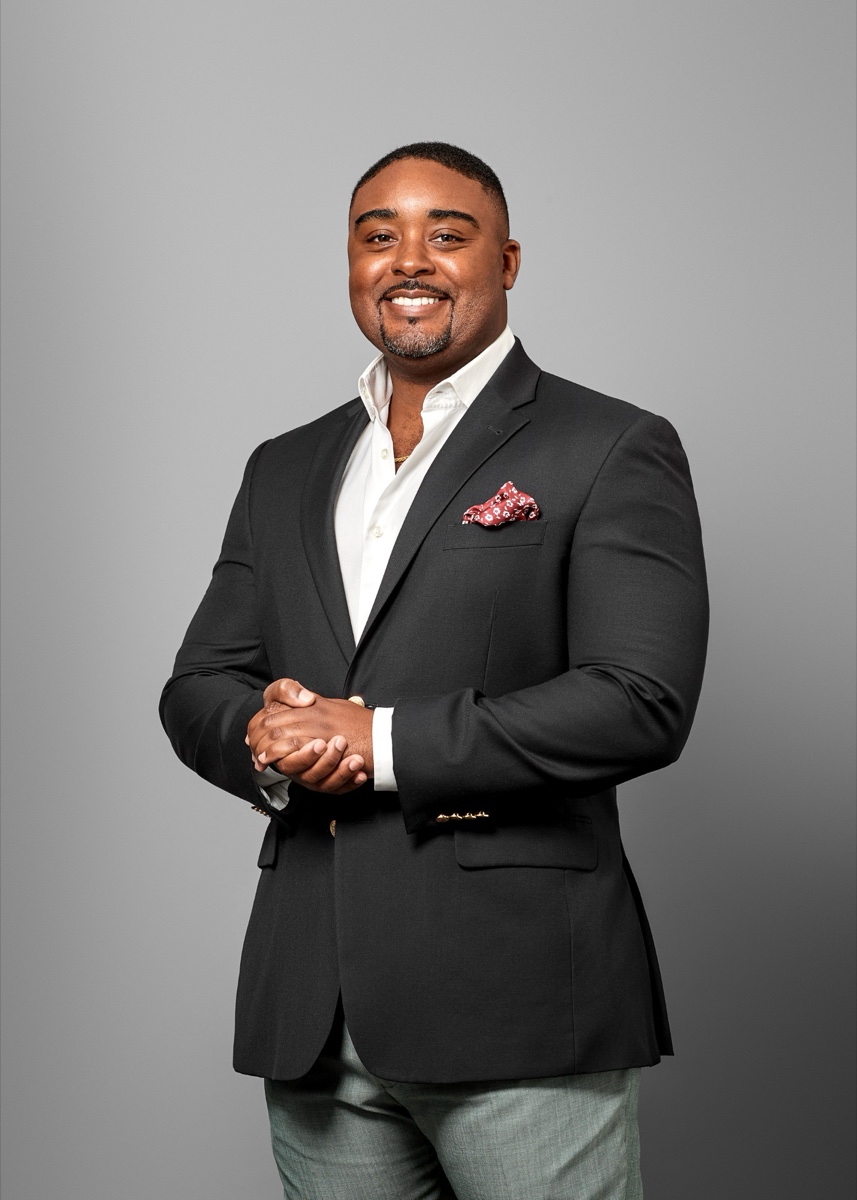
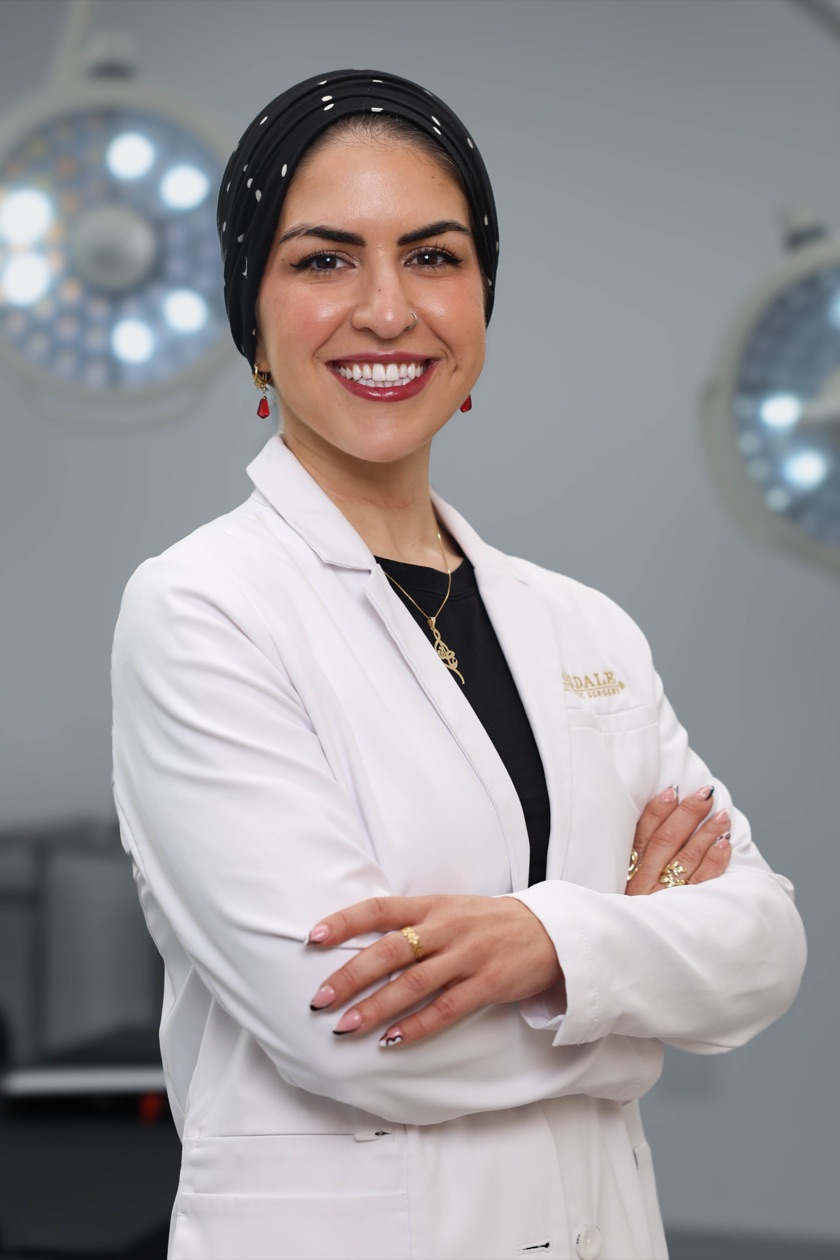
This procedure is performed by Dr. Truesdale or his hand-picked associate Dr. Sajjadi — discuss the right path on your free Surgery Discovery Call.
Schedule your brow lift consultation
Restore the open, alert upper face that a descended brow has been concealing. Dr. Truesdale personally conducts every consultation. We respond same-day, Monday-Friday.
Book a Surgical Discovery Call online
After clicking the booking link, select “new patient” under Schedule Your Appointment and fill out the form to see our current availability for a Surgical Discovery Call with a Patient Care Coordinator and book immediately. Call us (424) 363-4112 for additional appointment times and information.All times are based on Los Angeles, Pacific Time (PT).
Book Discovery Call →Prefer to share details first? Submit the form and a Patient Care Coordinator will reach out the same business day (Monday–Friday).